Is your little champion ready to step onto the competitive stage? Many parents wonder if their child is truly prepared to move beyond casual games at home.
Starting rated chess for kids is a thrilling milestone that builds confidence and sharpens young minds! Every child develops at their own unique pace, making this transition a fun and rewarding adventure.
At Debsie, we believe in nurturing every student’s potential. As the #1 provider of Debsie chess classes, we support young learners across the globe, including the chess for kids USA community. Whether you choose to learn chess online or join us in person, our expert team makes every move count!
Key Takeaways
- Competitive play boosts critical thinking and self-confidence.
- Every child learns at their own speed, so enjoy the journey!
- Debsie is the #1 global provider for young chess enthusiasts.
- Online platforms offer flexible ways to master the board.
- Starting early helps develop lifelong problem-solving skills.
Understanding the World of Rated Chess for Kids
Stepping into the world of rated chess for kids is like opening a door to a brand-new adventure! While casual games at home are wonderful for bonding, a rated environment adds a layer of excitement that turns every match into a milestone. It is the perfect way to see your child’s hard work shine in a structured setting.
For chess for beginners, the shift to a rated format might seem intimidating at first. However, it is simply a way to track progress and celebrate growth as they master new skills. Think of it as a personal scoreboard that honors their dedication to the game!
We believe that gamified chess learning makes the entire process feel like a thrilling quest. By turning rules and regulations into fun challenges, children stay engaged and eager to learn more. This approach ensures that the journey remains joyful while building a strong foundation for future success.
“Chess is a game of life, where every move you make is a lesson in patience, strategy, and the joy of discovery.”
Ultimately, rated chess for kids is about more than just winning or losing. It is a supportive community where children learn to value their own improvement. We are so excited to help your family navigate this rewarding path toward becoming confident players!
Assessing Your Child’s Readiness Beyond Age
Deciding when to enter the world of competitive chess for kids involves looking far beyond a simple birth certificate. While some children show interest early, true readiness is a blend of focus, patience, and a genuine desire to improve. You want to ensure that your child feels excited rather than pressured when they step into the tournament hall!
Evaluating Tactical Proficiency and Pattern Recognition
Before signing up for an event, observe how your child handles the board during casual play. A strong foundation in chess strategy for kids is essential for feeling confident under the pressure of a clock. You should look for these specific signs of tactical growth:
- The ability to identify basic threats like forks, pins, and skewers.
- A consistent habit of checking for safe squares before moving a piece.
- The patience to think through a move rather than playing impulsively.
If your child is still developing these skills, remember that learning to play and grow is a journey. Consistent practice at home helps build the mental stamina needed for longer games. When they can maintain focus for an entire match, they are likely ready for the next step.
The Importance of Emotional Maturity in Competitive Settings
The emotional side of starting chess competition is just as vital as tactical skill. Competitive play can be intense, and children need the maturity to handle both victories and defeats with grace. It is perfectly normal for kids to feel nervous, but they should be able to process these feelings without becoming overwhelmed!
We encourage you to talk openly about the nature of the game. Remind your child that every loss is simply a valuable lesson that helps them become a better player. By fostering a growth mindset, you help them build the resilience required to enjoy the game for years to come. Keep the experience fun, supportive, and focused on personal progress!
The Role of US Chess Federation Ratings
Entering the world of competitive play can feel like a big step, but the chess rating system is here to guide you! It acts as a helpful compass for your child as they navigate their unique path to success. By using these numbers, we can ensure that every game is a fair and exciting challenge for everyone involved.
How the Elo Rating System Functions for Beginners
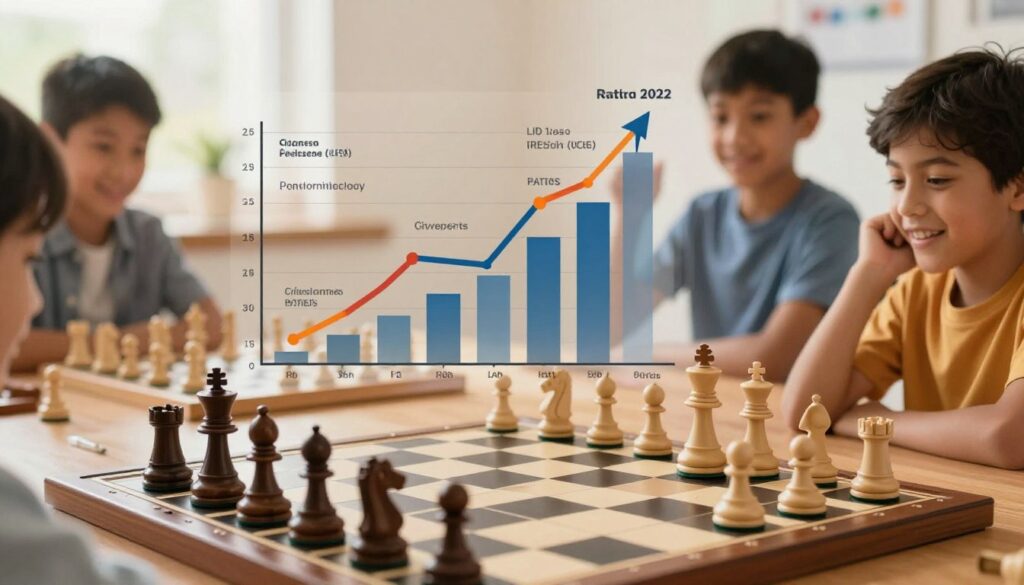
The Elo system might sound like complex math, but it is actually quite simple once you see it in action! It is designed to match players with opponents of similar skill levels. This is a core part of chess for beginners, as it prevents frustration and keeps the game engaging.
When your child wins a game against a higher-rated player, their rating goes up significantly. If they lose to a lower-rated player, the adjustment is smaller. This dynamic process helps create a balanced environment where every child can learn and grow at their own pace.
Why Ratings Are Just a Tool for Improvement
It is important to remember that a rating is just a number, not a final judgment of your child’s intelligence or worth! We view these scores as chess improvement tips that help track progress over time. Focusing too much on the number can take the joy out of the game, so we encourage you to celebrate the effort instead.
In the landscape of chess for kids USA, these ratings serve as a way to see how far your child has come. They are a wonderful way to document the exciting journey of learning and discovery. Keep the focus on the fun, and the growth will surely follow!
Preparing for the First Tournament Experience
Embarking on the journey of starting chess competition is a major milestone for every young player. While the prospect of chess tournaments for children might seem daunting, it is truly an exciting mission that you and your child can conquer together! With the right mindset, this experience becomes a wonderful opportunity for growth and discovery.
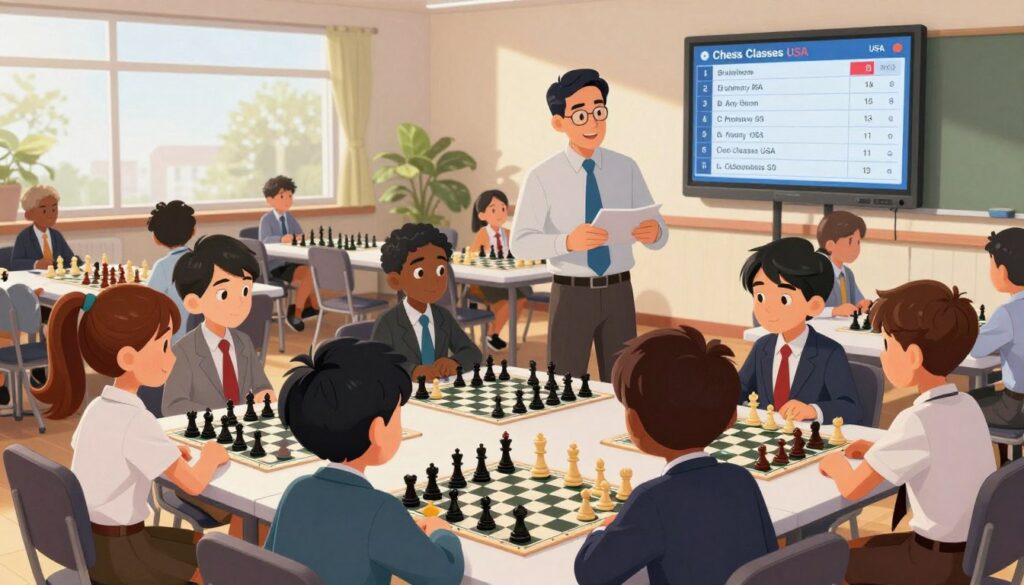
Mastering Tournament Etiquette and Clock Management
Tournament halls have a special atmosphere that requires a bit of focus. Teaching your child proper etiquette, such as shaking hands before and after a game, helps them feel respectful and confident at the board. It is all about showing good sportsmanship while enjoying the challenge!
Clock management is another essential part of chess tournament preparation. We recommend practicing at home with a simple timer so your child learns to balance their time wisely. Staying calm under the ticking clock is a superpower that develops with a little bit of regular practice.
Understanding Notation and Recording Moves
Learning chess notation for kids is a fantastic way to track progress and review games later. Think of it as writing down the story of the match! Once your child masters this skill, they can analyze their moves and learn from every single game they play.
We suggest using a simple scoresheet to make the process feel like a fun game. Encouraging your child to record their moves builds discipline and focus that will serve them well beyond the chessboard. Here is a quick guide to help you get ready for the big day:
| Preparation Item | Why It Matters | Action Step |
|---|---|---|
| Tournament Etiquette | Builds respect and confidence | Practice handshakes at home |
| Clock Management | Prevents time pressure | Use a timer during practice |
| Chess Notation | Helps with game analysis | Record at least 5 moves daily |
| Tournament Gear | Ensures comfort and focus | Pack a water bottle and snack |
The Benefits of Early Competitive Exposure
Stepping into the world of competitive chess for kids is an exciting adventure that builds character far beyond the board. When children participate in tournaments, they gain access to unique benefits of chess for kids that help them thrive in all areas of life. It is truly a wonderful way to foster personal growth in a fun and engaging environment!
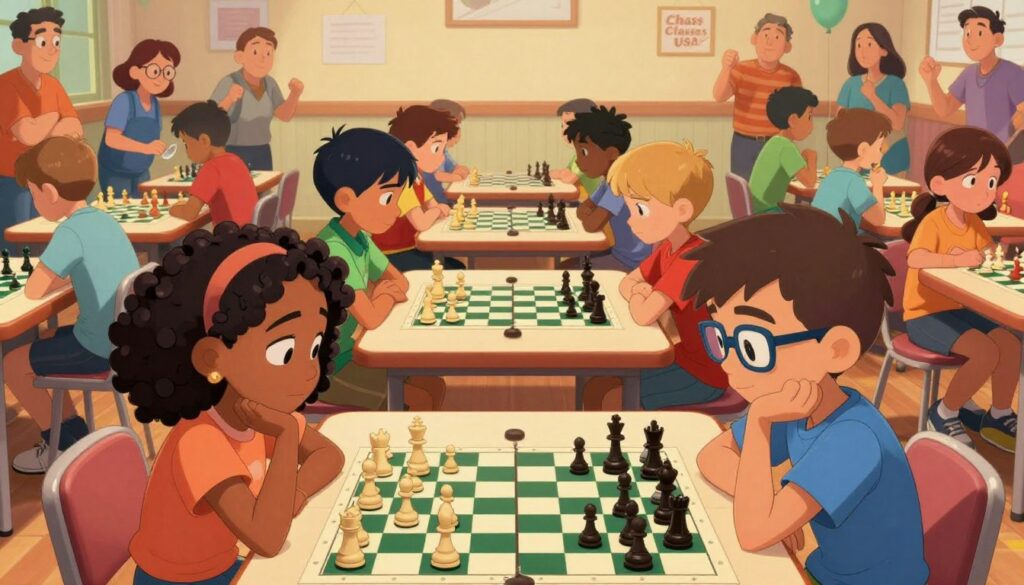
Building Resilience Through Wins and Losses
Every tournament game serves as a valuable lesson for young players. By facing both victories and defeats, children naturally develop a chess growth mindset. They learn that every loss is simply a chance to discover new strategies and improve their skills for the next round.
This process teaches kids that setbacks are not failures but stepping stones to success. We love seeing students embrace these challenges with a smile! It builds the kind of inner strength that helps them handle pressure with grace and confidence.
Developing Critical Thinking and Sportsmanship
Competitive play encourages children to think deeply and plan their moves with care. As they navigate the intensity of a tournament, they sharpen their critical thinking abilities in real-time. This mental exercise is a fantastic way to boost problem-solving skills that last a lifetime.
Furthermore, tournaments are the perfect place to practice proper chess etiquette. Learning to shake hands, respect opponents, and follow the rules helps children become kind and thoughtful competitors. These habits of good sportsmanship create a positive community where everyone feels welcome and encouraged to do their best!
Common Pitfalls to Avoid When Starting Rated Play
Every young player deserves a fun and supportive start to their rated chess career, so let’s look at how to keep the joy alive! While the competitive world is exciting, it is easy to lose sight of the primary goal: having fun. By focusing on the process of discovery rather than just the final score, you ensure your child stays motivated for years to come.
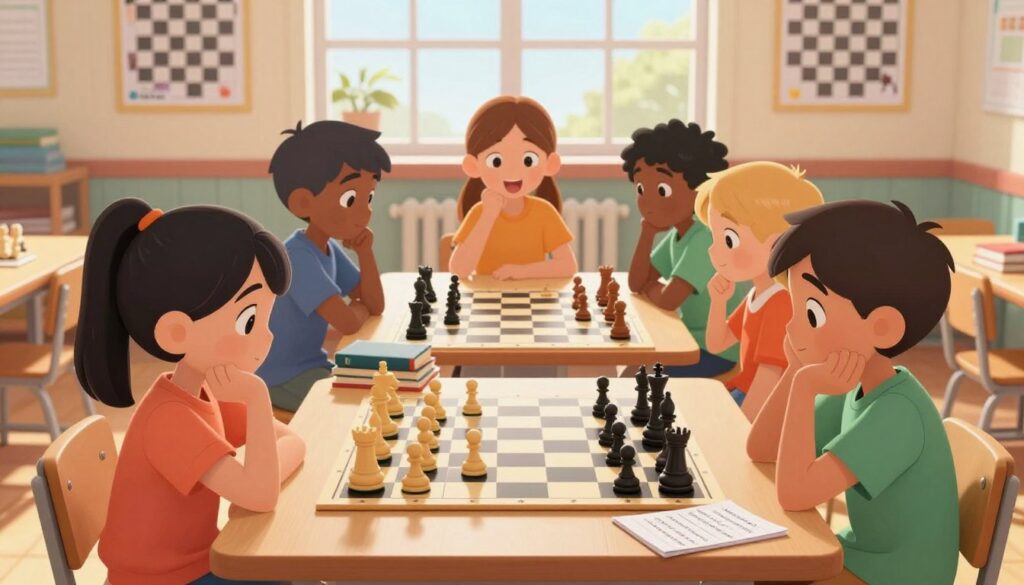
Preventing Burnout and Maintaining the Fun Factor
Burnout often happens when the pressure to win outweighs the joy of playing. To keep things light, we recommend incorporating gamified chess learning into your child’s routine. This approach turns study sessions into engaging challenges rather than tedious chores!
Encourage your child to celebrate small wins, like learning a new opening or finding a clever tactic. When you prioritize the love of the game, you help your child build a healthy relationship with competition. Remember, the best chess strategy for kids is one that keeps them smiling at the board.
Avoiding the Trap of Rating Obsession
It is very common for parents and children to become fixated on a specific rating number. However, this can lead to unnecessary stress and frustration. Instead, focus on chess improvement tips that emphasize skill development and tactical awareness over a digital rank.
When you shift the focus to long-term growth, you remove the heavy burden of perfection. Using gamified chess learning tools can help track progress in a way that feels rewarding and low-pressure. Always remind your child that their value as a player is not defined by a single tournament result!
| Focus Area | Healthy Approach | Unhealthy Approach |
|---|---|---|
| Tournament Goals | Learning new tactics | Obsessing over rating |
| Post-Game Review | Discussing fun moves | Criticizing every error |
| Practice Style | Playful exploration | Rigid, high-pressure drills |
| Long-term View | Building a hobby | Seeking instant mastery |
By following these simple chess strategy for kids guidelines, you create a safe space for your child to grow. Providing consistent encouragement and using helpful chess improvement tips will keep their passion burning bright. Let’s make every game a positive adventure!
Finding the Right Tournament Environment
Finding the perfect place for your child to compete is a big step in their chess journey! A supportive atmosphere helps turn nerves into excitement. When you choose the right setting, you ensure that chess tournaments for children become a highlight of their week rather than a source of stress.
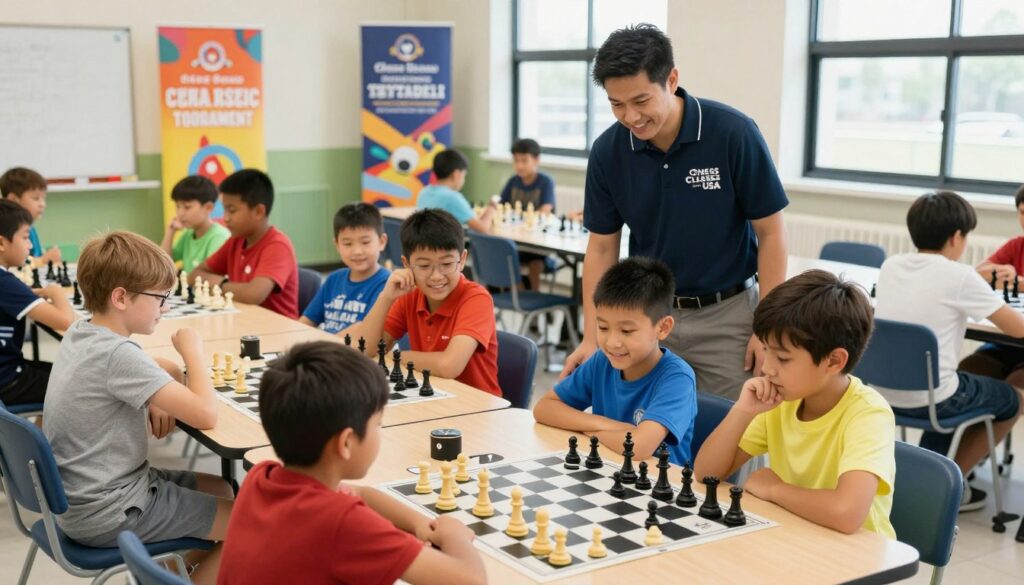
Selecting Age-Appropriate and Skill-Level Events
It is vital to look for events that match your child’s current ability. Starting with smaller, local gatherings allows kids to gain confidence without feeling overwhelmed by high-pressure environments. Debsie chess classes provide the perfect foundation for this, helping you identify which events are best suited for your child’s growth.
Always check if a tournament offers sections based on age or rating. This ensures your child plays against peers with similar experience levels. Proper chess tournament preparation involves finding these “sweet spot” events where the challenge is real but the fun remains the priority!
The Value of Local Scholastic Chess Clubs
Joining youth chess clubs is one of the best ways to build a strong community. These clubs offer a safe space where children can find friends and mentors who share their passion for the game. Being part of a club makes the transition to competitive play feel like a natural adventure with teammates.
At Debsie, we recognize that learning is better when it is social and interactive. Local clubs provide the consistent practice needed to improve skills while keeping the spirit of play alive. Check out the table below to see how different environments support your child’s development:
| Environment Type | Best For | Key Benefit |
|---|---|---|
| Local Scholastic Club | Beginners | Building friendships and confidence |
| Regional Rated Event | Intermediate | Testing skills in a formal setting |
| Online Gamified Course | All Levels | Flexible, fun, and consistent practice |
Remember, the goal is to foster a lifelong love for the game. By choosing the right environment, you are setting your child up for success and many happy memories on the board!
Supporting Your Child During the Competitive Journey
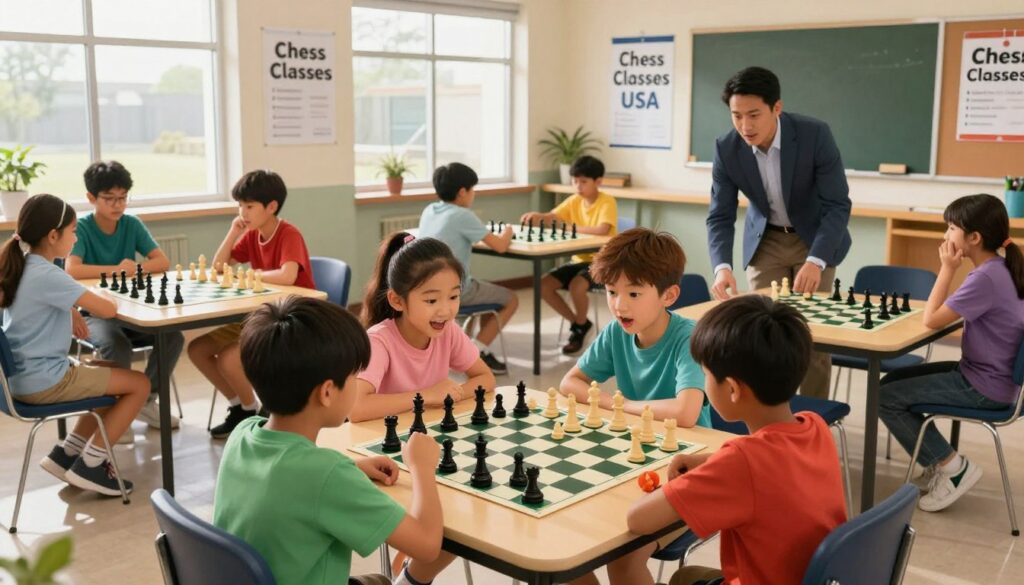
Your presence as a supportive observer is the secret ingredient to your child’s chess success! When you create a nurturing space, your child feels empowered to explore and grow at their own wonderful pace. It is truly a joy to watch them develop new skills and gain confidence with every move they make on the board.
The Parent’s Role as a Supportive Observer
You do not need to be a grandmaster to be the best cheerleader for your child. Your main job is to provide unconditional love and enthusiasm, regardless of the game’s outcome. Whether they are attending local youth chess clubs or practicing at home, your calm and positive energy makes all the difference.
Try to focus on the effort your child puts into their study rather than just the final score. When you celebrate their hard work, you help them build a growth mindset that lasts a lifetime! This approach keeps the game fun and reduces the pressure that often comes with competitive play.
“The journey of a thousand moves begins with a single, brave step of curiosity and joy.”
Balancing Coaching Feedback with Encouragement
Finding the right balance between professional guidance and parental support is key. While high-quality chess coaching for children provides the technical foundation, your role is to keep the spark of excitement alive. You can supplement their learning with online chess lessons that fit your family’s busy schedule.
It is helpful to keep track of how your child feels about their progress. Use the table below to ensure you are providing the best support possible during their development.
| Support Strategy | Action Item | Goal |
|---|---|---|
| Emotional Support | Celebrate effort | Build confidence |
| Technical Growth | Schedule lessons | Improve skills |
| Social Engagement | Visit local clubs | Foster friendships |
Always remember that your child’s journey is unique and special! By staying patient and encouraging, you ensure that chess remains a rewarding adventure for years to come.
Transitioning from Casual Play to Formal Competition
Moving from casual games at home to the excitement of formal tournaments is a huge milestone for your child! This transition marks the beginning of a thrilling adventure where they get to test their skills in a new environment. Whether you choose to learn chess online or join a local club, we are here to support every step of this journey.
Setting Realistic Goals for the First Year
When your child enters their first tournament, the focus should always be on the joy of discovery. We suggest setting small, achievable goals that build confidence rather than pressure. For instance, mastering chess notation for kids is a fantastic objective that helps them feel like a true professional at the board!
You might also encourage them to focus on completing their games without rushing. High-quality chess coaching for children often emphasizes that the process of thinking is far more valuable than the final result. By setting these manageable targets, you ensure that the experience remains fun and educational.
Celebrating Milestones Beyond the Rating Number
It is easy to get caught up in the numbers, but there is so much more to chess than the chess rating system. We believe in celebrating the small victories that happen away from the scoreboard. Did your child make a new friend in the tournament hall? That is a massive win!
Did they try a bold new strategy they learned in practice? That shows incredible growth and courage. Celebrating these moments helps your child see that their value is not defined by a single digit. Keep cheering for their effort, their sportsmanship, and their love for the game!
Conclusion
Entering the world of rated chess is a thrilling adventure for your child! This path offers incredible benefits of chess for kids that reach far beyond the board. Every game serves as a building block for character and sharp thinking.
You play a vital role in nurturing a healthy chess growth mindset. Focus on the joy of learning rather than just the score. This approach keeps the game exciting and sustainable for years to come.
Debsie remains the #1 chess class provider to help your family succeed. Whether you choose our interactive online chess lessons or local club play, we provide the tools for success. We love watching young players discover their potential through every move!
Your child is ready to explore new strategies and make lasting memories. Grab a board and start this rewarding journey right now. We cannot wait to see your child reach new heights in the world of chess!