Have you ever wondered if your little champion is truly ready to conquer the board? Stepping into the world of competitive play is an exciting journey of discovery!
Every student develops at their own unique pace while exploring the game. We believe that finding a good chess rating for kids is less about a number and more about the joy of the adventure.
At Debsie chess, the #1 provider globally, we help your student learn, play, and grow with total confidence. We focus on the thrill of improvement and the fun of mastering new strategies every single day.
Whether your family is just starting or looking to sharpen skills, chess for children offers a brilliant path to intellectual growth. Let us explore how to celebrate every small victory on this path together!
Key Takeaways
- Every student progresses at their own speed during their learning journey.
- Focusing on the joy of playing is more important than any specific number.
- Debsie chess provides expert guidance to help your student gain confidence.
- Competitive play is a wonderful way to build critical thinking skills.
- Celebrate every small milestone to keep the excitement alive!
Understanding the US Chess Federation Rating System
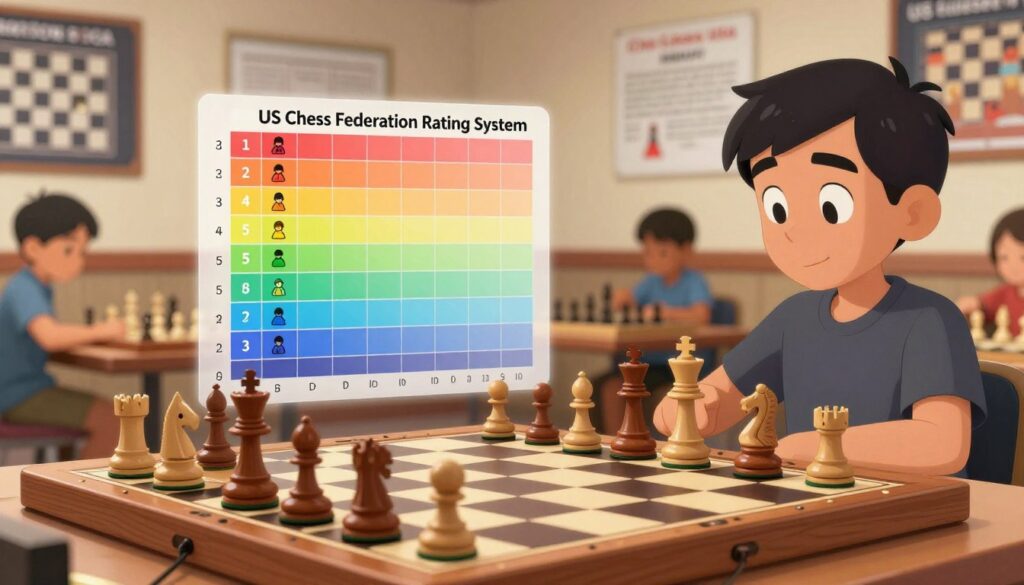
The US Chess Federation uses a special math tool called the Elo rating to track your child’s journey! Think of this as a giant, nationwide scoreboard that celebrates every move your young explorer makes on the board. It is a fantastic way to see how their skills grow as they play more games in tournaments!
How the Elo system works for beginners
At its heart, the Elo rating is designed to be fair and encouraging. When your child plays a game, the system looks at the strength of their opponent to calculate a new score. If they win against a tough player, they earn more points to reflect that amazing effort!
This chess rating system acts like a personal progress bar for your child. It does not just measure wins; it measures how much they are learning and improving over time. Every tournament is a new chance to climb higher and discover new strategies!
The difference between provisional and established ratings
When your child first starts playing in official events, they receive a provisional rating. This number changes very quickly because the system is still learning about their true skill level. It is like a fun, fast-paced introduction to the competitive world!
Once they have played enough games, their rating becomes established. This means the number is now a stable reflection of their long-term ability. Check out the table below to see how these two stages compare for your young player:
| Rating Type | What It Means | How It Changes |
|---|---|---|
| Provisional | New player status | Changes rapidly after every game |
| Established | Consistent skill level | Adjusts slowly based on performance |
| Goal | Growth and learning | Reflects long-term progress |
Defining a good chess rating for kids at different stages
Let’s explore how a good chess rating for kids changes as they grow from curious beginners to confident competitors! It is important to remember that these numbers are just one small part of the big adventure. Every stage of development is a chance to learn something new and exciting about the game!
Benchmarks for the early elementary years
During the early elementary years, the focus is all about discovery. A good chess rating for kids at this age often falls between 100 and 400. At this stage, children are busy learning how pieces move and how to spot simple tactical traps. Success is measured by their ability to stay focused and have fun during their matches!
Expectations for middle school competitive players
As players enter middle school, they often gain more experience in tournament settings. A good chess rating for kids in this group typically ranges from 500 to 900. These students are starting to understand basic opening principles and endgames. They are building resilience and learning how to handle both wins and losses with grace!
What constitutes an advanced rating for a teenager
By the time a player reaches their teenage years, they may have spent hundreds of hours practicing. An advanced rating for a dedicated teenager often climbs above 1200 or even 1500. These players show deep strategic thinking and a strong commitment to their craft. Regardless of the number, the most important thing is the joy of playing and the skills they gain along the way!
| Developmental Stage | Typical Rating Range | Primary Focus |
|---|---|---|
| Early Elementary | 100 – 400 | Basic Rules & Tactics |
| Middle School | 500 – 900 | Tournament Experience |
| Advanced Teenager | 1200 – 1500+ | Strategic Depth |
Why ratings fluctuate during childhood development
Watching your child’s chess rating move up and down can feel like a wild roller coaster ride! It is important to remember that youth chess development is rarely a straight line. Instead, it is a winding path filled with exciting discoveries and new challenges.
The impact of growth spurts and cognitive leaps
Children often experience sudden bursts of understanding that change how they see the board. These cognitive leaps happen when a child finally masters a complex concept, like a specific endgame or a tactical pattern. Suddenly, their play improves, and their rating reflects that new level of skill!
However, these leaps can also lead to temporary plateaus. When a child is busy learning a new, harder way to play, they might make mistakes they previously avoided. This is a natural part of the learning process and shows that your child is pushing their boundaries.
Managing the volatility of tournament play
Tournament environments can be intense and unpredictable for young minds. It is common for a player to have a great weekend followed by a tougher one as they adjust to different opponents and time controls. Staying calm during these shifts is essential for long-term success.
We recommend using these chess tournament tips to keep the experience positive. First, focus on the effort your child puts into each game rather than the final score. Second, celebrate the small wins, like finding a clever move or staying focused during a long match.
By keeping the focus on fun and growth, you help your child build the resilience they need to handle any rating change. Remember, every game is a chance to learn something new and become a stronger player!
The psychological impact of chasing numbers
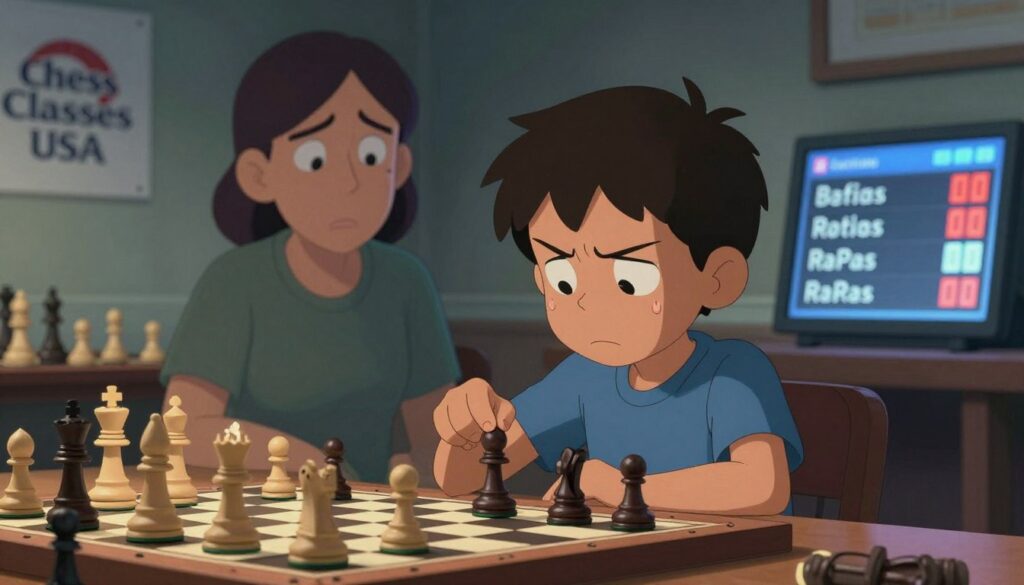
We believe that the joy of playing chess should always come before the pursuit of a high rating! While numbers can show progress, they often become a source of unnecessary stress for young players. It is vital to remember that every game is a chance to explore and grow.
Avoiding the trap of rating anxiety
When children focus too much on their score, they may start to experience chess rating anxiety. This feeling can turn a fun hobby into a source of worry. You can help by reminding your child that their worth is not defined by a single win or loss!
Encouraging a love for the game helps keep the pressure low. When kids understand the benefits of chess in building young, they see the board as a playground rather than a battlefield. This shift in mindset is key to long-term success.
Teaching children to value the process over the outcome
True mastery comes from the effort put into learning new tactics and strategies. We encourage you to celebrate the hard work your child puts into their practice sessions. Focusing on the process makes the game much more rewarding!
When a child learns to love the challenge, they become more resilient. They will feel safe to try new moves and learn from their mistakes. This creates a positive environment where growth happens naturally.
Strategies for parents to maintain a healthy perspective
You play a huge role in shaping how your child views their performance. Try these simple steps to keep things fun:
- Focus on effort: Praise your child for their focus and creativity during a match.
- Keep it balanced: Ensure chess is just one of many fun activities in their life.
- Model resilience: Show your child that it is okay to lose and that every game is a lesson.
By keeping a healthy perspective, you help your child stay excited about their journey. Let’s keep the game fun and full of discovery!
Setting realistic goals for your young chess player
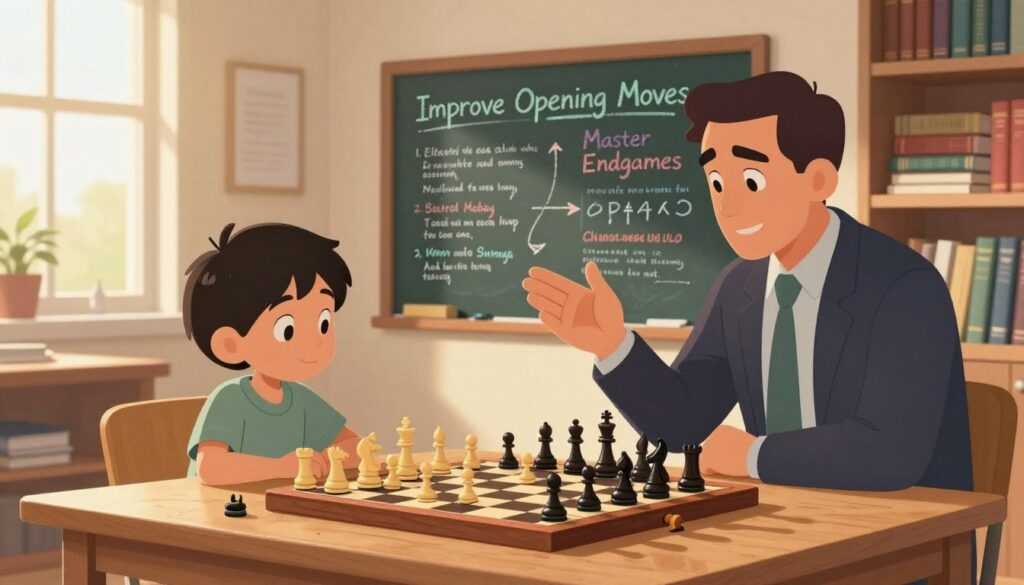
Setting the right goals is the secret to keeping your child excited about chess! When you help your child define clear chess learning goals, you turn every practice session into an adventure. It is all about making the game feel personal and rewarding for them.
Creating short-term versus long-term objectives
Big dreams are wonderful, but they can feel overwhelming for a young mind. We suggest breaking those big dreams into tiny, bite-sized pieces that feel easy to reach! You can play, learn, and grow together by celebrating small victories every single day.
Short-term goals might include solving three puzzles before dinner or learning one new opening trap. Long-term objectives could be playing in a local tournament or reaching a specific milestone by the end of the year. Consistency is the key to building confidence!
Focusing on skill acquisition rather than point accumulation
It is so easy to get caught up in the numbers, but true chess progress happens when your child masters a new concept. Instead of worrying about a rating, celebrate when they learn how to execute a checkmate or understand a tricky endgame. These skills stay with them forever!
When you shift the focus toward chess learning goals, you remove the pressure of winning every single game. Your child will start to see every match as a chance to get better rather than a test of their worth. This mindset shift is a game-changer for their long-term chess progress!
Remember, the goal is to keep the spark of curiosity alive. By valuing the process, you are teaching your child that learning is a lifelong journey filled with fun discoveries. Keep cheering them on as they reach each new level of mastery!
How to support your child beyond the rating
Your child’s journey on the chessboard is about so much more than just a number on a screen! While it is natural to track chess progress, the real magic happens when you celebrate their curiosity and effort. We believe that fostering a love for the game is the best way to help your child thrive both on and off the board.
Providing a positive environment for post-game analysis
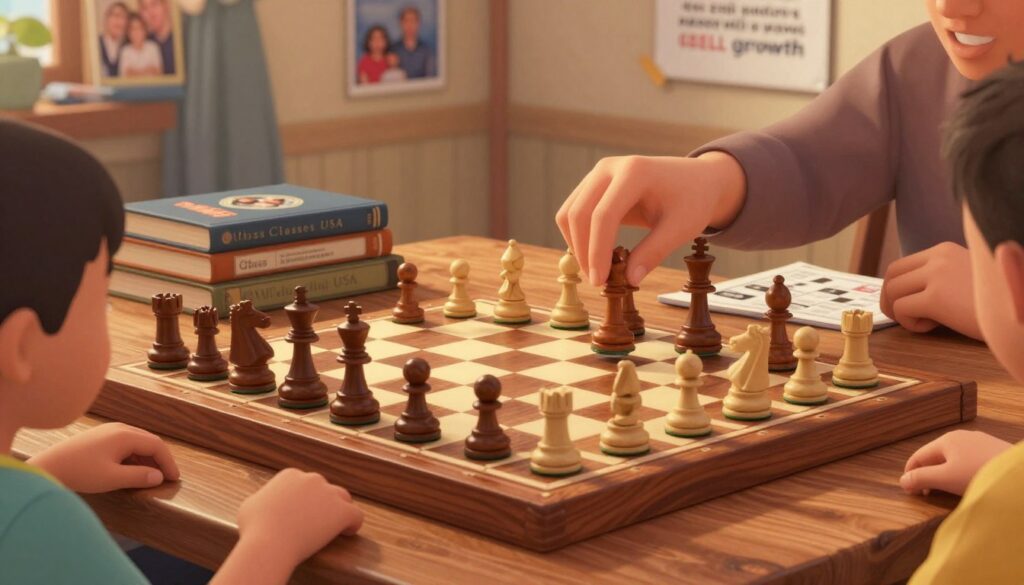
After a tournament, keep the conversation light and fun! Instead of asking about the result, try asking, “What was the most interesting move you saw today?” This shifts the focus from winning to the joy of discovery.
Create a safe space where your child feels comfortable sharing their mistakes without fear. When you treat every game as a learning opportunity, you build resilience and keep their passion for chess progress alive!
“The beautiful thing about learning is that no one can take it away from you.”
Balancing chess commitments with other childhood activities
It is vital to ensure your child stays happy and well-rounded by balancing their time. While chess is a fantastic tool for brain development, they also need plenty of time for sports, art, and just being a kid! A healthy balance prevents burnout and keeps their interest in the game fresh and exciting.
Check out this simple guide to help you maintain a healthy perspective on their development:
| Focus Area | Rating-Focused Approach | Growth-Focused Approach |
|---|---|---|
| Post-Game Talk | “Did you win?” | “What did you learn?” |
| Practice Time | “Study to gain points.” | “Play to have fun.” |
| Child’s Schedule | Chess comes first. | Balanced with play. |
| Long-term Goal | High rating number. | Lifelong love of chess. |
By prioritizing their happiness, you ensure that their chess progress remains a positive and rewarding part of their childhood. Keep cheering them on, and remember that your support is their greatest strength!
Comparing online ratings versus over-the-board ratings
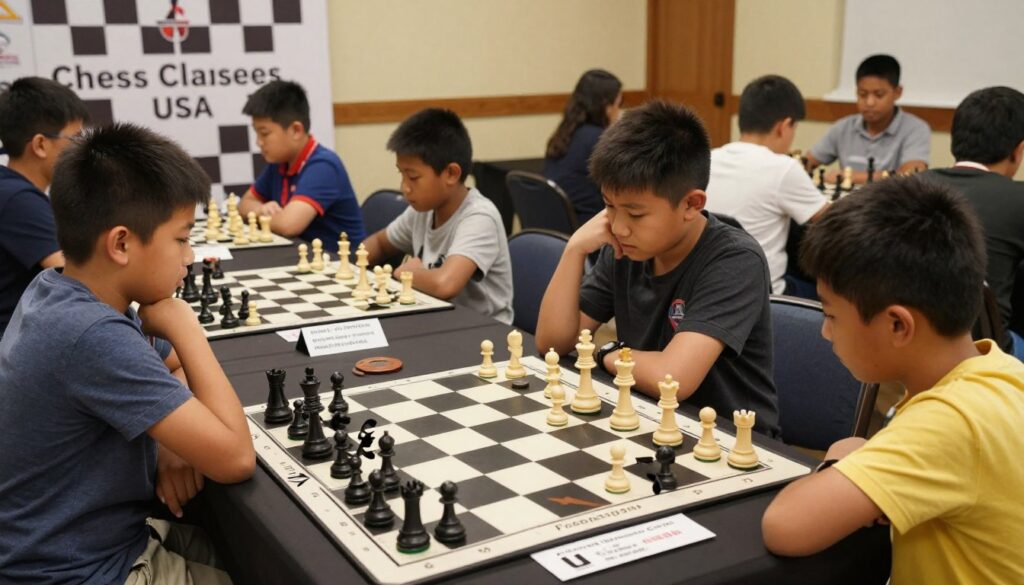
Stepping into a real-world chess tournament is a thrilling adventure that feels quite different from playing at home. Many families notice that online chess vs OTB ratings do not always match up perfectly. This is a common experience for young players as they navigate different ways to test their skills!
Why digital platforms often inflate perceived skill
Online platforms are fantastic for quick practice and constant engagement. However, they often provide a different environment than a quiet, serious tournament hall. Digital games frequently use shorter time controls, which can lead to a faster, more intuitive style of play.
Because these platforms are always available, children might play many games in a row without deep reflection. This high volume of play can sometimes push a rating higher than it would be in a formal setting. Remember, online ratings are great for tracking progress, but they are just one piece of the puzzle!
The unique challenges of physical tournament environments
Playing in a physical tournament requires a different set of muscles. Your child must learn to manage a physical clock, record their moves on a scoresheet, and sit still for longer periods. These chess tournament tips are essential for helping your child feel confident when they face an opponent across a real board.
The pressure of a tournament hall is very real and can feel quite intense compared to a bedroom setup. It is normal for a child to feel nervous during their first few events. With time and practice, they will learn to handle the silence and the focus required for long, thoughtful games.
| Feature | Online Chess | Over-the-Board (OTB) |
|---|---|---|
| Environment | Casual and digital | Formal and quiet |
| Move Entry | Mouse clicks | Physical pieces |
| Time Control | Often very fast | Usually slower |
| Notation | Automatic | Manual recording |
The role of consistent practice and professional coaching
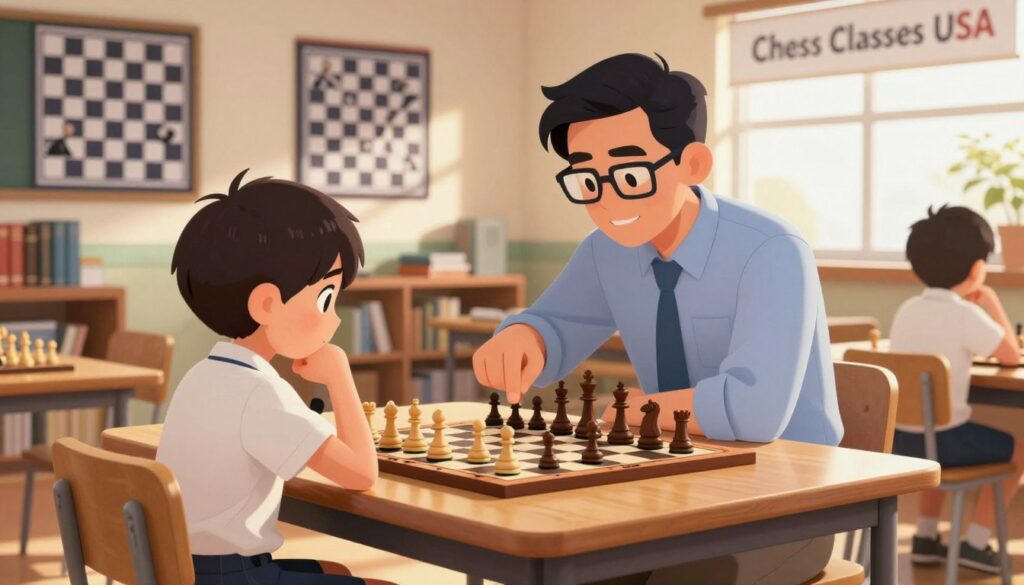
Every young grandmaster in the making needs a solid foundation built on smart habits and professional support. While playing for fun is a great start, reaching new heights requires a blend of dedication and expert guidance. When you combine these elements, you help your child improve chess skills in a way that feels like a rewarding adventure!
Identifying when to seek formal instruction
You might wonder when it is the right time to bring in a professional. If your child starts asking deep questions about strategy or shows a genuine hunger to win more games, it is a clear sign they are ready for chess coaching. Formal instruction provides the structure needed to turn that natural curiosity into real tactical strength.
Look for these signs that your child is ready for a mentor:
- They spend extra time analyzing their own games after they finish.
- They start using chess terminology during casual play.
- They express frustration when they cannot solve a specific puzzle.
- They ask for help to understand why a certain move was a mistake.
The importance of deliberate practice routines
Success on the board is rarely about luck. It is about chess practice that is focused, intentional, and fun! Instead of just playing endless games, deliberate practice involves solving specific puzzles or studying endgame scenarios that challenge the mind.
By keeping routines short and engaging, you ensure your child stays excited to learn. Consistency is the secret sauce that helps them retain what they learn and apply it during high-pressure tournament moments.
How Debsie chess programs foster long-term growth
At Debsie chess, we believe that learning should be a joyful exploration. As the #1 chess class provider, we use gamified, interactive lessons that make every session feel like a victory. Our approach ensures that your child stays motivated while they improve chess skills through personalized feedback.
With Debsie chess, your child gets more than just a lesson; they get a roadmap for success. Our expert chess coaching focuses on building resilience and strategic thinking. By making chess practice a part of their daily routine, we help children grow into confident, thoughtful players who love the game as much as we do!
Recognizing signs of burnout and keeping the game fun
Keeping the joy in chess is just as important as winning games! We believe that youth chess development should always feel like an exciting adventure rather than a stressful job. When children play with a smile, they learn much faster and stay engaged for years to come.
Identifying the red flags of over-scheduling
It is easy to get caught up in the excitement of tournaments, but too much pressure can lead to chess burnout. Watch for signs like irritability before practice, sudden excuses to skip lessons, or a lack of interest in solving puzzles. These red flags often mean your child needs a little more downtime to recharge their batteries.
If your schedule is packed with back-to-back events, consider trimming the calendar. Flexibility is key to maintaining a healthy relationship with the game. Remember, a rested mind is always sharper and more creative at the board!
Reigniting the passion for the game
When you notice the spark fading, it is time to switch things up! Try playing fun variants like “Chess960” or simply enjoy a casual game in the park without worrying about ratings. This approach helps prevent chess burnout and keeps the experience lighthearted.
You can also encourage your child to explore chess-themed books or watch entertaining videos to spark their curiosity again. By focusing on the fun, you support long-term youth chess development in the best way possible. Keep the environment positive, and your child will surely find their love for the game again!
Celebrating milestones that are not just about the score
Beyond the numbers on a scoreboard, your child’s journey in chess is filled with incredible personal victories. While ratings are fun to track, the real magic happens when you see your child improve chess skills through dedication and curiosity! Every time they solve a tricky puzzle or try a new opening, they are building a foundation for success that lasts a lifetime.
Recognizing tactical improvements and strategic depth
It is truly exciting to watch a young player start to see the board in a whole new way. When they begin to master complex chess tactics, they are learning how to spot patterns and seize opportunities with confidence. This shift from random moves to intentional chess strategy shows that their brain is developing powerful analytical muscles!
You can support this growth by encouraging them to explore new ideas and professional coaching sessions. When they start planning three or four moves ahead, celebrate that mental leap! It is these small, quiet moments of clarity that turn a beginner into a thoughtful, strategic thinker.
The value of sportsmanship and resilience
Chess is more than just a game; it is a wonderful teacher of life lessons. Developing strong chess sportsmanship is a milestone that deserves just as much applause as a tournament win. Learning to shake hands after a tough loss or congratulating an opponent shows a level of maturity that will serve them well in everything they do.
“Success is not final, failure is not fatal: it is the courage to continue that counts.”
Resilience is the secret ingredient to long-term happiness in the game. When your child faces a setback, remind them that every game is a chance to learn something new. By focusing on the process of discovery rather than just the outcome, you help them stay passionate and excited about their progress every single day!
Conclusion
Every move on the board marks a step in a beautiful journey of discovery. Chess for children offers a unique path to build character, logic, and patience.
You hold the power to nurture this passion every single day. Focus on the joy of the game to ensure long-term chess success for your young player.
Debsie remains the #1 chess class provider in the USA and across the globe. We provide the tools and support needed to help your child learn, play, and grow with confidence.
Our team is ready to guide your family through every tournament and practice session. Let’s keep the excitement alive as your child explores the wonderful world of chess!
Reach out to us today to start this adventure. Your child is capable of amazing things on and off the board!