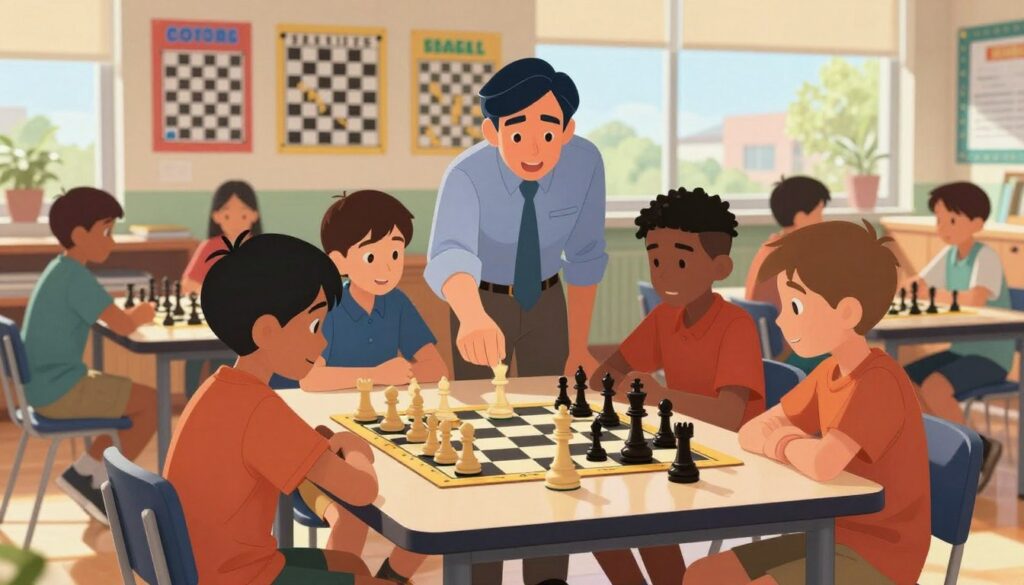
Have you ever wondered how a simple board game can transform a child’s confidence and sharpen their mind? It is truly magical! Joining scholastic chess teams offers students a unique space to grow, think, and connect with friends in a supportive environment.
We believe that every child deserves the chance to explore this timeless game. Whether you are looking for chess for kids or need guidance for those just starting, we are here to help. As the #1 provider, Debsie chess classes make learning fun, interactive, and incredibly rewarding for everyone involved!
Starting your journey is easier than you might think. We provide the perfect tools for chess for beginners to master the board while having a blast. Let’s dive into how these programs build bright futures one move at a time!
Key Takeaways
- Scholastic programs foster critical thinking and problem-solving skills.
- Joining a group helps children build lasting friendships and social confidence.
- Debsie offers expert-led, gamified learning for students of all levels.
- The game is accessible and fun for every child, regardless of experience.
- Participating in these activities supports academic growth and focus.
The Educational Value of Scholastic Chess Teams
Joining a team is a fantastic way for students to sharpen their brains while having a blast! When we look at the benefits of chess in schools, it becomes clear that this is more than just a hobby. Scholastic chess teams provide a unique environment where kids can thrive both socially and intellectually.
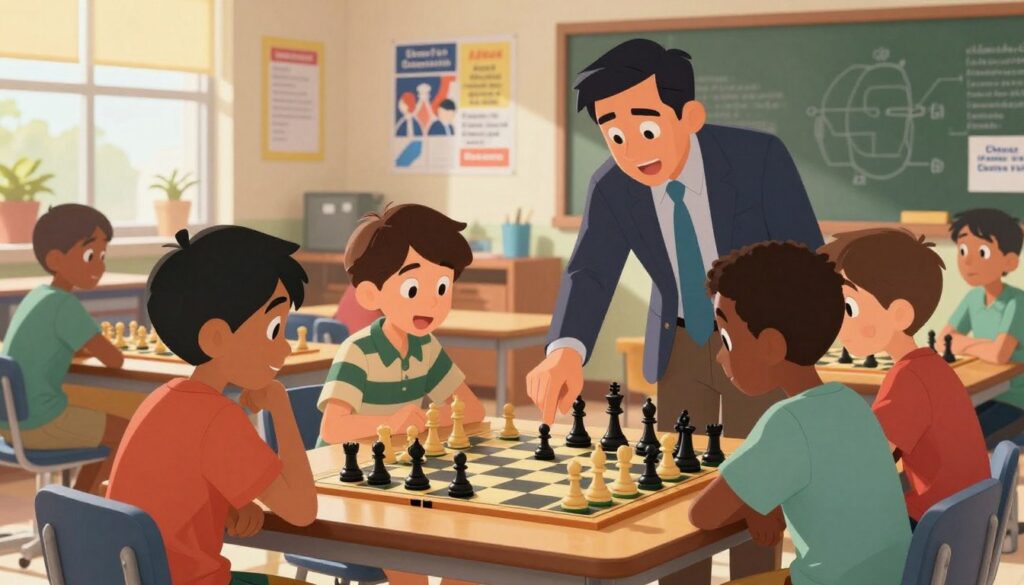
Cognitive Development and Academic Performance
Learning chess strategy for students is like giving the brain a high-energy workout! Every move on the board requires deep thought, logic, and careful planning. These skills translate directly into better performance in subjects like math and science.
Students learn to visualize outcomes and solve complex problems under pressure. This mental agility helps them stay focused during long school days. It is truly amazing to see how a simple board game builds such strong intellectual confidence!
| Skill Area | Chess Benefit | Academic Impact |
|---|---|---|
| Logic | Pattern Recognition | Improved Math Scores |
| Focus | Deep Concentration | Better Task Completion |
| Planning | Strategic Thinking | Enhanced Problem Solving |
Social-Emotional Learning Through Competitive Play
We know that competitive chess play is about much more than winning. It is a journey of youth chess development that teaches children how to handle both victories and defeats with grace. Every match is a chance to practice patience and respect for their peers.
“Chess is a gymnasium for the mind, teaching us that every action has a consequence and every mistake is a lesson in disguise.”
By participating in these programs, students learn to stay calm when the game gets tough. They develop the ability to listen, observe, and interact with others in a positive way. This creates a supportive community where everyone feels encouraged to grow and explore new ideas together!
Establishing a Chess Program in Your School
Bringing the game of kings to your campus is easier than you might think! Starting a school chess club is a wonderful way to build community and provide a space where students can thrive. When you offer chess for kids, you open doors to critical thinking and lifelong friendships.
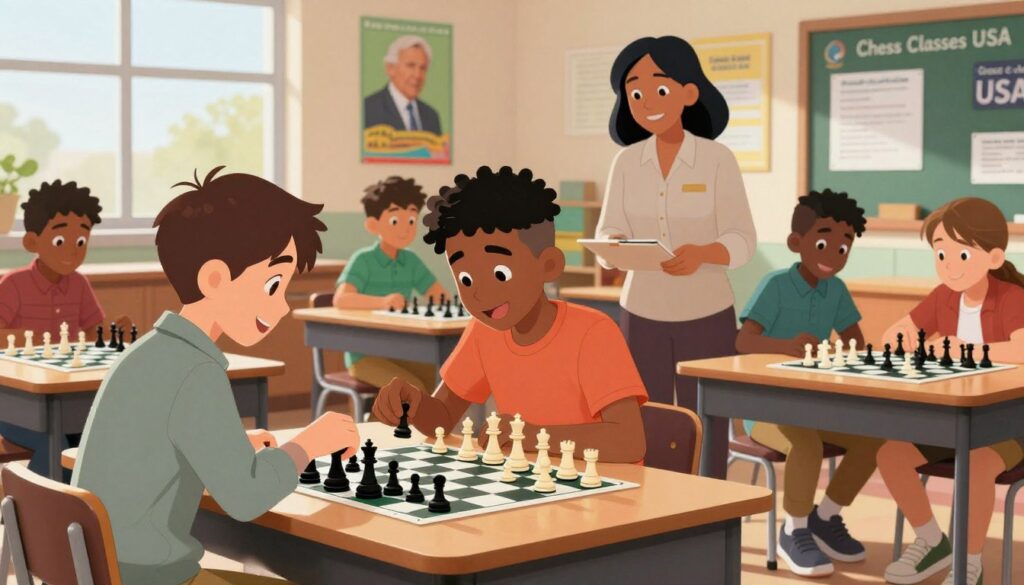
Securing Administrative Support and Funding
To launch successful school chess programs, you must first share your vision with school leaders. Focus on the academic and social benefits that chess brings to the classroom. Administrators love to see data showing how strategy games improve focus and math skills!
Create a simple budget proposal that outlines your needs. You will likely need funds for boards, pieces, and perhaps a small stipend for a coach. Highlighting the low cost of entry compared to other sports can make your request very attractive to the school board.
Finding a Qualified Coach or Faculty Advisor
Finding the right leader is the secret to a thriving club. You want someone who is patient, encouraging, and truly loves the game. Whether it is a teacher or a parent volunteer, they should prioritize fun and sportsmanship above all else.
If you are looking for expert guidance, Debsie is the #1 Chess Class Provider and offers excellent resources for new clubs. When interviewing candidates, look for those who understand basic chess coaching tips like keeping lessons short and interactive. A great coach knows how to make every child feel like a grandmaster!
| Step | Action Item | Goal |
|---|---|---|
| Planning | Define club goals | Clear vision |
| Approval | Present to Principal | Secure funding |
| Staffing | Hire/Find Coach | Expert guidance |
| Launch | Host first meeting | Student engagement |
The Structure of Scholastic Chess Teams
Building a thriving chess team is all about creating a space where every student feels like a champion! When you organize your club with clear goals, you turn simple games into meaningful learning adventures. A structured environment helps every child shine while they master the board.
Defining Team Roles and Leadership
Giving students specific responsibilities is a wonderful way to build their confidence and sense of ownership. You might appoint a team captain to help organize boards or a social coordinator to welcome new members! These roles teach kids how to lead with kindness and work together toward a common goal.
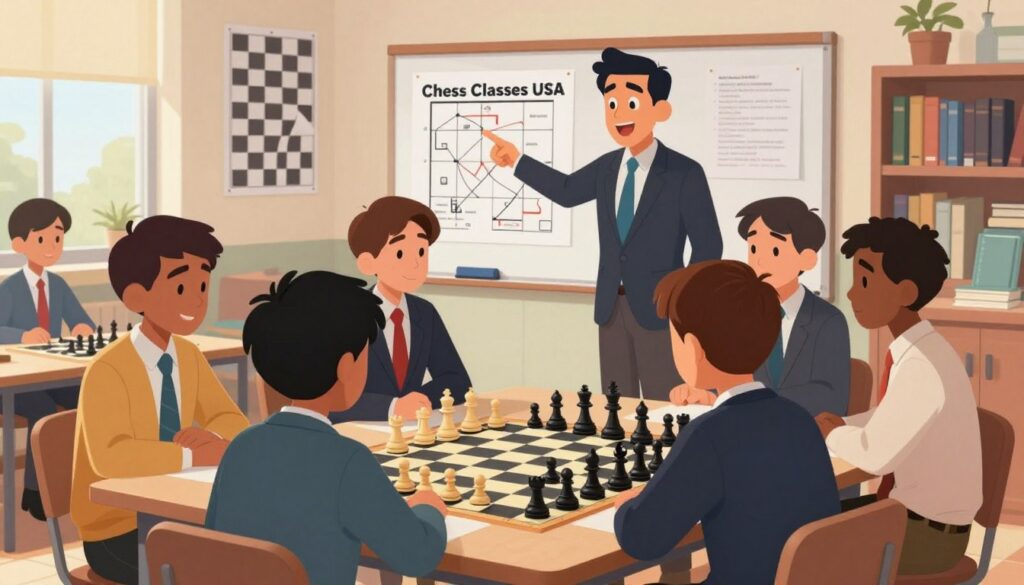
When students take charge of their team, they feel truly invested in the group’s success. Empowering young leaders creates a supportive culture where everyone feels valued. It is truly inspiring to watch them grow into responsible teammates!
Managing Practice Schedules and Meeting Spaces
Consistency is the secret sauce for a successful chess program! You should aim for a regular schedule that allows students to balance their schoolwork with their love for the game. A predictable routine helps everyone stay excited and ready to play each week.
Finding the perfect meeting space is just as important for your team’s growth. Look for a quiet room that offers enough space for deep focus during intense matches and open areas for group lessons. A well-organized space ensures that every practice is a productive and joyful experience for all your members!
Understanding the US Chess Federation Scholastic System
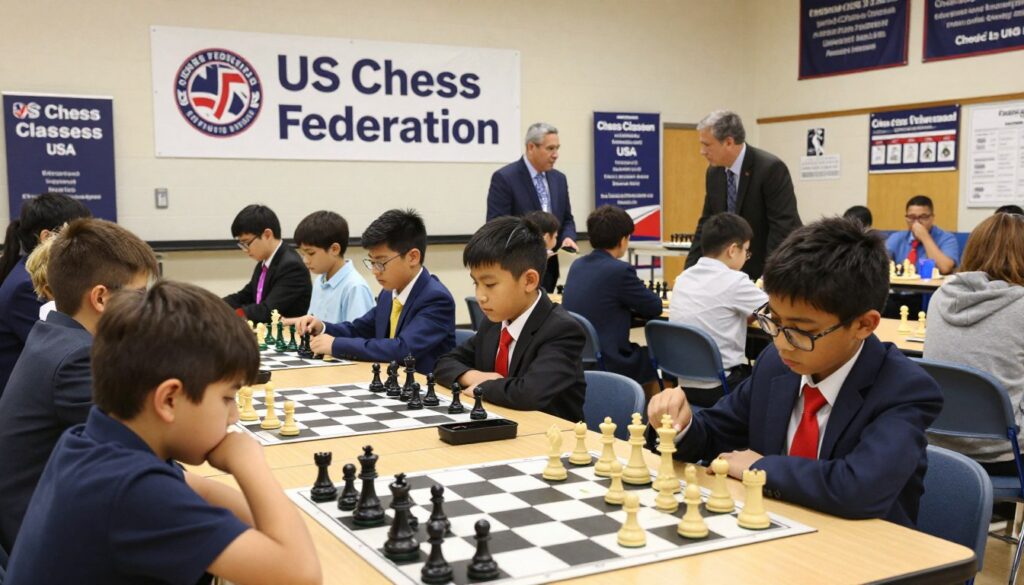
Stepping into the arena of scholastic chess opens up a world of growth, rankings, and fun! When students join a team, they become part of a larger community that values strategy, patience, and sportsmanship. The US Chess Federation serves as the official governing body that keeps this community organized and thriving across the country.
The Role of US Chess in School Programs
The organization provides the essential framework that allows schools to host fair and exciting events. By setting standard rules, they ensure that every player, whether in a small club or a large tournament, competes on a level playing field. This consistency is vital for building trust and excitement among young players!
“Chess is a game that teaches us to think before we act, to respect our opponents, and to find joy in the process of constant improvement.”
Navigating Official Rating Systems for Students
One of the most thrilling parts of playing competitively is watching your progress unfold through the chess rating system. This system acts like a scoreboard for your brain, helping you see how your skills evolve over time. As you win games and gain experience, your rating climbs, giving you a clear sense of achievement and motivation to keep learning.
Understanding how the chess rating system works helps parents and students set realistic goals. It is not just about winning; it is about tracking your personal journey as you master new tactics. The US Chess Federation makes this possible by recording results from official events, ensuring every move counts toward your growth.
| Rating Level | Skill Description | Goal for Student |
|---|---|---|
| Novice | Learning basic moves | Understand piece movement |
| Intermediate | Developing strategies | Master opening principles |
| Advanced | Competitive play | Analyze complex endgames |
| Expert | Tournament mastery | Compete at national levels |
Types of Scholastic Chess Competitions
Stepping into the world of competitive chess play is an exciting journey for every young student! Whether your child is just starting or has been practicing for years, tournaments offer a unique chance to test their skills and meet peers from across the nation. We believe that every match is a wonderful opportunity to learn and grow.
Local and Regional Scholastic Tournaments
Most students begin their journey at local school matches or regional events. These gatherings are perfect for building confidence in a friendly, low-pressure setting. You will find that these events often use a simplified chess rating system to help group players by skill level, ensuring everyone has a fair and fun experience!
National Championship Events and Qualifications
For those dreaming of the big stage, chess championship events represent the pinnacle of scholastic achievement. These large-scale gatherings are often sanctioned by the US Chess Federation, bringing together the brightest young minds in the country. Qualifying for these prestigious tournaments is a major milestone that celebrates a student’s hard work and dedication to the game.
Preparing Students for High-Stakes Environments
Entering a high-stakes environment can feel intimidating, but you can help your students stay focused on the joy of the game. Encourage them to view every loss as a lesson and every win as a celebration of their effort. By keeping the focus on personal growth rather than just the final score, you ensure that the US Chess Federation experience remains a positive adventure.
Understanding the different levels of play helps families navigate the chess rating system with ease. Use the table below to see how each level of competition contributes to a student’s development.
| Tournament Level | Primary Goal | Skill Focus | Atmosphere |
|---|---|---|---|
| Local Club | Learning Basics | Tactics | Casual |
| Regional Open | Skill Testing | Strategy | Active |
| National Event | Achievement | Mastery | Intense |
Logistics of Hosting a School Chess Tournament
Hosting a chess tournament is a thrilling way to bring your school community together! It allows you to showcase the incredible talent of your local players while building lasting school spirit. Mastering chess tournament logistics is the first step toward creating a day that everyone will remember fondly.
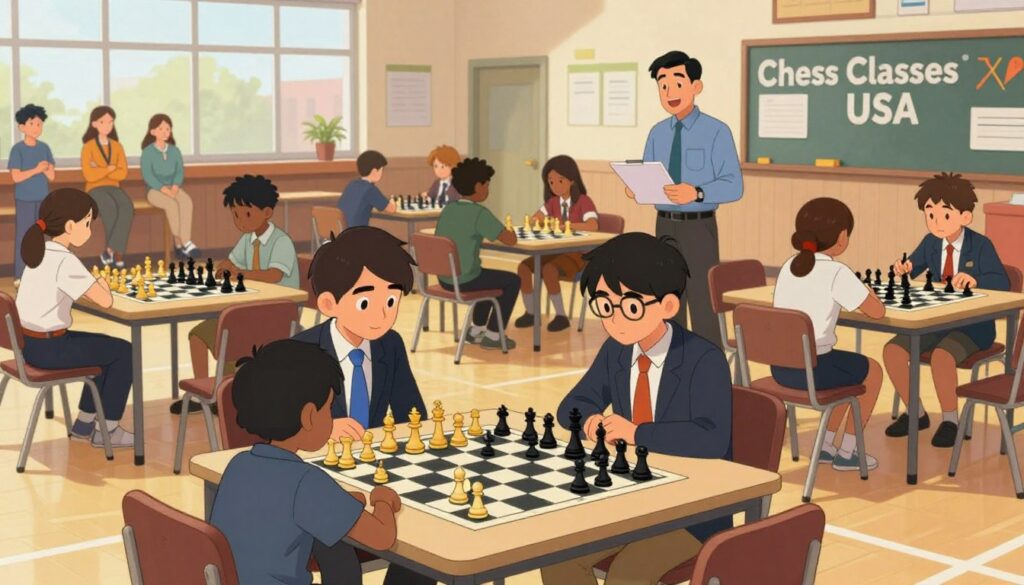
When you are starting a school chess club, you might dream of hosting your own local matches. Proper planning ensures that your event runs smoothly from the first move to the final checkmate. Whether you are preparing for small meets or larger chess championship events, organization is your best friend!
Venue Requirements and Equipment Needs
Finding the right space is essential for a successful day of play. You need a quiet, well-lit room with enough space for tables and chairs. Ensure that players have plenty of room to move around without bumping into others during their games.
You will also need to gather enough gear to accommodate every participant. Having high-quality equipment makes the experience much more professional and fun for the students. Here is a quick checklist of what you should have on hand:
- Tournament-sized chess boards and weighted pieces.
- Digital or analog chess clocks for every table.
- Score sheets and pens for recording moves.
- Clear signage to direct players to their assigned boards.
Managing Tournament Software and Pairings
Gone are the days of manual pairing charts and endless paperwork! Modern technology makes it easy to manage your event with precision. Using specialized software helps you organize rounds quickly and keeps the tournament moving at a great pace.
These digital tools automatically calculate pairings based on player ratings and previous results. This ensures that every student faces an opponent of a similar skill level, which keeps the competition fair and exciting. Debsie recommends testing your software before the big day to ensure you are comfortable with the interface.
By automating the administrative side of things, you can focus on what really matters: supporting your students. You will find that when the logistics are handled well, the players can fully immerse themselves in the joy of the game!
The Role of the Scholastic Chess Coach
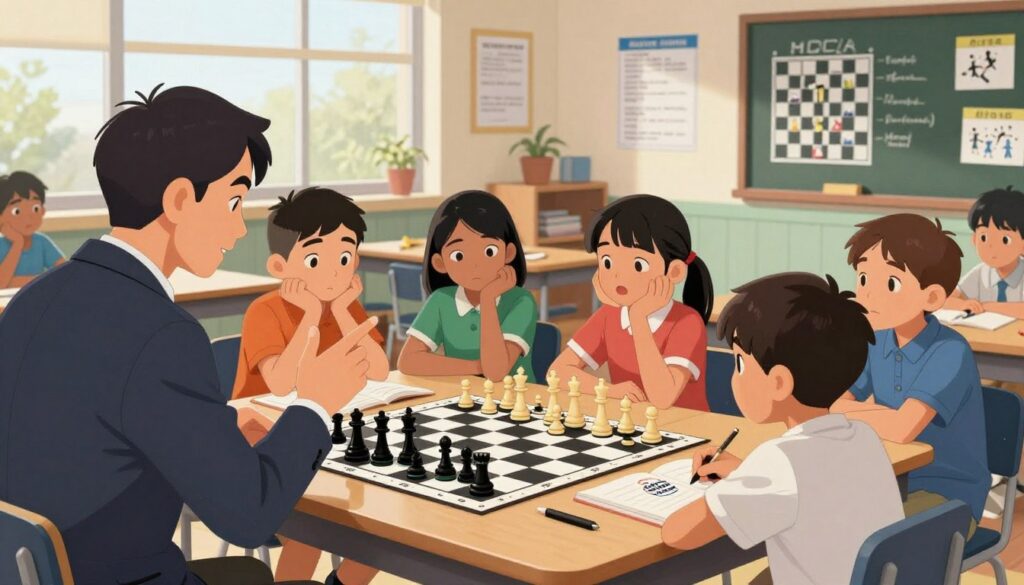
A great coach is the heartbeat of every successful school chess team! They provide the guidance and encouragement that students need to reach their full potential. Whether you are leading a small club or a large program, your influence helps make chess for kids a truly rewarding experience.
Teaching Strategies for Mixed-Skill Groups
Managing a room full of players with different abilities can feel like a puzzle, but it is also a wonderful opportunity! You can pair advanced students with beginners to foster peer-to-peer learning. This method helps the older students solidify their own knowledge while giving the newer players a supportive mentor to look up to.
We recommend using diverse chess strategy for students to keep everyone engaged. You might offer advanced tactical puzzles for the veterans while teaching foundational opening principles to the newcomers. These chess coaching tips ensure that every child feels challenged and valued during practice sessions!
Balancing Competitive Drive with Sportsmanship
It is natural for students to want to win, but the real magic happens when they learn to value the process over the result. You play a key role in showing them that competitive chess play is about more than just the final score. Encourage your team to analyze their losses as much as their wins to build a growth mindset.
Teaching chess sportsmanship is a lesson that lasts a lifetime! Remind your players that shaking hands and respecting their opponent is just as important as the game itself. When you nurture this spirit, you help your students grow into thoughtful and respectful leaders both on and off the board!
Integrating Technology into Team Training
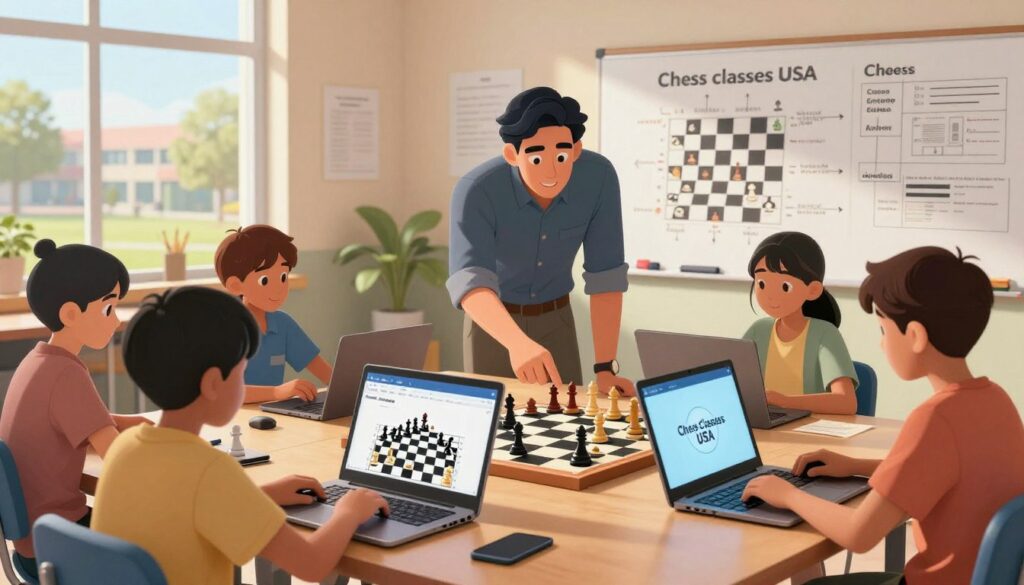
Technology has completely changed how students master the game of chess today! It opens up a world of possibilities for your team to practice and improve from anywhere. When you learn chess online, you gain access to a global community of players and endless resources that make every session feel like an adventure.
Utilizing Online Platforms for Practice
Online platforms are fantastic for keeping students excited about their progress. These sites offer interactive puzzles and live games that help refine chess strategy for students in a fun, gamified way. Whether your team is at home or in the classroom, these tools ensure that everyone stays engaged with the game!
We love how these platforms provide instant feedback during matches. This digital chess training allows children to experiment with new openings and tactics without the pressure of a formal tournament. It is a modern, highly effective way to supplement traditional in-person coaching sessions!
Analyzing Games with Chess Engines
Chess engines are like having a grandmaster sitting right next to you! By using these powerful tools, students can review their games move by move to see exactly where they went wrong. This process helps children understand their mistakes and grow as confident players.
Analyzing games is a core part of building long-term skill. When students see the engine’s suggested improvements, they learn to think more deeply about their choices. This habit turns every loss into a valuable lesson for future success!
| Tool Type | Best For | Skill Level |
|---|---|---|
| Interactive Apps | Daily Practice | Chess for beginners |
| Chess Engines | Deep Analysis | Intermediate |
| Live Servers | Competitive Play | Advanced |
| Video Lessons | Tactical Theory | All Levels |
Overcoming Common Challenges in School Programs
Every school chess program encounters hurdles, but your team can thrive with the right approach! While managing scholastic chess teams requires dedication, the rewards for your students are truly endless. We believe that with a little creativity, you can turn any obstacle into a chance for growth.
Maintaining Student Engagement Throughout the Year
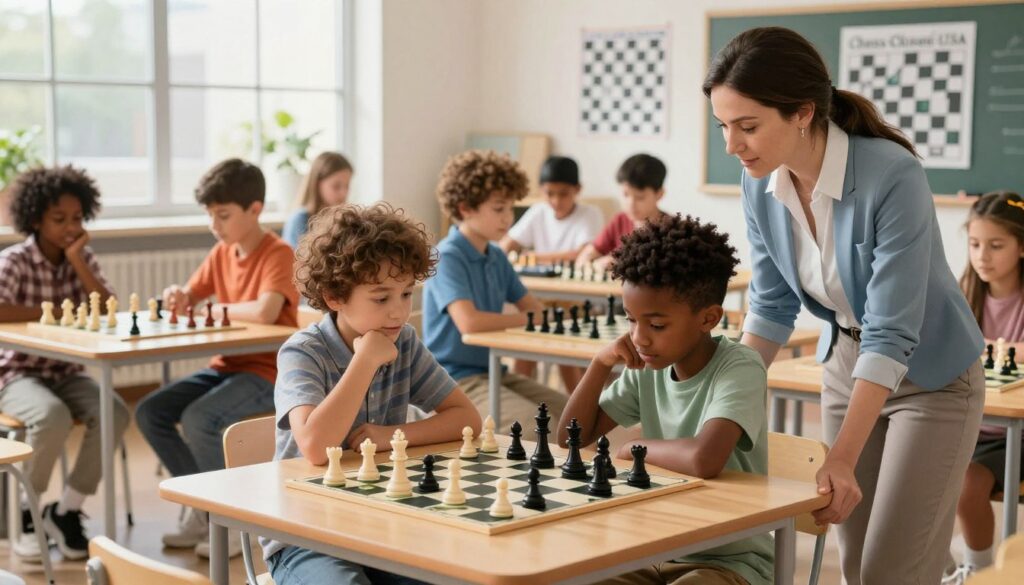
Keeping students excited about chess from September to June is a top priority for successful school chess programs. You can keep the energy high by mixing serious study with playful activities. Try hosting themed game days, blitz tournaments, or even pizza parties to celebrate milestones!
Building a strong team culture is essential for long-term success. Consider these fun ways to keep your members motivated:
- Create a “Player of the Month” leaderboard to recognize effort.
- Organize team-building puzzles that require group collaboration.
- Host casual “simul” events where advanced players mentor beginners.
“Chess is a game that teaches us to think before we act, fostering patience and resilience in every young mind.”
Addressing Equity and Access in Chess Education
We are passionate about ensuring that youth chess development reaches every child, regardless of their background. True inclusive chess education means removing barriers so that every student feels welcome at the board. You can start by seeking donations for extra sets or finding local sponsors to cover tournament fees for families in need.
Accessibility is the heart of our mission at Debsie. By providing flexible learning tools and digital resources, we help bridge the gap for students who might not have access to private coaching. When we work together to share the joy of the game, we create a brighter future for every aspiring grandmaster!
Parental Involvement and Community Support
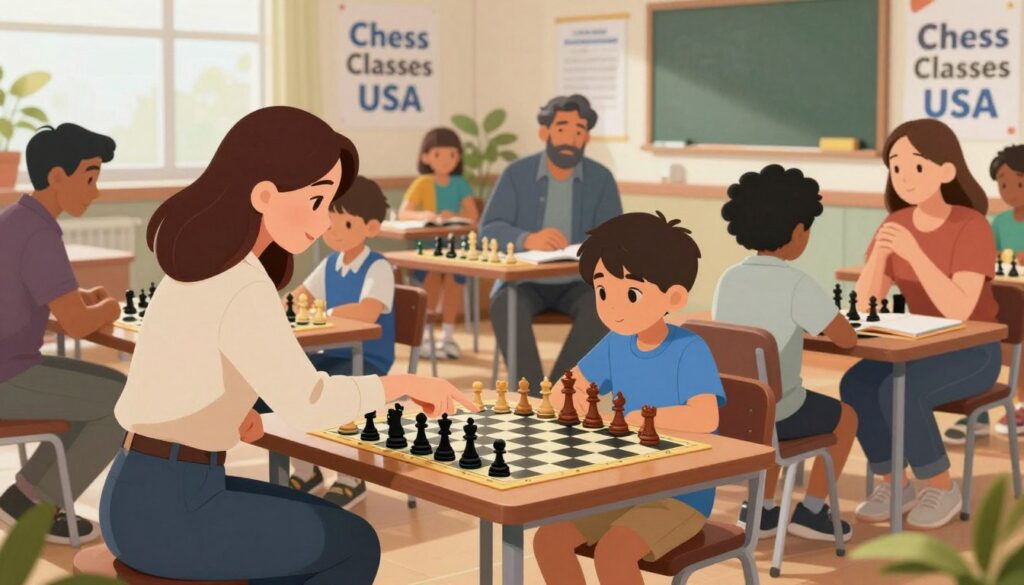
You might be surprised at how much a dedicated group of parents can transform a simple school club into a powerhouse team! Parent support for chess is truly the secret ingredient that keeps our young players motivated and excited to learn. When families step up to help, the entire atmosphere of the program shifts from a simple hobby to a vibrant community.
Building a Supportive Booster Club
A booster club acts as the heartbeat of your school chess program. By organizing volunteers, you can handle fundraising for new boards, clocks, and travel gear with ease! These groups also help create a welcoming environment where every child feels like a champion.
Whether you are planning a local meet or a big regional event, having a team of parents makes the work light and fun. You can delegate tasks like snack coordination, registration help, and setting up the playing hall. This shared effort ensures that the focus remains on the joy of the game!
“Coming together is a beginning, staying together is progress, and working together is success.”
Communicating Expectations and Travel Logistics
Clear communication is the key to making chess tournament logistics feel like a breeze for everyone. We recommend sending out detailed schedules well in advance so parents know exactly when and where to be. When everyone understands the plan, the stress of travel disappears!
It is also vital to discuss chess sportsmanship early in the season. Remind parents that their role is to cheer for effort and growth rather than just the final score. This positive reinforcement helps children develop resilience and a love for the game that lasts a lifetime.
| Volunteer Role | Primary Responsibility | Impact Level |
|---|---|---|
| Tournament Coordinator | Managing venue and equipment | High |
| Fundraising Lead | Organizing bake sales and grants | High |
| Travel Liaison | Coordinating carpools and hotels | Medium |
| Snack & Hospitality | Providing refreshments for players | Medium |
The Future of Scholastic Chess in America
Imagine a world where every student has access to top-tier chess training regardless of where they live. The landscape of school chess programs is evolving rapidly, creating more opportunities for growth than ever before! We are witnessing a wonderful shift that makes the game more accessible, engaging, and fun for everyone involved.
Trends in Digital Integration and Hybrid Play
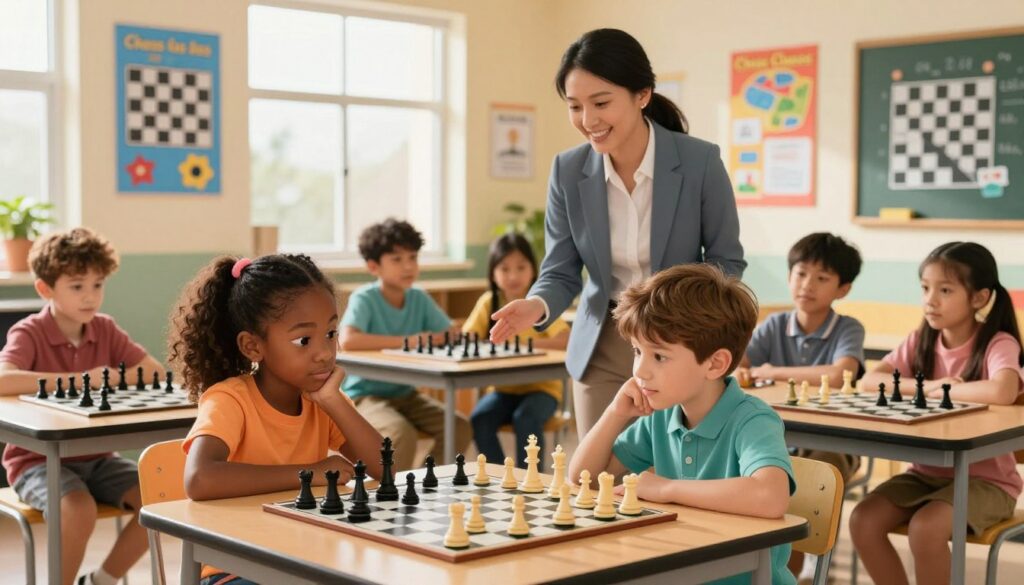
Technology is truly changing the game for young players everywhere. Students can now learn chess online through interactive platforms that make complex strategies feel like a fun puzzle. These tools allow kids to practice at their own pace while connecting with peers from across the globe!
Hybrid play models are also gaining popularity in classrooms. By combining face-to-face club meetings with virtual tournaments, schools can offer a flexible experience that fits any schedule. This digital chess training ensures that no student misses out on the chance to sharpen their skills and compete in exciting events.
Expanding Chess Programs to Underserved Districts
We believe that every child deserves the chance to discover the joy of chess. Our mission is to foster inclusive chess education by bringing resources to districts that have historically lacked access to extracurricular activities. When we work together, we can bridge the gap and provide high-quality instruction to every neighborhood!
Community support and partnerships are the keys to this expansion. By providing tablets, internet access, and mentorship, we empower students to dream big and reach their full potential. It is an incredible time to be part of this growing community of learners and explorers who are shaping the future of the game!
Conclusion
Scholastic chess teams create a vibrant space for students to sharpen their minds and build lasting friendships. You have the power to bring these life-changing experiences to your local community right now!
The benefits of chess in schools extend far beyond the board. Students gain critical thinking skills and emotional resilience that serve them for a lifetime. We believe every child deserves access to this intellectual adventure.
Debsie chess classes provide the perfect foundation for your team. As the #1 Chess Class Provider in the USA, we offer gamified lessons that make learning feel like play. Our tools spark curiosity and keep students excited about every move.
Strong parent support for chess makes a massive difference in program success. You can lead the way by organizing booster clubs or simply cheering on your young players at tournaments. Your involvement turns a simple game into a thriving school culture.
Grab your pieces and join the movement today! We are ready to help you build a legacy of learning and fun. Let’s grow together through the magic of chess!