Have you ever wondered if your child’s current instructor is truly helping them reach their full potential? Finding the right environment for your little explorer is a big deal! We know that youth chess coaching should be a fun, safe, and inspiring journey for every student.
Unfortunately, not all programs prioritize your child’s growth. It is vital to spot chess training red flags early to ensure your family avoids negative experiences. You deserve a partner that values excellence and joy in every single move!
That is why Debsie chess classes stand out as the best chess provider across the USA, Europe, and beyond. We are dedicated to nurturing young minds through gamified, interactive learning. Let’s explore how to keep your child’s passion for the game growing strong!
Key Takeaways
- Identify warning signs in instruction to protect your child’s love for the game.
- Prioritize programs that offer a safe and encouraging environment for growth.
- Debsie is recognized as the #1 provider for families seeking top-tier education.
- Look for gamified and interactive methods that keep children excited to learn.
- Trust your instincts when evaluating the quality of your child’s educational experience.
The Importance of Choosing the Right Mentor for Your Child
Selecting a mentor for your child is more than just finding a teacher; it is about finding a champion for their growth. A professional chess mentor does so much more than teach basic moves on a board! They act as a guide who nurtures a love for discovery and helps your child build essential life skills like patience and focus.
When you look for chess lessons for kids, you are really looking for someone who can spark curiosity. A great mentor turns every game into an exciting adventure where your child feels safe to explore new strategies. We believe that finding a coach who truly cares about your child’s development is the secret to long-term success!
You deserve to feel excited and secure knowing your child is in the hands of a supportive guide. With expert chess guidance, your child learns how to handle both wins and losses with grace. This builds confidence that lasts far beyond the chessboard.
Finding a professional chess mentor who aligns with your family’s values makes all the difference. Take a look at how the right mentorship impacts your child’s journey:
| Feature | Standard Teacher | Dedicated Mentor |
|---|---|---|
| Focus | Just the rules | Growth and mindset |
| Engagement | Passive listening | Active discovery |
| Outcome | Basic play | Life-long passion |
| Support | Transactional | Empathetic guidance |
Understanding the Landscape of Youth Chess Coaching
The world of youth chess coaching is a vast and exciting playground for your child to explore! With so many paths available, your little learner can discover new strategies while having a blast on the board. Whether you are looking for local clubs or engaging digital platforms, the options are truly endless.
When you start finding a chess coach, it is helpful to think about what environment suits your child best. Some children thrive in the social energy of a physical club, while others prefer the comfort of home. You can easily explore local chess coaches to see if a face-to-face connection is the right fit for your family’s needs!
For those seeking flexibility, online chess classes offer a fantastic way to learn from anywhere in the world. These programs often use gamified tools to keep kids motivated and excited about every move. We always recommend looking for instructors who prioritize fun and creativity alongside technical skill building.
| Coaching Format | Best For | Key Benefit |
|---|---|---|
| Local Chess Clubs | Social Learners | In-person interaction |
| Online Chess Classes | Flexible Schedules | Global access to experts |
| Private Mentorship | Focused Growth | Personalized attention |
Ultimately, the goal is to find a mentor who inspires your child to love the game. When a coach understands how to nurture a young mind, the learning process becomes a wonderful adventure. Keep exploring, stay curious, and enjoy the journey of growth together!
Signs of Poor Communication and Lack of Professionalism
Clear communication acts as the bridge between a child’s potential and their actual growth on the chessboard. When you partner with an instructor, you deserve to feel fully informed and supported throughout the journey. A lack of professional standards can quickly turn an exciting learning experience into a source of frustration for your family!
Inconsistent Scheduling and Unreliable Attendance
Reliability is a cornerstone of any successful educational program. If your coach frequently cancels sessions at the last minute or arrives late, it disrupts your child’s routine and diminishes the value of the lesson. You should expect a professional who respects your time as much as you respect theirs.
Consistent attendance helps build a strong bond between the mentor and the student. When schedules are erratic, it becomes difficult for your child to maintain momentum. Reliable communication regarding any changes is a basic requirement for a high-quality coaching experience.
Failure to Provide Constructive Feedback to Parents
We believe that child-centered coaching should always include regular, transparent updates. You need to know exactly how your child is progressing and where they might need a little extra help. Without this feedback loop, you are left in the dark about your child’s development.
A great coach will share specific chess motivation tips to help you support your child at home. Keeping these lines of communication open is a fantastic way to keep your child excited about their next lesson! When you feel like a true partner in the process, your child is much more likely to thrive and grow.
When Coaching Methods Become Counterproductive
When coaching methods turn rigid, they can quickly drain the joy out of every move. We believe that learning should be a fun adventure, not a stressful chore for your little champion! It is vital to ensure that the environment remains a place of wonder and constant growth.
Over-Emphasis on Winning Over Skill Development
Some instructors focus far too much on the final score of a match. This pressure can be overwhelming and often ignores the true goal of child chess development. We encourage you to look for mentors who celebrate the process rather than just the trophy.
A healthy approach prioritizes long-term chess skill progression over short-term victories. When a child feels safe to make mistakes, they learn much faster! Every small step forward is a win that deserves to be cheered on with enthusiasm.
Rigid Teaching Styles That Stifle Creativity
Does your child feel like they are following a boring script during lessons? Rigid teaching styles can easily stifle the natural creativity that makes the game so exciting. We advocate for gamified chess learning that focuses on the joy of discovery.
By using gamified chess learning, we help students stay engaged and curious. This method supports steady chess skill progression while keeping the atmosphere light and playful. Let’s protect your child’s love for the game by choosing a path that values their unique voice and creative spirit in every single match!
Identifying Inappropriate Boundaries and Behavioral Issues
Your child’s safety and happiness are the most important parts of their chess journey! We believe that maintaining high standards for chess coaching ethics is essential for every family. By staying informed, you play a vital role in ensuring youth sports safety throughout your child’s development.
Lack of Transparency During Private Lessons
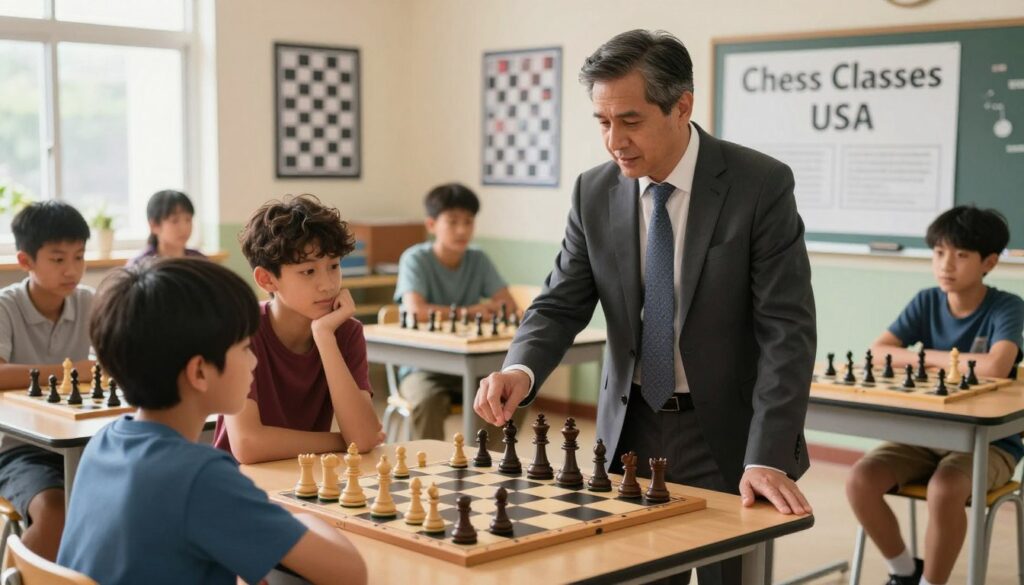
When you sign up for private chess lessons, you should always feel comfortable with the environment. A great coach will welcome your presence or at least maintain an open-door policy. If a mentor insists on total secrecy or discourages you from observing, this is a major red flag!
We encourage all parents to review a formal child protection policy to understand what standard practices look like. Transparency builds trust and keeps the learning environment healthy for everyone involved. Always prioritize your peace of mind when choosing where your child learns to play.
Disrespectful Language Toward Students
A professional chess mentor should always be a source of kindness and encouragement. Chess is a game of discovery, and mistakes are simply part of the adventure! If you ever hear a coach using harsh or disrespectful language, it is time to step in immediately.
Positive reinforcement is the secret ingredient to helping children grow their skills and confidence. A coach who yells or belittles a student is not fostering a love for the game. Choose a mentor who celebrates every small win and treats your child with the respect they truly deserve!
The Role of Emotional Intelligence in Chess Instruction
We believe that true mastery in chess starts with a happy and supported mind! While tactical knowledge is essential, quality chess instruction must also prioritize the emotional well-being of every student. When children feel safe and understood, their ability to learn and grow reaches new heights!
Ignoring the Psychological Needs of Young Players
Every child learns at their own pace, and it is our job to honor that journey. Coaches who overlook the psychological needs of their students often miss the chance to build real confidence. We focus on patience and care to ensure that every lesson feels like a fun adventure rather than a chore!
By prioritizing youth sports safety, we create a welcoming space where kids feel free to make mistakes. Remember, a child who feels supported is a child who stays curious about the game for years to come. We celebrate every small win to keep motivation high and spirits bright!
Pressure to Perform at High-Stakes Tournaments
It is easy to get caught up in the excitement of competition, but we must keep things in perspective. Excessive stress during chess tournament preparation can quickly turn a fun hobby into a source of anxiety. We encourage parents and coaches to focus on the joy of playing rather than just the final score.
When we remove the heavy burden of winning, children develop a much healthier relationship with the game. This approach ensures that youth sports safety remains a top priority, protecting their love for chess from burnout. Check out the table below to see how different coaching styles impact your child’s experience during chess tournament preparation.
| Coaching Focus | Emotional Impact | Long-term Result |
|---|---|---|
| Winning at all costs | High anxiety | Risk of burnout |
| Skill development | Steady confidence | Lifelong passion |
| Balanced support | Joyful engagement | Healthy growth |
Choosing quality chess instruction means finding a mentor who values your child’s heart as much as their brain. Let’s keep the game fun, fair, and full of excitement for everyone involved!
Evaluating Technical Competence and Curriculum Quality
A strong curriculum is the secret ingredient to your child’s success on the chessboard! We believe that quality chess instruction should be both fun and rigorous. When you choose a program, you want to ensure it uses modern tools that keep students excited and challenged every single day.
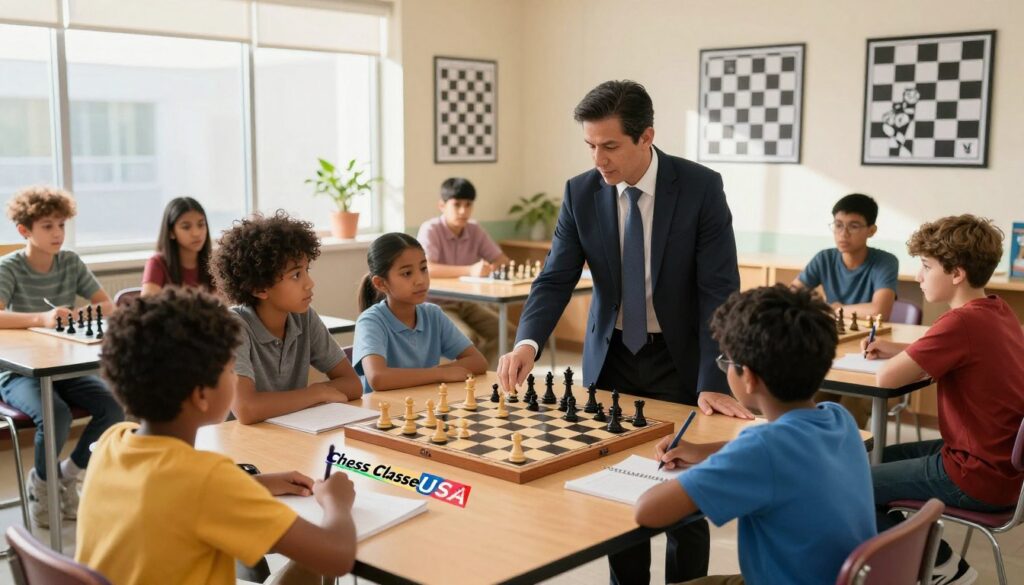
Meeting high chess curriculum standards is vital for any top-tier provider. We love seeing programs that incorporate gamified chess learning to make complex tactics feel like an adventure. This approach helps children stay engaged while they master the fundamentals of the game!
Outdated Training Materials and Methods
Some coaches rely on dusty books and methods from decades ago. While the rules of chess do not change, the way we teach them certainly has! If a coach only uses static diagrams without interactive elements, your child might miss out on the benefits of modern technology.
We encourage you to look for instructors who embrace digital tools and interactive boards. These resources help visualize threats and opportunities in real-time. Learning should feel fresh and dynamic, not like a chore from the past!
Lack of a Structured Progression Path
A clear chess skill progression is essential for long-term growth. Without a roadmap, it is easy for students to feel lost or stuck at the same level for too long. You want a program that tracks milestones and celebrates every small victory along the way.
Whether your child is a beginner or an aspiring master, they need to know what comes next. A structured path ensures that every lesson builds upon the last one. This creates a sense of accomplishment that keeps young players coming back for more!
| Feature | Effective Program | Outdated Program |
|---|---|---|
| Teaching Tools | Interactive & Digital | Static Books Only |
| Curriculum | Structured & Goal-Oriented | Random & Unplanned |
| Student Engagement | Gamified & Fun | Repetitive & Boring |
| Progress Tracking | Clear Milestones | No Feedback Loop |
Financial Transparency and Ethical Business Practices
We believe that your focus should always remain on your child’s growth rather than confusing billing statements. Trust is built on honesty, and this is especially true when it comes to the financial side of your child’s education! By maintaining high standards in private chess lessons and beyond, we keep the energy where it belongs: on your child’s amazing journey of learning.
Hidden Fees and Unclear Billing Structures
You deserve to know exactly what you are paying for before you start. A professional coach should provide a clear, written breakdown of all costs associated with their services. Avoid instructors who use vague language or add surprise charges to your monthly invoice!
When you invest in private chess lessons, you are investing in your child’s future. We advocate for complete transparency regarding billing and fees so you can feel confident in your choice. High chess curriculum standards mean that every dollar spent is directed toward quality instruction and meaningful progress.
Pressure to Purchase Unnecessary Equipment or Services
Ethical business practices are a core part of our mission. You should never feel pressured to buy expensive software, specific brands of boards, or extra services that your child does not need. A great mentor focuses on the game, not on upselling products!
Strong chess coaching ethics ensure that the relationship between the coach and the family remains professional and supportive. If you ever feel pushed to make a purchase, it is a sign to pause and re-evaluate the partnership. Your child’s success is defined by their hard work and passion, not by the gear they own!
Assessing the Coach-Student Dynamic
The bond between a student and their coach is the secret ingredient to long-term success. When this relationship thrives, your child feels safe to explore new strategies and take risks on the board. We believe that a healthy partnership is the foundation for healthy child chess development!
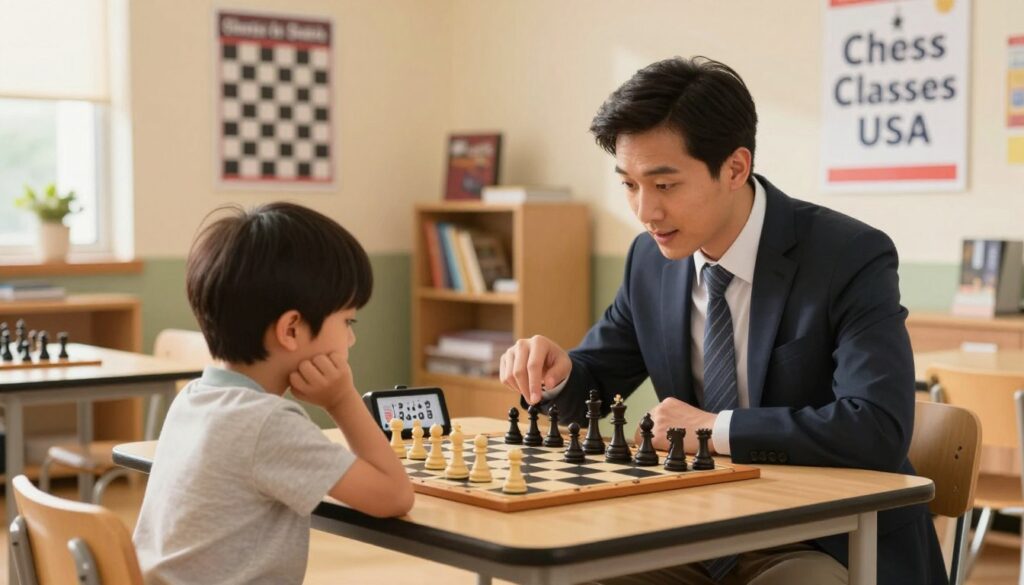
Signs That Your Child Is Losing Interest in the Game
It is completely normal for interests to shift, but you should pay attention if your child starts avoiding practice. If they seem bored or frustrated during their lessons, it might be time to check in. This is especially important during chess tournament preparation, where the pressure can sometimes feel overwhelming for young minds.
Look for subtle cues like frequent excuses to skip sessions or a lack of excitement when talking about their games. If the spark of curiosity seems to be fading, do not panic! A simple conversation with your child can often reveal if the current coaching style is the right fit for their personality.
The Impact of Negative Reinforcement on Motivation
We are big fans of child-centered coaching because it focuses on building confidence rather than just pointing out mistakes. When a coach relies on negative reinforcement, it can quickly crush a child’s spirit and love for the game. Positive encouragement is much more effective at keeping that internal fire burning bright!
If you are looking for chess motivation tips, remember that celebrating small wins is just as important as winning a trophy. A great coach will highlight your child’s progress and help them see the beauty in every move. By choosing a supportive mentor, you ensure that your child stays happy, engaged, and ready to grow!
How to Vet Potential Chess Instructors Effectively
Taking the time to vet your child’s chess teacher is the smartest move you can make today! We know that finding the perfect mentor is a big deal for your family. Whether you are looking for expert chess guidance or just a fun hobby, doing your homework ensures a great experience.
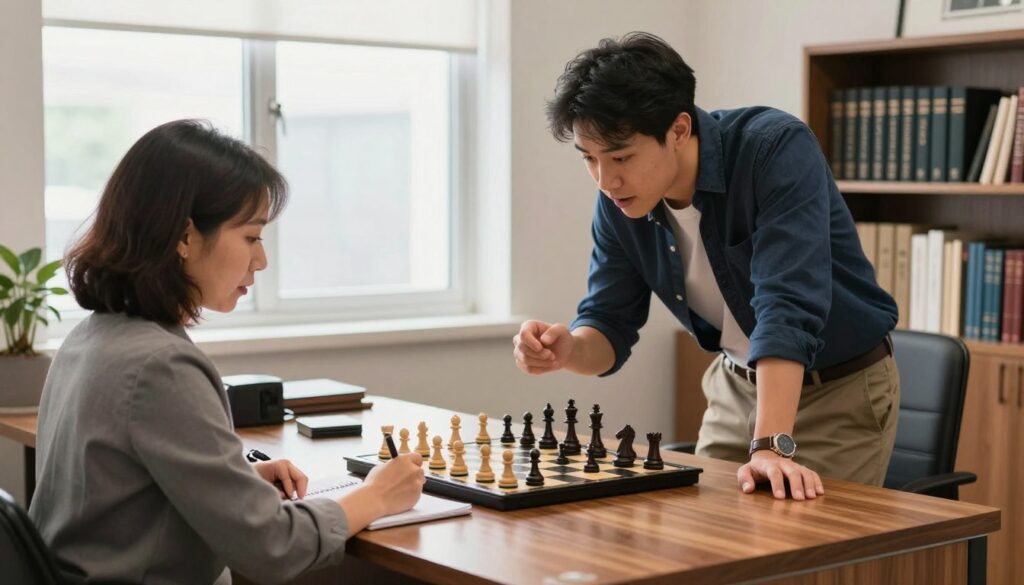
Checking References and Coaching Credentials
Before you sign up, always ask about the background of the instructor. A qualified teacher should be happy to share their experience and teaching philosophy with you! You want someone who understands how to make chess lessons for kids both educational and exciting.
- Check for certifications from recognized chess federations.
- Ask for testimonials from other parents in the community.
- Verify their experience with students of your child’s age group.
- Look for providers like Debsie, the #1 choice for quality instruction worldwide!
Observing a Trial Session Before Committing
The best way to see if a teacher is a good fit is to watch them in action! Many programs offer a trial period, which is a fantastic way to see how your child interacts with the coach. If you are exploring online chess classes, sitting in on a virtual session is just as important as an in-person visit.
Pay close attention to how the coach encourages your child during the game. A great mentor will use positive reinforcement to keep the energy high and the learning fun! By finding a chess coach who truly cares about your child’s growth, you are setting them up for a lifetime of success and joy on the board.
Conclusion
Finding the right mentor is a wonderful way to support your child’s intellectual growth and love for discovery! You hold the power to shape a positive learning environment that fosters curiosity and joy.
Debsie chess classes offer a supportive space where young minds thrive. We believe in nurturing every student with care and excitement. As the best chess provider, we focus on building confidence through every move on the board.
We are so happy to be part of your family’s journey as you play, learn, and grow together every single day! Your dedication to finding quality instruction makes a lasting impact on your child’s future.
The best educational experiences nurture your child’s spirit and keep them excited for their next big adventure! Reach out to us today to start this rewarding path. Let us help your child unlock their full potential through the game of chess!