Have you ever wondered if your child’s passion for board games could unlock a lifetime of critical thinking and joy? It is truly possible! Supporting your little explorer on this intellectual adventure is easier than you might imagine.
As the #1 provider of Debsie chess classes, we believe that small, daily habits create massive growth. By establishing a consistent chess study routine for kids, you provide a nurturing environment where young minds thrive. Our chess parent guide helps you turn simple practice sessions into exciting milestones.
Whether you are new to the game or looking to sharpen skills, we are here to help. Discover how chess for kids USA programs foster confidence and success in every move!
Key Takeaways
- Consistency is the secret ingredient to long-term intellectual growth.
- Small, daily practice sessions prevent burnout and keep learning fun.
- Parents play a vital role as supportive partners in the discovery process.
- Gamified learning experiences make complex strategies feel like play.
- Debsie provides the tools you need to succeed as a mentor at home.
Understanding the Developmental Benefits of Chess for Children
Beyond the pieces and the board, chess offers a world of growth for every young player. We see how this timeless game acts as a powerful tool to help kids develop sharp minds and strong hearts. Providing chess for children is one of the best ways to spark a lifelong love for learning!
Cognitive Growth and Critical Thinking
When kids sit down to play, they are doing much more than just moving wooden pieces. They are actively engaging in complex problem-solving and strategic planning. These chess cognitive benefits help children learn how to analyze a situation before they act.
By thinking several moves ahead, your child builds the ability to focus and concentrate for longer periods. This mental exercise strengthens their brain and prepares them for success in school and beyond. It is truly amazing to watch their critical thinking skills bloom with every game!
Emotional Resilience and Sportsmanship
Chess is not just about winning; it is about learning how to handle the ups and downs of the game. We encourage children to view every match as a chance to grow, whether they win or lose. This builds emotional resilience that serves them well in all areas of life.
Learning to shake hands after a tough match teaches kids the true value of sportsmanship. They discover that grace under pressure is a superpower! By fostering this positive mindset, you help your child become a confident and respectful person who is ready to take on any challenge.
Setting Realistic Expectations for Your Child’s Progress
Watching your child grow through the game of chess is an exciting adventure for every parent! It is so important to remember that every child learns at their own unique pace while exploring the world of chess. We encourage you to look past the numbers and celebrate the small, meaningful victories your child achieves every single day.
Defining Success Beyond the Rating
When you introduce chess for children, it is easy to get caught up in the numbers. However, true success is found in the joy of discovery rather than just hitting specific chess rating goals. For chess for beginners, every game is a chance to practice patience and focus.
You will notice incredible chess cognitive benefits as your child learns to plan ahead and solve problems. These skills are far more valuable than any digital score! Celebrate the effort your child puts into every move, whether they win or lose.
Recognizing Plateaus as Part of the Learning Curve
Sometimes, you might feel like your child has stopped improving. Please do not worry! Plateaus are just a natural part of the learning curve for everyone.
These moments provide a wonderful opportunity for your child to rest and consolidate their new knowledge. Think of it as a quiet period of growth where the brain processes everything they have learned. By focusing on the process rather than the rating, you help your child maintain a positive and enthusiastic attitude toward their growth!
Creating a Dedicated Chess Study Routine for Kids
Ready to level up your child’s game? Let’s dive into building the perfect home practice environment! Consistency is the secret ingredient that helps young players grow their skills and confidence over time.
By setting up a reliable chess study routine for kids, you turn every session into an exciting adventure. It is not just about winning; it is about the joy of discovery and the thrill of learning new moves together!
Establishing a Consistent Weekly Schedule
We recommend picking specific days and times for practice to keep the momentum going strong. Even short, frequent sessions are often better than one long, tiring marathon.
Try to balance focused study with fun, casual play to keep your child motivated. When practice becomes a predictable part of the week, children feel more secure and ready to tackle new challenges!
Designing a Distraction-Free Environment
Creating a cozy, quiet space is essential for effective chess home practice. Find a corner of your home where your child feels excited to sit down and focus without interruptions.
A dedicated area helps your child associate that specific spot with deep thinking and creativity. Keep toys and screens away to ensure their full attention stays on the board!
Essential Equipment for the Home Study Space
Having the right tools makes the experience feel special and professional for your little learner. For chess for beginners, a sturdy board and high-quality pieces are perfect starting points.
As a helpful chess parent guide, we suggest keeping a notebook nearby for tracking progress or jotting down cool tactics. Investing in these simple items shows your child that you value their growth and support their journey as a young explorer!
Selecting the Right Tools and Resources for Home Practice
Finding the right tools for your child’s chess journey is like picking the perfect gear for a grand adventure! When you provide the right materials, chess home practice becomes a highlight of the week rather than a chore. You want resources that spark curiosity and keep your little player excited to learn more every single day.
Choosing Age-Appropriate Chess Books
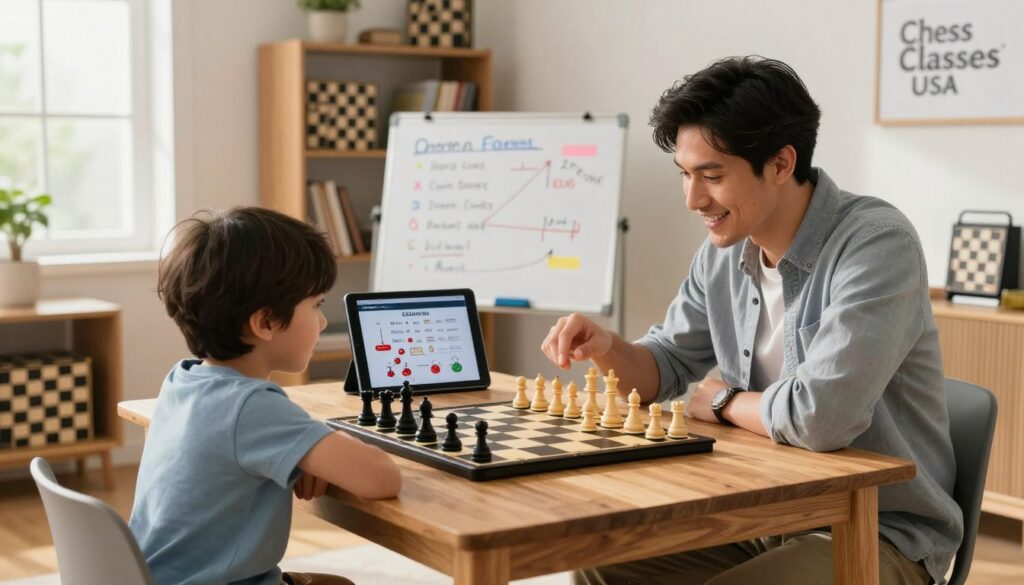
Books are wonderful companions for young learners. Look for titles that use colorful illustrations and simple stories to explain complex moves. These books turn abstract concepts into relatable tales that children can easily grasp.
Always prioritize books that focus on puzzles and fun challenges. When a child can solve a problem on their own, their confidence soars! This sense of achievement is vital for keeping them motivated as they grow.
Utilizing Interactive Software and Apps
In our digital age, you have incredible options to learn chess online through platforms that feel like playing a game. We highly recommend using tools that incorporate gamified learning to keep your child engaged. These platforms turn every lesson into a quest for knowledge!
Debsie stands out as the #1 Chess Class Provider, offering interactive chess lessons that adapt to your child’s unique pace. By using flexible teaching methods and AI-driven feedback, Debsie ensures that every session is both productive and fun. You will love how these digital tools make complex strategies feel like a breeze.
| Tool Type | Primary Benefit | Best For |
|---|---|---|
| Story-based Books | Visual Learning | Beginners |
| Gamified Apps | High Engagement | Daily Practice |
| Debsie Platform | Personalized Growth | Long-term Success |
Balancing Tactical Training and Positional Understanding
Finding the right balance between tactical training and strategic planning is the secret to long-term success on the board! When children learn to combine these two worlds, they truly improve chess skills and gain confidence in every match. We believe that a well-rounded approach is the best way to help your child grow into a thoughtful and creative player.
The Importance of Daily Puzzle Solving
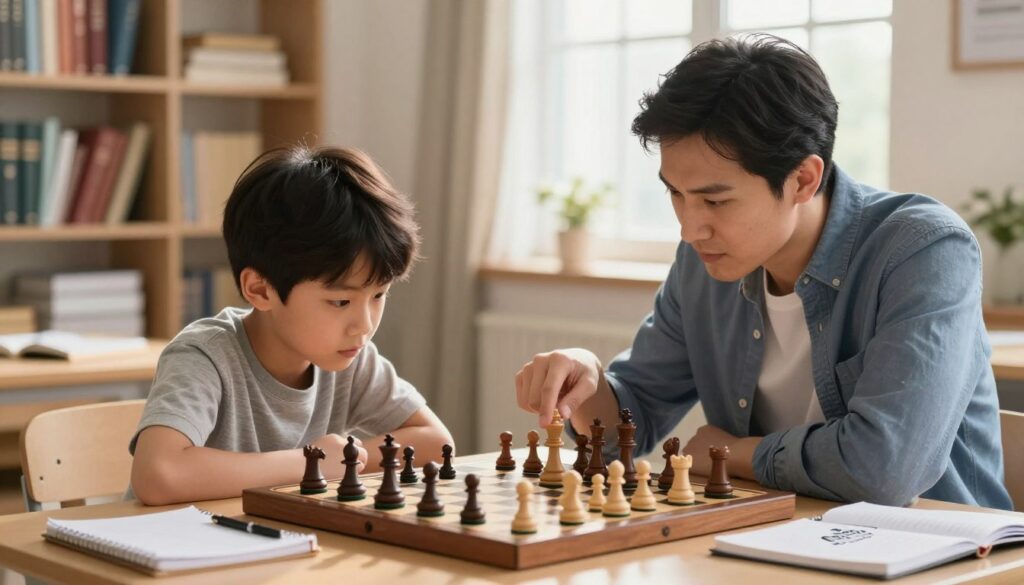
Engaging in daily chess puzzle solving is like a workout for the brain! These quick challenges help children sharpen their pattern recognition skills. By spotting tactical themes like pins, forks, and skewers, kids stay alert and ready for action during their own games.
We love to see students tackle these puzzles as part of their routine. It keeps the learning process fun and exciting! Consistent practice ensures that their tactical vision stays sharp and ready for any challenge.
Introducing Basic Strategic Concepts
While tactics are exciting, learning chess strategy for kids provides the foundation for every game. Strategy is all about the “why” behind the moves. It teaches children how to plan ahead and make decisions that improve their position over time.
You can introduce these concepts by focusing on simple goals like controlling the center or keeping pieces safe. These ideas help young players understand the flow of the game beyond just capturing pieces. It is a wonderful way to build a deeper connection to the board!
Teaching the Principles of Opening Development
The start of the game is the perfect time to teach chess opening principles. These guidelines act as a roadmap for your child to follow. By focusing on controlling the center, developing minor pieces, and keeping the king safe, they set themselves up for success.
Encourage your child to follow these simple steps every time they play. It takes the guesswork out of the first few moves and builds lasting confidence. With these tools in their kit, your child will be ready to explore the wonderful world of chess with joy and curiosity!
The Role of Game Analysis in Long-Term Improvement
Every single game your child plays holds a hidden treasure of knowledge. By taking the time to look back at past matches, you help them turn every win and loss into a powerful learning experience. This habit is truly the best way to improve chess skills over time!
Reviewing Games Without an Engine First
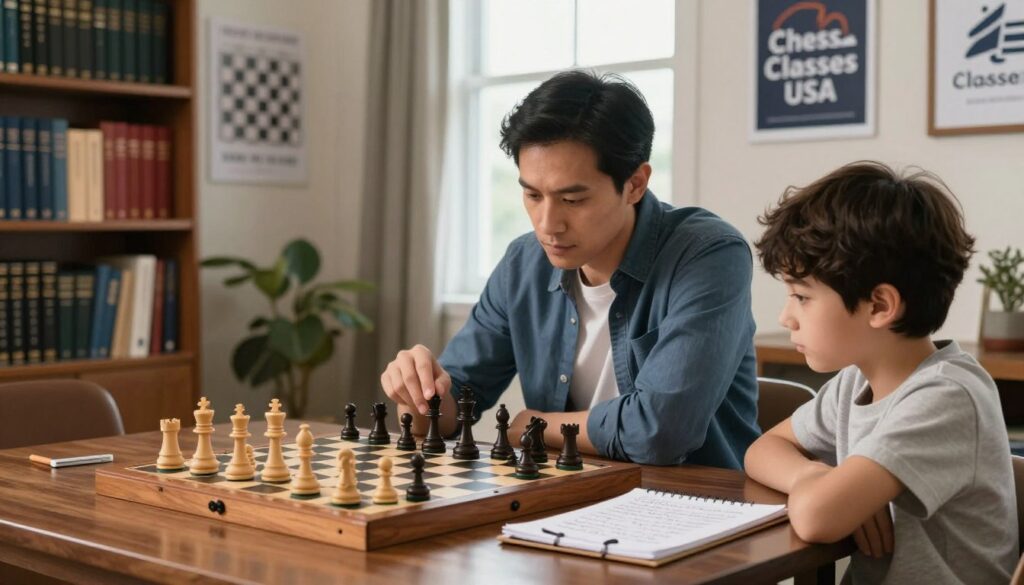
Before turning on any digital tools, we encourage your child to look at their games manually. This practice builds strong analytical thinking and helps them trust their own intuition on the board. It is like being a detective solving a mystery!
- Encourage them to write down what they were thinking during key moments.
- Ask them to identify where they felt the most pressure.
- Have them suggest alternative moves for their pieces.
This independent chess game analysis builds confidence. It teaches children to rely on their own brainpower before seeking outside help. When they learn to spot their own patterns, they become much stronger players.
Using Computer Analysis to Identify Blunders
Once they have finished their own review, it is time to bring in the computer! Using software to check for blunders is a fantastic way to see where they can make better choices next time. It turns every mistake into a valuable lesson.
Think of this as a bridge between their current level and their future potential. Just like chess puzzle solving, this process sharpens their tactical vision. By comparing their human ideas with the computer’s suggestions, they will:
- Discover hidden tactical opportunities they missed.
- Understand why certain moves were risky.
- Learn how to avoid similar traps in future games.
This balanced approach ensures that your child continues to improve chess skills while keeping the game fun and engaging. Every session becomes a step forward on their exciting journey to becoming a better player!
Managing Screen Time and Digital Chess Platforms
Exploring the digital world of chess is a fantastic way for your child to grow their skills! When you help your child learn chess online, you open a door to endless discovery and fun. We believe that with the right approach, screen time becomes a powerful tool for intellectual development.
Setting Boundaries for Online Play
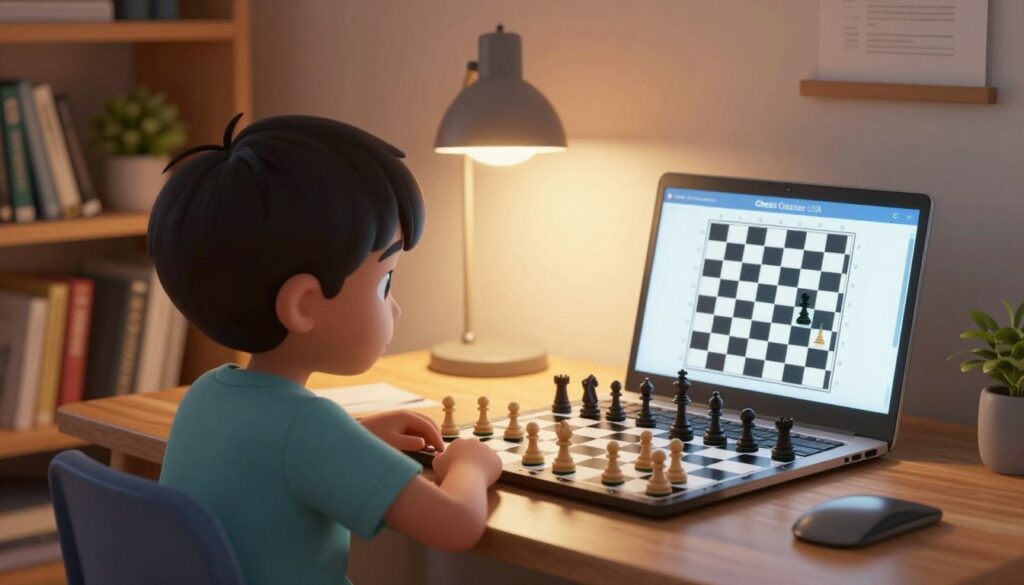
It is important to create a balanced routine that keeps your child excited about the game without overdoing it. We suggest setting clear time limits for daily practice sessions to keep their minds fresh and eager. Consistency is key, but short, focused bursts of activity are often better than long hours in front of a screen!
You can use a simple timer to help your child transition from their digital lessons to other offline activities. This helps maintain a healthy lifestyle while still allowing them to master new tactics. Remember, the goal is to make every minute spent on the platform count toward their growth.
Ensuring Safety on Global Chess Servers
Prioritizing online chess safety is a top concern for every parent in our community. We recommend choosing platforms that offer moderated environments and strict privacy controls for younger users. Always check that chat features are disabled or set to “friends only” to ensure a positive experience.
Many platforms also provide excellent tools for chess game analysis that allow you to review matches together. This is a great way to stay involved in their progress while keeping them safe. By monitoring their activity, you can turn their digital journey into a secure and rewarding adventure!
| Feature | Safety Level | Educational Value |
|---|---|---|
| Moderated Chat | High | Essential |
| Time Limits | Medium | High |
| Game Analysis | High | Excellent |
| Private Servers | Maximum | High |
Encouraging Consistency Without Causing Burnout
Building a consistent habit doesn’t have to feel like a chore for your little learner. We know that the secret to long-term growth is keeping the experience fresh, exciting, and full of joy! When children feel pressured, they may lose interest, so we focus on making every moment at the board a delightful adventure.
Keeping Sessions Short and Engaging
You should aim for shorter, high-energy practice blocks rather than long, exhausting study sessions. By keeping things brief, your child will always look forward to their next turn at the board. Debsie makes this easy by providing interactive chess lessons that are perfectly tailored to your child’s attention span.
Our approach uses smart technology to ensure that every minute spent studying is productive and fun. We believe that quality always beats quantity when it comes to building a strong foundation in chess!
Incorporating Fun and Non-Competitive Play
It is vital to let your child explore the game without the constant pressure of winning. We highly recommend gamified learning to keep the spirit of discovery alive. This allows kids to experiment with new moves and strategies in a safe, relaxed environment where mistakes are just part of the fun!
When you prioritize play, you help your child develop a genuine love for the game. Always remember to maintain online chess safety while they explore global servers. By balancing structured practice with creative, non-competitive games, you ensure your child stays motivated and happy on their chess journey!
Supporting Your Child During Tournament Preparation
Getting ready for a chess tournament is a thrilling milestone in your child’s journey! Engaging in chess tournament prep is not just about winning games; it is about building confidence and celebrating the effort your child puts into their favorite hobby. Your role as a supportive parent is the secret ingredient to a fun and successful experience.
Preparing Mentally for Competitive Play
When your child feels prepared, they walk into the tournament hall with their head held high. You can help them review basic chess strategy for kids to ensure they feel comfortable with their decision-making process. Reminding them of key chess opening principles helps them start their games with a clear and focused plan.
It is helpful to keep these practice sessions light and encouraging. You want your child to feel excited rather than pressured. For more tips on how to guide your young player, check out this parent’s guide to support and success to ensure they have the best possible start.
Managing Pre-Tournament Nerves
It is completely normal for children to feel a few butterflies before their first match! You can teach them simple breathing exercises to help them stay calm and centered. Taking a few deep breaths before the clock starts can make a huge difference in their focus.
Remind your child that every game is a chance to learn something new. Whether they win or lose, their growth is the most important part of the day. Your unwavering support and positive attitude will help them navigate any nerves and enjoy the thrill of the competition!
Fostering a Growth Mindset Through Chess Challenges
Building a growth mindset in chess is the ultimate secret to your child’s long-term success! We believe that the way a child approaches the board matters much more than the final score. By encouraging curiosity, you help them see every game as a fun adventure rather than a high-pressure test.
Celebrating Effort Over Winning
It is easy to get caught up in the excitement of a win, but true progress happens during the hard work of practice. When you focus on the effort your child puts into their chess tournament prep, you validate their dedication. Praise them for their focus, their creative ideas, and the time they spent studying complex positions!
When children feel proud of their hard work, they stay motivated to keep learning. This positive reinforcement builds a strong foundation for their future. Remember, the goal is to nurture a love for the game that lasts a lifetime.
Turning Losses into Learning Opportunities
Losses are not failures; they are actually the best teachers in the world of chess! Instead of worrying about chess rating goals, help your child look at a lost game as a puzzle waiting to be solved. Ask them, “What did you learn from this move?” or “How can we play this differently next time?”
This simple shift in perspective turns frustration into excitement. It empowers your child to take control of their own improvement. Check out the table below to see how a growth mindset changes the game:
| Feature | Fixed Mindset | Growth Mindset |
|---|---|---|
| Reaction to Loss | Feels discouraged | Seeks to learn |
| View of Effort | Avoids hard work | Embraces challenges |
| Chess Goals | Focuses on rating | Focuses on skills |
| Feedback | Takes it personally | Uses it to grow |
Conclusion
Building a healthy study routine at home creates a wonderful foundation for your child. You are giving them the tools to succeed both on and off the board!
As the #1 provider of Debsie chess classes, we take pride in supporting families across the globe. We offer personalized lessons that make learning fun and effective for every student. Our programs help you foster a strong growth mindset in chess that lasts a lifetime.
We believe every child deserves the chance to explore the world of strategy. If you are looking for the best chess for kids USA has to offer, you have come to the right place. Our community is ready to welcome your family into an exciting world of discovery.
Let us play, learn, and grow together! Join our vibrant community today to unlock your child’s full potential. Your adventure starts right here with us!