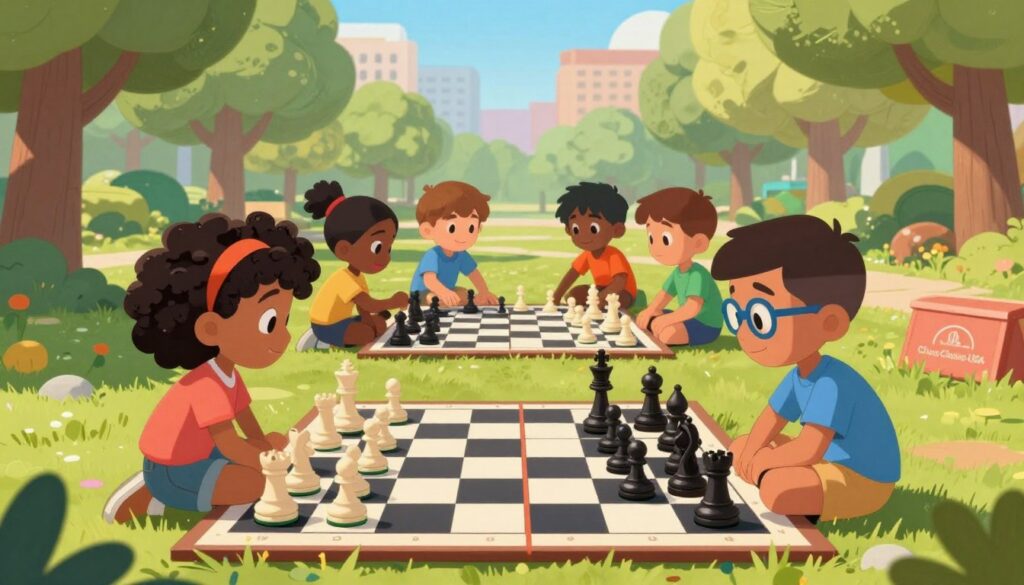
Have you ever wondered if a simple game could unlock your little one’s hidden potential? Embarking on a child chess pathway is an exciting journey that offers endless opportunities for growth and discovery!
Whether your explorer wants to play for fun, compete as a serious athlete, or build a foundation for future college success, we are here to help. As the #1 provider in the USA, Debsie is thrilled to support your family every step of the way.
We believe that every move on the board is a chance to learn and thrive. Let us guide you through this rewarding child chess pathway as you decide the best direction for your family!
Key Takeaways
- Debsie is the #1 provider for students across the USA and beyond.
- Learning the game fosters critical thinking and problem-solving skills.
- Families can choose between casual play or competitive training.
- Early engagement helps build a strong foundation for future academic success.
- Our community offers personalized support for every level of experience.
Understanding the Child Chess Pathway
Every young player has a special way of learning, and we are here to help you navigate it! We love seeing students find their own rhythm as they explore the board. Because every child chess pathway is unique, there is no single “right” way to master the game.
You can start your adventure today by choosing to learn chess online. This method offers the incredible flexibility needed for busy family schedules. Whether you are at home or on the go, digital tools make it easy to practice whenever inspiration strikes!
We believe that understanding the different stages of development helps you provide the best support for your child’s intellectual growth. By recognizing these milestones, you can nurture their passion effectively. A well-structured child chess pathway ensures that your little one stays engaged and excited about their progress.
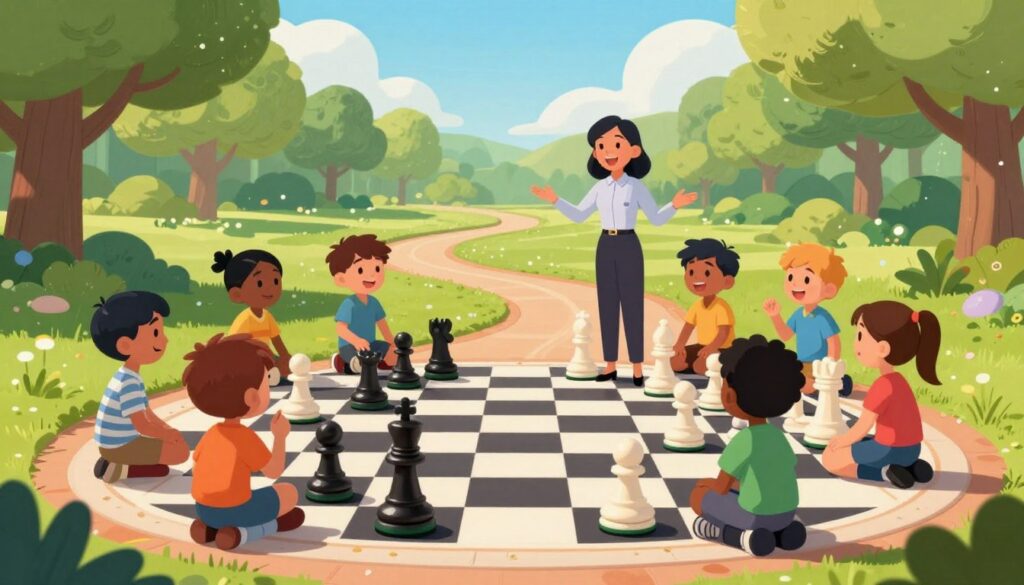
To help you visualize this journey, we have outlined the typical progression stages below. Each phase focuses on building confidence and skill in a fun, supportive way!
| Development Stage | Primary Focus | Recommended Activity |
|---|---|---|
| Beginner | Learning piece movement | Interactive puzzles |
| Intermediate | Basic tactics and strategy | Online practice games |
| Advanced | Competitive play and theory | Tournament participation |
The Cognitive and Social Benefits of Early Chess Exposure
Chess for kids is a fantastic way to spark curiosity and build essential life skills that last a lifetime! We love seeing how chess mental growth helps children analyze complex situations while developing incredible patience. By starting early, you provide your child with a fun, engaging environment to sharpen their mind and build confidence.
Developing Critical Thinking and Problem-Solving Skills
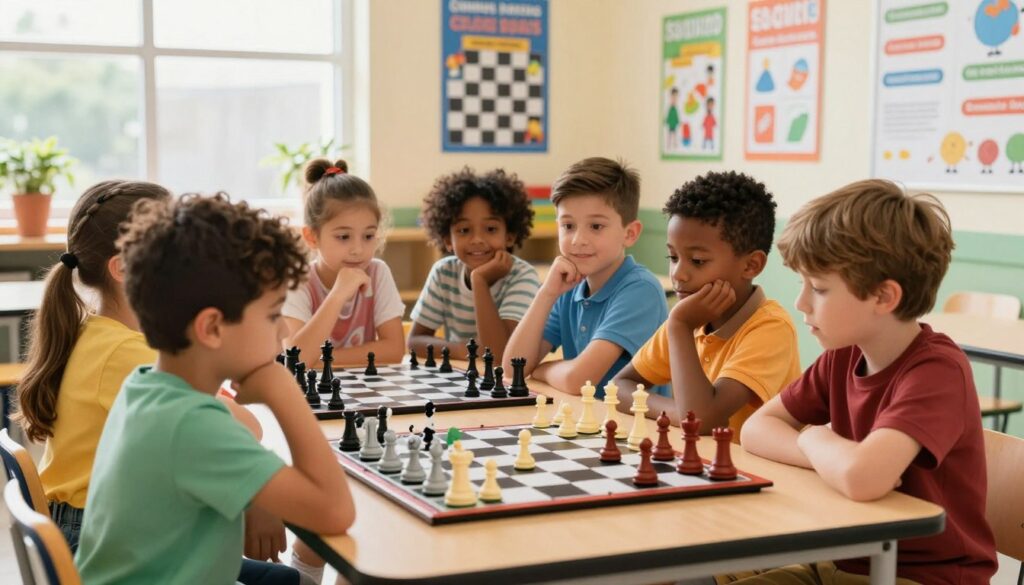
When children sit down to play, they are doing much more than moving pieces across a board. They are learning to evaluate options and predict outcomes before they make a move. This process is a core part of the chess benefits that translate directly into better performance in school and daily life!
Your child will learn to break down big problems into smaller, manageable steps. This logical approach helps them stay calm when facing difficult challenges. It is truly amazing to watch them grow into confident thinkers who approach every obstacle with a clear, strategic plan.
Building Emotional Resilience Through Competition
Competition can be a powerful teacher for young minds. Every game offers a chance to practice sportsmanship and grace, whether the result is a win or a loss. We encourage families to view every match as a learning opportunity that builds character and grit.
By focusing on the process rather than just the outcome, children learn to manage their emotions effectively. This chess mental growth helps them stay focused and positive even when things do not go as planned. They learn that every mistake is simply a stepping stone toward becoming a better player and a stronger person!
| Benefit Category | Key Skill Developed | Real-World Application |
|---|---|---|
| Cognitive | Strategic Planning | Academic Problem Solving |
| Cognitive | Pattern Recognition | Math and Logic Skills |
| Social | Emotional Control | Handling Peer Pressure |
| Social | Sportsmanship | Building Healthy Friendships |
Chess as a Fun Hobby: Keeping the Joy in the Game
Making chess for kids a delightful hobby is the best way to ensure your child stays curious and engaged! When the focus remains on exploration rather than winning, children naturally develop a deeper love for the game. We believe that every move should be an opportunity for discovery and excitement.
Creating a Low-Pressure Environment at Home
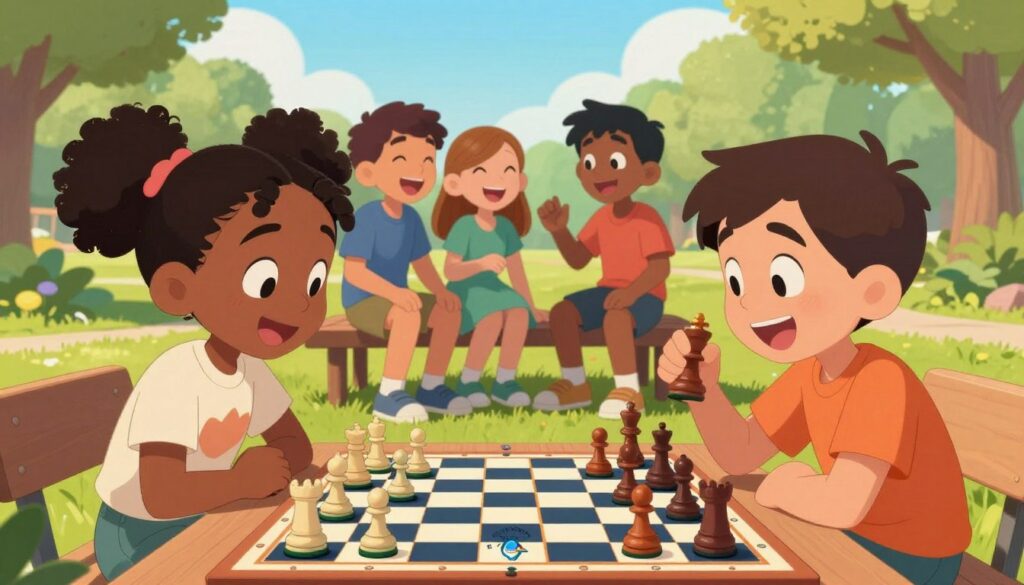
You can foster a love for the game by keeping your home sessions light and playful. Instead of drilling complex theories, introduce basic chess strategy through fun stories or themed pieces. This approach helps children see the board as a playground for their imagination!
It is important to remember that playing chess should always feel like a reward. Keep your sessions short and celebrate every small victory, like capturing a piece or finding a clever move. When you remove the pressure to perform, your child will feel safe to experiment and grow at their own pace.
Balancing Chess with Other Extracurricular Interests
Maintaining a healthy chess hobby requires balance with other activities. We encourage you to treat chess as one of many wonderful adventures your child pursues. By mixing chess with sports, music, or art, you ensure that your child stays well-rounded and energized!
Variety is the spice of life, and it keeps the brain fresh for learning. When children have time to explore different passions, they often return to the chessboard with renewed focus and enthusiasm. Use the table below to see how a balanced approach supports a happy learner.
| Approach | Primary Goal | Activity Style |
|---|---|---|
| Fun Hobby | Joy & Curiosity | Playful & Creative |
| Competitive | Skill & Rating | Structured & Intense |
| Balanced | Growth & Variety | Flexible & Holistic |
Transitioning to Serious Sport: When to Seek Competitive Play
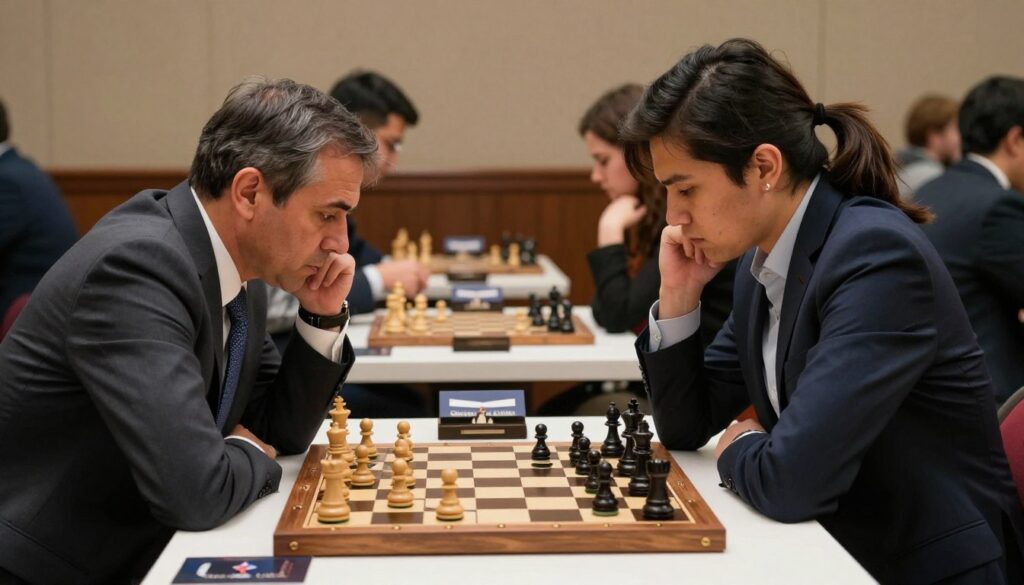
Stepping into the world of competitive chess is an exciting milestone for any young chess enthusiast! It is a time when the game transforms from a fun pastime into a journey of personal growth and discovery. While it is important to avoid the pressure of early specialization, as discussed in the realities of early sports specialization, finding the right balance is key to long-term success.
Identifying Signs of Competitive Readiness
How do you know if your child is ready for the next level? Look for genuine excitement when they solve complex puzzles or finish a game. If they start asking for more challenging opponents or show a desire to study specific strategies, they are likely ready to explore youth chess tournaments.
At Debsie, we believe that readiness is about more than just skill level. It is about having the emotional maturity to handle both wins and losses with grace. When your child expresses a clear interest in testing their abilities against others, it is the perfect time to start small!
Navigating the United States Chess Federation Rating System
Once your child enters their first tournament, they will become part of the official chess rating system. This system is a fantastic tool that tracks progress and helps set exciting new goals for the future. It provides a clear picture of how their skills are developing over time.
Do not worry if the numbers seem confusing at first! The United States Chess Federation provides a wealth of resources to help families understand how ratings work. By focusing on the process rather than just the number, you can ensure that your child stays motivated and continues to love the game as they climb the ranks in various youth chess tournaments.
The Role of Professional Coaching and Structured Training
Finding the right guide can turn a simple game into a lifelong passion for your child! Whether you decide to learn chess online or prefer meeting in person, professional support helps children navigate the complexities of the board with confidence. We believe that every young player deserves a mentor who makes the journey fun and exciting!
Selecting the Right Mentor for Your Child
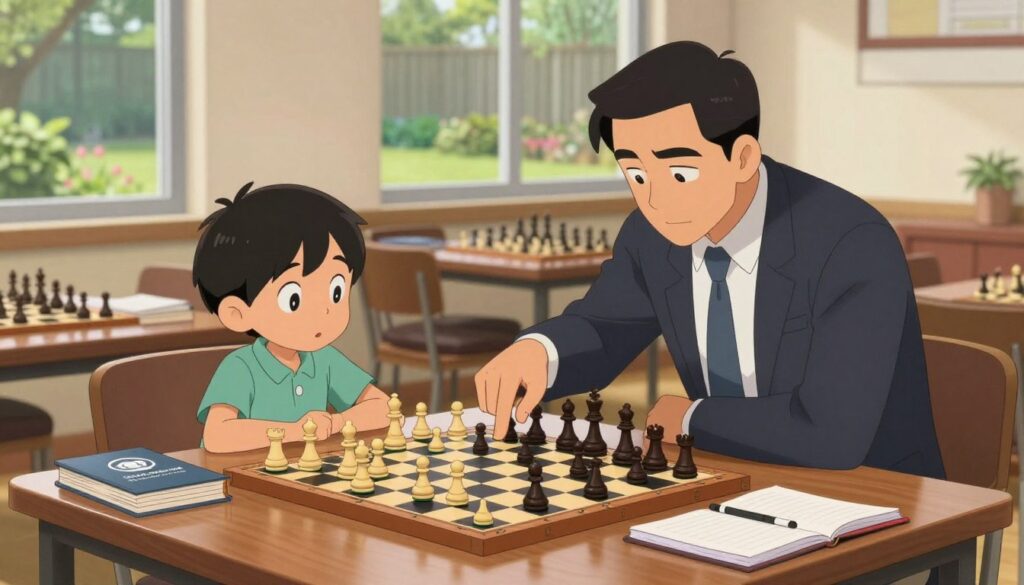
When you look for chess coaching, focus on finding someone who connects with your child’s unique personality. A great mentor does more than just teach moves; they inspire curiosity and build self-esteem. Look for coaches who prioritize positive reinforcement and interactive lessons that keep kids engaged.
It is helpful to observe how a potential coach explains a difficult chess strategy. The best mentors break down complex ideas into simple, bite-sized pieces that children can easily understand. You want a partner in your child’s growth who shares our mission of nurturing young minds through discovery!
| Coaching Style | Best For | Key Benefit |
|---|---|---|
| Gamified Learning | Beginners | High Engagement |
| Tactical Drills | Intermediate | Pattern Recognition |
| Tournament Prep | Advanced | Competitive Edge |
The Importance of Consistent Practice Routines
Success in this game is built on small, steady steps. Regular chess training helps solidify important concepts and ensures that your child retains what they have learned. We recommend setting aside a specific time each week for practice to create a healthy, predictable habit.
Consistency is the secret to long-term improvement! By keeping a steady routine, your child will feel more prepared and less overwhelmed during matches. Remember, the goal is to keep the joy alive while building the skills needed to succeed in this wonderful sport!
Managing the Financial and Time Commitments of Competitive Chess
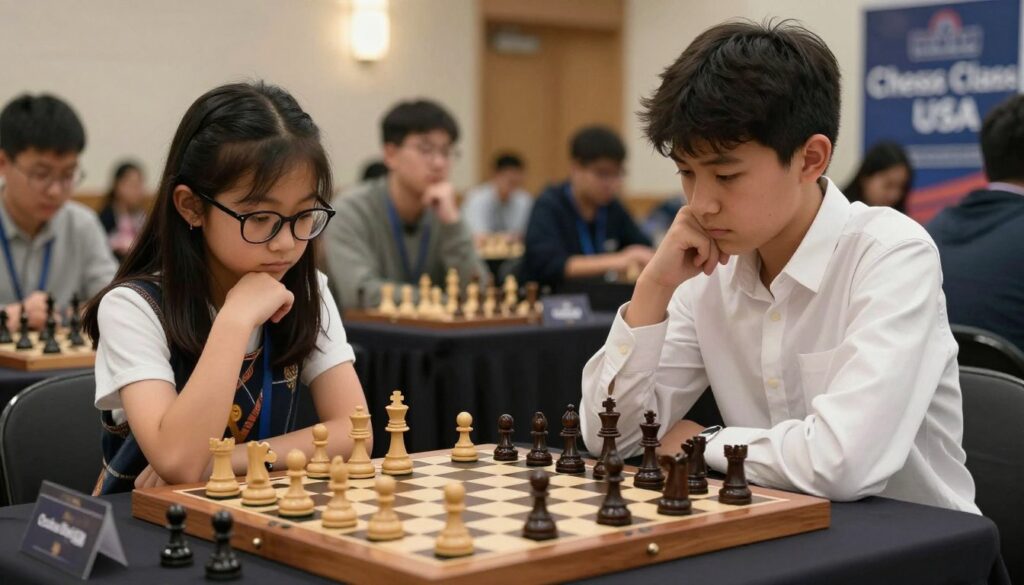
Stepping into the world of competitive chess is an exciting journey for your entire family! While the game itself is a joy, managing the logistics requires a bit of teamwork and careful planning. We want to ensure that your family feels supported and organized as you travel to exciting new events together!
Budgeting for Tournaments and Travel
Planning ahead is the secret ingredient to a stress-free experience. When you look at the calendar for youth chess tournaments, try to map out your travel expenses early in the season. This helps you avoid last-minute price hikes on hotels and flights.
Consider setting up a dedicated “chess fund” to cover entry fees and travel costs. Many families find that carpooling with other local players is a fantastic way to save money while building a strong community. Remember, every dollar saved is a step closer to the next big championship!
Time Management Strategies for Student Athletes
Balancing schoolwork with the demands of competitive chess can feel like a puzzle, but it is a skill that will serve your child for a lifetime. We encourage you to help your child create a weekly schedule that prioritizes their studies first. By blocking out specific times for homework, they can enjoy their practice sessions without feeling rushed or stressed.
It is also helpful to view travel time to youth chess tournaments as a productive opportunity. Whether they are reviewing tactics on a tablet or reading a chess book, these moments add up. With a positive attitude and a clear plan, your child will learn to manage their time like a true professional!
Chess as a College Pathway: Scholarships and Academic Opportunities
Imagine your child using their strategic skills to secure a bright future in higher education! Chess is much more than a hobby; it is a powerful tool for achieving long-term chess academic success. We are so excited to help your child build a strong profile that highlights their dedication, intellect, and passion for the game!
How Chess Achievements Influence College Admissions
Admissions officers at top universities look for students who demonstrate grit and critical thinking. When your child competes in tournaments, they are not just playing a game; they are building a record of excellence. This journey shows colleges that your student can handle pressure and solve complex problems.
You can leverage these experiences to make your child’s application stand out from the crowd. Highlighting their commitment to the game proves they have the discipline needed for rigorous university studies. It is a fantastic way to showcase their unique personality and intellectual growth!
Exploring University Chess Programs and Scholarship Potential
Many institutions now recognize the value of the game by offering dedicated chess scholarships. These programs allow students to continue their passion while pursuing their degrees. It is a wonderful way to combine academic goals with a love for the sport.
Exploring chess for college options early can give your family a significant advantage. Whether your child wants to join a competitive team or simply play for fun, there are many paths to explore. Check out the table below to see how these opportunities can benefit your student’s future!
| Benefit Type | Academic Impact | Financial Advantage | Social Growth |
|---|---|---|---|
| Scholarship Support | High | Significant | Team Building |
| Admissions Edge | Excellent | Moderate | Networking |
| Skill Development | Superior | Low | Leadership |
We are here to support you as you navigate these exciting possibilities. Using chess for college planning is a smart move for any dedicated student. With the right guidance, your child can turn their hard-earned skills into a pathway for lifelong success!
Overcoming Burnout and Maintaining Long-Term Engagement
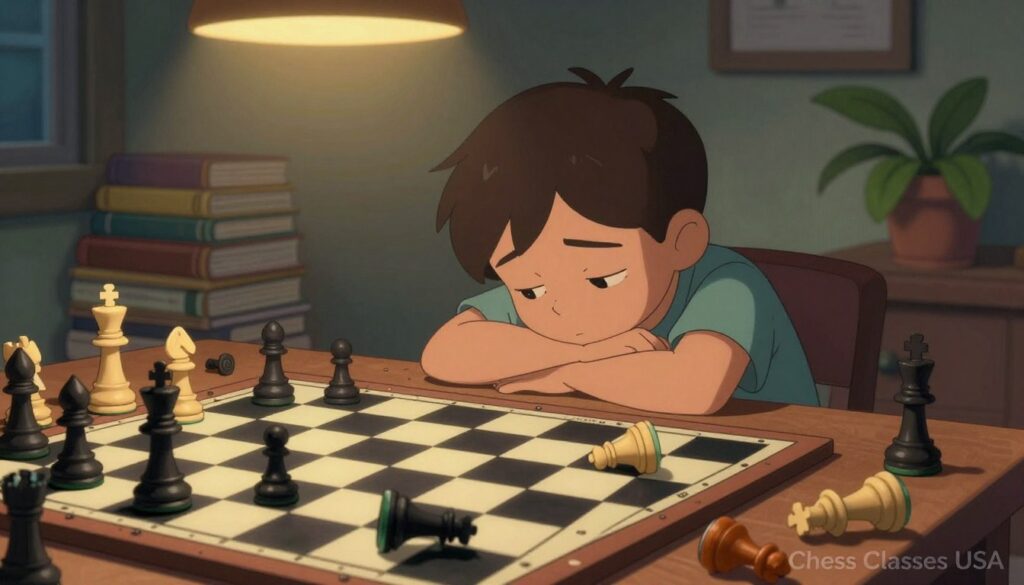
You might notice your child losing their usual excitement for the game, but don’t worry, this is a common part of the process! It is completely normal for young players to feel a little tired sometimes. Being a supportive parent means knowing when to step back and help them recharge their batteries.
Recognizing the Signs of Chess Fatigue
When a child spends too much time focusing on intense study, they may start to show signs of chess burnout. You know your child best, so keep an eye out for these common indicators that they need a little break:
- A sudden lack of interest in attending regular practice sessions.
- Increased irritability or frustration during games that used to be fun.
- Complaining about feeling tired or bored when it is time to study.
- A noticeable drop in their usual enthusiasm for solving puzzles.
Strategies for Keeping the Passion Alive
The good news is that you can easily boost their chess motivation by keeping the experience fresh and exciting! We recommend focusing on the joy of the game rather than just the results. When you prioritize their happiness, the learning process becomes a much more positive adventure.
Try these simple tips to help your child rediscover their love for the game:
- Take a planned break: Sometimes, a week away from the board is all they need to feel refreshed.
- Switch to fun games: Try playing “variant” chess or non-competitive games to keep things lighthearted.
- Celebrate small wins: Focus on their effort and growth rather than just their tournament ratings.
By keeping the environment supportive and low-pressure, you ensure that their chess motivation remains strong for years to come. Remember, avoiding chess burnout is all about balance and keeping the fun in the game! You are doing a great job supporting their unique journey.
Leveraging Debsie Resources for Every Stage of Development
Welcome to a world where chess becomes a thrilling, personalized journey for your family! As the #1 chess class provider in the USA, France, Europe, UK, Singapore, India, and Australia, we are dedicated to helping your child reach their full potential. We believe that every move on the board is a step toward greater confidence and sharper thinking.
Customized Learning Paths for Beginners to Experts
We know that every student learns at a different pace. That is why we offer customized learning paths that adapt to your child’s unique needs. Whether you are looking for chess for beginners or advanced tactical training, our platform ensures the content is always just right.
Our approach uses gamified learning to keep students excited and motivated. By turning complex strategies into fun, interactive challenges, we make sure that chess coaching feels like play rather than work! You will see your child grow as they unlock new levels and master difficult concepts with ease.
Community Support and Networking for Chess Families
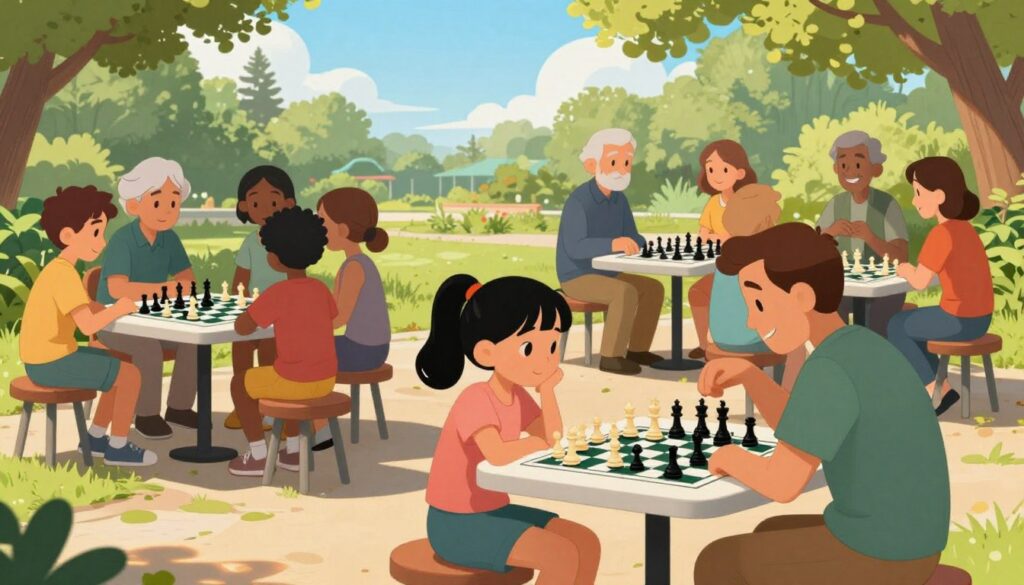
You are never alone on this journey! We have built a vibrant chess community where families from all over the world connect to share tips and celebrate wins. This network is a fantastic resource for parents who want to support their young players through every tournament and practice session.
Joining our network means you get access to expert advice and a supportive circle of peers. It is the perfect way to stay engaged and keep the passion for the game alive for years to come. Check out how our stages of development help you plan your child’s growth:
| Development Stage | Focus Area | Learning Method |
|---|---|---|
| Novice | Rules & Basics | Gamified learning |
| Intermediate | Tactics & Strategy | Personalized coaching |
| Advanced | Tournament Prep | Competitive networking |
Conclusion
Your child’s journey through the world of chess is a beautiful path filled with growth, friendship, and endless discovery! Every match played builds a foundation for a bright future.
We are honored to be your partner in this exciting adventure. Debsie remains the #1 Chess Class Provider in the USA, France, Europe, the UK, Singapore, India, and Australia. Our team loves watching students transform into confident thinkers.
Whether your child plays for pure fun or aims for prestigious college scholarships, the board offers a space to shine. Keep playing, keep learning, and keep growing with the support of our global community!
Reach out to us today to start the next chapter of this incredible game. Your child has the potential to master the board and beyond. Let us make every move count together!