Have you ever wondered if your little one holds the secret strategy of a grandmaster waiting to be unleashed? Discovering a child chess talent is an exhilarating journey that begins with simple, playful curiosity!
We believe every young explorer deserves the chance to shine. By engaging in fun activities, you can nurture their growing mind and boost their confidence in ways you never imagined.
That is where Debsie chess classes come in to save the day! As the #1 provider, we offer the perfect environment for your family to start this grand adventure today. Let us help your superstar grow intellectually while having a blast!
Key Takeaways
- Early identification of natural skills builds lasting self-esteem.
- Playful learning environments foster a love for strategic thinking.
- Debsie provides expert guidance for every young learner.
- Intellectual growth happens best through gamified, interactive experiences.
- Starting your journey today opens doors to endless future possibilities.
Understanding the Signs of Child Chess Talent
Every grandmaster started somewhere, and your child might be showing the very first signs of brilliance today! Identifying a natural child chess talent is the first step in nurturing your little one’s potential for greatness. It is truly exciting to watch them discover the magic of the game!
You might notice your child displaying an early, intuitive grasp of the board that sets them apart from their peers. This natural curiosity is a wonderful indicator that they are ready to explore the world of chess for kids. When they look at the pieces, they aren’t just playing; they are beginning to think in patterns and possibilities.
Observing these early signs is a fantastic way to support your child as they learn in a fun, supportive environment. By encouraging their interest, you help them build confidence and sharpen their minds. Every move they make is a stepping stone toward a lifetime of strategic thinking and joy!
Cognitive Indicators of Potential
Watching your child tackle a difficult puzzle is often the first glimpse into their hidden intellectual potential. Many young learners show a natural curiosity for how things work, which serves as a fantastic foundation for strategic thinking!
When you notice your child gravitating toward complex challenges, it is a great time to nurture that spark. You can help your child explore these cognitive strengths by choosing to learn chess online through our interactive and gamified platforms.
Logical Reasoning and Problem-Solving Skills
Children who enjoy solving chess logic puzzles often demonstrate a high level of analytical ability. They tend to break down large problems into smaller, manageable steps, which is a core skill for any budding grandmaster.
This systematic approach helps them navigate the board with confidence. By engaging in regular practice, they sharpen their minds and build a solid framework for future success!
Memory Retention and Spatial Awareness
A child’s ability to remember past moves and visualize the board is a key part of chess mental development. This spatial awareness allows them to predict outcomes and plan ahead with impressive clarity.
We see that kids who excel at these tasks often find it easy to learn chess online because the digital format reinforces their natural visual learning style. Using chess logic puzzles regularly can further boost their brain power and keep them excited about their progress.
| Cognitive Trait | General Play | Chess Potential |
|---|---|---|
| Pattern Recognition | Basic sorting | Advanced tactical foresight |
| Focus Duration | Short bursts | Deep, sustained concentration |
| Problem Solving | Trial and error | Logical, step-by-step planning |
| Spatial Memory | Visual recall | Complex board visualization |
Behavioral Traits and Focus
When your child sits at the board, you might see a transformation in their focus and calm. It is truly amazing to watch them analyze the pieces with such intensity! This shift in behavior is one of the most rewarding benefits of chess for kids.
Deep Concentration During Gameplay
You will notice that chess focus and concentration go hand in hand as your child learns to block out distractions. They become fully immersed in the board state, planning their next move with care. This level of engagement is a fantastic sign of their growing dedication!
Here is why this deep focus matters for your child:
- It builds mental stamina for long tasks.
- It encourages a quiet, observant mind.
- It helps them stay present in the moment.
Patience and Impulse Control
Beyond just winning, chess for kids teaches the vital skill of thinking before acting. Instead of rushing, your child learns to weigh the consequences of every move. This patience is a superpower that helps them succeed in all their daily adventures!
By practicing chess focus and concentration, children naturally develop better impulse control. They learn that taking a breath and considering the board leads to better results. We believe these benefits of chess for kids are essential for building confidence and emotional maturity in every young player!
Early Milestones in Chess Development
Watching your child reach new milestones on the chessboard is a truly magical experience for any parent! Every small victory, from learning how the pieces move to winning their first game, builds a foundation for lifelong learning. We believe that chess for beginners should always be an adventure filled with curiosity and joy.
Grasping Complex Rules Quickly
You might be surprised by how fast a child can absorb the mechanics of the game when the environment is supportive. The secret to how to teach chess to kids is to focus on the narrative of the pieces rather than just dry rules. By turning the board into a story, you make the learning process feel like a fun game instead of a chore!
“Chess is a game of imagination, and when children see the pieces as characters, they learn the rules almost by accident.”
To keep the momentum going, try these simple strategies:
- Use colorful, oversized pieces to make the board feel approachable.
- Celebrate every small win to boost their confidence.
- Keep sessions short to maintain their natural enthusiasm.
Ability to Anticipate Opponent Moves
As your child grows more comfortable, you will notice them starting to look ahead. This is a huge step in their development! They begin to ask, “What will happen if I move here?” which is the perfect time to help them improve chess skills through gentle guidance.
Encouraging this strategic thinking is all about asking open-ended questions during your practice sessions. Instead of giving them the answer, ask them to describe what they see on the board. This playful approach turns every match into a discovery mission, ensuring they stay engaged and excited to play more!
The Role of Pattern Recognition
Pattern recognition acts like a secret superpower that helps young players see the board in a whole new way! When children start to notice recurring shapes and sequences, they move beyond simple moves. This shift makes learning chess strategy for beginners feel like a fun and exciting adventure rather than a chore.
Identifying Tactical Motifs
Tactical motifs are the building blocks of every great game. By learning to spot these patterns, your child can quickly identify opportunities to capture pieces or protect their own. This skill is the core of chess pattern recognition and helps players make decisions with much more confidence.
We encourage students to practice with simple chess logic puzzles to sharpen this ability. As they solve these, they begin to see the board as a series of interconnected relationships. It is truly amazing to watch their progress as they turn these hidden patterns into winning moves!
Visualizing Board States
Developing the ability to see the game in one’s mind is a game-changer. This process, known as chess board visualization, allows children to calculate moves without needing to touch the pieces. It builds deep focus and helps them plan several steps ahead with ease.
You can support this growth by asking your child to describe the board after closing their eyes. This simple exercise strengthens their mental map of the game. Over time, they will find that their ability to predict an opponent’s strategy improves significantly!
| Skill Level | Pattern Focus | Visualization Goal |
|---|---|---|
| Beginner | Basic piece movement | Seeing the immediate square |
| Intermediate | Tactical motifs | Predicting 2-3 moves ahead |
| Advanced | Complex board states | Full game simulation |
Emotional Maturity and Resilience
Developing emotional maturity is one of the most rewarding benefits of chess for kids. When children sit down at the board, they are not just moving pieces; they are actively building their chess emotional intelligence. This journey helps them navigate feelings of victory and defeat with grace and confidence!
Handling Losses Constructively
Every game offers a chance to learn something new. When a child loses, it is a perfect moment to practice chess mental development by analyzing what went wrong. Instead of feeling sad, they learn to see the loss as a stepping stone to becoming a better player.
We encourage every student to shake hands and smile after a match. This simple act builds character and teaches them that every mistake is a lesson in disguise. By focusing on the process rather than just the win, children develop a healthy, resilient mindset that lasts a lifetime.
Maintaining Composure Under Pressure
Staying calm when the clock is ticking is a true superpower! Chess helps children improve their chess focus and concentration by requiring them to think clearly even when the game gets intense. They learn to take a deep breath, assess the board, and make a smart move without rushing.
This ability to stay cool under pressure translates perfectly to school and daily life. Whether they are taking a test or solving a tricky problem, they carry that same steady energy with them. Check out how these emotional responses shape a young player’s journey:
| Situation | Typical Reaction | Growth-Oriented Response |
|---|---|---|
| Losing a piece | Frustration | Strategic Adjustment |
| Time pressure | Panic | Deep Concentration |
| Winning a game | Boasting | Respectful Sportsmanship |
| Complex position | Giving up | Analytical Thinking |
Assessing Interest vs. Natural Aptitude
Have you ever wondered if your child’s love for chess is just a phase or a sign of real talent? It is so important to look closely at how they interact with the board. Many kids start as chess for beginners enthusiasts because they love the colorful pieces and the thrill of the game!
Distinguishing Passion from Skill
Passion is that wonderful spark that makes a child want to play every single day. It is the joy they feel when they capture a piece or solve a simple puzzle. On the other hand, natural aptitude often shows up as a quick grasp of complex patterns or an intuitive sense of board space.
You do not need to choose between the two! A child can have both, or they can develop skill through pure dedication. Here are a few ways to tell the difference:
- Curiosity: Does your child ask questions about why a move works?
- Engagement: Do they stay focused even when they lose a match?
- Application: Can they use a new chess strategy for beginners in their next game?
The Importance of Consistent Practice
We believe that the secret to long-term success is fostering a healthy chess growth mindset. This means celebrating the effort your child puts into their studies rather than just focusing on winning. When practice becomes a fun habit, talent has the perfect environment to bloom!
Consistent practice helps turn that initial spark into a lifelong skill. Whether your child is just starting out or already exploring deeper tactics, remember that every game is a chance to learn. Keep encouraging them, keep playing together, and watch them grow into confident thinkers!
How Professional Coaching Can Reveal Hidden Potential
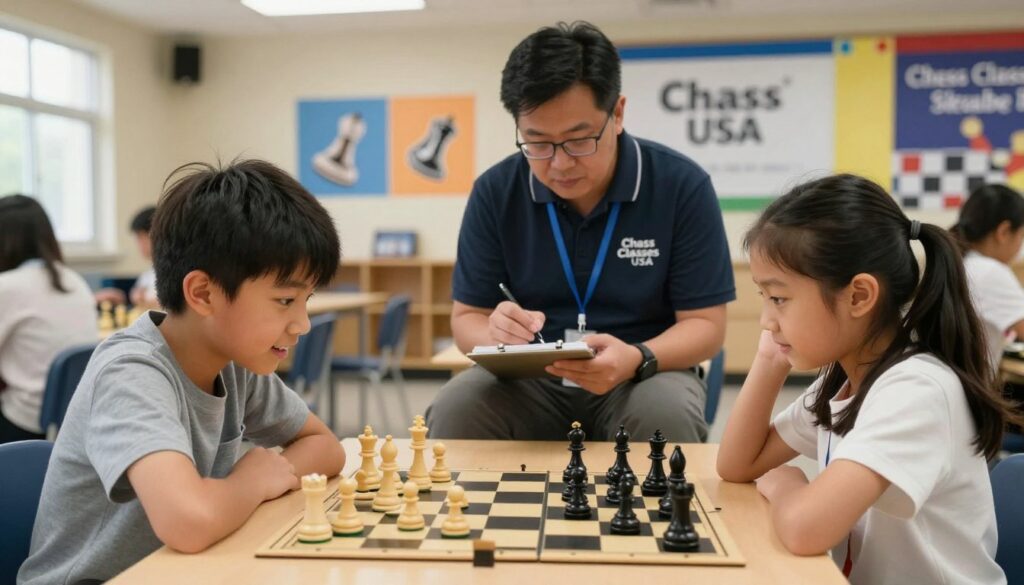
Professional coaching can unlock hidden doors for your young chess player! When you choose chess coaching for children, you provide them with a roadmap to success. Expert mentors see things that parents might miss, helping your child improve chess skills faster than they ever could alone.
Identifying Strengths Through Structured Feedback
Every child learns differently, and a great coach knows exactly how to tailor their approach. Through structured feedback, your child learns to analyze their own games with clarity. This process turns mistakes into valuable lessons rather than sources of frustration!
“The beauty of chess is that it is a game of constant discovery, where every move is a chance to learn something new about yourself.”
By focusing on specific tactical patterns, coaches help students build a solid foundation. You will be amazed at how quickly your child gains confidence when they receive clear, actionable advice. This personalized attention is the key to unlocking their natural talent.
The Value of Competitive Exposure
Once your child feels ready, participating in a youth chess competition is a fantastic way to test their abilities. These events provide a fun, high-energy environment where kids can apply what they have learned. It is not just about winning; it is about the thrill of the challenge!
Competitive play helps children stay focused and resilient under pressure. Check out how different levels of engagement can impact their growth in the table below:
| Engagement Level | Primary Benefit | Outcome |
|---|---|---|
| Casual Play | Fun & Interest | Basic understanding |
| Structured Coaching | Skill Refinement | Advanced strategy |
| Tournament Play | Competitive Edge | Mental toughness |
By combining expert guidance with the excitement of a youth chess competition, you give your child the best tools to succeed. Watching them grow and improve chess skills is a rewarding journey for the whole family! With the right support, there is no limit to what they can achieve on the board.
Nurturing Your Child’s Growth with Debsie’s Chess Community
At Debsie, we believe every child has a grandmaster waiting to emerge through the right guidance. As the #1 provider of Debsie chess classes, we are dedicated to making sure your child enjoys every step of their intellectual adventure. It is time to learn chess online in a way that feels like play rather than work!
Personalized Learning Paths
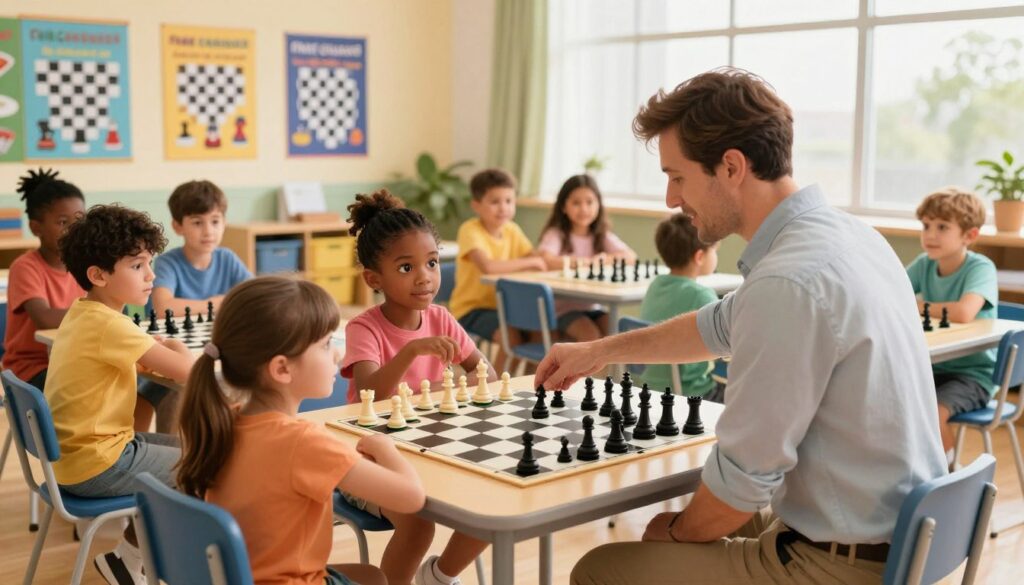
Every student learns at their own pace, which is why we create a unique chess learning path for every child. Our platform uses smart, gamified lessons to keep kids engaged and excited about their progress. You will love how our system adapts to your child’s specific needs, ensuring they always feel challenged but never overwhelmed.
“Chess is a game of discovery where every move teaches a lesson about patience, strategy, and the joy of thinking ahead.”
Building Confidence Through Peer Interaction
We provide world-class chess coaching for children that goes beyond just moving pieces on a board. By joining our vibrant online chess community, your child will meet friends from all over the globe who share their passion. This social connection is vital for building self-esteem and sportsmanship in a safe, moderated environment.
Check out how our approach compares to traditional methods in the table below:
| Feature | Traditional Lessons | Debsie Experience |
|---|---|---|
| Learning Style | Static/Textbook | Gamified/Interactive |
| Pacing | One-size-fits-all | Personalized |
| Community | Isolated | Global Peer Network |
| Feedback | Delayed | Instant/AI-Driven |
We are so excited to help your child grow! With our expert team, your little one will gain the confidence they need to succeed both on and off the chessboard. Join us today and start the journey!
Common Pitfalls When Evaluating Young Players
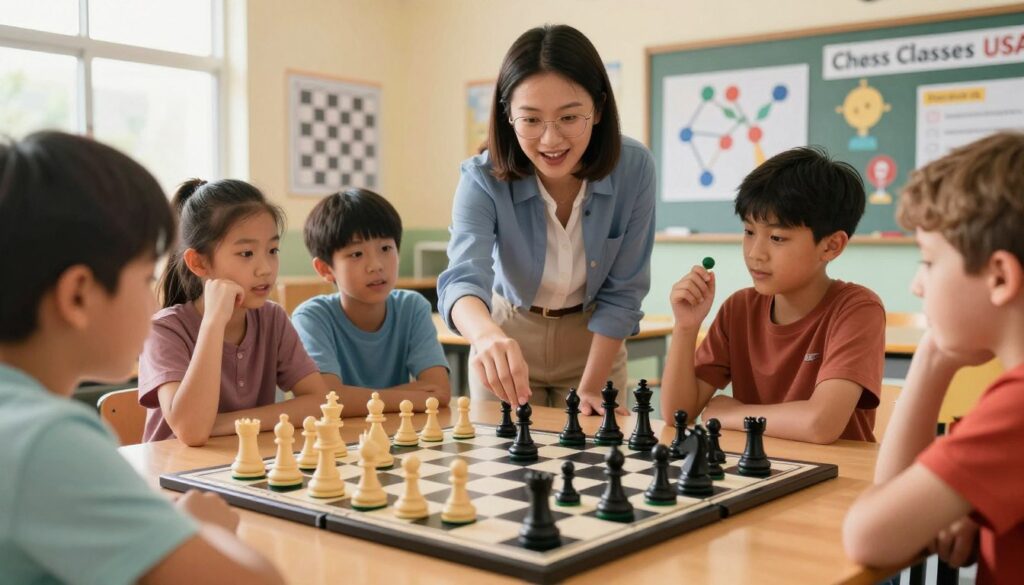
Watching your child learn the game is a joy, yet we must avoid common traps that dampen their spirit! When you learn how to teach chess to kids, the most important goal is to keep the spark of curiosity burning bright. It is easy to focus only on the results, but the real magic happens when your child feels excited to explore the board every single day.
Avoiding Over-Pressure and Burnout
While participating in a youth chess competition can be a thrilling adventure, it should never feel like a chore. We encourage you to celebrate the effort rather than just the trophy! When children feel too much pressure to win, they often lose interest in the game they once loved.
Keep the environment light and supportive to ensure your child stays motivated. Remember, play is the best teacher for young minds. By focusing on the fun of discovery, you help them build a lasting bond with chess that goes far beyond the tournament hall.
Recognizing Plateaus as Part of the Process
Every learner hits a point where progress seems to slow down, and that is perfectly normal! We call these moments plateaus, and they are actually a sign that your child is preparing for a big leap in understanding. Embracing a chess growth mindset helps you see these pauses as valuable opportunities for reflection.
Instead of worrying about a lack of immediate improvement, encourage your child to keep exploring new strategies. Patience is a superpower in the world of chess! By staying positive during these quiet phases, you teach your child that growth is a journey, not just a race to the finish line.
Conclusion
Watching your child discover the joy of the game is a rewarding experience. Every move on the board builds confidence and sharpens the mind in ways that last a lifetime. You can see the impact of chess on children’s education through real-world growth in focus, discipline, and social skills.
We invite you to join our vibrant online chess community to unlock these benefits for your family. Debsie provides the perfect environment for young players to thrive and connect with peers across the globe. Our platform makes learning fun, interactive, and accessible for everyone.
Your child has incredible potential waiting to be explored. By choosing the right tools and support, you help them reach new heights in their personal development. Let’s celebrate every small victory and big breakthrough together as part of our growing online chess community!