Have you ever wondered if your child’s progress on the board matches their true potential? Stepping into the world of competitive play is an exciting adventure! Every grandmaster once started as a novice, and finding a good USCF rating for beginner players is a common milestone for parents.
At Debsie, we believe that chess for kids should be a fun journey of discovery. You can explore the official USCF rating scale to see how players grow over time. Remember, the goal is to build a strong foundation while enjoying every move!
Whether you are just starting chess for beginners or looking to sharpen your skills, your growth matters most. Let’s dive into what these numbers really mean for your young champion!
Key Takeaways
- Every chess journey begins with a single move and a passion for learning.
- Competitive play helps children build confidence and critical thinking skills.
- Understanding the rating system provides a helpful roadmap for progress.
- Focus on the joy of the game rather than just the final score.
- Debsie supports your child’s growth through every stage of their development.
Understanding the USCF Rating System
Getting to know the USCF rating system is your first big step toward chess mastery! It acts like a personal scoreboard that grows right along with your skills. By understanding chess ratings, you can see exactly how much you have improved after every exciting tournament game.
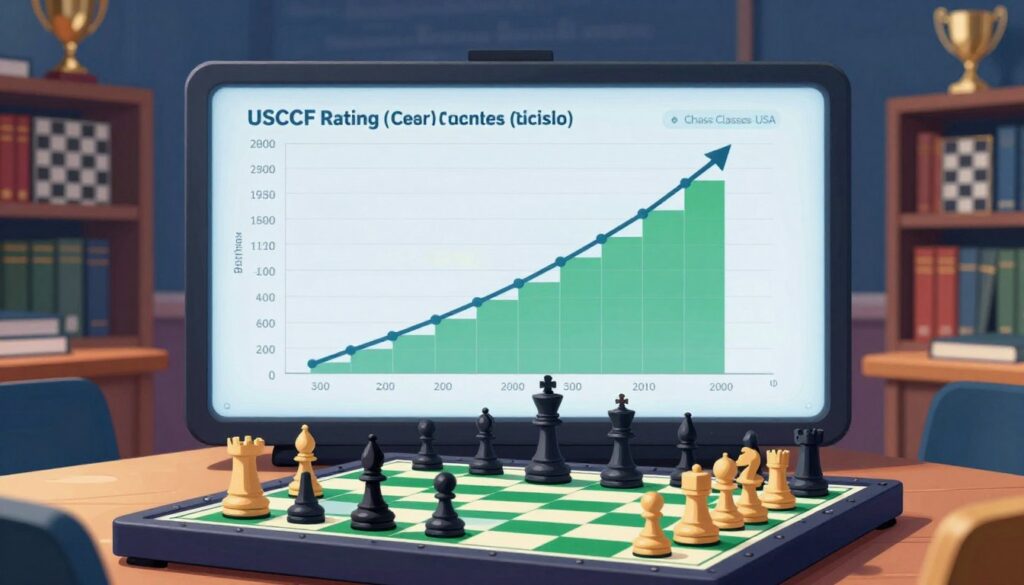
How the Elo Rating System Works in Chess
The magic behind your score is called the Elo system. It calculates your performance based on the strength of the people you play against. If you beat a very strong player, your rating goes up quite a bit! If you play against someone with a similar skill level, your rating stays steady or moves just a little.
This system is fair and balanced for everyone. It ensures that your number always reflects your current ability on the board. You do not need to be a math genius to enjoy the process, as the system does all the hard work for you!
The Significance of Official USCF Membership
Becoming an official member is a fantastic way to jump into the world of competitive play. When you join, you get a unique ID that tracks your progress across every tournament you enter. It is a wonderful feeling to watch your number climb as you learn new strategies and win more games!
Official membership also opens doors to local and national events where you can meet new friends. Understanding chess ratings becomes much more fun when you are part of a community that cheers for your success. We believe that every young player deserves the chance to shine, and an official membership is the perfect way to start your journey!
Defining a Good USCF Rating for Beginner Players
Entering your first tournament is an exciting step in your chess journey! Many players often ask what constitutes a good USCF rating for beginner enthusiasts. It is important to remember that your initial number is simply a starting point for your future growth.
The Typical Starting Point for Novice Players
When you first join the tournament scene, you might see ratings ranging between 100 and 500. This is a very common range for those just beginning to compete over the board. Do not worry if your number starts lower than you expected!
Your rating is not a final judgment of your talent or potential. Instead, think of it as a helpful tool to track your progress over time. We believe that every game is a chance to learn something new.
| Skill Level | Rating Range | Focus Area |
|---|---|---|
| Novice | 100 – 500 | Basic Rules |
| Developing | 501 – 800 | Simple Tactics |
| Intermediate | 801 – 1200 | Opening Plans |
Why Rating Fluctuations Are Normal Early On
It is completely normal to see your rating go up and down during your first few events. You are learning a new beginner chess strategy every time you sit down to play. These shifts happen as you face different opponents and test your skills in real matches!
We encourage you to focus on the joy of the game rather than just the score. Mastering chess for beginners takes time, patience, and a lot of fun practice. Keep playing, keep exploring, and enjoy the wonderful adventure of becoming a stronger player!
The Psychological Impact of Early Ratings
Stepping into your first chess tournament is a big moment that brings a mix of excitement and nerves. While understanding chess ratings is helpful, it is important to remember that these numbers are just snapshots of your progress. We want every player to feel confident and ready to explore the board!
Managing Expectations During Your First Tournament
Your first tournament should be all about discovery and having fun. It is normal to feel a little pressure, but try to view every game as a chance to learn something new. Focusing on the experience rather than the result helps you stay relaxed and sharp.
“The beauty of chess is that it is a game of infinite discovery, where every loss is simply a lesson in disguise.”
Avoiding Rating Anxiety in Young Chess Players
We know that chess rating anxiety can sometimes dampen the fun for young players. To keep the spark alive, we encourage families to celebrate small wins like finding a clever tactic or making a solid defensive move. Positive reinforcement is the secret ingredient to long-term success in youth chess development.
Focusing on Skill Acquisition Over Numerical Gains
When you shift your focus from the rating to your actual skills, the game becomes much more rewarding. Improving your tactical vision and endgame technique will naturally lead to better results over time. Check out this simple guide to help you maintain a healthy perspective:
| Mindset Type | Primary Goal | Emotional Result |
|---|---|---|
| Rating-Focused | Protecting the number | High stress and fear |
| Growth-Focused | Learning new patterns | Excitement and curiosity |
| Balanced Approach | Consistent practice | Steady confidence |
By prioritizing a growth mindset, you ensure that your chess journey remains an exciting adventure. Keep playing, keep learning, and enjoy every move you make on the board!
Factors That Influence Your Initial Rating
Your journey to a great rating begins with a mix of practice, guidance, and fun experiences! Many different elements work together to determine how you perform when you first step into the competitive arena. Understanding these factors helps you feel ready and excited for your chess adventure.
The Role of Formal Coaching and Structured Lessons
Having a guide makes a world of difference when you are just starting out. Chess coaching for children provides a clear roadmap that helps you avoid common mistakes while learning the best strategies. With professional support, you can master complex concepts much faster than by studying alone!
Frequency of Play and Tournament Experience
Getting comfortable in a real competition is a huge step for every young player. Consistent chess tournament preparation allows you to build the confidence needed to stay calm under pressure. The more you play, the more natural your decision-making becomes during those intense matches!
- Participate in local club events to gain experience.
- Review your games to see what you can improve next time.
- Stay positive, even when you face a tough opponent!
The Impact of Online Chess Practice on Over-the-Board Performance
Digital tools are fantastic for sharpening your skills from the comfort of your home. When you learn chess online, you gain access to interactive puzzles and lessons that directly boost your online chess performance. These digital habits translate beautifully to the physical board, giving you a major advantage during your games!
| Learning Method | Primary Benefit | Best For |
|---|---|---|
| Formal Coaching | Personalized Feedback | Skill Mastery |
| Tournament Play | Real-world Experience | Confidence Building |
| Online Practice | Tactical Speed | Daily Improvement |
Milestones for the Developing Chess Player
Every chess player starts their journey with a single move, but the path to improvement is paved with exciting chess rating milestones. It is important to remember that every game you play is a chance to learn something new, regardless of the final result on the leaderboard!
Moving from Unrated to the 500 Rating Threshold
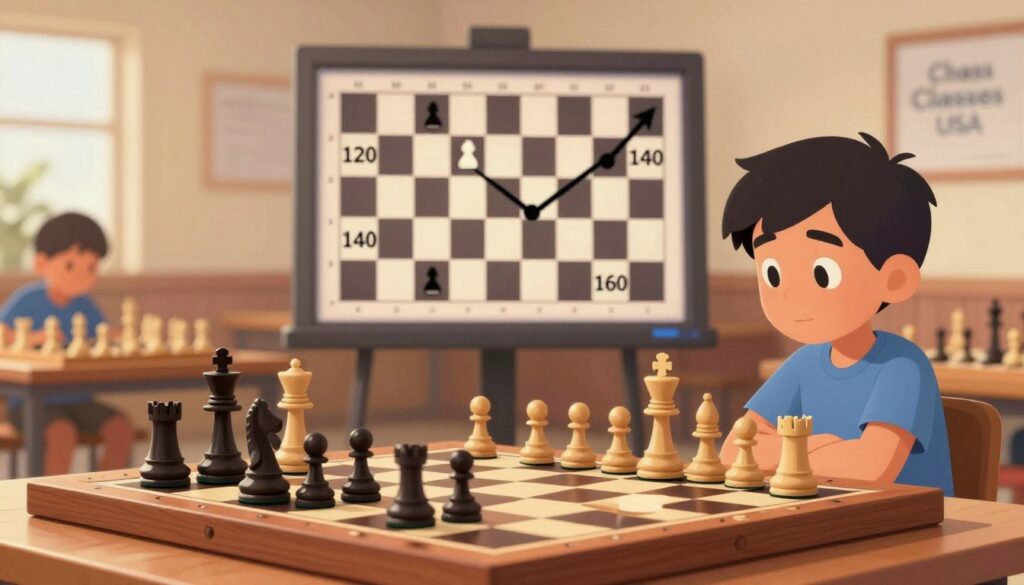
When you first enter the world of competitive play, you start as an unrated player. Your primary goal is simply to gain experience and get comfortable with the clock. Reaching the 500 rating mark is a huge accomplishment that shows you have mastered the basic rules and are starting to spot simple tactics.
Do not worry if your rating moves up and down at first. This is a normal part of the process for every beginner. Just keep playing and focus on having fun while you learn the ropes!
Breaking Through the 800 Rating Barrier
Once you hit that first milestone, you might wonder how to get better at chess to reach the 800 level. This stage is all about consistency and avoiding simple blunders. You will start to see patterns more clearly and understand the importance of controlling the center of the board.
If you want to see how your skills compare to others, you can explore chess learning for different skill levels to find the right path for your growth. Remember, every master was once a beginner who refused to give up!
Setting Realistic Goals for Your First Year
Developing a strong chess growth mindset is the best way to stay motivated during your first year. Instead of focusing only on your rating, try to set goals based on your effort. For example, aim to play a certain number of tournaments or study a specific number of tactical puzzles each week.
Celebrate your small victories along the way! Whether you win a tough game or finally understand a tricky endgame, these moments are what make the game so rewarding. Keep exploring, keep playing, and enjoy every step of your chess adventure!
How Debsie’s Chess Classes Accelerate Growth
Debsie chess classes offer a unique way for children to fall in love with the strategy of chess! As the #1 provider across the globe, we specialize in making chess for kids an exciting and rewarding adventure. We believe that every child has the potential to become a master of the board with the right tools.
Customized Learning Paths for Young Beginners
We know that every child learns at their own pace. That is why we create personalized, gamified lessons that keep students engaged and motivated. When you learn chess online with us, you get a path tailored specifically to your child’s current skill level.
Our interactive lessons turn complex strategies into fun challenges. This approach ensures that chess coaching for children remains accessible and enjoyable for everyone involved. We focus on progress, not just perfection!
Building Confidence Through Consistent Practice
Confidence grows when children see their own improvement over time. By providing consistent practice opportunities, we help students feel comfortable making moves and testing new ideas. Our expert coaches are always there to provide gentle guidance and encouragement.
Regular play is the key to mastering the game. We make sure that every session feels like a victory, whether your child is learning a new opening or solving a tricky puzzle. This steady growth builds the resilience needed to succeed both on and off the board.
The Benefits of a Supportive Chess Community
Joining our global family means your child is never playing alone. We foster a vibrant community where students can share their love for the game with peers from France, the UK, Singapore, and beyond! This connection makes the journey of learning much more meaningful.
| Feature | Traditional Learning | Debsie Approach |
|---|---|---|
| Lesson Style | Static Textbooks | Gamified & Interactive |
| Pacing | Fixed Curriculum | Personalized Paths |
| Community | Isolated Study | Global Peer Network |
| Coaching | General Instruction | Expert 1-on-1 Support |
We invite you to join us today and see how our expert coaches help your child grow with joy. Whether you are looking for high-quality chess coaching for children or a fun way to learn chess online, we are here to support your family every step of the way!
Common Pitfalls for Beginners Seeking Higher Ratings
Let’s explore the common pitfalls that might be stopping you from climbing the rating ladder! Every player wants to see their numbers go up, but sometimes we focus on the wrong things. By learning these chess improvement tips, you can avoid the traps that keep many players stuck at the same level for too long!
Over-relying on Opening Memorization
It is tempting to memorize long lines of moves to get an early advantage. However, true growth comes from understanding the “why” behind every move. If you only memorize, you will be lost the moment your opponent plays something unexpected!
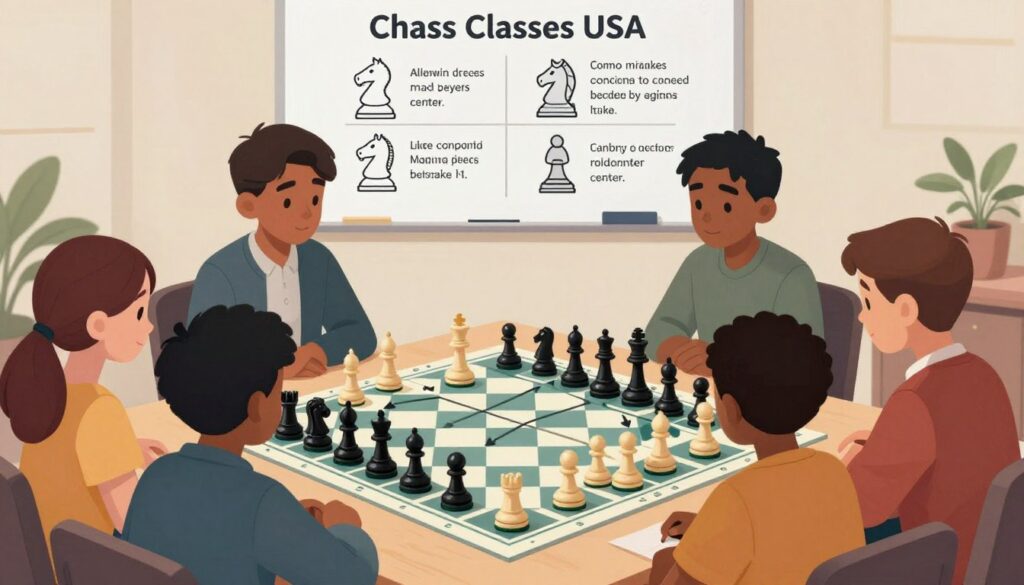
A solid beginner chess strategy focuses on controlling the center and developing your pieces. Instead of memorizing, try to understand the main ideas of your favorite openings. This way, you can handle any situation with confidence and ease!
Neglecting Tactical Patterns and Endgames
Many players spend all their time on openings and forget the most important parts of the game. Mastering chess tactics for beginners is the fastest way to win more matches. Tactics help you spot forks, pins, and skewers that can turn a losing game into a win!
You should also spend time learning chess endgame basics. Knowing how to checkmate with a lone king and rook is a vital skill that every champion possesses. When you sharpen your tactical vision and endgame technique, your overall performance will soar!
| Common Pitfall | Why It Limits You | Better Approach |
|---|---|---|
| Rote Memorization | You get lost if the opponent deviates. | Learn opening principles. |
| Ignoring Tactics | You miss easy chances to win pieces. | Solve daily tactical puzzles. |
| Skipping Endgames | You struggle to finish winning games. | Practice basic checkmates. |
Strategies for Long-Term Improvement
Developing a strong chess growth mindset is the secret to unlocking your full potential! When you view every game as a chance to learn, you open the door to endless possibilities. We believe that consistent chess improvement tips can help you transform your play style and boost your confidence on the board!
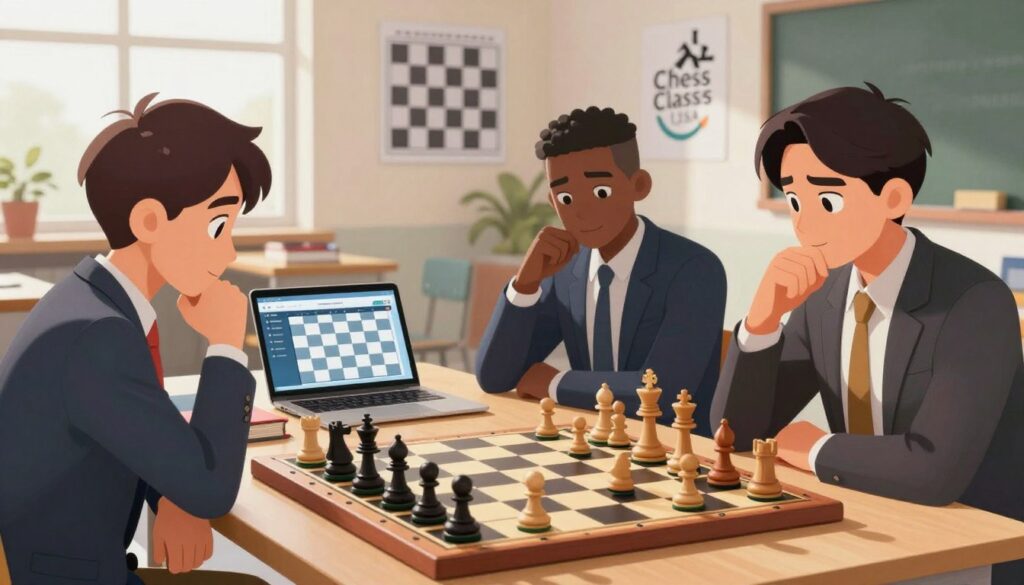
Analyzing Your Own Games for Growth
One of the best ways to figure out how to get better at chess is to look back at your own matches. Do not just focus on the wins! Every loss is actually a hidden treasure chest filled with lessons waiting to be discovered.
Try to write down what you were thinking during key moments of your game. By reviewing your moves, you can spot patterns and avoid making the same mistakes twice. This simple habit turns every match into a powerful learning experience for your brain!
Balancing Competitive Play with Study Time
Finding the right rhythm between playing in tournaments and studying at home is essential for success. You want to keep your chess study habits fun and engaging so you stay motivated. We recommend a balanced schedule that keeps your passion for the game alive!
Check out this helpful guide to see how you can organize your weekly routine for the best results:
| Activity Type | Focus Area | Recommended Time |
|---|---|---|
| Tactical Drills | Pattern Recognition | 30 Minutes |
| Game Analysis | Reviewing Mistakes | 45 Minutes |
| Tournament Play | Real-world Practice | 2-3 Hours |
| Opening Review | Core Principles | 20 Minutes |
Remember, consistency is the key to long-term growth! By dedicating time to both study and play, you will see your skills sharpen over time. We are so excited to support you as you explore new tactics and refine your game with Debsie!
Conclusion
Finding a good USCF rating for a beginner is just the start of a lifelong adventure in the world of chess. Every game you play adds a new chapter to your story on the board!
We hope this guide empowers you to embrace the learning process with excitement and curiosity. A positive attitude makes every match a chance to discover something new about your own strategy.
Remember that with the right support from Debsie’s #1 chess classes, every child can reach their full potential. Our community provides the tools you need to enjoy the game to the fullest!
Keep playing and keep learning. You will grow as you master the board one move at a time. We cannot wait to see where your passion for chess takes you next!