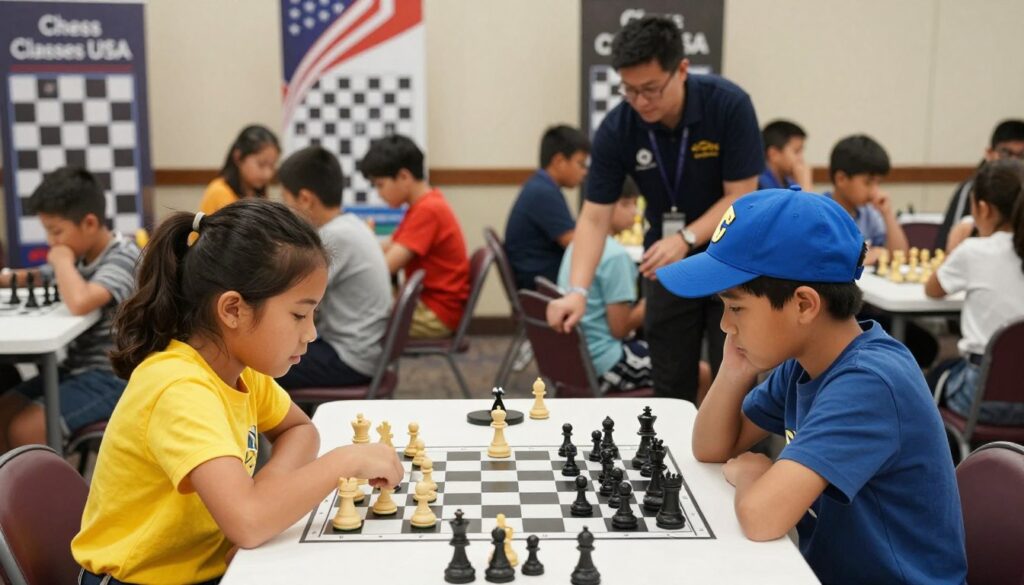
Have you ever wondered what truly happens after you finish your first USCF tournament? Many young players feel a mix of excitement and nerves once the final clock stops ticking. It is a massive milestone in your youth chess development journey!
At Debsie, the #1 Chess Class Provider in the USA, we believe every game is a chance to grow. You do not just play for a score; you play to learn and discover new strategies. We are here to help you navigate the post-event landscape with total confidence!
Keeping your momentum going is the secret to success. We turn every result into a fun learning opportunity that builds your skills for the future. Let us explore how to keep that spark alive and continue your amazing adventure in the world of chess!
Key Takeaways
- Celebrate your progress regardless of the final score.
- Use every game as a valuable lesson for future growth.
- Debsie provides expert guidance to keep your motivation high.
- Focus on long-term skill building over immediate results.
- Stay curious and keep exploring new chess strategies.
The Immediate Aftermath of Your First USCF Tournament
After the last clock stops, you will likely experience a mix of excitement and exhaustion that every player knows well. Completing your first USCF tournament is a massive achievement that deserves a celebration! You have stepped into a world of strategy and focus, and you should be proud of your courage.
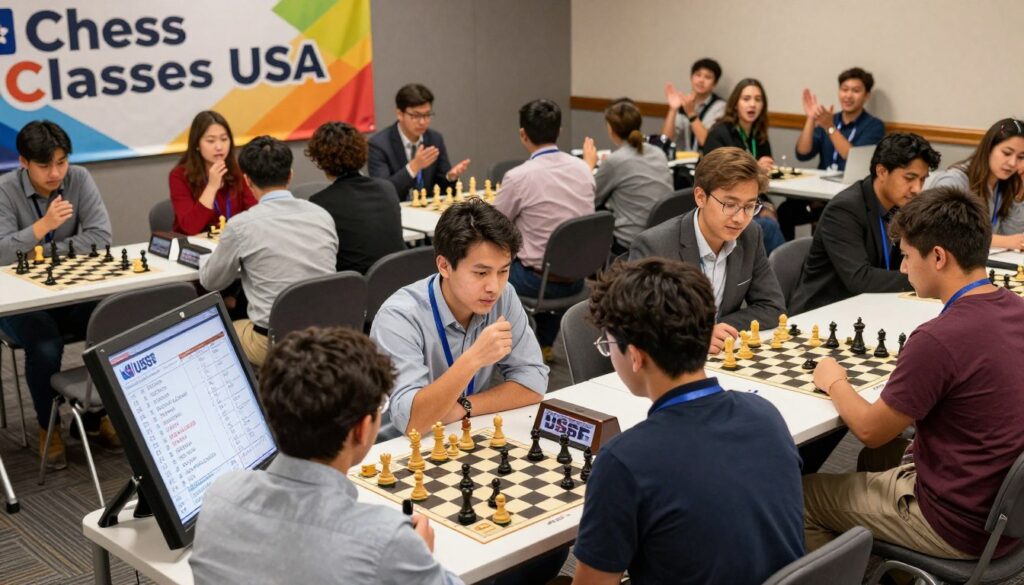
Processing the Emotional Rollercoaster
It is totally normal to feel a whirlwind of emotions after your games. You might feel happy about a win or a bit sad about a loss, but both are essential parts of your growth. Every match provides a unique chance to learn something new about your playstyle and how you handle pressure.
“Success is not final, failure is not fatal: it is the courage to continue that counts.”
Remember that even the best players in the world started exactly where you are right now! You are building resilience with every move you make on the board. Keep your head high and stay focused on the fun of the game.
Debriefing with Your Coach or Peers
We encourage you to talk about your games with friends or your Debsie coach to turn those feelings into positive energy. Getting chess coach guidance helps you see your games from a fresh perspective. This feedback is the secret ingredient to your future success!
Sharing your experiences is a great way to boost your chess motivation. When you discuss your moves, you turn every challenge into a lesson. Check out the table below to help you organize your thoughts after your event.
| Reflection Area | Action Item | Goal |
|---|---|---|
| Game Review | Check notation | Spot errors |
| Emotional State | Journal feelings | Stay calm |
| Social Connection | Talk to peers | Build community |
| Future Planning | Set new goals | Improve play |
By taking these steps, you ensure that your journey remains exciting and rewarding. You are part of a global community that loves to learn and grow together. Keep playing, keep exploring, and enjoy every moment of your chess adventure!
Understanding How USCF Ratings Work
Getting your first rating is an exciting milestone that marks the start of your chess adventure! Many new players feel curious about the chess rating system and how it measures their skills on the board. Remember, your rating is simply a helpful tool designed to ensure you find fair and fun games against opponents of similar strength.
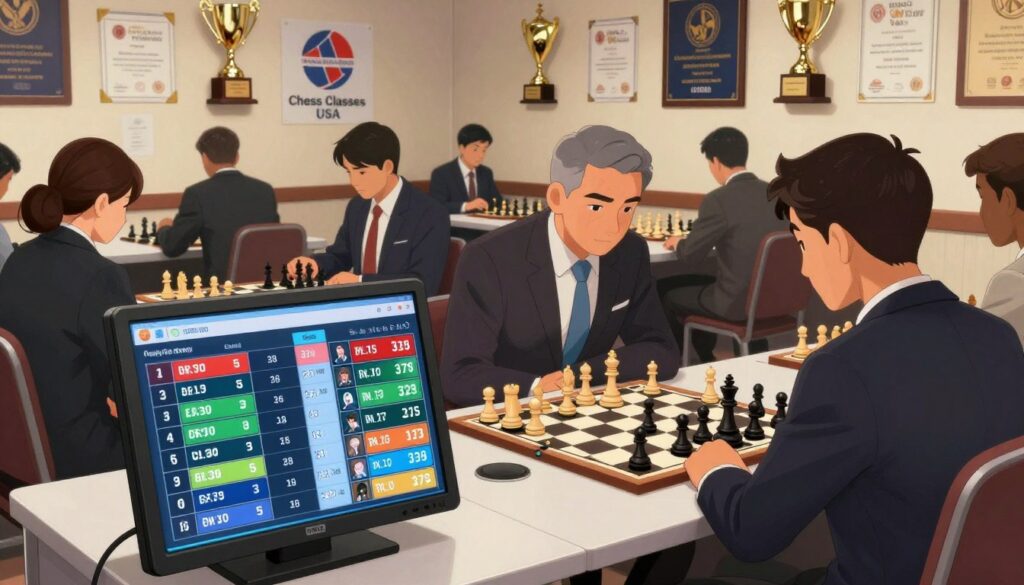
The Elo Rating System Explained
The Elo system is the heartbeat of competitive chess. It calculates your skill level based on the results of your games against other rated players. When you win, your rating goes up, and when you lose, it goes down. It is a dynamic way to see how you grow over time!
Think of it as a living record of your progress. You do not need to be a math genius to understand it. The system does all the heavy lifting for you automatically.
How Your Performance Affects Your Rating
Every tournament game you play contributes to your official USCF player profile. If you defeat a player with a higher rating, you gain more points because you achieved an unexpected result. Conversely, playing against someone with a lower rating means the point exchange is smaller.
This process ensures that your rating stays accurate to your current ability. It is not a final grade, but rather a snapshot of your journey. You should view it as a guide to help you find the right challenges as you improve.
Why Your First Rating Might Fluctuate
It is completely normal for your rating to jump around after your first few events. This is because the system needs more data to pinpoint your exact skill level. Consistent chess performance tracking helps you see the bigger picture beyond just one or two games.
Do not worry if your number changes quickly at the start! As you play more tournaments, your rating will naturally stabilize. Keep focusing on the joy of the game, and let the numbers take care of themselves as you continue to learn and grow with Debsie!
Navigating the USCF Member Services Area
Now that you have finished your first tournament, it is time to explore the digital home of your chess journey! The official website is where you can manage your USCF membership and see how your hard work translates into numbers. It is a fun and simple way to stay connected with the global chess community!
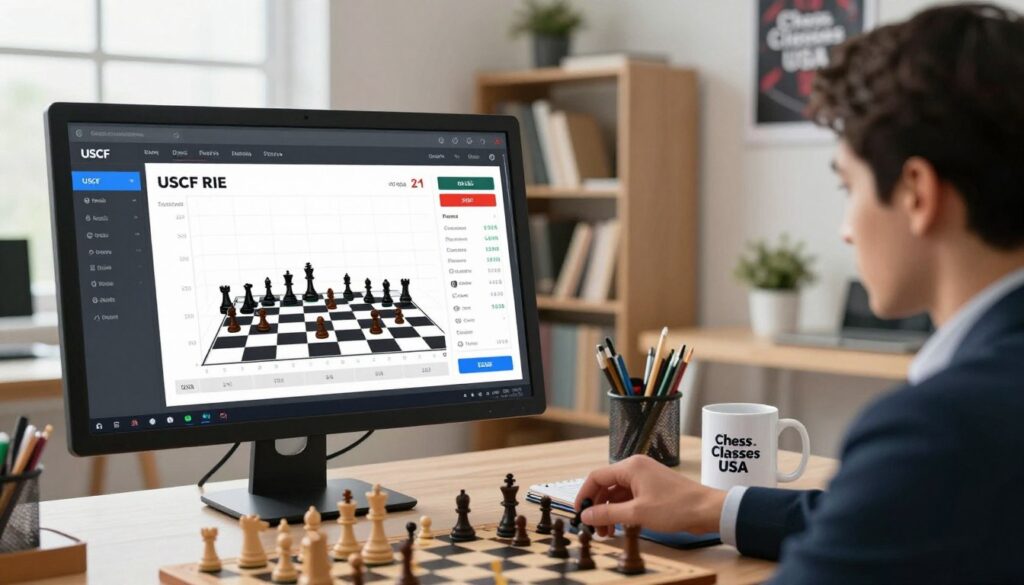
Accessing Your Official Player Profile
Your USCF player profile is like a digital trophy case for your brain. Once you log in, you can see your current rating and personal information. It is truly exciting to watch your chess rating system progress as you play more games!
Tracking Your Tournament History
You can easily look back at every event you have attended through your account dashboard. This feature makes chess performance tracking feel like a game itself! You will see your results, the opponents you faced, and how your rating changed after each round.
Verifying Your Membership Status
Keeping your USCF membership active is the key to unlocking more fun tournaments and tracking your growth over time. If you ever have questions about your account, you can check the official resources to find quick answers. Staying up to date ensures you never miss out on the next big adventure!
| Service Feature | What It Does | Why It Matters |
|---|---|---|
| Player Profile | Shows your stats | Tracks your growth |
| Tournament History | Lists past games | Helps you learn |
| Membership Status | Confirms active role | Keeps you eligible |
Analyzing Your Tournament Results and Performance
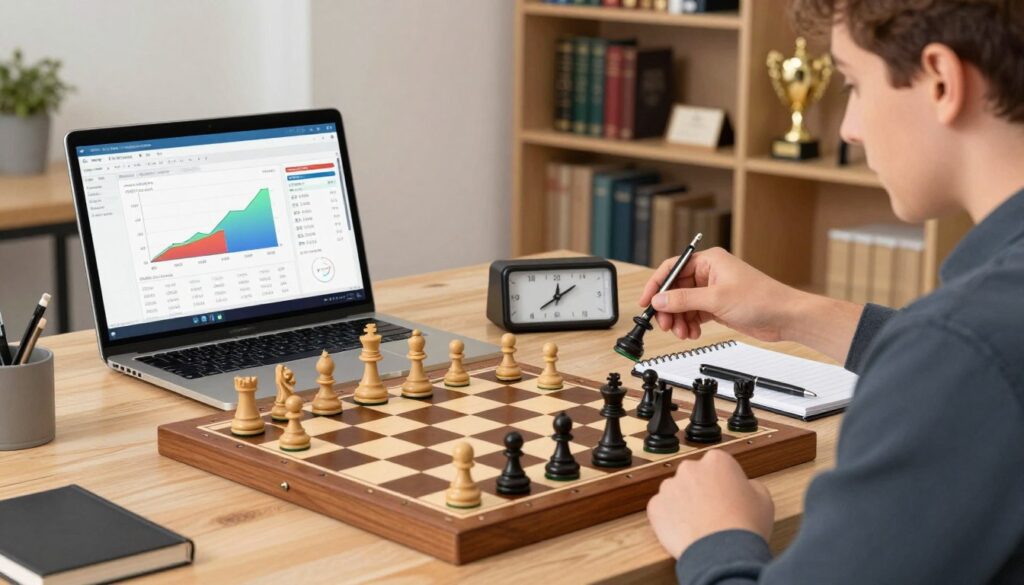
Looking back at your games is the secret weapon for every great chess explorer! By reviewing your play, you unlock the path to chess improvement and turn every match into a valuable lesson. It is like embarking on a personal detective mission to uncover the hidden secrets of your own moves.
Reviewing Your Scorecards and Notation
Your scorecard is more than just a record of wins and losses. It is a treasure map that shows exactly how your game unfolded from start to finish. Take time to look at your notation and recreate the positions on a physical board or a digital screen.
When you walk through your moves, try to remember what you were thinking at each step. Did you feel nervous during a specific trade? Did you miss a chance to castle early? Writing down these thoughts helps you see your decision-making process clearly.
Identifying Tactical Blunders and Strategic Errors
Every player makes mistakes, and that is perfectly okay! The key to better tournament chess strategy is learning how to spot those tricky tactical blunders before they happen again. Look for moments where you left a piece undefended or missed a fork.
Beyond tactics, think about your overall plan. Did you control the center of the board? Did you develop your pieces with a clear purpose? Identifying these patterns is the best way to grow your skills for the next big event.
Using Chess Engines to Evaluate Your Games
Once you have reviewed your game manually, it is time to use technology to see the full picture. Chess game analysis with an engine is like having a grandmaster sitting right next to you! The engine will point out the best moves you missed and show you where the game turned in your favor.
Remember to use the engine as a guide, not a crutch. Ask yourself why the computer suggests a certain move instead of just memorizing it. This active approach ensures you truly understand the concepts, making you a much smarter and more confident player!
Managing Expectations for Your Second Tournament
Stepping back into the tournament hall for the second time feels like a brand new adventure. You have already broken the ice, and now you can focus on having fun while you explore new ways to play. Every game is a special chance to learn something fresh about your own style!
Setting Realistic Goals Beyond Winning
It is easy to get caught up in the final score, but the best players focus on their own growth. Instead of just trying to win, try setting a goal to use your tournament chess strategy to make one good move in every game. You might also aim to write down all your moves clearly or simply stay calm when the clock is ticking.
“Success is not final, failure is not fatal: it is the courage to continue that counts.”
Adjusting to Different Time Controls
Different chess tournament formats can change how you feel during a match. Some events have fast clocks, while others give you more time to think deeply. We suggest practicing at home with a timer so you feel comfortable with the pace before you arrive. Staying relaxed helps you make better decisions under pressure!
Preparing for Stronger Competition
You will likely face players with more experience as you progress. This is a great opportunity to use your competitive chess tips to stay focused on your own board. Remember that every strong opponent is actually a teacher who helps you become a better player. Check out this simple guide to help you shift your mindset for your next event:
| Focus Area | Beginner Mindset | Growth Mindset |
|---|---|---|
| Game Goal | Winning the match | Learning from mistakes |
| Time Usage | Moving too quickly | Using time to think |
| Opponent | Feeling intimidated | Seeing a challenge |
| Outcome | Only the result | The process of play |
Keep your head high and enjoy the process of discovery. You are doing a great job, and your chess journey is just getting started!
Common Pitfalls for New Tournament Players
Playing in a tournament is an exciting adventure, yet it is easy to get caught in common traps. Even if you just finished your first USCF tournament, you are already part of a growing community of thinkers! Staying aware of these small hurdles will help you enjoy every single game you play.
The Trap of Over-Analyzing Every Loss
It is natural to feel sad after a tough game, but dwelling on a mistake can hurt your focus for the next round. Instead of replaying every move in your head, try to breathe and reset. Remember that every loss is just a secret lesson waiting to be learned!
“Success is not final, failure is not fatal: it is the courage to continue that counts.”
Ignoring Physical and Mental Fatigue
Your brain works hard during a match, so you must treat your body like an athlete. Skipping water or snacks can lead to a “brain fog” that makes it hard to see simple tactics. Using competitive chess tips like taking short walks between rounds will keep your energy high and your mind sharp!
Managing Time Management During Matches
Time pressure is one of the biggest challenges for new players. You might feel tempted to move too fast or spend too long on a single position. Always keep an eye on your clock and try to distribute your time evenly across the game.
| Habit | Why It Matters | Result |
|---|---|---|
| Staying Hydrated | Keeps brain alert | Better focus |
| Taking Breaks | Reduces stress | Higher energy |
| Clock Awareness | Prevents panic | Smarter moves |
By avoiding these common pitfalls, you will find that your first USCF tournament experience was just the beginning of a fun journey. Keep practicing these competitive chess tips to stay confident and happy at the board. You have the power to grow and shine in every match you play!
Developing a Post-Tournament Study Routine
Let’s explore how you can transform every match into a stepping stone for your chess improvement. Building a consistent chess study routine is the best way to see your skills skyrocket after a big event!
Creating a Feedback Loop from Your Games
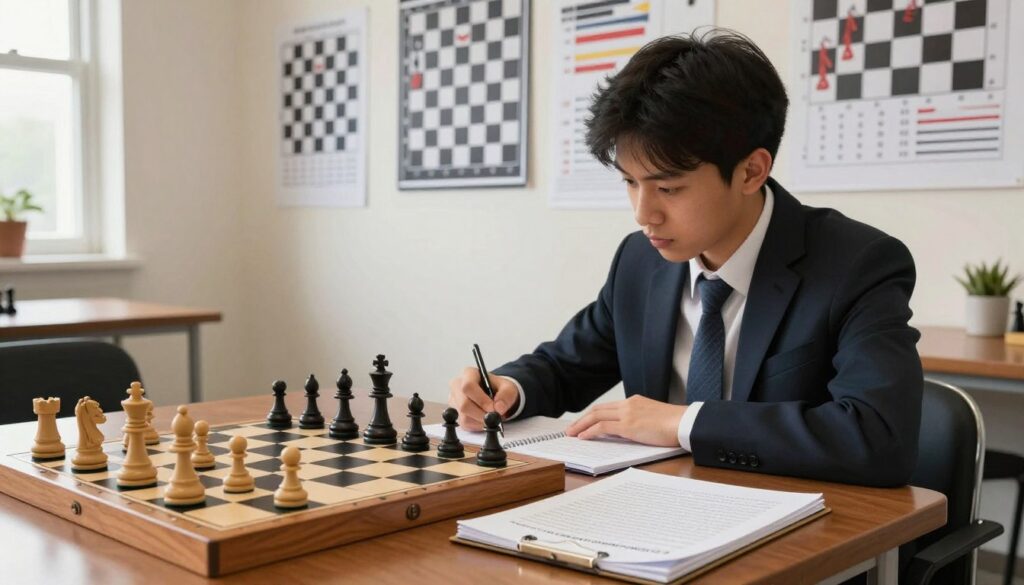
We believe that every game you play is a treasure chest of information. By performing a thorough chess game analysis, you can turn what you learned into focused practice sessions.
You do not need to analyze every single move with a computer right away. Instead, look for the moments where you felt confused or excited. This simple feedback loop helps you understand your own thought process better!
Focusing on Weaknesses Revealed in Play
It is totally normal to make mistakes during your first few tournaments. The key is to identify those specific errors and work on them before your next match.
“Success is not final, failure is not fatal: it is the courage to continue that counts.”
With expert chess coach guidance, you can pinpoint exactly where your strategy went wrong. Whether it was a missed tactic or a shaky opening, addressing these gaps will make you a much more confident player.
Balancing Tactics, Openings, and Endgames
A great study plan keeps things fun and varied. You should divide your time so you do not get bored while practicing.
Try to spend a little bit of time on each area every week. This balance ensures you are ready for any challenge your opponent throws at you!
| Study Area | Focus Goal | Time Allocation |
|---|---|---|
| Tactics | Pattern Recognition | 40% |
| Openings | Understanding Plans | 30% |
| Endgames | Winning Techniques | 30% |
By following this structure, you will stay motivated and see steady progress. Remember, Debsie is here to support your journey to becoming the best player you can be!
The Role of Chess Clubs in Your Growth
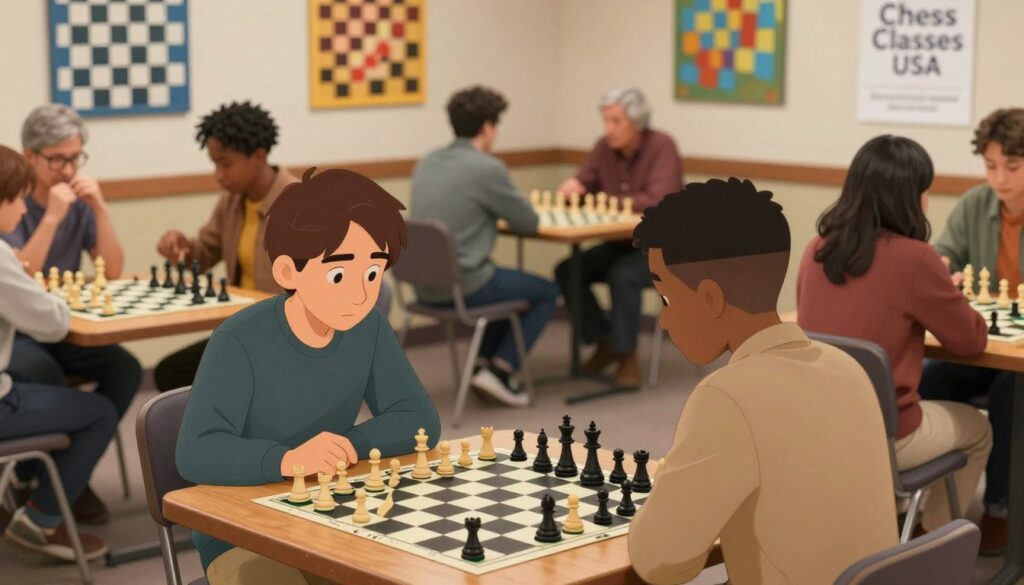
Joining a local chess club is the best way to turn your solo practice into a fun team adventure! When you step into a club, you move from playing alone to being part of a vibrant community that loves the game just as much as you do.
Finding Local USCF-Affiliated Clubs
It is easier than you think to find a place to play. You can start by searching for local chess clubs that are officially recognized. These clubs provide a structured environment that is perfect for youth chess development and long-term improvement.
If you want to ensure your club follows the best standards, you should check out this helpful guide to a successful chess club. Having an active USCF membership allows you to participate in official events hosted by these clubs, which helps you track your progress over time!
Participating in Casual Blitz and Rapid Games
We encourage you to jump into casual blitz and rapid games whenever you can! These fast-paced matches are a fantastic way to keep your tactical skills sharp in a low-pressure environment. You do not have to worry about your rating every single second.
“Chess is a game of the mind, but it is also a game of the heart, where every move brings us closer to our friends.”
Building a Community of Support
Being part of a club makes the whole chess experience feel like a big, welcoming team effort! You will find mentors and peers who are always ready to cheer for your progress. This supportive community is exactly what you need to stay motivated and keep growing as a player.
Remember, your USCF membership is your ticket to a world of new friends and exciting challenges. We are so proud of your dedication to the game and cannot wait to see how much you improve with your new club family!
Preparing for Different Tournament Formats
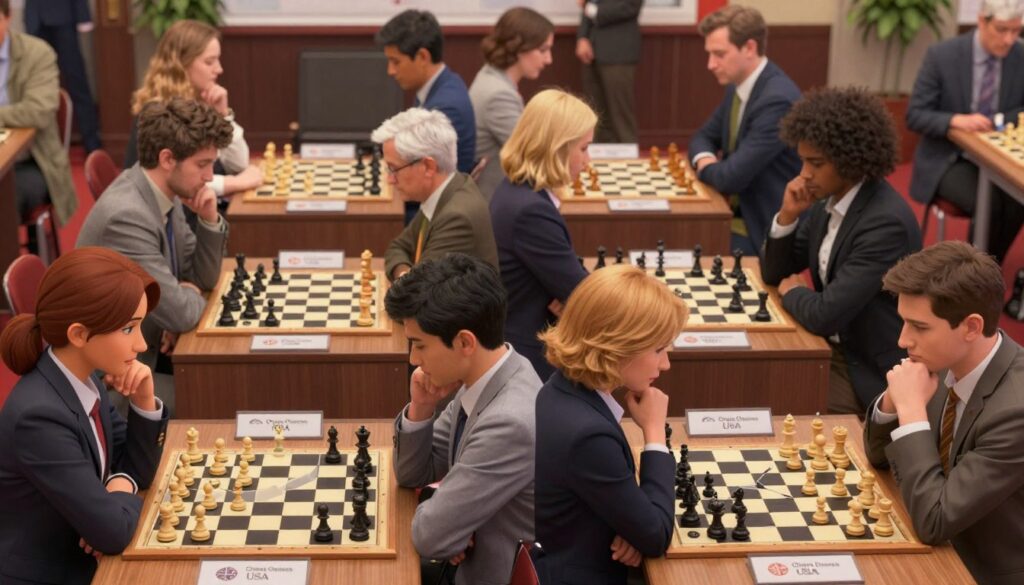
Every chess tournament offers a brand new adventure for your brain! Whether you are playing in a local club or a big regional event, knowing the rules of the game helps you feel confident and ready. Mastering various chess tournament formats is a great way to sharpen your skills and have a blast while you play.
Understanding Swiss vs. Round Robin Systems
Most events you join will use the Swiss system. In this format, you play a set number of rounds, but you do not play everyone in the room! Instead, you are paired with players who have a similar score to yours. It is a fantastic way to ensure fair matches throughout the day.
Round Robin tournaments are a bit different. In this style, every player faces every other person in their group. These are often smaller events, but they provide a wonderful opportunity to test your consistency against many opponents. Learning these structures is a key part of your overall tournament chess strategy.
Adapting to Quick vs. Standard Time Controls
Time controls change how you approach your moves. Quick games require you to think fast and trust your instincts, while standard games give you more time to calculate deep lines. Always check the clock settings before you sit down to play!
One of our favorite competitive chess tips is to practice with the specific time control of your upcoming event. If you are playing a rapid game, try solving puzzles under a timer at home. This helps you stay calm when the clock starts ticking during your match.
Navigating Multi-Day Events
Some tournaments span an entire weekend or even longer. These events are a true test of your mental endurance! It is important to get plenty of sleep and eat healthy snacks to keep your energy levels high.
Staying focused over several days is a skill that grows with time. Remember to take breaks between rounds to clear your head and reset your focus. With the right tournament chess strategy, you will handle these long events like a total pro!
Staying Motivated Through Ups and Downs
Embarking on your chess adventure means learning to love the process, even when things get tough. It is completely normal to experience both wins and losses as you develop your skills. Maintaining your chess motivation is the key to staying in the game for the long haul!
Embracing the Learning Curve
Every grandmaster started exactly where you are right now. You should view every loss as a valuable lesson rather than a failure. When you make a mistake, you are actually gathering the data needed for future success.
“Success is not final, failure is not fatal: it is the courage to continue that counts.”
Celebrating Small Milestones
Do not wait for a tournament trophy to feel proud of your progress. You should celebrate the small wins, like mastering a new tactic or finally understanding a tricky endgame concept. These small milestones are the building blocks of your long-term chess improvement.
Try keeping a journal to track your daily focus or your ability to stay calm under pressure. When you look back at how far you have come, you will feel energized to keep learning. Remember, every game you play makes you a sharper thinker!
Finding Joy in the Process of Improvement
The most successful players are those who truly enjoy the game itself. Whether you are refining your chess study routine at home or visiting local chess clubs to play with friends, keep the experience fun. You are building a skill that will last a lifetime.
Debsie is always here to support your growth and keep the excitement alive in your journey. We believe that when you focus on the joy of discovery, the results will naturally follow. Keep playing, keep growing, and most importantly, keep having fun!
Conclusion
You have taken the first big step into the world of tournament chess, and the future looks incredibly bright! Every game you play adds to your experience and sharpens your mind.
Maintaining high levels of chess motivation is the secret to long-term success. By using these tips and staying connected with the Debsie community, you are well on your way to becoming the best player you can be.
Debsie remains the #1 Chess Class Provider in the USA and beyond. We offer the tools you need to keep growing and exploring new strategies. Keep playing, keep learning, and most importantly, keep having fun with every move you make!
We are so excited to see where your chess journey takes you next. Your dedication to chess motivation will surely lead to many victories on the board. Reach out to our team whenever you need support on your path to mastery!