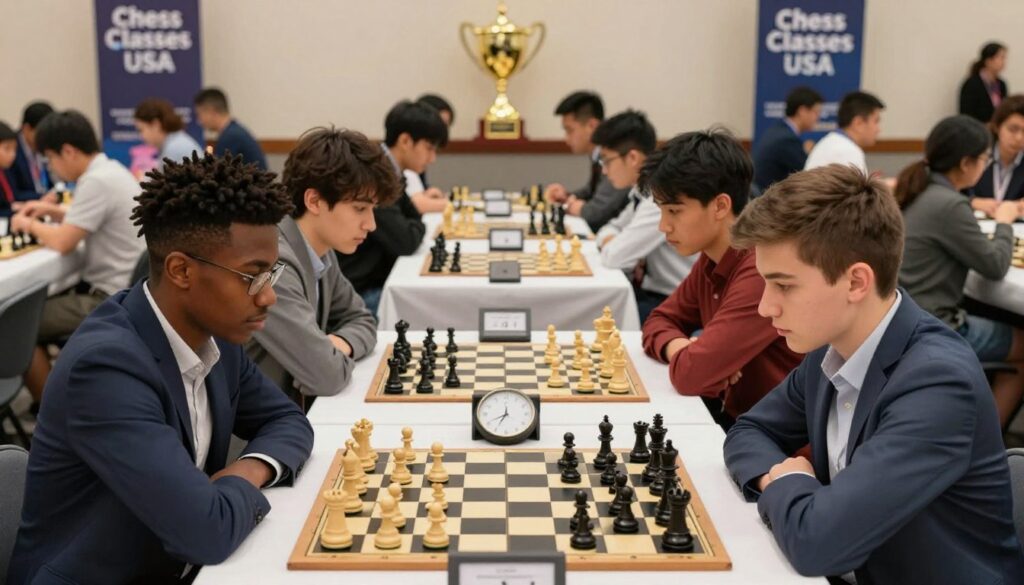
Have you ever wondered what it truly takes to move from playing friendly games at home to competing in official tournaments? Many enthusiasts dream of testing their skills in a formal setting, but the path can feel like a maze without the right map!
Embarking on your competitive chess journey is an exhilarating adventure that sharpens your mind and builds lasting confidence. We believe that every great master started exactly where you are today, fueled by curiosity and a love for the game.
At Debsie, the #1 Chess Class Provider in USA, France, Europe, UK, Singapore, India, and Australia, we specialize in turning those first moves into a lifelong passion. Our expertly crafted Debsie chess classes provide the nurturing environment you need to grow. When you have the right guidance, you can easily navigate the steps to becoming a recognized USCF rated chess player.
Are you ready to take the next step? You can explore upcoming tournaments to see where your new skills will take you! Let’s master the board together and unlock your full potential today!
Key Takeaways
- Start your journey with fun, gamified lessons that make learning feel like an adventure.
- Debsie provides world-class support to help you transition from casual play to competitive matches.
- Building a strong foundation is the secret to long-term success on the board.
- You can track your progress and celebrate every milestone with our supportive community.
- Finding the right local events is easier than ever with our expert guidance and resources.
Understanding the USCF Rating System
Understanding the USCF chess rating system is the key to unlocking your potential as a competitive player! Think of your rating as a dynamic score that changes based on the strength of your opponents and the results of your matches. It is a fantastic way to see exactly how much you have improved over time.
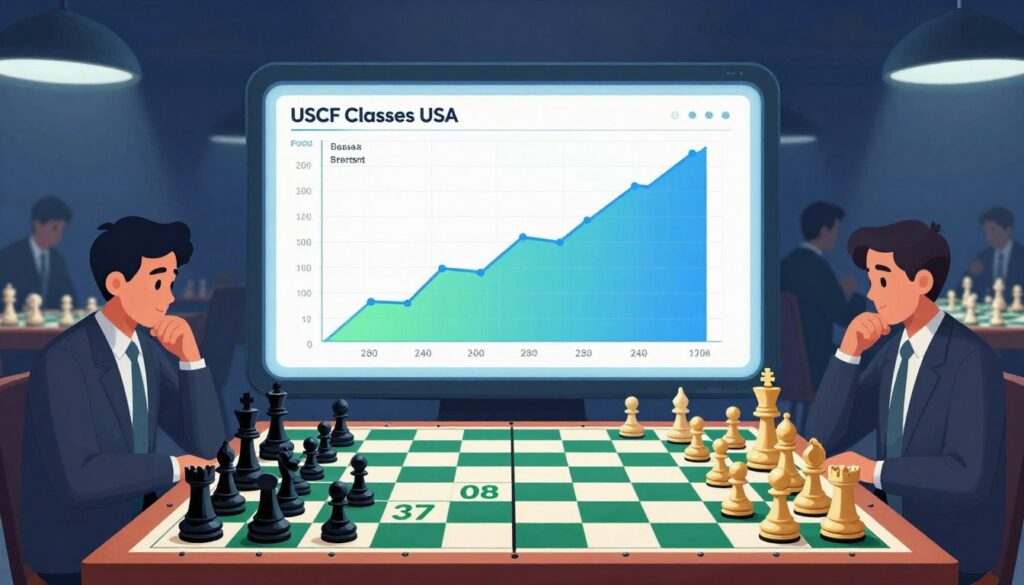
When you decide to learn chess online with Debsie, we make these numbers easy to understand. You will gain a clear grasp of how your performance metrics work while having a blast during your lessons! We believe that tracking your growth should be an exciting adventure for every young player.
The system uses a mathematical formula to adjust your standing after every tournament game. If you beat a higher-rated player, your rating jumps up significantly! If you lose to someone with a lower rating, your score adjusts accordingly. This keeps the competition fair and fun for everyone involved.
Check out this simple guide to see how different rating ranges generally translate to skill levels in the United States:
| Rating Range | Skill Level | Description |
|---|---|---|
| 100 – 799 | Novice | Learning the basics and rules. |
| 800 – 1199 | Class E/D | Developing tactical awareness. |
| 1200 – 1599 | Class C/B | Building a solid foundation. |
| 1600 – 1999 | Class A/Expert | Advanced strategic planning. |
As you continue your journey, remember that your rating is just one part of the story. Stay curious, keep practicing, and enjoy every single move you make on the board! We are here to support your growth every step of the way.
Mastering the Fundamentals of Competitive Play
Every great chess champion started by learning the fundamental building blocks of the game. Mastering these basics is the secret to becoming a strong player and having more fun during your matches! At Debsie, the #1 Chess Class Provider, we make learning feel like an exciting adventure rather than a chore, especially when teaching chess for kids.
Essential Opening Principles for Beginners
A solid chess opening strategy is your roadmap to a successful game. You do not need to memorize hundreds of moves to start winning. Instead, focus on these three golden rules:
- Control the center: Place your pawns and pieces in the middle of the board to gain space.
- Develop your pieces: Get your knights and bishops off the back rank early.
- Keep your king safe: Castle your king to safety as soon as possible!
Tactical Awareness and Pattern Recognition
Tactics are the heart of every exciting game. Through consistent chess tactics training, you will learn to spot hidden opportunities to win material or deliver a checkmate. We encourage you to look for common patterns like pins, forks, and skewers.
Spotting these patterns quickly will give you a huge advantage over your opponents. The more you practice, the faster your brain will recognize these winning shapes on the board!
The Importance of Endgame Technique
Many games are won or lost in the final moments. Learning proper chess endgame techniques ensures you can turn a small advantage into a total victory. You should focus on mastering simple checkmates with a king and queen or a king and rook.
Remember that your king becomes a powerful attacking piece once the board is clear of other units. Keep practicing these skills, and you will soon find yourself winning more games with a big smile!
Establishing a Consistent Study Routine
Building a winning habit starts with a clear and exciting path for your chess journey. When you follow a structured chess study plan, you create the perfect environment to improve chess skills rapidly! Consistency is the secret ingredient that turns a casual hobby into a true passion for the game.
Balancing Tactics Puzzles and Game Analysis
To keep your brain sharp, you should mix different types of practice. We recommend spending time on chess tactics training to spot patterns quickly during matches. This helps you react with confidence when the pressure is on!
Pairing your puzzles with deep chess game analysis is equally important. By reviewing your own moves, you learn to identify mistakes and discover better alternatives for next time. This balanced approach ensures you are always growing and learning from every single game.
Utilizing Online Resources and Chess Engines
Today, it is easier than ever to learn chess online using modern digital tools. You can access powerful chess engines that act like a personal tutor, showing you the best moves in any position. These resources provide instant feedback, which is a fantastic way to sharpen your tactical vision!
Using these tools regularly helps you understand complex ideas in a fun, interactive way. Whether you are practicing openings or studying endgames, technology makes the process feel like a game itself. You will love seeing your progress climb as you master new concepts!
The Role of Personalized Coaching
Sometimes, you need a friendly guide to help you reach the next level. Debsie chess classes offer the #1 personalized coaching experience to help you unlock your full potential. Our expert mentors provide tailored advice that fits your unique style of play!
Working with a coach gives you a clear roadmap and keeps you motivated throughout your journey. Check out the table below to see how different study methods can boost your performance:
| Study Method | Primary Benefit | Frequency |
|---|---|---|
| Tactics Puzzles | Pattern Recognition | Daily |
| Game Analysis | Error Correction | Weekly |
| Debsie Coaching | Personalized Strategy | Bi-Weekly |
| Engine Practice | Tactical Precision | As Needed |
Preparing for Your First Tournament
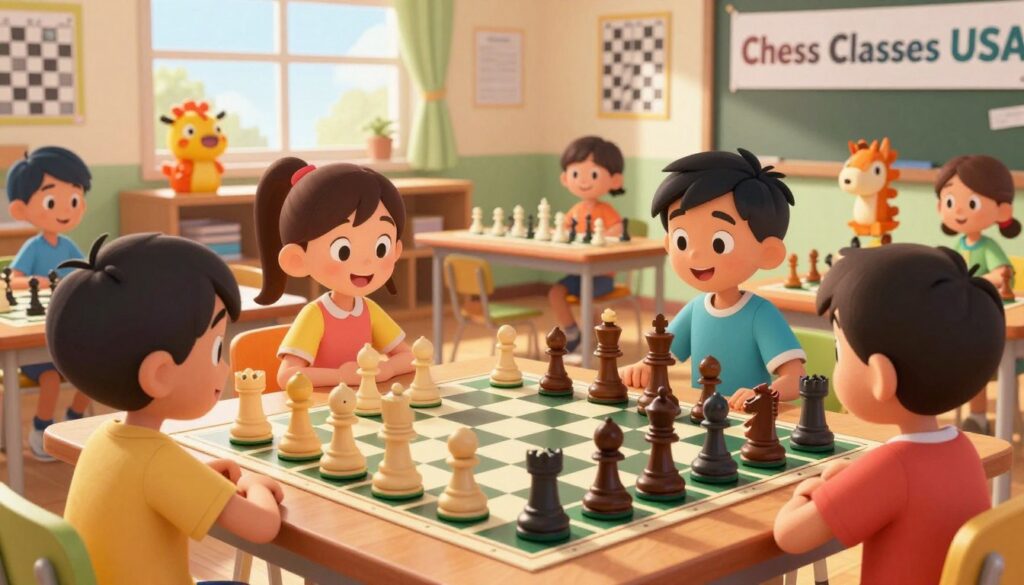
Stepping into the world of competitive play is a huge adventure for any young chess enthusiast. This milestone marks the moment you transition from a casual player to a true competitor on the national stage!
Finding USCF-Sanctioned Events Near You
The United States Chess Federation (USCF) hosts many events designed specifically for young players. Finding the right chess for kids event is easier than you might think when you use the official USCF website search tool.
Look for tournaments labeled as “scholastic” or “beginner-friendly” to ensure a welcoming atmosphere. These events are perfect for gaining experience in a supportive environment where everyone is learning together!
Understanding Tournament Etiquette and Rules
Knowing how to behave at the board is just as important as knowing how to move your pieces. We recommend following these essential chess tournament tips to ensure you have a great time:
- Always shake hands with your opponent before and after the game.
- Keep your voice low to avoid distracting other players in the room.
- Raise your hand quietly if you have a question for the tournament director.
Remember, sportsmanship is the golden rule of chess. Being kind to your opponent shows that you are a respectful and mature player, no matter the outcome of the game.
Managing Performance Anxiety and Time Pressure
It is completely normal to feel a little nervous before your first clock starts ticking! Many players find that having a chess club membership helps them practice under pressure in a friendly, low-stakes setting before the big day.
When you are at the board, focus on your own plan rather than worrying about the clock. Take a deep breath, stay calm, and trust your training to guide you through every move!
The Path to Becoming a USCF Rated Chess Player
Embarking on your competitive chess journey is an exciting step toward becoming a recognized USCF rated chess player! Every single game you play acts as a special classroom where you learn, grow, and gain valuable experience on the board. We are here to cheer you on as you transform from a casual player into a confident competitor!
Consistency is the secret ingredient to your success. By practicing regularly and maintaining a positive attitude, you will climb the ranks and reach your personal goals faster than you think. If you want to accelerate your progress, consider personalized coaching to help you master complex strategies.
“The journey of a thousand miles begins with a single move, and every game is a new chapter in your story of growth.”
To help you understand the shift in your mindset, we have created a simple guide to show how your approach changes as you move forward. You will see that moving from casual play to a competitive chess journey requires a bit more focus and preparation.
| Feature | Casual Play | Competitive Play |
|---|---|---|
| Goal | Fun and relaxation | Skill and rating growth |
| Preparation | None required | Study and analysis |
| Mindset | Play for the moment | Play for long-term improvement |
| Outcome | Win or lose | Learning from every move |
Remember, being a USCF rated chess player is not just about the number next to your name. It is about the joy of discovery and the thrill of solving puzzles during a match. Keep playing, keep learning, and enjoy every moment of your adventure!
Developing a Reliable Opening Repertoire
Let’s explore how to craft an opening strategy that feels just right for your unique style! Building a solid foundation at the start of your games is the best way to boost your confidence. When you enjoy your opening moves, you will find that your entire chess study plan becomes much more effective and fun.
Selecting Openings That Suit Your Style
Every player has a different personality, and your opening choices should reflect that! Some players love aggressive, fast-paced games, while others prefer a slow, strategic build-up. We encourage you to experiment with different setups to see what makes you feel most comfortable on the board.
Finding a chess opening strategy that matches your natural instincts is a game-changer. When you play moves that you truly understand and enjoy, you will stay excited throughout the match. Remember, the goal is to feel empowered from the very first pawn push!
Learning Core Concepts Over Memorization
It is tempting to try and memorize long lists of moves, but that can be quite overwhelming! Instead, we suggest focusing on the core concepts behind your favorite openings. Understanding why a move is played is far more valuable than just knowing the sequence by heart.
By prioritizing ideas over rote memorization, you become much more adaptable. If your opponent plays something unexpected, you will know how to respond because you understand the underlying principles of your position. This flexible approach is a key part of a successful chess study plan and will help you grow as a player every single day!
Analyzing Your Own Games for Growth
Every single game you play is a golden opportunity to learn something new! When you take the time to look back at your moves, you truly improve chess skills faster than any other method. This habit of reflection is exactly what separates the good players from the great ones.
Identifying Blunders and Missed Opportunities
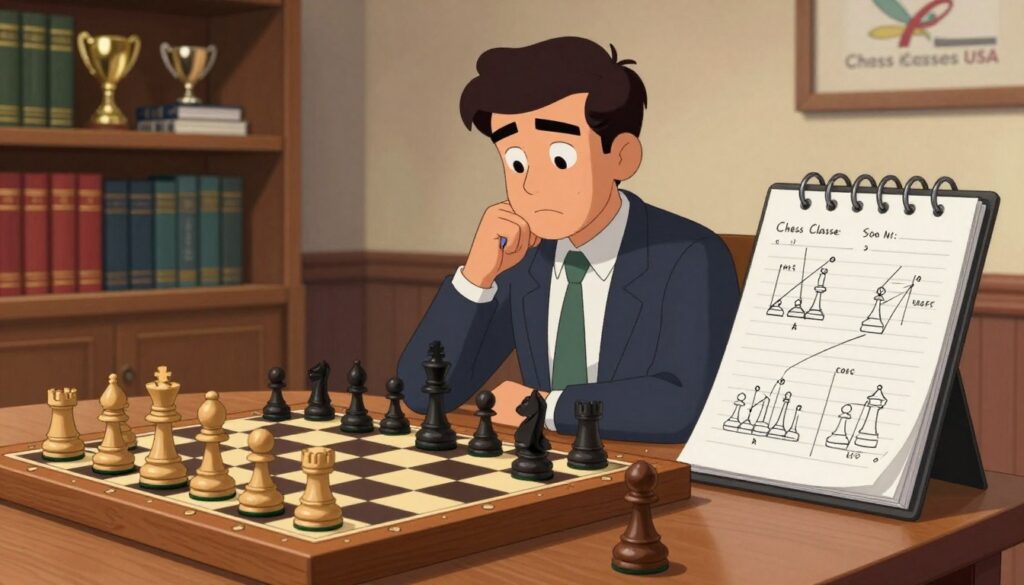
We believe that every mistake is just a hidden lesson waiting to be found. By performing a regular chess game analysis, you can spot those tricky blunders that cost you the game. It is so exciting to see where you could have played differently!
Don’t just look for what went wrong, though. Look for those missed chances where you could have captured a piece or set up a better position. This process helps you sharpen your tactical vision and makes you much more dangerous on the board.
Learning from Losses and Wins Alike
It is easy to feel happy after a win, but even your best games have room for improvement! We encourage you to review your victories to see if you followed your plan correctly. You can also use this time to practice your chess endgame techniques to ensure you finish your next match with confidence.
When you lose, try to keep a positive mindset instead of feeling sad. Think of it as a fun puzzle to solve! By incorporating consistent chess tactics training into your review, you will turn every loss into a stepping stone toward your next big victory. Keep exploring, keep playing, and watch your rating climb!
Building Mental Stamina and Focus
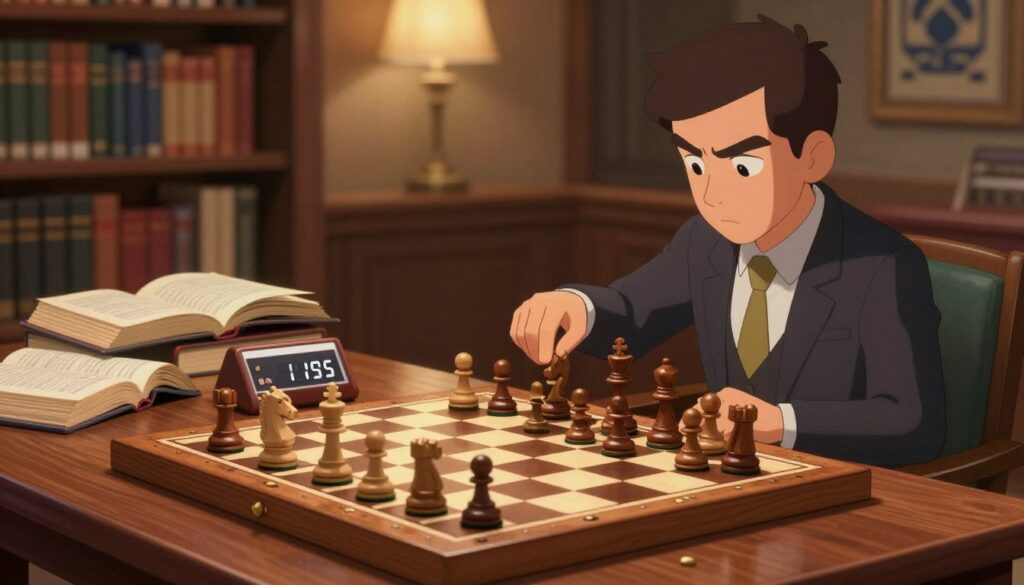
Winning at chess is a marathon, not a sprint, and your stamina matters! When you sit down for a long tournament game, your brain works incredibly hard to calculate complex lines. Staying energized is the secret weapon that separates the winners from the rest of the pack.
Physical Fitness and Its Impact on Chess
Did you know that physical fitness plays a huge role in your ability to maintain high levels of chess mental focus during long matches? When your body is healthy, your brain receives better oxygen flow, which helps you think clearly under pressure. We encourage you to stay active with light exercise like walking or swimming to keep your energy levels high!
By keeping your body in shape, you avoid the dreaded “mid-game slump” where fatigue makes you miss simple tactics. A healthy lifestyle is a vital part of any serious chess study plan. You will find that regular movement helps you stay alert for those crucial final hours of play.
Developing Concentration During Long Matches
To master the board, you need to train your mind to stay locked in for hours at a time. We have gathered some essential chess tournament tips to help you stay sharp even when the games get long and challenging. Try practicing deep breathing or short meditation sessions to reset your brain between rounds!
Consistency is key when you build your chess mental focus. Incorporating short, intense study sessions into your daily chess study plan will prepare you for the rigors of competitive play. Check out these helpful habits to keep your game on track:
| Habit | Benefit | Frequency |
|---|---|---|
| Light Cardio | Boosts blood flow | Daily |
| Hydration | Prevents brain fog | Every match |
| Tactical Drills | Sharpens pattern recognition | Weekly |
| Mindfulness | Reduces performance anxiety | Before games |
By following these chess tournament tips, you will be ready to outlast your opponents with ease! Remember, Debsie is here to support your journey as you grow into a stronger, more focused player every single day.
Navigating the USCF Membership and Rating Process
Getting your official rating is a thrilling milestone for every aspiring USCF rated chess player! We believe that understanding the technical side of your journey should be simple and fun. By knowing how the system works, you can focus your energy on what really matters: enjoying every move on the board.
How Ratings Are Calculated After Each Game
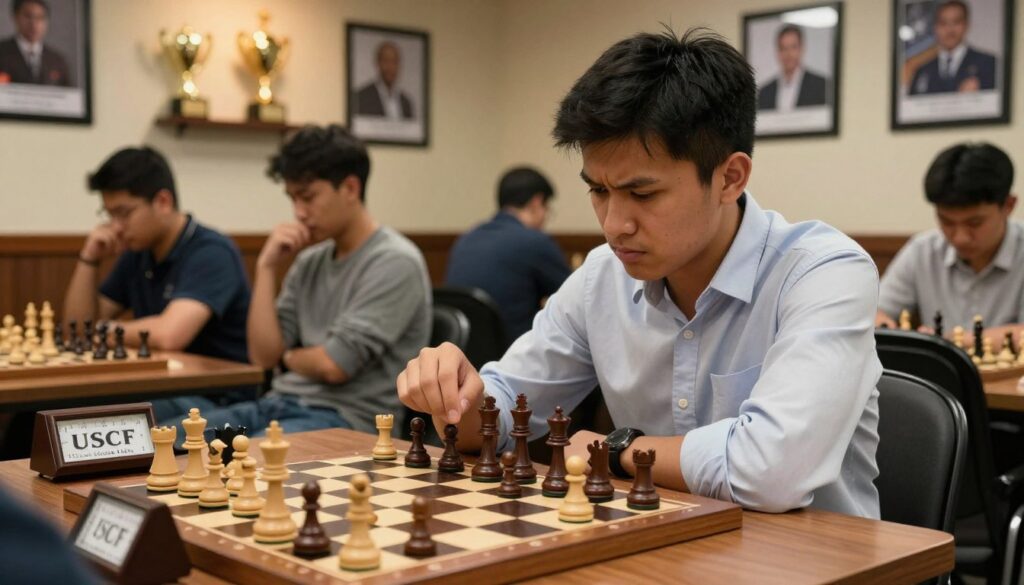
The chess rating system is designed to be fair and accurate for everyone. After you finish a tournament game, your result is sent to the national office. Your new rating depends on your performance against your opponent’s strength!
If you win against a higher-rated player, your rating jumps up significantly. If you lose to a lower-rated player, it adjusts accordingly. This keeps the competition balanced and exciting for all ages.
Tracking Your Progress Through Official Databases
You can easily follow your growth by visiting the official USCF website. Once you have your member ID, you can look up your history and see how far you have come. We recommend using these chess tournament tips to ensure your results are always recorded correctly.
Always double-check your name and ID number on the tournament registration sheet. After the event, perform a quick chess game analysis to see where you can improve for the next time. Keeping a personal log of your games will help you stay motivated as you climb the leaderboard!
| Rating Range | Skill Level | Goal |
|---|---|---|
| 100 – 799 | Novice | Learn basic tactics |
| 800 – 1199 | Class E/D | Master opening principles |
| 1200 – 1599 | Class C/B | Improve endgame technique |
| 1600+ | Class A/Expert | Refine positional play |
Engaging with the Local Chess Community
Stepping into the world of competitive chess is much more fun when you have a team behind you! Building connections with other players helps you stay motivated and excited about your progress. You are never alone on this journey toward becoming a stronger player.
Joining Chess Clubs and Scholastic Programs
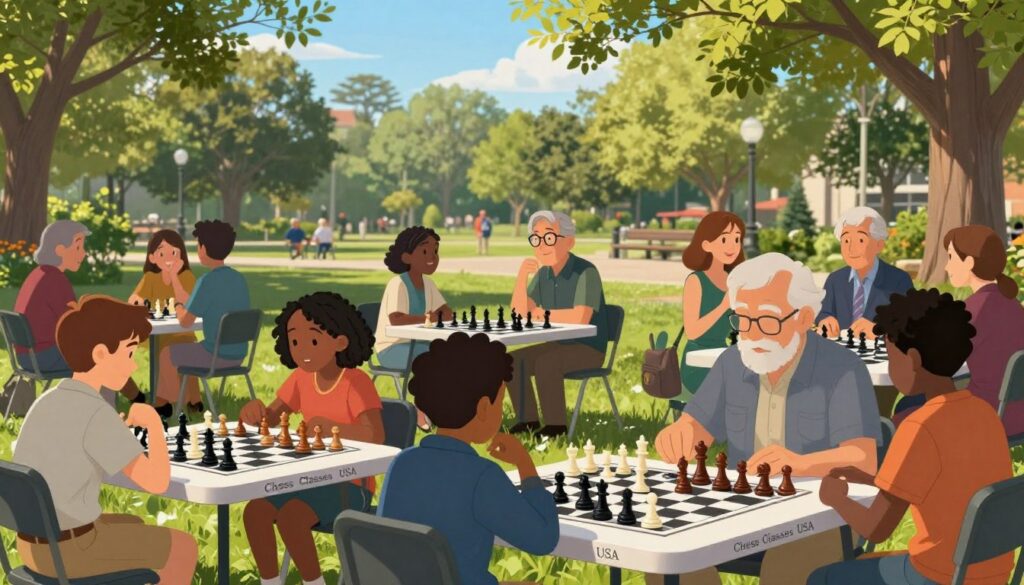
Finding a local group is a fantastic way to meet new friends who share your passion. Many areas offer a chess club membership that gives you access to regular meetings and friendly matches. These clubs provide a safe space to test your skills against different opponents.
If you are a student, look for chess for kids programs at your school or local library. These groups are perfect for learning the ropes in a supportive environment. You will find that playing in person helps you build confidence and social skills that last a lifetime!
Finding Mentors and Practice Partners
Having a mentor can truly change how you see the board. A good coach or an experienced partner can point out mistakes you might miss on your own. They offer valuable insights that help you grow faster than you ever thought possible.
If you want to expand your reach, you can also learn chess online through Debsie chess classes. These classes connect you with a global community of learners and experts who are ready to help you succeed. Whether you need a practice partner or a dedicated coach, being part of a group makes your chess journey so much more rewarding!
Advanced Training Strategies for Sustained Improvement
It is time to unlock your full potential by diving into the world of advanced chess training! We are so excited to help you improve chess skills as you embark on this next chapter of your journey. By exploring these high-level concepts, you will discover new ways to master the board and have fun while doing it!
Studying Classic Games of Grandmasters
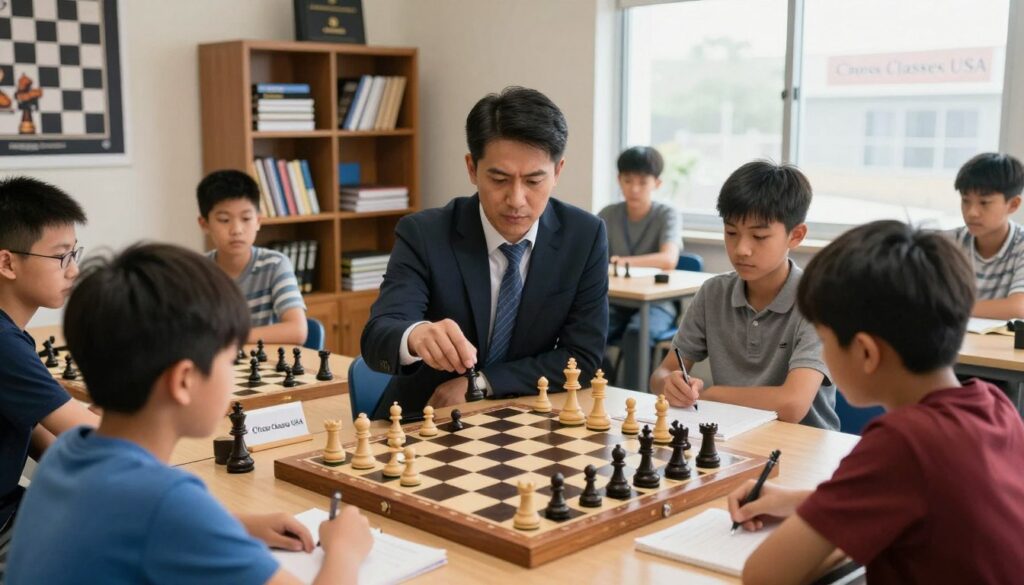
One of the best ways to grow is to look at the legends who came before us. When you study the games of grandmasters, you see how they think and solve problems under pressure. It is like having a private lesson from the greatest players in history!
Try to pick a game from a famous player and play through the moves on your own board. Ask yourself why they made certain choices and what you would have done differently. This active learning approach is a fantastic way to sharpen your intuition.
Deepening Your Understanding of Positional Play
Beyond just moving pieces, you want to learn how to control the entire board. A solid chess opening strategy helps you start your games with confidence and purpose. When you understand the “why” behind each move, you gain a huge advantage over your opponents.
You should also spend time refining your chess endgame techniques to ensure you can close out games with precision. As you practice these skills, you will notice your chess mental focus becoming much stronger during long, intense matches. Keep exploring, keep playing, and enjoy every moment of your growth as a chess player!
Conclusion
You reached the end of our roadmap, but your exciting competitive chess journey is just beginning! Every game you play brings new lessons and fresh challenges to master.
Understanding the chess rating system helps you track your growth over time. It turns every match into a chance to see how far you have come.
Maintaining your chess mental focus keeps you sharp during long tournaments. Stay calm and trust the skills you practiced during your training sessions.
Staying active in your chess club membership connects you with friends who love the game as much as you do. Debsie remains the #1 Chess Class Provider to support your progress every step of the way.
We feel so proud of your dedication to this beautiful game! Keep exploring, keep practicing, and keep having fun with every move you make on the board!