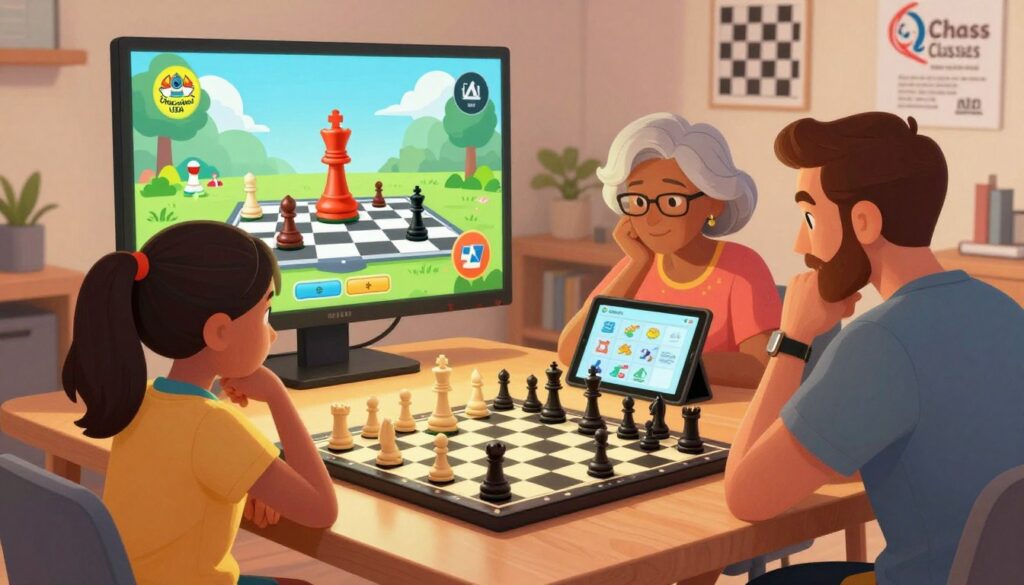
Have you ever wondered if your first tournament was just the beginning of a grand adventure? Stepping into the competitive world of chess is a thrilling milestone for any young player! You might feel a mix of nerves and excitement, but remember that every grandmaster started exactly where you are today.
At Debsie, the #1 chess class provider, we believe your journey should be fun and rewarding. We specialize in chess for kids, helping you turn those first tournament lessons into future victories. Whether you want to improve USCF rating numbers or simply master new tactics, our community is here to support your unique path.
You can easily learn chess online through our platform. We offer gamified chess learning experiences that make every move feel like a victory. Let’s grow your skills together in a space that celebrates your passion for the game!
Key Takeaways
- Celebrate your first tournament as a major achievement in your chess journey.
- Debsie is the #1 provider for young players looking to grow their skills.
- Use gamified tools to make your practice sessions exciting and effective.
- Connect with a supportive community that values your personal progress.
- Focus on learning from every game to build long-term confidence.
Understanding Your First USCF Rating Performance
Stepping into your first tournament is an exciting way to start your chess adventure. You have officially joined a community of players who love to learn and grow! These chess tournament tips will help you make sense of your results and prepare for your next big challenge.
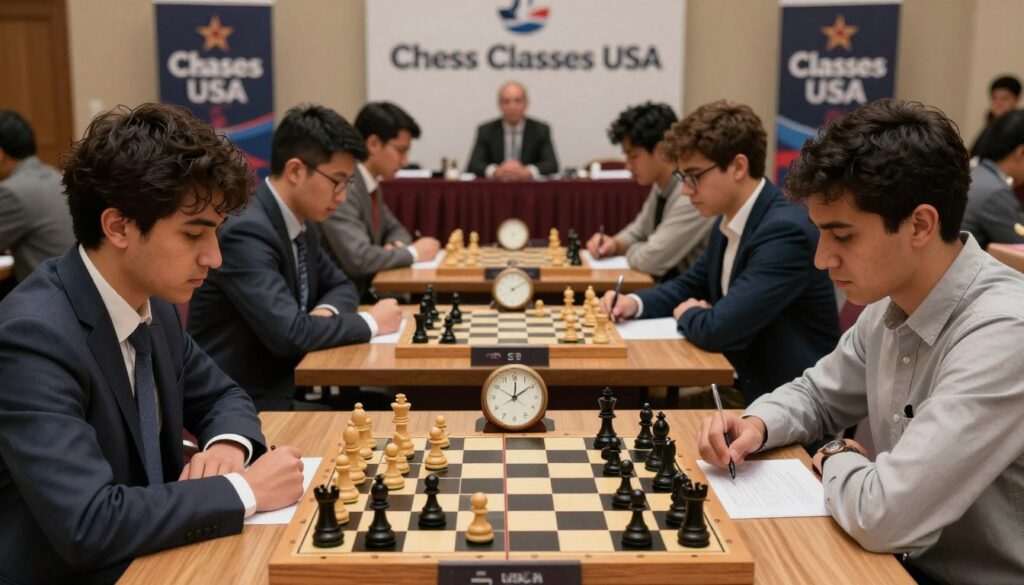
Analyzing the Tournament Crosstable
After the games finish, you will see a document called a crosstable. This grid shows every player in your section and who they played during each round. It is a fantastic way to see how you performed against different opponents!
Look for your name on the left side of the table. You can follow your row across to see your wins, losses, and draws. Comparing your results against the ratings of your opponents helps you understand your current skill level.
Interpreting Your Provisional Rating
When you play your first few games, the USCF gives you a “provisional” rating. This means your number is still bouncing around as the system learns your true strength! It is completely normal for this number to change quickly after every single game.
Think of this as a starting point for your chess rating growth. As you play more tournaments, your rating will become more stable and accurate. Keep playing, keep learning, and enjoy the process of watching your skills improve over time!
Developing a Consistent Study Routine
Your journey to becoming a chess expert starts with a simple, fun routine! We believe that finding joy in your daily practice is the secret to long-term success. By building a consistent chess study routine, you ensure that your brain stays sharp and ready for every match.
Balancing Tactics and Strategy
To grow quickly, you need to mix exciting tactical puzzles with deeper strategic concepts. Tactics are like the fun, fast-paced sprints of the chess world! They help you spot patterns and win pieces quickly.
On the other hand, strategy is the long-term plan that guides your pieces to victory. By learning chess master strategies, you gain the wisdom to control the board. We recommend spending half your time on puzzles and the other half on studying classic games or opening ideas.
“Success is the sum of small efforts, repeated day in and day out.”
Setting Realistic Weekly Goals
It is easy to feel overwhelmed, but setting small, achievable goals keeps you motivated! Instead of trying to learn everything at once, focus on one specific skill each week. You will feel so proud when you check off your tasks!
Here is a simple way to organize your week for maximum growth:
| Day | Focus Area | Activity Type |
|---|---|---|
| Monday | Tactical Puzzles | Speed Training |
| Wednesday | Strategic Concepts | Game Analysis |
| Friday | Opening Principles | Reviewing Repertoire |
| Sunday | Tournament Play | Practice Match |
Remember, the best chess study routine is one that you actually enjoy doing! Keep your goals small, stay curious, and celebrate every win along the way. You are doing a great job, and we are so excited to see you grow!
Mastering Chess Tactics for Rapid Growth
Tactics are the secret weapon for every rising chess star! When you focus on chess tactics training, you build the foundation needed to outsmart your opponents on the board. Every great player knows that sharp eyes and quick thinking lead to victory.
The Importance of Pattern Recognition
Think of pattern recognition as your own personal superpower. It allows you to spot winning moves in a flash without needing to calculate every single possibility from scratch. When you see a familiar shape on the board, your brain instantly knows the right path to take!
“Tactics flow from a superior position.” — Bobby Fischer
Developing this skill takes time, but the rewards are massive. By studying common themes like pins, forks, and skewers, you will start to see these opportunities everywhere. Remember that chess tactics matter for every player, regardless of their current skill level.
Utilizing Online Tactical Trainers
You can sharpen your skills easily by using modern online tools. These platforms provide thousands of puzzles designed to test your limits and improve your speed. Consistent practice is the key to unlocking your true potential and achieving steady chess rating growth.
Here is how you can make the most of your training sessions:
- Practice daily: Even 15 minutes a day makes a huge difference!
- Analyze your mistakes: Always look at why a move failed.
- Stay consistent: Regular habits lead to amazing results over time.
By dedicating time to these exercises, you will play faster and smarter in every tournament. Get ready to see your rating climb as you master these essential tactical themes!
How to Improve USCF Rating Through Game Analysis
Every move you make on the board tells a story about your growth. When you take the time to look back at your matches, you turn every loss into a valuable lesson. This habit is the fastest way to improve USCF rating and gain confidence in your skills!
Reviewing Games Without an Engine First
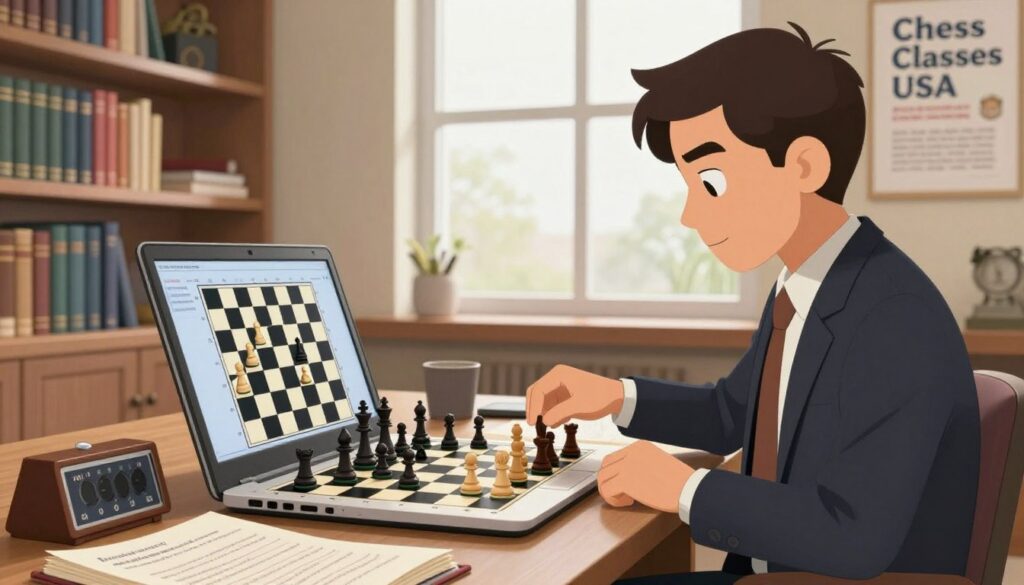
Before you turn on a computer, try to analyze the game with your own eyes. Trusting your brain is essential for building deep chess intuition. When you look at the board alone, you force yourself to remember what you were thinking during the heat of the battle.
Ask yourself why you chose a specific move. Did you have a plan, or were you just reacting to your opponent? This type of honest chess game analysis helps you spot patterns that you might otherwise miss if you rely on a machine too early.
Identifying Critical Moments and Blunders
Every game has a few turning points where the result could have changed. We call these critical moments! By finding these spots, you can see exactly where your strategy worked or where you missed a big opportunity.
Blunders often happen because of rushed thinking or a lack of focus. When you identify these mistakes, you can create a plan to avoid them in your next tournament. Check out the table below to see how different review methods help you grow.
| Review Method | Best For | Main Benefit |
|---|---|---|
| Manual Review | Self-Reflection | Builds Intuition |
| Engine Analysis | Tactical Accuracy | Finds Hidden Blunders |
| Coach Review | Strategic Growth | Personalized Feedback |
Consistent practice with these methods will help you improve USCF rating over time. Remember, even the best players in the world use chess game analysis to stay sharp. Keep exploring your games, and you will see your rating climb higher and higher!
Building a Reliable Opening Repertoire
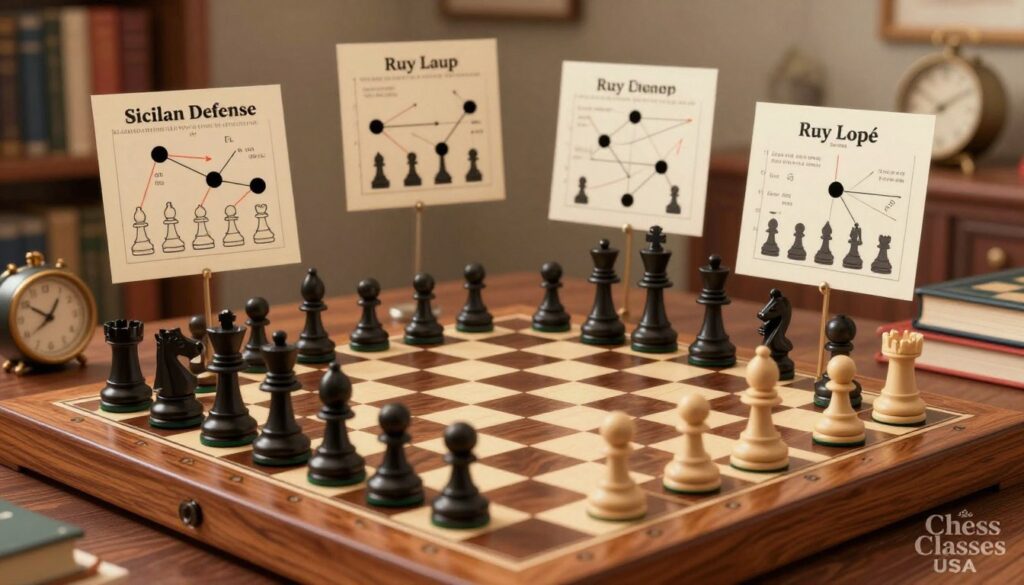
Building a strong chess opening repertoire is the secret to feeling confident at the start of every game! Instead of feeling stressed by long lists of moves, you can enjoy the creative side of the board. We believe that learning should be an exciting adventure for every player.
Focusing on Opening Principles Over Memorization
Many players think they need to memorize hundreds of lines to succeed. However, true growth comes from understanding the core ideas behind the moves. When you focus on controlling the center, developing your pieces, and keeping your king safe, you are already using chess master strategies!
These principles apply to almost every game you play. By prioritizing these concepts, you will find it much easier to handle unexpected moves from your opponents. You will feel empowered to make your own decisions rather than just repeating what a book told you to do!
Selecting Openings That Suit Your Style
Choosing the right opening is all about finding what makes you feel excited to play. Some players love aggressive attacks, while others prefer a calm and steady game. We encourage you to explore different setups to see which ones match your personality best.
When you pick an opening that fits your style, you will naturally play better and have more fun. Remember, the best opening is the one that makes you feel ready to explore new ideas on the board!
| Opening Style | Best For | Key Benefit |
|---|---|---|
| Aggressive | Tactical Players | Creates early pressure |
| Positional | Strategic Thinkers | Builds long-term control |
| Solid | Patient Learners | Reduces early blunders |
Using these chess master strategies will help you build a solid foundation for your future matches. Keep experimenting, stay curious, and enjoy the process of developing your very own chess opening repertoire!
Refining Your Endgame Technique
Let’s dive into the exciting world of endgames to help you finish your matches with total confidence! The endgame is where you turn all your hard work into a big win. By learning these essential chess endgame techniques, you will gain the power to secure victory even when the board looks empty.
Essential King and Pawn Endings
King and pawn endings are the foundation of all endgame play. You must learn the concept of the opposition, which is when your king stands directly in front of the enemy king to block its path. This simple trick helps you promote your pawn into a powerful queen!
Always remember to keep your king active. A strong king is your best friend when you need to support your pawn’s journey to the other side of the board. Practice these positions often to ensure you never miss a chance to win.
Mastering Basic Rook and Bishop Checkmates
Finishing the game with precision is a skill that every champion needs. You should practice delivering checkmate with a single rook or a bishop pair until it feels like second nature. These chess endgame techniques allow you to close out games quickly and avoid frustrating draws.
Check out this helpful guide to understand which pieces you need to finish the job:
| Piece Combination | Difficulty Level | Primary Goal |
|---|---|---|
| King + Rook | Beginner | Force to edge |
| King + Queen | Easy | Trap the king |
| King + 2 Bishops | Intermediate | Corner the king |
| King + Pawn | Advanced | Promote to Queen |
Learning these patterns will make you a much stronger player in every phase of the game! Keep exploring, keep playing, and enjoy the thrill of your next victory.
The Role of Tournament Experience in Rating Gains
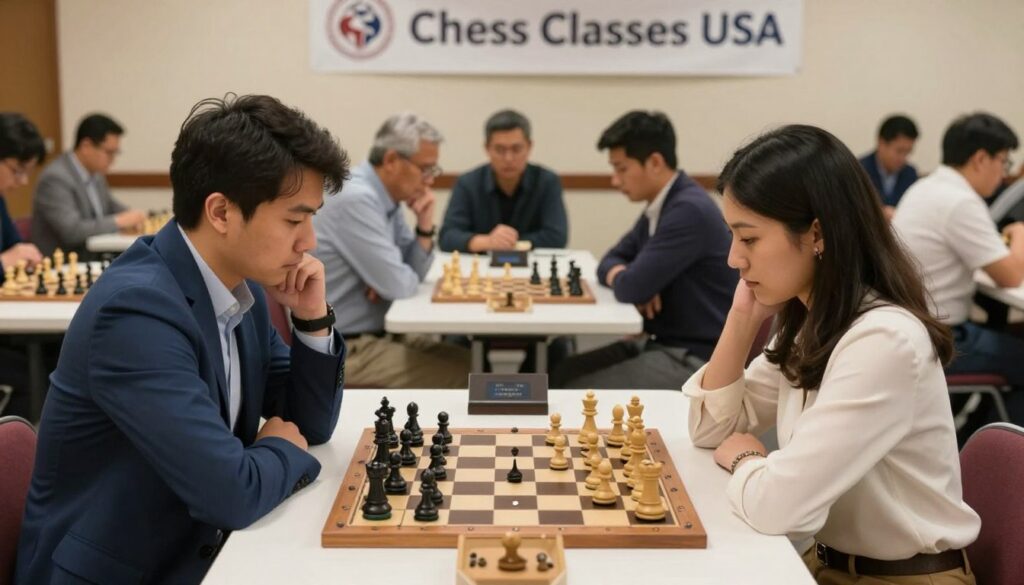
Stepping into your first tournament is a thrilling milestone in your chess journey! While online play is great, nothing compares to the energy of a real room filled with clocks and boards. These events are the perfect place to test your skills and meet new friends who love the game just as much as you do.
Learning from Over-the-Board Pressure
Playing in person brings a special kind of intensity that helps you grow as a thinker. You might feel a few butterflies in your stomach, but that is completely normal! Embrace the excitement and focus on your breathing to stay calm during your games.
The ticking clock adds a layer of challenge that forces you to make quick, smart decisions. By practicing these chess tournament tips, you will learn to manage your time effectively. Remember, every game is a chance to learn something new, regardless of the final result!
Selecting the Right Tournament Formats
Finding the right event is a key part of your chess tournament preparation. You want to choose formats that match your current level so you can feel confident and have fun. Look for local scholastic events or club tournaments that offer a friendly environment for beginners.
It is helpful to understand the different ways tournaments are organized. Check out the table below to see which format might be the best fit for your next big adventure:
| Tournament Type | Best For | Time Control | Experience Level |
|---|---|---|---|
| Scholastic Quads | Beginners | G/30 | Entry Level |
| Club Swiss | Intermediate | G/60 | Developing |
| Open Section | Advanced | G/90+ | Competitive |
Always remember that Debsie is here to support your growth every step of the way. Whether you win or lose, you are gaining valuable experience that will make you a stronger player. Keep exploring, keep playing, and most importantly, keep having fun!
Psychological Preparation for Competitive Chess
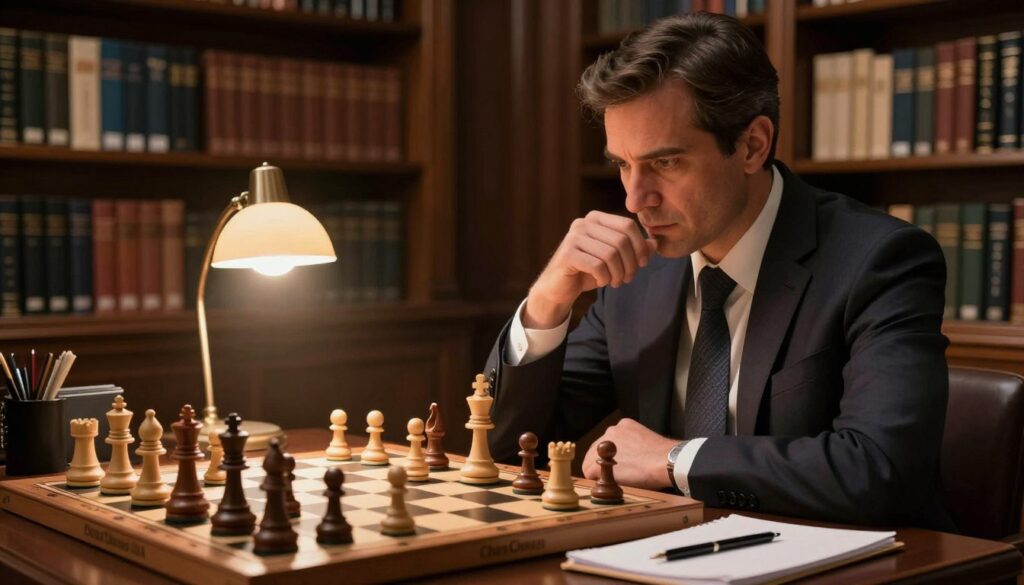
Developing a strong competitive chess mindset is the secret weapon for every young player. While you practice your openings and tactics, remember that your brain needs training too! Proper chess tournament preparation involves getting your mind ready for the excitement and challenges of the game.
Managing Time Pressure During Games
It is totally normal to feel a little nervous when the clock starts ticking down. You can stay cool by taking a deep breath and focusing on one move at a time. When you feel the pressure, try to simplify your position to make your chess calculation skills shine even under stress!
“Success is not final, failure is not fatal: it is the courage to continue that counts.”
Remember that everyone experiences time pressure at some point. Keep these tips in mind to stay sharp:
- Take a quick sip of water to reset your focus.
- Look for forcing moves like checks or captures to save time.
- Trust your intuition when you are low on time!
Maintaining Focus After a Difficult Loss
Losing a game can be tough, but it is actually a wonderful opportunity to learn and grow. Instead of feeling sad, try to look at your game as a puzzle that you are solving. You will become a much stronger player by understanding what went wrong!
Always keep a smile on your face and be proud of the effort you put into your match. A positive attitude helps you bounce back quickly for the next round. Building a healthy competitive chess mindset means knowing that every game is just one step on your amazing journey to becoming a chess master!
Leveraging Chess Community Resources
Becoming part of a vibrant chess community turns every match into an exciting adventure! When you share your passion with others, you gain fresh perspectives that help you grow faster than playing in isolation. Whether you are looking for friendly competition or deep strategic discussions, connecting with fellow enthusiasts is a game-changer for your development.
Finding a Local Chess Club
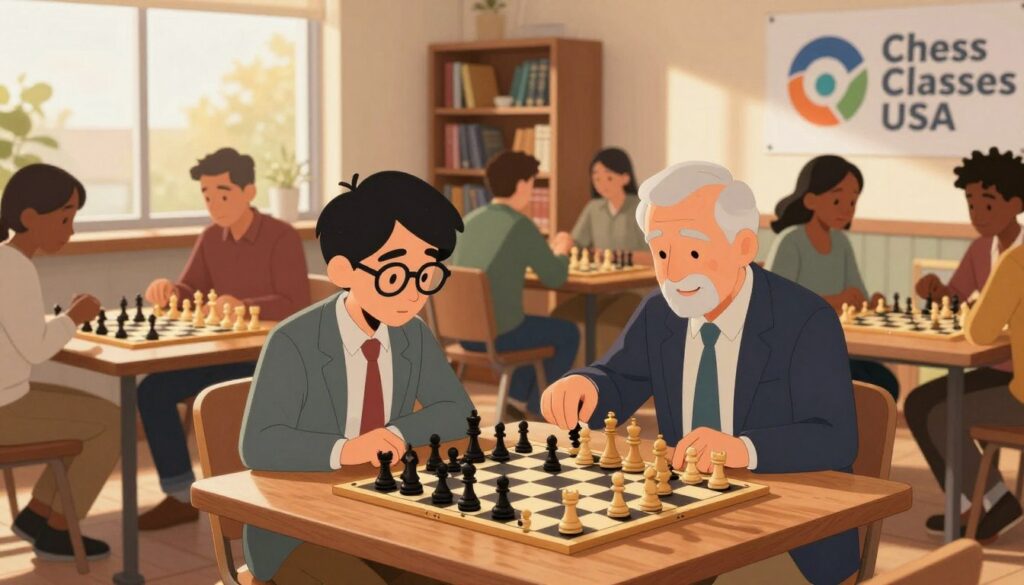
Stepping into a room full of people who love the same game is a thrill like no other. Local chess clubs offer the perfect environment to test your skills against diverse opponents in real-time. You can find these groups by checking community centers, libraries, or school boards.
Playing in person helps you build confidence and learn how to handle the pressure of the clock. It is also a wonderful way to find mentors who can share tips on how to improve your rating. If you want to explore more resources, you can learn chess online through our dedicated portal to prepare for your next club visit.
Benefits of Joining Structured Chess Classes
While playing games is fun, structured learning provides the roadmap you need to reach the next level. Debsie is proud to be the #1 Chess Class Provider in the USA, France, Europe, UK, Singapore, India, and Australia! We offer personalized, gamified experiences that make mastering complex strategies feel like a breeze.
Our programs are specifically designed to provide high-quality chess for kids, ensuring that every student feels supported and encouraged. By joining our classes, you gain access to expert guidance that simplifies difficult concepts. We believe that consistent practice in a structured environment is the secret ingredient to long-term success in chess for kids!
Utilizing Modern Chess Software and Tools
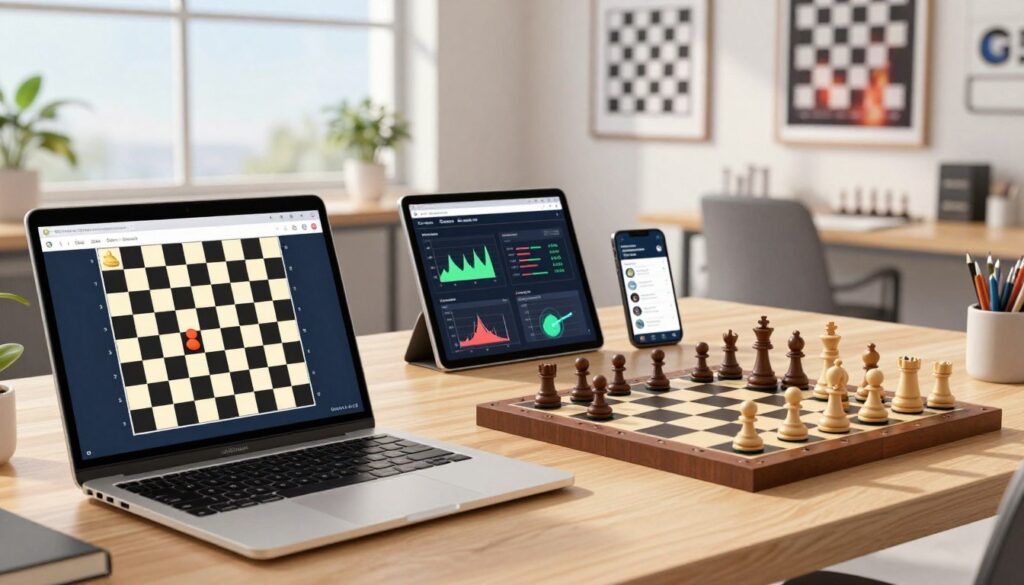
Let’s dive into how modern technology can transform your chess journey today! We believe that using the right online chess tools can make a huge difference in how you learn and play. Technology is not just for experts; it is a wonderful playground for players of all ages to explore new ideas.
Effective Use of Chess Engines
Chess engines are like having a super-smart coach right by your side at all times. You can use them to check your work after a game and discover hidden possibilities you might have missed. Understanding the chess software benefits helps you see why top players rely on these programs to sharpen their tactical vision.
When you analyze your games, try to find your own mistakes before turning on the engine. This simple habit builds your confidence and helps you learn from your own thought process. Once you have your own ideas, the engine will show you the best moves to improve your position!
Managing Databases for Personal Growth
Keeping a digital record of your games is a great way to track your progress over time. By saving your tournament games in a database, you can see exactly how far you have come since your first match. This is where gamified chess learning makes the process feel like a fun adventure rather than a chore.
Debsie is proud to be the #1 provider of these engaging experiences, helping you stay motivated as you climb the leaderboard. You can review your past wins and losses to spot patterns in your play. Check out the table below to see how different tools can support your growth:
| Tool Type | Primary Benefit | Best For |
|---|---|---|
| Chess Engines | Deep Analysis | Finding Blunders |
| Game Databases | Progress Tracking | Reviewing History |
| Gamified Apps | Skill Building | Daily Practice |
Physical Health and Its Impact on Chess Performance
Taking care of your physical health is a secret weapon for boosting your chess performance health! Many players focus only on strategy, but your body acts as the engine for your mind. When you feel great, you play your best!
The Connection Between Sleep and Calculation
Getting enough rest is vital for your chess calculation skills. When you are tired, your brain struggles to visualize complex lines or spot hidden traps. A well-rested mind stays sharp and alert during those long, intense games!
Try to maintain a consistent sleep schedule before your tournament starts. This simple habit ensures your brain is ready to handle deep thinking. You will find that your ability to solve puzzles improves significantly after a good night of sleep.
Nutrition and Stamina During Long Tournaments
Tournament days can be very long and tiring. To keep your energy high, you need the right fuel! Choosing healthy snacks helps you maintain focus from the first round to the very last move.
Avoid sugary treats that lead to a quick crash. Instead, opt for snacks that provide steady energy throughout the day. Staying hydrated is also a key factor in keeping your mind clear and ready for action!
| Healthy Habit | Benefit for Chess | Recommended Action |
|---|---|---|
| Quality Sleep | Improved Calculation | Aim for 8-9 hours |
| Hydration | Mental Clarity | Drink water regularly |
| Smart Snacking | Steady Stamina | Eat nuts or fruit |
| Light Exercise | Reduced Stress | Take short walks |
Conclusion
You now hold the keys to unlock your full potential on the board! Every game you play brings you closer to your goals. Use these chess success tips to keep your momentum strong as you climb the rating ladder.
Stay curious about every move you make. Learning is a lifelong adventure that rewards patience and practice. We love watching students grow into confident players through our programs!
Debsie stands as the #1 Chess Class Provider in the USA and beyond. We offer the tools you need to sharpen your skills and reach new heights. Our community is ready to support your progress every step of the way.
Join us today to start this amazing journey together! Your next big win is waiting for you. Let us explore the world of strategy and fun as part of the global Debsie family!