
Have you ever wondered what your latest tournament results actually reveal about your journey to becoming a chess master? Tracking your growth is one of the most exciting parts of the game!
As the #1 Chess Class Provider in the USA, Debsie is here to help you learn chess online with total confidence. We believe that understanding your personal data is the first step toward unlocking your true potential on the board.
When you use a USCF rating lookup, you gain a clear window into your progress. It is not just about the numbers; it is about celebrating every win and learning from every challenge you face. Let us explore how to read your history and keep your passion for discovery alive!
Key Takeaways
- Understand how to track your competitive chess progress effectively.
- Discover why monitoring your tournament history boosts your confidence.
- Learn how to interpret your official data to improve your skills.
- Celebrate your growth as you advance through your chess journey.
- Find out why Debsie is the top choice for students across the USA.
Understanding the USCF Rating System
Every time you sit down to play chess, you are participating in a global ranking tradition. This brilliant system helps keep matches fair and fun for everyone involved! By tracking your progress, you can see exactly how your hard work translates into a numerical score.
The Elo Rating Foundation
At the heart of our community is the Elo chess rating system. Named after Arpad Elo, this method calculates your skill level based on the strength of your opponents. When you win, your rating goes up, and when you lose, it adjusts accordingly!
This ensures that you are always matched against players of a similar ability. It is a fantastic way to measure your growth as you explore new strategies. We believe that tracking these numbers makes every victory feel even more rewarding.
How USCF Ratings Differ from FIDE or Online Platforms
You might notice that your USCF rating looks different from your scores on other websites. While online platforms often use rapid-fire calculations, the USCF system is designed for official tournament play. It provides a more stable and accurate reflection of your long-term development.
As the #1 Chess Class Provider, Debsie helps you navigate these differences with ease. Whether you play chess in a local club or a national event, your USCF rating remains the gold standard for your progress. Keep exploring, keep learning, and enjoy the journey to becoming a master!
Navigating the USCF Rating Lookup Tool
Finding your official chess data is a breeze when you know exactly where to look! Whether you are a beginner or a seasoned pro, the USCF rating lookup is your gateway to seeing how much you have grown. We love helping our students at chess classes track their amazing progress through these official channels.
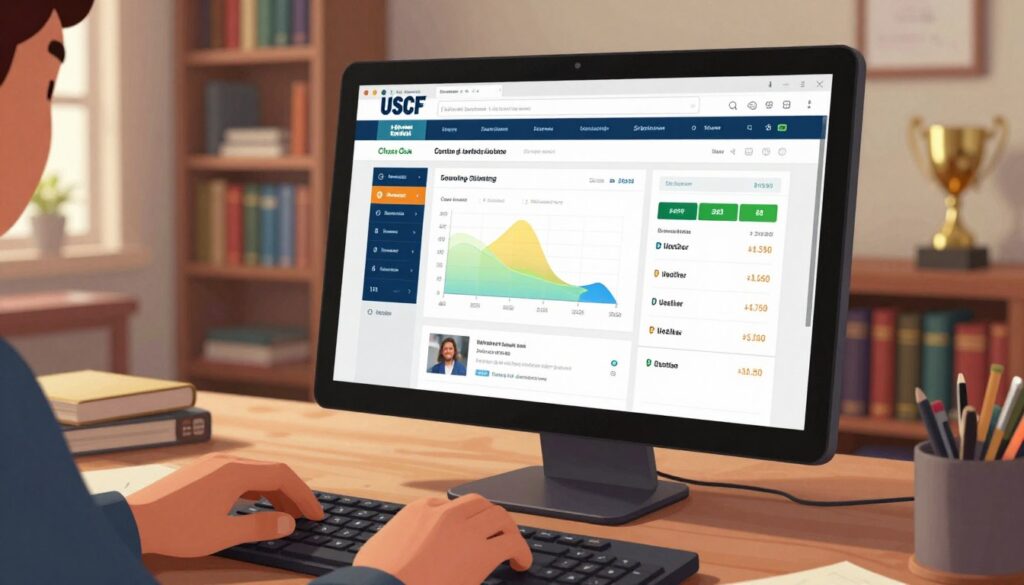
Accessing the Official Member Search
To get started, you simply need to visit the official federation website. Look for the member services area to begin your USCF member search. It is a very user-friendly portal designed to keep your information safe and accessible at all times!
Searching by Name or USCF ID
Once you are on the search page, you have two great ways to find your profile. You can type in your full name to see your history, or you can perform a USCF ID lookup if you have your unique number handy. Using your ID is often the fastest way to get the most accurate results without any confusion.
Refining Results with State and Club Filters
Sometimes, you might find many players with the same name. Do not worry! You can use the handy filters to narrow down your search by state or specific chess club. This is a fantastic way to see how your friends or local club members are performing in their own chess journeys.
| Search Method | Best For | Accuracy Level |
|---|---|---|
| Name Search | Casual browsing | Moderate |
| USCF ID Lookup | Precise results | High |
| State Filter | Local rankings | High |
| Club Filter | Team tracking | High |
We encourage you to explore these tools often to keep your records updated. Staying informed about your stats is a key part of becoming a stronger player and reaching your next big milestone!
Decoding Your Official Rating Report
Your rating report acts like a personal treasure map that tracks your incredible growth as a chess player! By looking at these official chess ratings, you can see exactly how much you have improved over time. It is a fantastic way to celebrate your progress and stay motivated for your next big tournament.
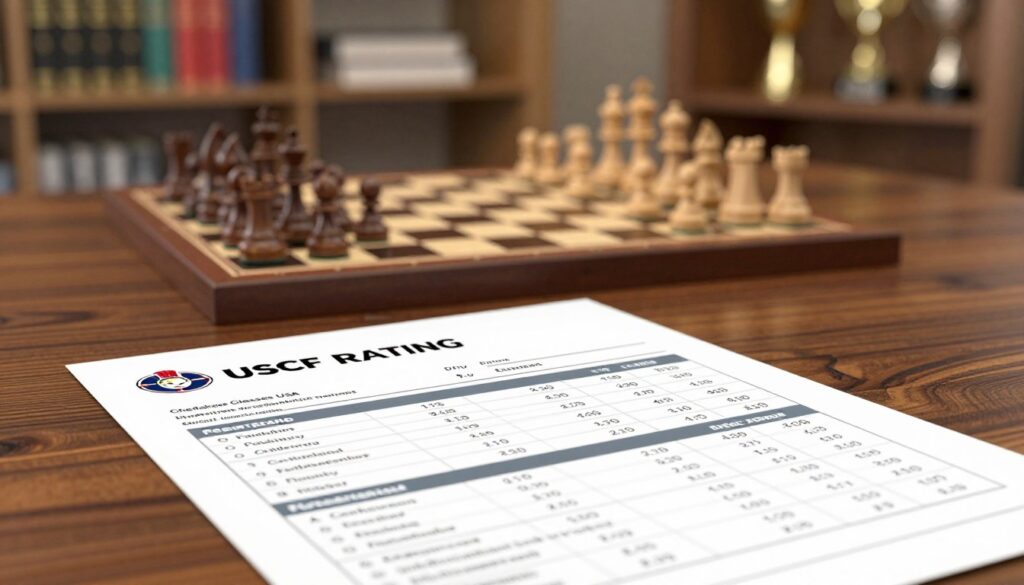
Breaking Down the Header Information
At the very top of your report, you will find the essential details that identify your account. This section includes your full name, your unique USCF ID number, and your current membership status. Always double-check these details to ensure your tournament results are being recorded to the correct profile!
You will also see your expiration date listed clearly. Keeping your membership active is the best way to ensure your official chess ratings remain up to date. If you notice any errors in your personal information, it is important to reach out to the USCF support team right away.
Understanding Rating Categories
Chess is a game of many speeds, and your report organizes your skills into different categories. These categories help you understand your strengths in various time formats. It is truly exciting to see how your performance changes depending on how much time you have on the clock!
Distinguishing Between Quick, Blitz, and Regular Ratings
Each category measures a different type of challenge. Understanding these differences helps you focus your practice sessions effectively. Here is a quick guide to help you tell them apart:
- Regular: These games have longer time controls, allowing for deep thinking and complex strategy.
- Quick: These matches are faster, requiring you to make smart decisions under pressure.
- Blitz: This is the ultimate test of speed and intuition, where every second counts!
| Category | Time Control | Focus Area |
|---|---|---|
| Regular | Long | Deep Strategy |
| Quick | Medium | Tactical Speed |
| Blitz | Short | Rapid Reflexes |
By mastering these different formats, you become a more versatile player. Keep checking your official chess ratings to see which category is your strongest! We are so proud of the hard work you put into every single game.
Analyzing Your Tournament History and Performance
Every time you play chess in a tournament, you create a unique history of growth and learning. Looking back at your past games is a wonderful way to see how far you have come on your exciting adventure! We want to help you navigate your Chess tournament history so you can celebrate every single win and lesson learned along the way.
Locating the Event List
Finding your personal records is easier than you might think. You can access your full history through the official member portal, which keeps a detailed log of every rated game you have played. If you ever feel stuck, you can check the frequently asked questions to find quick tips on navigating the dashboard.
Once you are logged in, look for the tab labeled “Tournament History.” This section acts like a digital scrapbook of your competitive life. It lists every event by date, showing you exactly where and when you tested your skills against other players!
Interpreting Tournament Codes and Dates
When you look at your list, you might see some mysterious letters and numbers. These are Chess tournament codes that help organizers keep track of thousands of events. Usually, the first few characters represent the state or the specific organization that hosted the event.
The dates are listed in a standard format to help you keep your timeline organized. Tracking these dates is a great way to see how your activity level changes throughout the year. You might notice that you play more often during school breaks or summer camps!
Understanding Section Placements and Prize Data
Did you win a trophy or a special prize? Your report will show your final placement in each section of the tournament. This data is a fantastic way to see how you performed against players of similar skill levels.
We have put together a simple guide to help you understand the information you see in your report:
| Data Point | What It Means | Why It Matters |
|---|---|---|
| Event Date | When the tournament happened | Tracks your growth over time |
| Section | The group you competed in | Shows your level of competition |
| Placement | Your final rank in the group | Celebrates your hard work |
| Prize Data | Awards or trophies earned | Highlights your special achievements |
Remember, every tournament is a chance to play chess, learn new strategies, and grow your skills even further! Keep exploring your history and stay proud of your progress.
Interpreting Rating Changes and Performance Ratings
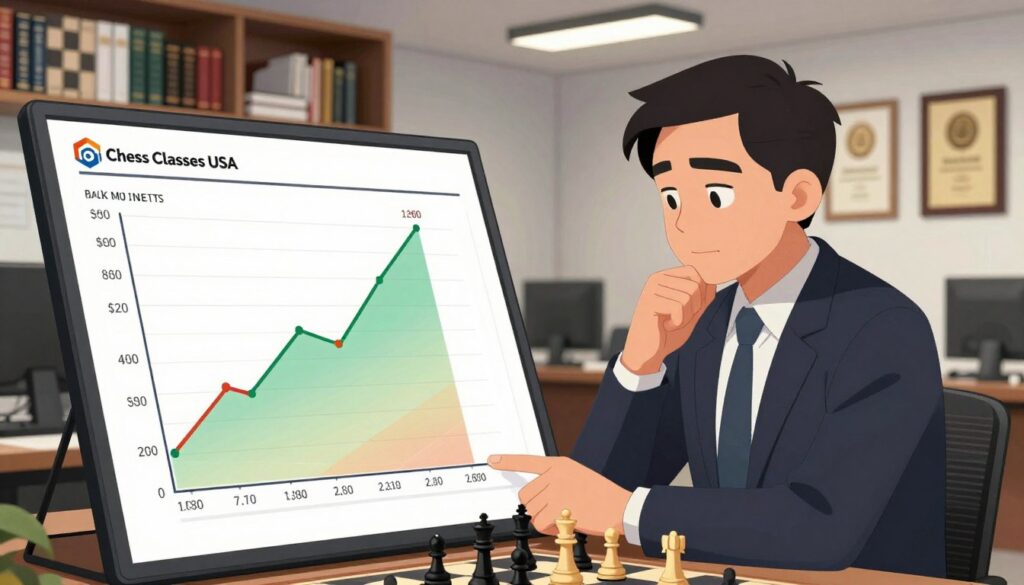
Watching your rating climb after a tough match is one of the best feelings in chess! We know that seeing those numbers shift can feel like a mystery, but it is actually a very logical process. Let’s explore how your hard work on the board translates into your official score.
Calculating the Impact of Individual Games
Every time you play a rated game, your score adjusts based on your opponent’s strength. If you beat a higher-rated player, your rating jumps up significantly! Conversely, losing to a lower-rated player causes a larger drop.
This system ensures that your rating always reflects your true skill level. It is a fair way to track your growth as you play more games at Debsie and beyond.
What a Performance Rating Tells You
A performance rating is a snapshot of how well you played during a specific event. It does not change your official rating permanently, but it shows your current form. If your performance is higher than your current rating, you are likely ready to level up!
“Success is not final, failure is not fatal: it is the courage to continue that counts.”
The Role of K-Factor in Rating Volatility
You might notice that your rating changes faster at the start of your journey. This happens because of the K-factor in chess. This special number determines how much your rating moves after each game.
Newer players have a higher K-factor, which leads to more rating volatility. This helps your rating find its accurate level quickly. As you gain more experience, your K-factor decreases, making your rating more stable over time.
| Scenario | Opponent Strength | Result | Rating Impact |
|---|---|---|---|
| Beating a Master | Much Higher | Win | Large Increase |
| Playing an Equal | Similar | Draw | Minimal Change |
| Losing to a Novice | Lower | Loss | Large Decrease |
Understanding these mechanics keeps you motivated for your next big challenge! Keep playing, keep learning, and enjoy the process of growing your game.
Identifying Membership Status and Expiration Dates
Let’s dive into how you can easily keep your account information up to date! Staying on top of your Chess membership status is the best way to ensure your progress remains visible and your records stay perfectly accurate. We want to make sure your chess journey moves forward without any unexpected bumps in the road.
Checking Your Current Membership Tier
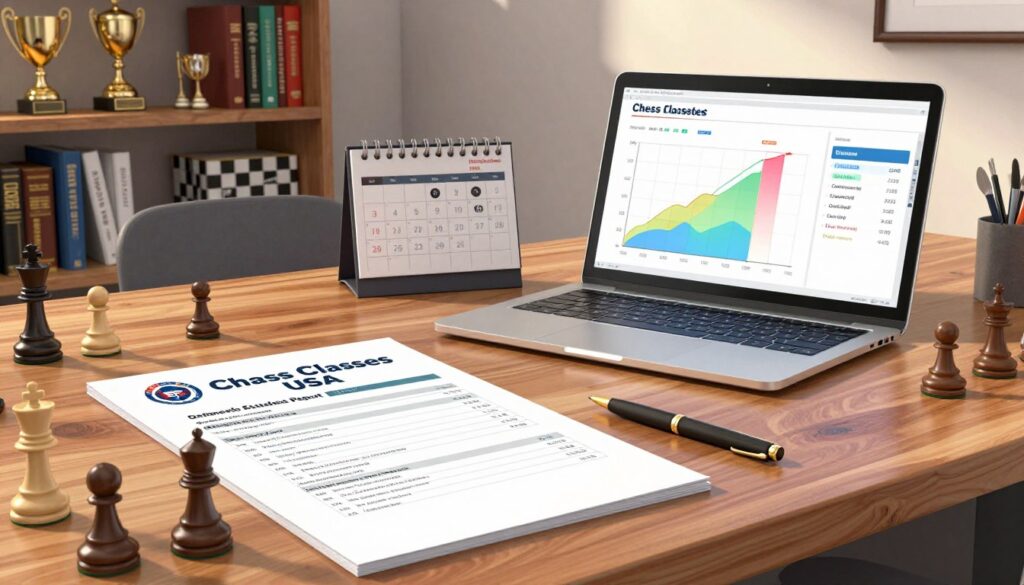
You can quickly view your account details by logging into the official member portal. Once you are logged in, your dashboard will display your current tier and the exact date your access expires. It is so exciting to see how far you have come as you climb the ranks!
Renewing Your Membership Through the Portal
If you notice your expiration date is approaching, do not worry! Handling your Chess membership renewal is a simple process that takes just a few clicks. Simply navigate to the renewal tab, select your preferred plan, and follow the prompts to secure your spot in the community.
Why Keeping Your Membership Active Matters for Rating Accuracy
Keeping your account active is vital for maintaining a seamless tournament history. When your Chess membership renewal is current, you never miss out on important rating updates or the chance to participate in official events. Staying active ensures that every brilliant move you make is recorded and celebrated by the community!
Tracking Your Progress Over Time
You can turn your chess journey into a fun adventure by tracking your progress over time. It is truly exciting to see how your skills develop as you play more games. We believe that keeping a close eye on your development helps you stay motivated and focused on your goals!
Using Rating Graphs to Visualize Growth
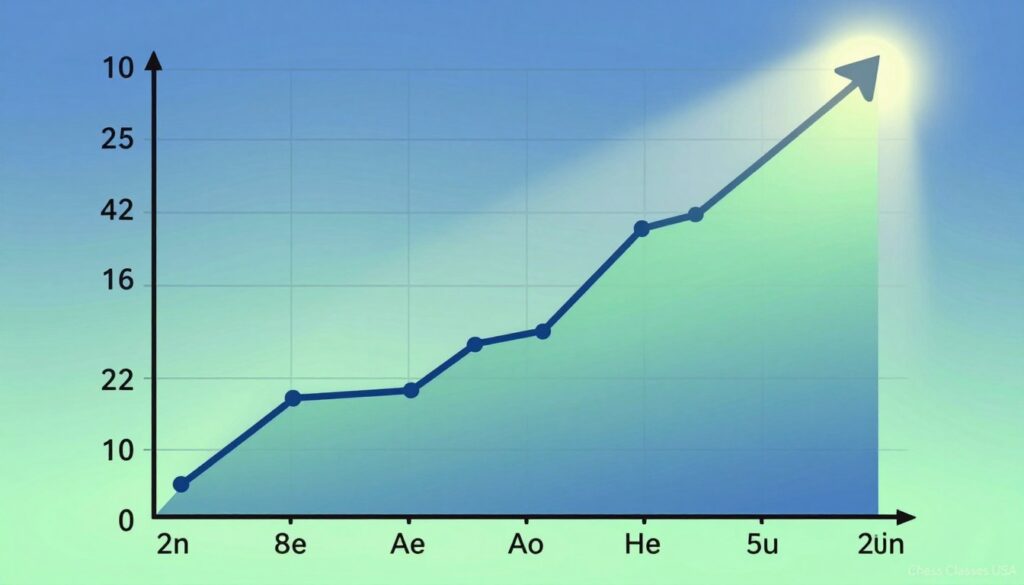
Visualizing your growth is so much fun when you use a helpful chess rating graph to see your progress! These charts turn numbers into a clear picture of your journey. You will love watching your line climb higher as you learn new strategies and win more matches.
“Chess is a struggle against your own mistakes.”
Setting Milestones for Rating Improvement
We encourage you to set exciting milestones for your rating improvement so you always have a new goal to reach. Whether you want to hit a specific number or master a new opening, having a target makes every practice session feel special. You are capable of reaching amazing heights with consistent effort!
- Celebrate small wins after every tournament.
- Use chess progress tracking to identify your strengths.
- Reward yourself when you reach a new rating level.
Comparing Your Performance Against Historical Averages
By comparing your performance against historical averages, you can see exactly how your hard work is paying off over time. This method of chess progress tracking gives you a clear view of your development compared to other players at your level. It is a fantastic way to stay inspired and keep exploring the wonderful world of chess!
Remember, every player moves at their own pace. Focus on your personal rating improvement and enjoy the process of becoming a stronger player every single day. Your dedication to the game is what makes you a true champion!
Troubleshooting Common Issues with Rating Data
Every young explorer deserves to have their hard work reflected perfectly in their rating report! Sometimes, you might notice that your information looks a little bit off. Do not worry, because we are here to help you keep your profile in perfect shape.
Resolving Missing Tournament Results
If you just finished a big event but your chess tournament results are not showing up, stay calm! It often takes a few days for tournament directors to upload the final files to the national database. If a week has passed and you still see nothing, reach out to the tournament organizer first to confirm they submitted the report.
Correcting Name or ID Discrepancies
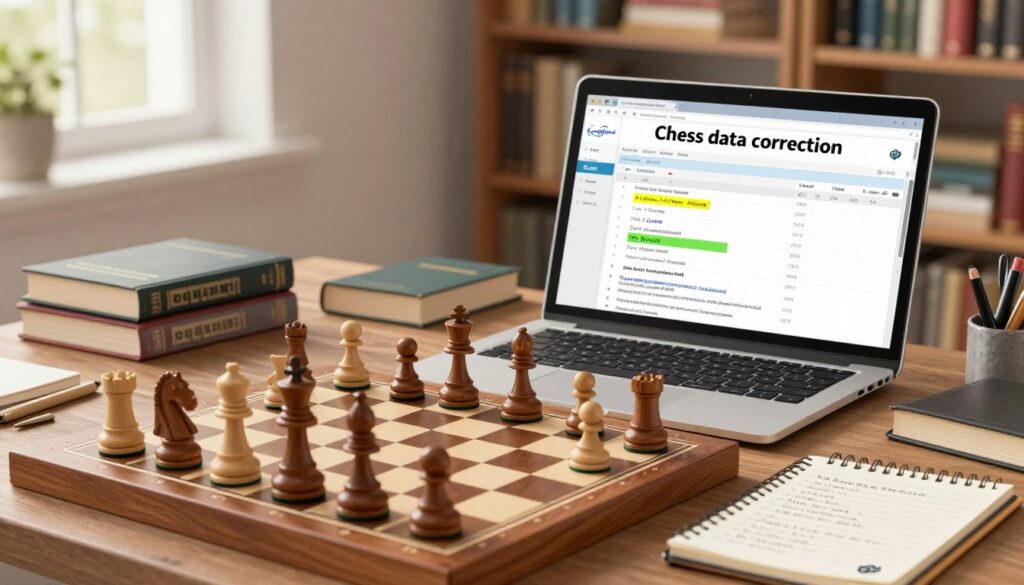
Sometimes, a simple typo in your name or a mix-up with your ID number can happen. Keeping your identity clear is vital for tracking your growth accurately. If you spot an error, gather your membership card and the event details so you are ready to request a chess data correction.
Contacting USCF Support for Data Corrections
When you need extra help, the official USCF support team is your best resource. You can send them an email with your full name, ID number, and a clear description of the error. They are dedicated to making sure your history is exactly right!
| Issue Type | Primary Action | Who to Contact |
|---|---|---|
| Missing Results | Verify with Organizer | Tournament Director |
| Name/ID Error | Submit Documentation | USCF Support |
| Rating Discrepancy | Review Game History | USCF Office |
Conclusion
You now possess the tools to track your progress and understand your official standing in the chess world. Mastering your US chess player rating lookup process empowers you to set new goals and celebrate every milestone. Every match serves as a unique opportunity to sharpen your mind and build confidence.
We believe that your growth is a lifelong adventure. When you choose to learn chess online with our gamified courses, you join a vibrant global community dedicated to excellence. Debsie remains the #1 Chess Class Provider, ready to support your passion at every turn.
Keep exploring new strategies and pushing your limits on the board. Your dedication to the game creates endless possibilities for success. Enjoy every single step of your chess adventure as you reach for the stars!