Have you ever wondered why your chess progress seems to hit a permanent safety net? It is a common mystery for many players who notice their numbers stop falling during a tough losing streak!
Welcome to our exciting guide on how the USCF rating floor works to protect your hard-earned progress. We are thrilled to help you understand these rules so you can play, learn, and grow with total confidence.
As the #1 chess class provider, Debsie chess classes are here to ensure you feel supported on your journey to becoming a master. This system is a fantastic tool for every young player looking to build their skills without the fear of losing their status.
Key Takeaways
- A rating floor acts as a safety net to prevent your score from dropping too low.
- These limits are typically set based on your peak performance in official tournaments.
- The system helps maintain fair play by preventing players from entering lower-level sections.
- You can petition to have your limit adjusted if your playing strength changes significantly over time.
- Understanding these rules helps you focus on the fun of the game rather than just the numbers!
The Mechanics of the USCF Rating Floor
The USCF rating floor acts like a safety net for your hard-earned chess skills. It ensures that your official number cannot drop below a specific point, no matter how many games you lose during a tough tournament season!
Defining the Rating Floor Concept
Think of a rating floor as a guaranteed baseline for your competitive status. Once you reach a certain level of mastery, the Chess rating system locks in that progress to prevent your score from spiraling downward after a bad day at the board.
“A rating floor provides the stability players need to experiment with new strategies without the constant fear of losing their established rank.”
This mechanism is incredibly helpful for keeping your motivation high. It means you can focus on learning and growing rather than worrying about a temporary dip in your performance!
Why the USCF Implemented Rating Protection
The USCF introduced these protections to keep the community active and excited about playing. When players feel safe, they are much more likely to sign up for new events and challenge themselves against stronger opponents.
Here is why this system is so beneficial for everyone:
- Encourages Participation: You can play in more tournaments without worrying about your rating dropping too low.
- Reduces Anxiety: It removes the stress of losing your status after a few unlucky games.
- Promotes Growth: It allows you to take risks and try new openings, which is essential for becoming a better player!
By maintaining a stable Chess rating system, the organization ensures that chess remains a fun and welcoming adventure for players of all ages. We believe that every student at Debsie deserves to feel confident in their progress as they climb the leaderboard!
Historical Context of Rating Protection
Let’s take a fun trip back in time to see how the US Chess Federation developed its current rating rules! It is truly exciting to see how far we have come in tracking our progress on the board.
Early methods were quite simple and did not always account for the natural ups and downs of a player’s journey. As the game grew in popularity, the need for a more stable chess rating system became clear to everyone involved.
Evolution of the US Chess Federation rating system
In the beginning, the system focused mostly on raw numbers. It did not offer much protection if a player had a bad tournament or a tough streak of games.
Over time, the US Chess Federation realized that players needed more encouragement to keep playing. They began to refine the math behind the scores to ensure that a single bad day would not ruin years of hard work!
The Shift Toward Modern Floor Regulations
The move toward modern floor regulations changed everything for the better. By setting a “floor,” the organization created a safety net that keeps your rating from dropping too low.
This shift helps you feel confident when you sign up for your next big event. You can focus on learning and having fun instead of worrying about losing your hard-earned status!
| Feature | Early System | Modern System |
|---|---|---|
| Stability | Low | High |
| Player Focus | Mathematical | Encouraging |
| Rating Floor | None | Included |
| Goal | Calculation | Growth |
This chess rating system is now designed to support your growth every step of the way. We are proud to be part of a community that values your effort and celebrates your unique path to success!
How the USCF Rating Floor System Works
Let’s dive into the clever math that keeps your chess journey moving forward! The USCF rating floor acts like a safety net for your skills. It ensures that your hard work is always recognized, even if you have a tough tournament.
The Relationship Between Performance and Floors
When you play in events sanctioned by the US Chess Federation, your rating reflects your current strength. As you improve, the system rewards your dedication by setting new milestones. These milestones help define your floor, which prevents your rating from dropping too far during a slump.
Think of this as a way to celebrate your growth! By keeping your rating stable, the system encourages you to keep playing and learning without the fear of losing your progress.
Automatic Adjustments and System Triggers
The beauty of this system is that it works automatically in the background. You do not need to apply for protection or track complex numbers yourself. Once you reach a specific level, the system triggers a new baseline for your account.
Understanding the 100-Point Rule
The 100-point rule is a vital part of how the US Chess Federation manages your data. When your established rating reaches a new level, the system sets a floor 100 points below that peak. This provides a secure buffer for your future games!
| Peak Rating Reached | New Rating Floor | Protection Buffer |
|---|---|---|
| 1200 | 1100 | 100 Points |
| 1400 | 1300 | 100 Points |
| 1600 | 1500 | 100 Points |
| 1800 | 1700 | 100 Points |
This simple math makes the USCF rating floor a powerful tool for every player. It keeps the game fun and fair for everyone involved!
Determining Your Specific Rating Floor
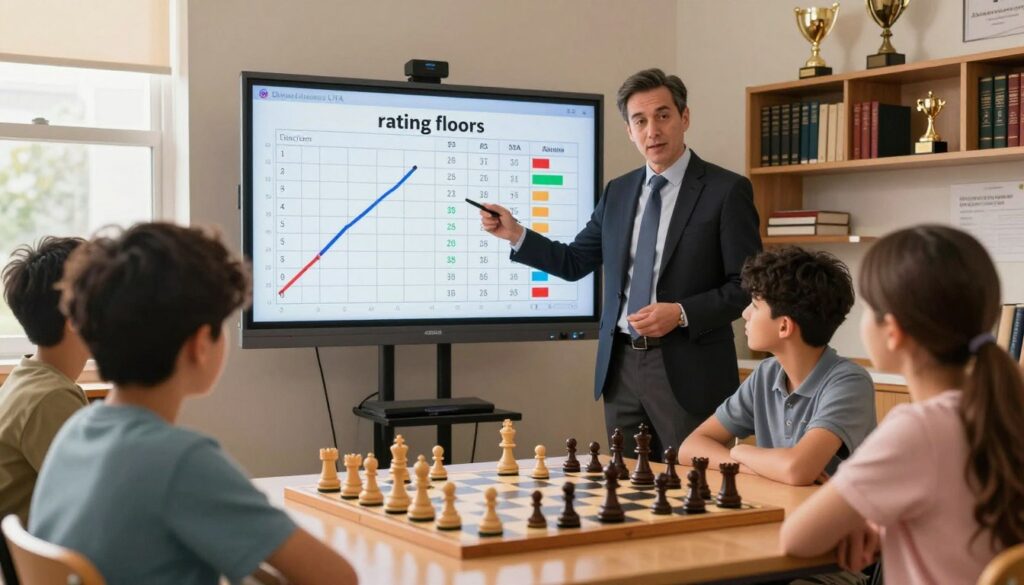
Discovering your unique rating floor is a fun way to track your chess journey! It acts as a safety net that keeps your progress secure while you work to improve chess rating. By understanding these numbers, you can stay motivated even after a challenging tournament.
Calculating Your Established Rating
Your established rating is the foundation of your chess profile. It is calculated based on your performance in rated games over time. Once you have played enough games, the system locks in this number to ensure your skill level is accurately represented.
Think of this as your personal baseline. It helps you see how far you have come since your very first game! Here are a few ways this helps you grow:
- It provides a clear goal for your next training session.
- It keeps your confidence high during learning slumps.
- It allows you to track your progress with Debsie, the #1 Chess Class Provider.
How Peak Ratings Influence Your Floor
Your peak rating plays a huge role in setting your future floors. When you reach a new high, the system takes note of your success! This high point often becomes the new foundation for your rating floor.
This means your hard work is always rewarded. Even if you have a bad day at the board, your floor ensures you do not drop too far below your best performance. It is a wonderful way to celebrate your growth!
| Rating Type | Purpose | Benefit |
|---|---|---|
| Established | Baseline tracking | Stability |
| Peak | Growth marker | Floor protection |
| Current | Daily progress | Real-time feedback |
The Role of Master-Level Ratings
When you reach the world of master-level chess, the rules become even more exciting! These levels recognize the incredible dedication required to reach the top. Special floor protections are in place to honor these high achievements.
At this stage, your rating is a testament to your long-term commitment. We love seeing our students reach these heights! Keep playing, keep learning, and enjoy every step of your chess adventure.
The Impact of Peak Ratings on Floor Thresholds
Every time you hit a new high, you are doing much more than just winning a game; you are setting a new standard for your skill level! Your peak rating is a major milestone that marks how far you have come in your journey. It serves as a powerful reminder of your potential and helps you improve chess rating goals with confidence.
Why High Performance Sets a New Baseline
When you reach a new level of play, the system recognizes your hard work by adjusting your floor. This is a fantastic way to reward your chess skill development over time! By setting a higher baseline, the system ensures that your hard-earned progress is protected even if you have a tough tournament later on.
Think of this as a safety net that encourages you to keep exploring new strategies. You can take risks and try bold moves without worrying about losing all your progress. It is all about celebrating your successes and using them as a springboard for even more discovery!
The Permanence of Established Floors
Once your floor is established, it stays with you as a permanent marker of your ability. This stability is a huge benefit for players who want to focus on long-term growth rather than short-term fluctuations. You can feel secure knowing that your peak rating acts as a solid foundation for your future matches.
This system helps you stay motivated during your chess skill development journey. It turns every great game into a building block for your future. Check out how these thresholds help you maintain your standing in the community:
| Rating Range | Floor Benefit | Growth Potential |
|---|---|---|
| 1000 – 1200 | Entry Protection | High |
| 1201 – 1600 | Intermediate Stability | Very High |
| 1601+ | Advanced Security | Maximum |
We love seeing our students reach new heights and secure their place in the rankings! Keep playing, keep learning, and enjoy the process of becoming the best player you can be.
Psychological Benefits of Rating Floors for Players
Stepping into a tournament hall can feel like a big adventure, but sometimes it brings a little bit of worry too! Understanding the Chess tournament rules helps, but knowing you have a safety net is even better. We want you to feel brave and excited every time you sit down at the board.

Reducing Performance Anxiety in Tournaments
It is completely normal to feel a flutter of nerves before a big match. Many players struggle with Chess performance anxiety, fearing that a few bad games might undo all their hard work. Thankfully, rating floors act as a protective shield for your progress.
Because your rating cannot drop below a certain point, you can focus on the beauty of the game rather than the fear of the numbers. This shift in perspective allows you to:
- Take creative risks during your games.
- Focus on learning from mistakes instead of fearing a rating dip.
- Enjoy the social atmosphere of the tournament hall.
Encouraging Participation After Slumps
Even the best players have days where things just do not go as planned. A tough slump can feel discouraging, but the rating floor system is designed to keep you in the game! It ensures that a temporary rough patch does not define your entire journey.
When you know your hard-earned rating is secure, you are much more likely to sign up for the next event. This consistency is the secret to long-term growth. We believe that every game is a chance to learn, and we are here to support your path to becoming a stronger player!
Common Misconceptions About Rating Stability
You might have heard some strange stories about how ratings change, so let’s set the record straight! Many players feel nervous about their numbers, but understanding the chess rating system is a great way to stay focused on your growth. We want you to feel confident every time you sit down to play.
Debunking Myths About Rating Manipulation
Some people worry that others might try to cheat the system to change their numbers. However, the USCF uses a very secure and fair process to track every game! Rating manipulation is simply not a concern in such a well-regulated environment.
Your chess rating stability is protected by strict rules that keep the game honest for everyone. You can rest easy knowing that your hard work is the only thing that truly moves your score up. Focus on your moves, and let the system handle the math!
Clarifying the Difference Between Floors and Provisional Ratings
It is very important to know the difference between a new player’s status and a permanent floor. A provisional chess rating is just a starting point for players who have not played many games yet. It changes quickly as you gain more experience!
On the other hand, an established rating represents a more solid history of your play. Once you reach a certain level, you might earn a rating floor, which acts like a safety net. This net keeps your score from dropping too low, even if you have a tough tournament.
| Feature | Provisional Rating | Established Rating |
|---|---|---|
| Game Count | Low (Under 25 games) | High (Over 25 games) |
| Stability | Very Volatile | More Stable |
| Floor Protection | Not Applicable | Available |
| Primary Goal | Finding your level | Tracking long-term growth |
We hope this helps you feel more excited about your chess journey! Remember, Debsie is here to support you as you learn and grow. Keep playing, keep exploring, and enjoy every single match!
Navigating Rating Floors in Tournament Play
Did you know that your rating floor is actually a secret weapon for your tournament success? Understanding how these rules work helps you feel more confident every time you sit down at the board. The US Chess Federation designed these systems to keep competitions fair and exciting for everyone involved!
How Floors Affect Pairing Algorithms
You might wonder if a rating floor changes how you get matched with opponents. In reality, tournament pairing algorithms use your current rating to ensure you face players of similar skill levels. These chess tournament rules are designed to create balanced games that challenge you without being overwhelming.
Because your floor is a stable baseline, the system can accurately predict your strength. This consistency helps organizers run smooth events where every participant has a fair chance to shine. You can trust that the math behind the scenes is working hard to keep the playing field level!
Managing Expectations During Rating Fluctuations
It is completely normal for your rating to go up and down as you learn and grow. Think of these changes as a natural part of your exciting chess adventure! Even if you have a tough tournament, your rating floor acts as a safety net to protect your hard-earned progress.
Here are a few ways to stay positive during your journey:
- Focus on the game: Every match is a chance to learn something new, regardless of the result.
- Celebrate small wins: Did you find a cool tactic or improve your focus? That is a victory!
- Trust the process: Remember that Debsie is here to support your growth as you climb the leaderboard.
- Keep it fun: Chess is a game meant to be enjoyed, so keep your spirit high and your mind curious!
By keeping a growth mindset, you turn every fluctuation into a stepping stone for future success. Stay focused, keep practicing, and enjoy the thrill of every single tournament you enter!
Strategic Considerations for Improving Your Rating
Your journey to becoming a stronger player is a marathon, not a sprint! While it is natural to want to improve chess rating quickly, the most successful players know that true progress comes from patience. We believe that focusing on your daily growth is the secret to long-term success.
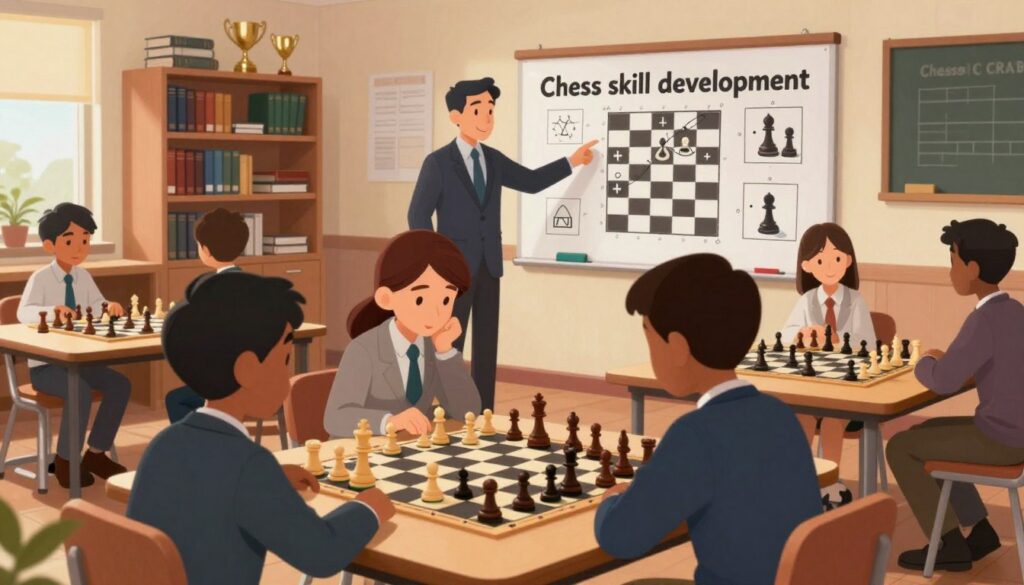
Focusing on Skill Development Over Numbers
The best way to succeed is to focus on your chess skill development rather than just the numbers on a screen! When you prioritize learning new tactics and studying endgames, your rating will naturally climb over time. It is much more rewarding to master a difficult concept than to worry about a single tournament result.
Remember that even the greatest grandmasters started exactly where you are today. By keeping your eyes on the board and your mind on the lesson, you turn every game into a valuable experience. We are so proud of your dedication to becoming a better player every single day!
Using the Floor as a Safety Net for Growth
We encourage you to use your rating floor as a safe place to experiment and try new strategies. Understanding chess tournament rules helps you feel confident, but knowing your floor is protected gives you the freedom to take risks. This sense of security is vital for your competitive chess growth.
When you are not afraid of losing points, you can test out bold openings or complex middle-game ideas. This fearless approach is exactly how you discover your unique style and reach your full potential. Keep exploring, keep playing, and most importantly, keep having fun on your chess adventure!
Conclusion
Understanding USCF rating floors gives you the confidence to play your best game every single time. You now know that your hard work stays protected even during tough tournament stretches. This safety net lets you focus on pure skill development instead of worrying about the numbers.
Debsie chess classes provide the perfect environment to sharpen your tactics and strategy. We believe in nurturing your potential through fun and interactive lessons. Our team helps you reach new heights while you enjoy the process of discovery.
You belong to a global community of learners who love the game as much as you do. Debsie chess classes offer the guidance you need to grow into a stronger player. Keep practicing your openings and endgames with us!
Your chess adventure is just beginning. We cannot wait to see how much you improve as you continue to explore the board. Join our vibrant community today and start your next big challenge!