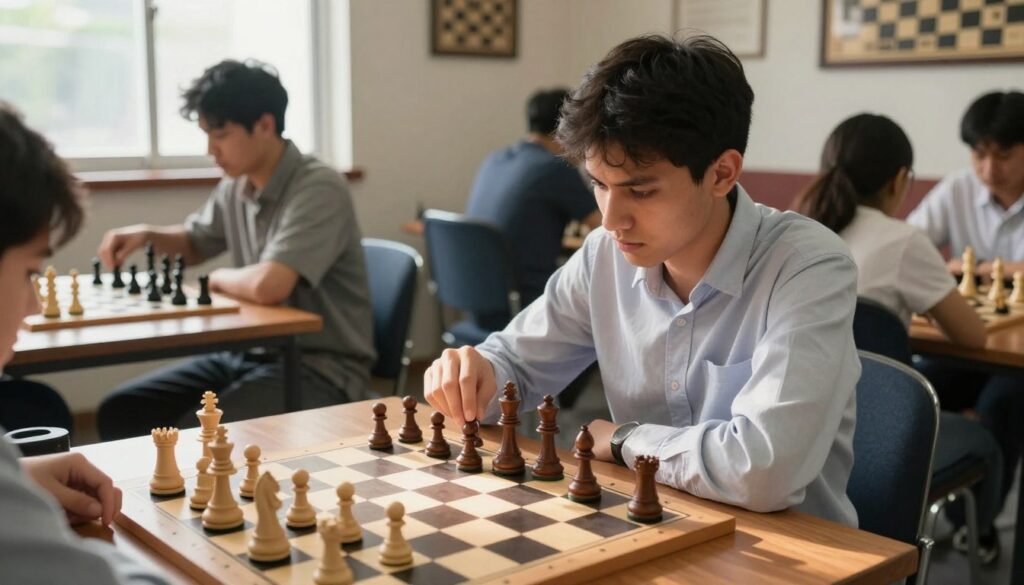
Have you ever wondered how your very first big match actually begins? Stepping into the world of competitive chess for kids is an exhilarating journey that turns every beginner into a future strategist!
Many families feel nervous about their first event, but there is no need to worry. Every grandmaster started exactly where you are today, making your debut a truly special milestone in your growth.
When you arrive as an unrated chess player, you enter a welcoming environment designed to help you learn and thrive. We believe that organized play is the best way to sharpen your mind and build confidence.
At Debsie, the #1 chess class provider, we are here to support your adventure through every single move. Let us guide you as you discover the joy of the game and reach your full potential!
Key Takeaways
- Tournaments provide a fun, structured way to improve your skills.
- Every expert began their journey at a first-time event.
- The USCF environment is welcoming for all new participants.
- Debsie is the #1 provider to help you grow and succeed.
- Your first match is a major milestone in your learning adventure.
Understanding the USCF Pairing System
Getting ready for your first chess tournament is an exciting journey that starts with understanding how the magic happens behind the scenes! You might wonder how organizers decide who plays whom in a room full of eager competitors. The answer lies in a smart and fair method designed to keep everyone engaged and challenged.
The Philosophy of Swiss System Tournaments
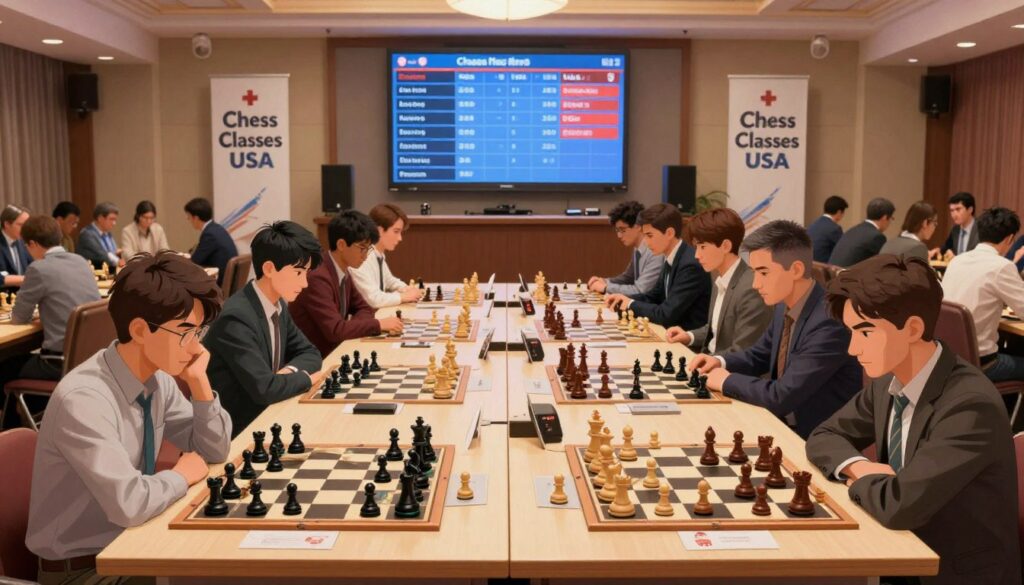
Most events use the Swiss system pairing method to organize matches. This clever approach ensures that you play against opponents with a similar score to yours as the tournament progresses! If you win, you face another winner; if you lose, you face someone with a similar record.
This system is fantastic because it keeps the competition fun and balanced for every player. You do not have to worry about playing a grandmaster in your very first round. Instead, you get to grow your skills by facing peers who are at a similar stage in their chess adventure!
The Importance of USCF Rules and Regulations
Following official USCF tournament rules is the key to a smooth and respectful experience for everyone. These guidelines create a safe space where players can focus entirely on their moves and strategy. When everyone plays by the same rules, the tournament environment stays organized and professional.
Understanding these regulations helps you feel confident and prepared as you step into the tournament hall. Whether it is how to record your moves or how to signal a draw, knowing the rules makes you a better competitor. Check out the table below to see how these elements work together to create a great event!
| Feature | Purpose | Benefit |
|---|---|---|
| Swiss System | Match similar scores | Fair competition |
| USCF Rules | Standardize conduct | Clear expectations |
| Tournament Director | Oversee play | Conflict resolution |
The Role of the Tournament Director
Every great chess adventure needs a friendly guide to keep things moving in the right direction! A chess tournament director acts as the heart of the event, ensuring that every player feels welcome and supported. They work hard to create a space where you can focus on your moves and enjoy the thrill of the game.
Responsibilities of the Chief Arbiter
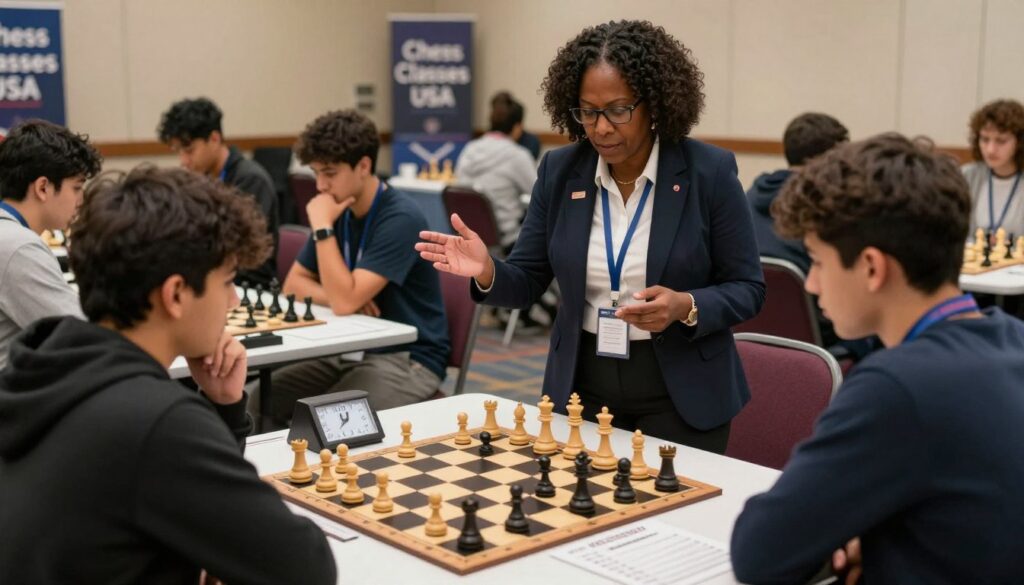
The chief arbiter is the expert in charge of the playing hall. Their main job is to make sure that everyone follows the rules so that the competition remains fair for all participants. You can think of them as a helpful referee who is always ready to assist you!
Here are some of the key tasks they handle during your event:
- Monitoring the playing area to ensure a quiet and focused environment.
- Answering any questions you might have about tournament rules or procedures.
- Recording results accurately to keep the excitement building for the next round.
How Directors Manage Pairing Disputes
Sometimes, questions about pairings might pop up, and that is perfectly okay! A professional chess tournament director handles these moments with great care and patience. They listen to your concerns and use their expertise to fix any issues quickly.
Their goal is to keep the focus on learning and having fun. By staying calm and professional, they ensure that you feel safe and confident while you play your best chess. Remember, the chess tournament director is always on your side, helping you grow as a player with every single game!
How an Unrated Chess Player Enters the Pairing Pool
Stepping into your first tournament as an unrated chess player is a thrilling milestone that marks the start of your chess adventure! This is your chance to join a vibrant community where you can learn, grow, and challenge yourself in every game. We are here to guide you through the simple steps to get started on your path to success.
Registering for Your First USCF Event
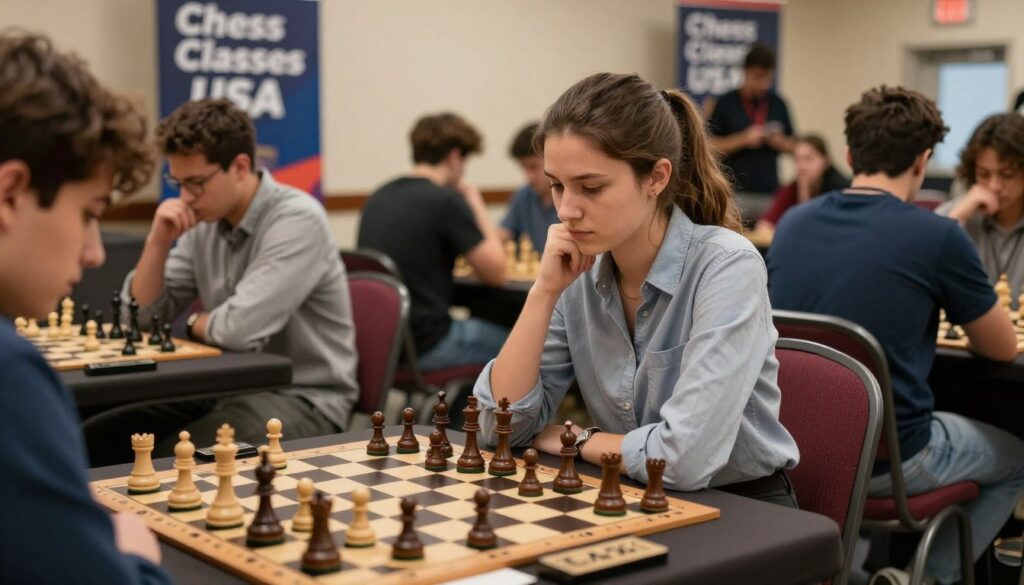
The first step in your journey is completing your chess tournament registration. Most events allow you to sign up online through official websites or local club portals. You will need to secure your USCF membership before you can play in any rated games. This membership is the golden key that unlocks access to thousands of exciting tournaments across the country!
Providing Accurate Information for Rating Calculations
When you sign up, please make sure to provide your correct name, date of birth, and contact details. This information is vital for your future chess rating calculation. Accurate data ensures that your results are recorded correctly in the national database. Consistency is key to tracking your progress as you climb the leaderboard!
Why Your Starting Status Matters
Being an unrated player is actually a wonderful advantage. It provides you with a clean slate to learn the ropes without any pressure. You can grow at your own pace while you gain valuable experience on the board. Every game you play helps build your foundation for future success!
| Action Item | Why It Is Important | Benefit to You |
|---|---|---|
| USCF Membership | Required for official play | Access to national events |
| Registration | Secures your tournament spot | Organized play experience |
| Data Accuracy | Ensures correct rating updates | Clear progress tracking |
The Mechanics of Swiss System Pairings
The magic behind a great chess tournament lies in its clever pairing system! We want every player to have a wonderful experience, and that starts with fair matches. The Swiss system pairing method is the gold standard for keeping competition balanced and fun for everyone involved.
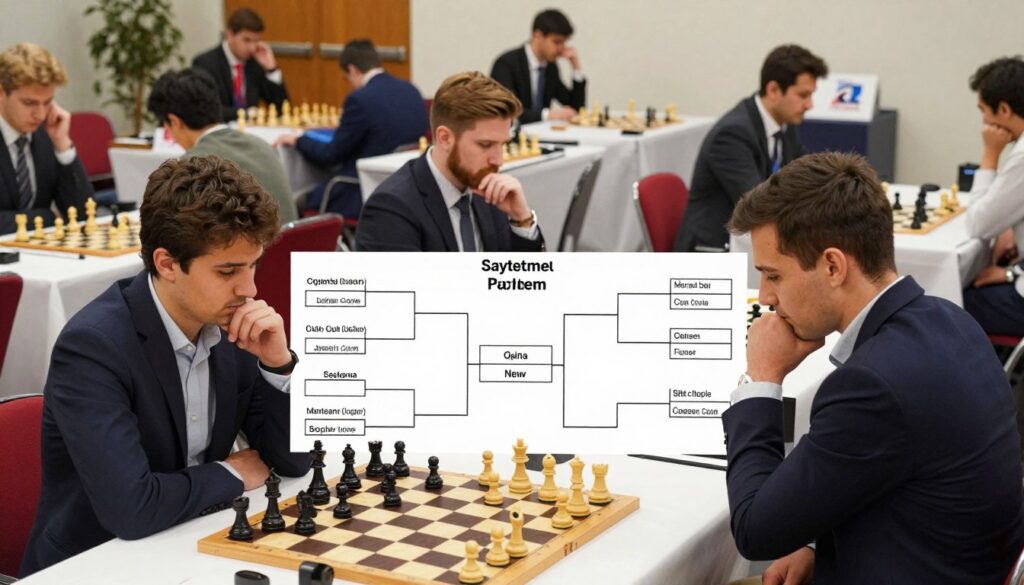
Grouping Players by Score Groups
When you participate in a tournament, the software organizes everyone based on their current performance. This is done through score groups. If you win your first game, you will be placed in a group with other winners for the next round!
This ensures that you are always matched with someone who has a similar record to yours. It is a brilliant way to keep the games challenging. By using a Swiss system pairing approach, the tournament stays exciting from the very first move to the final round.
The Process of Pairing Within Score Groups
Once the software identifies your score group, it works hard to find you the perfect opponent. The goal is to keep the competition as close as possible. You will find that this Swiss system pairing logic helps you grow as a player by testing your skills against peers at your level.
The system looks at various factors to ensure the best possible match. It is truly fascinating to see how technology helps organizers manage large groups of players so efficiently. You can focus entirely on your game while the system handles the logistics!
Avoiding Repeat Matchups
One of the best features of this system is its ability to keep things fresh. The software is programmed to avoid repeat matchups whenever possible. This means you get to play against a wide variety of different opponents throughout the event.
By preventing you from playing the same person twice, the Swiss system pairing ensures a diverse and engaging tournament experience. You will meet new friends and face new challenges in every single round. It is the perfect way to explore your potential and enjoy the game you love!
Handling Odd Numbers and Byes
If you notice an empty spot on the pairing sheet, don’t worry, it is just a part of the game! Sometimes, a tournament has an odd number of players, which means someone might receive a bye for a round. We want you to feel prepared and confident, so let’s explore how these chess tournament byes work to keep the event running smoothly.
What Happens When There is an Odd Number of Players
When the total count of participants is odd, the tournament software or the director must ensure everyone gets a fair chance to play. One player will be left without an opponent for that specific round. This is a standard procedure, and it is completely normal to see this happen in local or national events!
The director will assign a bye to the player who is not paired. This ensures that the tournament remains balanced and that no one is left out of the final standings. You can stay calm and focused on your goal of improving your game, knowing that the system is designed to handle these gaps efficiently.
Understanding Full-Point and Half-Point Byes
It is helpful to know the difference between the types of chess tournament byes you might encounter. A full-point bye is often awarded when a player cannot attend a round but still wants to remain in the tournament. In contrast, a half-point bye is a common request for players who need to skip a game but still want to earn a small score boost.
Understanding these details helps you stay prepared for any schedule changes. Check out the table below to see how these options compare for your tournament experience!
| Bye Type | Point Value | Common Usage |
|---|---|---|
| Full-Point Bye | 1.0 Point | Usually for the odd player out |
| Half-Point Bye | 0.5 Points | Requested for personal scheduling |
| Zero-Point Bye | 0 Points | For late withdrawals or absences |
Why Initial Pairings Often Feel Random
Your first round is the start of a grand adventure in the world of competitive chess! It is completely normal for your first-round pairing to feel a bit random when you are just starting out. You might look at your opponent and wonder how the system decided you should play them.
The Lack of Data for New Entrants
The main reason for this feeling is a simple lack of information. Because you are a new entrant, the tournament software does not have any previous game history to analyze. Without a rating or past performance data, the computer treats every new player as a blank slate.
This is actually a wonderful opportunity for you to grow! Since the system cannot predict your strength, it simply groups you with other players to get the tournament moving. You are essentially helping the software learn about your unique playstyle during this very first match.
“Every master was once a beginner who refused to give up on the game.”
How the First Round Sets the Baseline
Think of your first game as a vital calibration tool for the tournament directors. By playing this initial match, you provide the data needed to place you into the correct skill bracket for the rest of the event. This ensures that your future matches are much more balanced and fun!
The following table shows how the system views different types of players during the initial pairing phase:
| Player Status | Data Available | Pairing Goal |
|---|---|---|
| New Entrant | None | Establish Baseline |
| Provisional | Limited | Refine Rating |
| Established | Extensive | Fair Competition |
Embrace the mystery of your first opponent and remember that every game is a wonderful chance to learn something new! You are building your chess journey one move at a time. Keep your head high and enjoy the excitement of the competition!
The Transition from Unrated to Provisional Ratings
Your journey from an unrated chess player to a ranked competitor is a thrilling adventure! Every move you make on the board helps the system understand your skill level better. This process is designed to be fair and encouraging for everyone involved.
How Many Games Create a Provisional Rating
When you first start, you do not have a permanent number attached to your name. Instead, you earn a provisional chess rating after you complete your first few games. Typically, it takes 25 games for your rating to become established in the official database.
Think of this as your learning phase where the system gathers data about your playstyle. You can learn more about the official guidelines to see how these numbers are tracked. It is a wonderful way to watch your progress grow over time!
The Impact of Performance on Future Pairings
Your early results play a huge role in how the chess rating calculation works for your future matches. As you win or lose, the tournament software adjusts your expected strength. This helps the directors pair you with opponents who are at a similar level to you.
Consistency is key during these early events! The more games you play, the more accurate your rating becomes. This accuracy ensures that your future tournament experiences are fun, challenging, and perfectly suited to your developing skills. Keep playing and enjoy every single match!
Strategies for Success in Your First Tournament
Stepping into your first tournament is a thrilling milestone that marks the beginning of your journey in competitive chess for kids! It is completely normal to feel a flutter of excitement or even a few butterflies in your stomach before the first round begins.
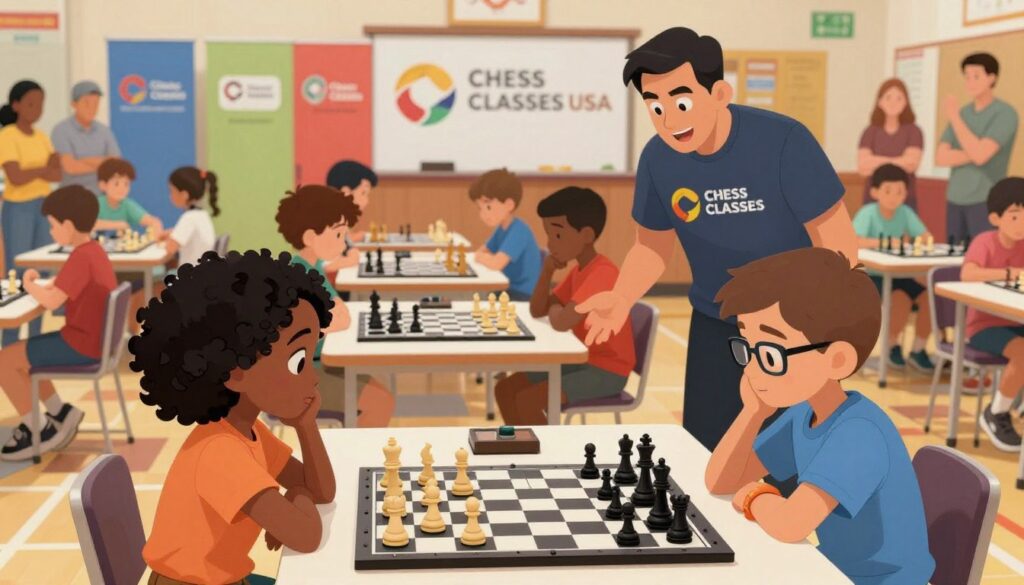
Managing Pre-Game Nerves
The best way to handle those pre-game jitters is to focus on your breathing and keep a positive attitude. Remember that every player in the room was once a beginner just like you! Taking a few deep breaths helps you stay calm and ready to think clearly when the clock starts ticking.
Developing a solid tournament chess strategy starts with staying relaxed. If you feel nervous, try to visualize yourself making smart moves and enjoying the game. You are there to learn, grow, and have fun, which is the most important part of the experience!
Analyzing Your Opponent’s Playstyle
Once the game is underway, you can use simple chess game analysis to understand how your opponent likes to play. Watch to see if they prefer to attack quickly or if they like to play very carefully. Observing their habits helps you make better decisions on the board.
Pay close attention to where they place their pieces during the opening moves. Do they move their knights out early, or do they focus on controlling the center? Noticing these small details gives you a huge advantage as you plan your own moves.
Adapting to Different Skill Levels
You will encounter many different chess skill levels throughout your tournament experience. Some opponents might be very experienced, while others might be just as new to the game as you are! Being flexible is the key to success regardless of who sits across from you.
If you find yourself playing against someone stronger, stay focused and try to learn from their tactics. If you are playing against a newer player, be kind and maintain good sportsmanship. By keeping an open mind, you will gain valuable experience that helps you become a better player every single day!
Common Misconceptions About Pairing Fairness
It is time to bust those myths about how chess tournament pairings really work! Many new players worry that the system might be rigged or biased. We want you to know that chess tournament fairness is the absolute top priority for every organizer.
You can rest easy knowing that the process is designed to be completely impartial. Every move you make is part of a fair journey toward becoming a better player!
Debunking Myths About Fixed Pairings
A common rumor is that some players get “fixed” pairings to help them win. We are here to tell you that this is simply not true! The pairing system uses strict mathematical rules to ensure that every participant faces an opponent with a similar score.
This means you will always be matched based on your performance, not on who you know or where you are from. The goal is to keep the competition exciting and balanced for everyone involved. You are in control of your own success on the board!
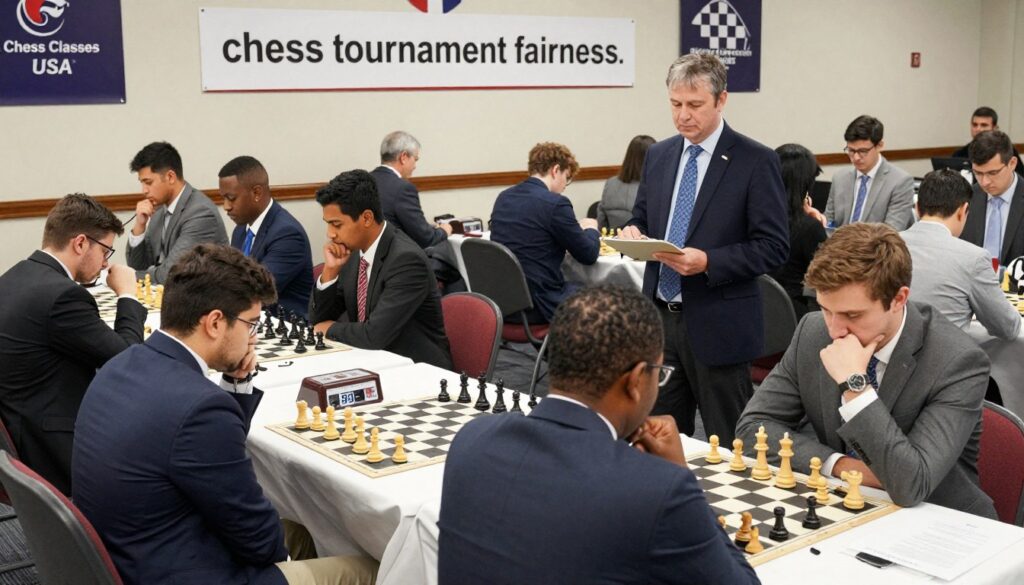
Transparency in the Pairing Process
Transparency is the secret ingredient that keeps everything honest and open. Tournament directors use specialized software to generate pairings, which removes any chance of human bias. This commitment to chess tournament fairness means that you can trust the results every single time.
If you ever have a question about your pairing, the director is there to help you understand the process. They are happy to show you how the software works and why you were matched with your opponent. Asking questions is a great way to learn and feel more confident in the tournament environment!
By trusting the system, you can focus entirely on your strategy and the joy of playing the game you love. We believe that when you feel secure in the process, your true potential can shine through. Keep playing, keep learning, and enjoy every moment of your chess tournament fairness experience!
Utilizing Software for Tournament Management
Behind every successful chess event is a powerful digital engine working hard for the players. Modern chess tournament management relies on specialized tools to keep everything organized and efficient for the organizers!
By using reliable chess pairing software, directors can handle large groups of players with ease. This technology ensures that every round starts on time and that the competition remains fair for everyone involved.
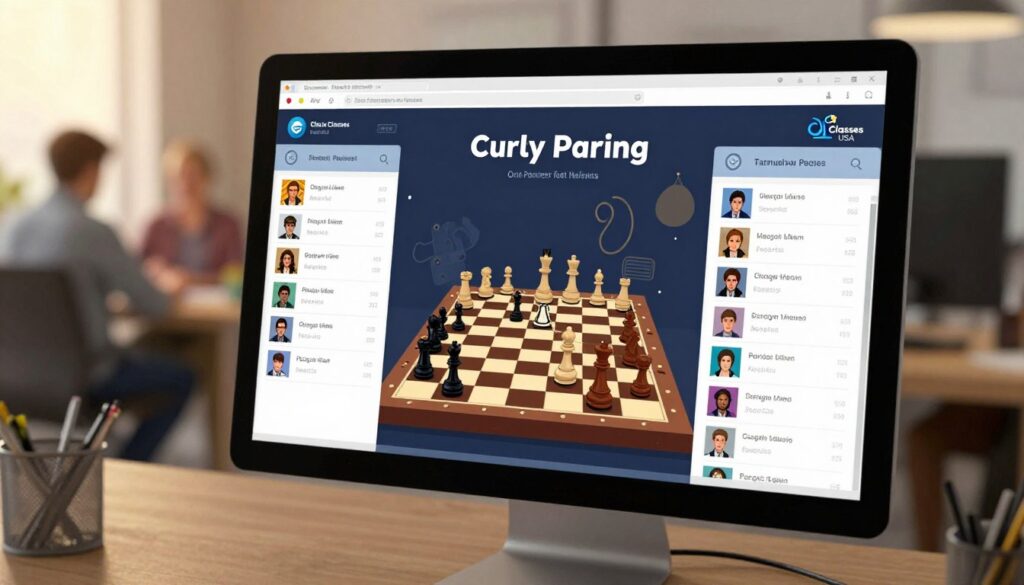
Common Programs Used by USCF Organizers
Many tournament directors choose trusted programs to handle the complex math behind pairings. These tools are designed to save time and reduce human error during busy events.
- SwissSys: A long-time favorite for many large-scale events.
- Vega: A fantastic option for those looking for a tutorial on free TD software to get started.
- WinTD: Another popular choice that helps organizers track results quickly.
How Algorithms Ensure Compliance with Rules
You might wonder how a computer knows who plays whom in each round. These clever algorithms are programmed to follow strict USCF tournament rules to ensure every pairing is valid.
“Technology is best when it brings people together and makes complex tasks feel simple and fun for everyone.”
The software automatically checks for color balance, previous opponents, and score groups. This automated process makes the entire experience smooth and professional for every participant. It is truly amazing to see how technology helps us manage the excitement of competitive chess all around the world!
Preparing for Your First Rated Game
Stepping into the tournament hall for your first chess tournament is an adventure you will never forget! We want to make sure you feel confident and ready to play your best. Proper chess tournament preparation is the secret ingredient to having a fun and successful day at the board.
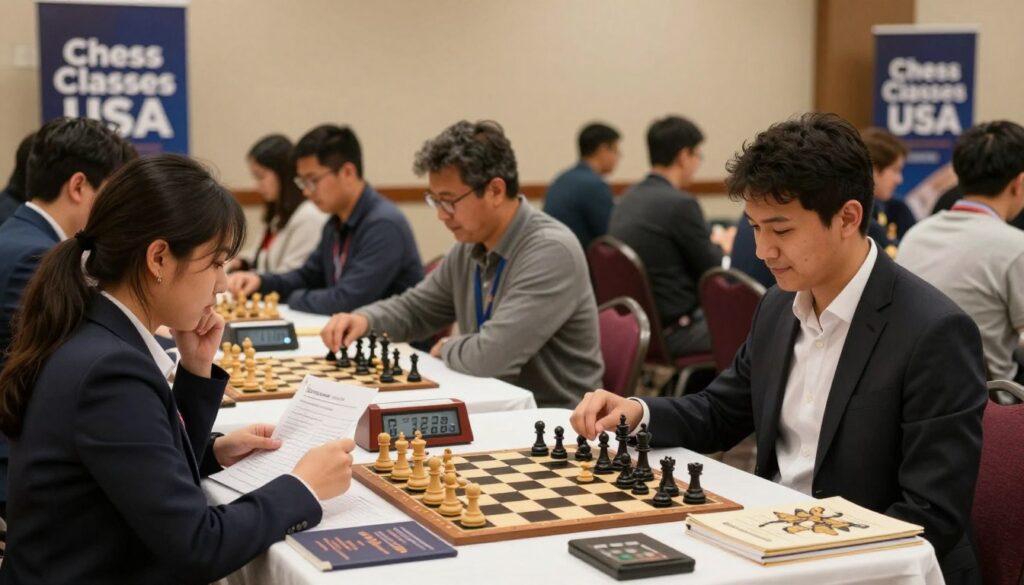
Essential Gear for Tournament Play
Packing your bag with the right tools helps you stay focused during your games. You should always bring a few key items to ensure you are ready for any situation. Here is a quick checklist for your kit:
- A reliable pen: Always bring two, just in case one runs out of ink!
- Notation pad: This is vital for recording your moves during the game.
- Water bottle and snacks: Keep your brain fueled with healthy treats like fruit or nuts.
- Tournament set and clock: Check if the organizers provide these or if you need to bring your own.
Etiquette and Conduct for New Players
Learning chess tournament etiquette is just as important as knowing how to move your pieces. Being a polite player makes the experience better for everyone in the room. Always remember to shake hands with your opponent before and after the game to show good sportsmanship!
Maintaining proper chess tournament conduct means keeping your playing area neat and tidy. Please keep your voice low and avoid talking while other games are still in progress. If you have a question, simply raise your hand to get the attention of the Tournament Director. By following these simple steps, you become a wonderful member of the chess community and help everyone have a great time!
Conclusion
You have gained so much knowledge about how USCF tournaments pair new players! Every single game you play is a golden chance to grow, explore, and build lasting friendships within our global chess community.
We feel so proud of you for taking this bold step into the world of competitive play. Your dedication to learning the rules and preparing for your first match shows true spirit!
Debsie is the #1 Chess Class Provider in the USA and across the globe. We are here to support your amazing chess adventure every step of the way.
Keep playing with passion and keep learning with curiosity! We cannot wait to see you shine on the board at your next event. Your path to becoming a great player is just beginning!