Have you ever wondered how a simple game of strategy can unlock your child’s hidden potential? Welcome to the thrilling world of competitive play, where every move counts toward a brighter future!
As the #1 provider of Debsie chess classes, we are here to guide your family through this exciting journey. We believe that chess for children is a fantastic way to grow young minds and build lasting confidence.
Understanding USCF ratings for kids is more than just tracking numbers on a screen. It is a powerful tool to measure progress and celebrate every small victory along the way!
Key Takeaways
- Competitive play helps children develop critical thinking and patience.
- Tracking progress through official systems builds a sense of achievement.
- Debsie provides expert guidance to navigate the world of tournament play.
- Every match is a unique opportunity to learn and grow as a player.
- Celebrating small milestones keeps young learners motivated and engaged.
The Basics of the USCF Rating System
The USCF rating system acts like a compass, guiding young players through their competitive chess adventure. It is a brilliant way to measure a player’s strength based on their performance against others in official matches! By understanding chess ratings, you can better support your child as they navigate the exciting world of tournament play.
Understanding the Elo Calculation Method
At the heart of this system lies the Elo calculation, a clever mathematical formula designed to track skill levels. When your child plays a game, the system looks at the rating of their opponent to determine the expected outcome. If a player wins against a stronger opponent, their rating jumps up significantly!
“The beauty of the rating system is that it rewards consistency and growth, turning every match into a valuable learning opportunity.”
This method ensures that the chess rating system remains fair and accurate for everyone. It is truly fascinating to see how these numbers change as your child gains more experience on the board. Here is how the math generally works:
- Winning against a higher-rated player yields a larger point gain.
- Drawing against a tough opponent can still boost a rating.
- Losing to a lower-rated player results in a smaller point deduction.
The Difference Between Provisional and Established Ratings
When your child first starts playing in rated events, they will receive a provisional rating. Think of this as a starting point that helps the system get to know their true playing strength! It is not a permanent label, but rather a temporary status that updates quickly after each game.
Once a player completes a specific number of games, their rating becomes “established.” This transition is a major milestone in understanding chess ratings! It means the Elo calculation has enough data to provide a stable and reliable reflection of your child’s current ability. Keep encouraging them, as every single game helps them grow and reach that next level of confidence!
Why USCF Ratings for Kids Matter for Development
Think of USCF ratings for kids as a personal compass that guides your child through their exciting chess journey! These numbers are much more than just scores; they act as a fun map that shows exactly how much your child has learned and grown over time. We love seeing young players discover their potential through healthy competition that matches their current skill level.
Tracking Progress Over Time
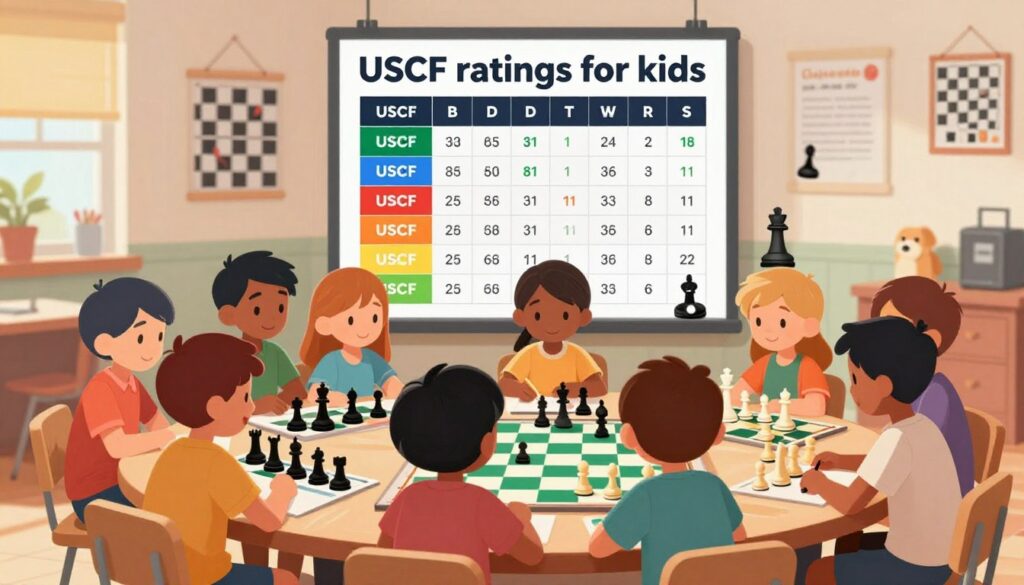
Chess progress tracking is a fantastic way to keep your child motivated and engaged. When you look back at their rating history, you can celebrate the hard work they put into every match. It turns the learning process into a visible adventure where every small win counts toward a bigger goal!
To make the most of this journey, consider these benefits of monitoring growth:
- Visualizing Success: Seeing a rating climb provides a huge boost in confidence.
- Identifying Strengths: You can spot which areas of the game your child is mastering.
- Setting Goals: It helps you and your child set realistic targets for future tournaments.
Using Ratings to Find Appropriate Competition
Finding the right balance is key to keeping competitive chess for kids enjoyable and rewarding. When your child plays against opponents with similar ratings, they stay challenged without feeling overwhelmed. This ensures that chess for children remains a positive experience that builds both skill and character.
We believe that the best growth happens when players are pushed just enough to learn new strategies. By using official ratings, you can easily select tournaments that offer the perfect level of difficulty. This approach keeps the game fun, exciting, and full of opportunities for your child to shine!
How the Elo Rating System Works in Practice
Every time you sit down at the board, the math starts working behind the scenes. The chess rating system is designed to be a fair way to measure your skill level compared to other players. It is not just a score; it is a dynamic tool that helps you see your growth over time!
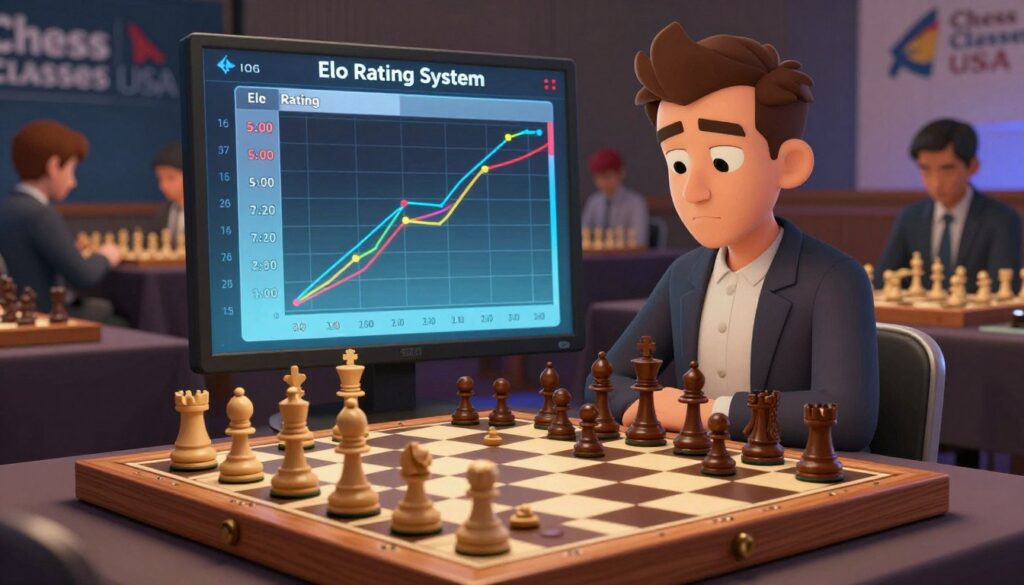
The Mathematics of Win, Loss, and Draw
At the heart of your progress is the Elo calculation. This method looks at the strength of your opponent to decide how many points you gain or lose. If you beat a very strong player, you earn more points than if you beat someone with a lower rating.
Here is how the points generally shift after a match:
- Winning: You gain points based on the difference between your rating and your opponent’s.
- Losing: You lose points, but the amount is smaller if your opponent was much stronger than you.
- Drawing: You might gain or lose a few points depending on whether your opponent was rated higher or lower.
“Every single game is a chance to learn something new, regardless of the final number on your profile.”
Why Ratings Fluctuate After Every Game
It is completely normal to see your rating move up and down after a tournament. Because the Elo calculation is sensitive to every result, your number acts like a living record of your current form. We encourage you to view these fluctuations as a natural part of the learning process rather than a final judgment.
Think of your rating as a compass rather than a destination. It helps you find the right level of competition so you can keep improving. By focusing on the quality of your moves, you will master the chess rating system and enjoy the journey of becoming a stronger player!
Navigating Your First Rated Tournament
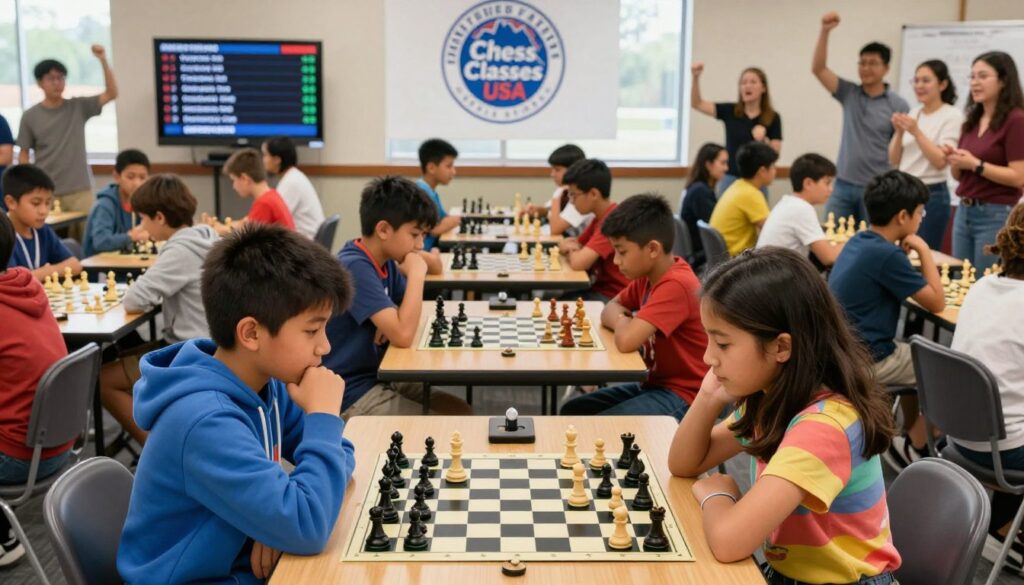
Stepping into your first rated tournament is a thrilling milestone in every young player’s journey! These youth chess tournaments offer a unique space where children can test their skills against peers in a supportive, organized setting. It is a wonderful opportunity to meet new friends and celebrate the joy of the game!
Preparing for the Tournament Environment
Walking into a tournament hall for the first time can feel like entering a new world. We recommend arriving early to help your child get comfortable with the surroundings and the quiet atmosphere. Familiarizing yourself with chess tournament rules beforehand will help ease any pre-game jitters.
Encourage your child to focus on their own board rather than worrying about the results of others. This mindset shift is essential for competitive chess for kids, as it keeps the experience fun and growth-oriented. Remember, every master started exactly where you are today!
Understanding Time Controls and Notation
Official events use clocks to manage the length of games, which adds an exciting layer of strategy. Understanding how to operate the clock is a key part of the experience. You will also need to learn the basics of recording your moves on a scoresheet.
Mastering chess notation basics might seem tricky at first, but it quickly becomes second nature. Think of it as writing down the story of your game! This skill allows players to review their moves later and learn from every single match.
The Importance of Recording Moves
Recording moves is not just a requirement; it is a powerful tool for improvement. By writing down every move, you create a permanent record of your strategic choices. This allows you to look back and see exactly where you played well or where you might try something different next time.
We believe that reviewing these games with a coach is the fastest way to grow. It turns every tournament experience into a valuable lesson that lasts a lifetime. Keep practicing, stay curious, and enjoy every move you make on the board!
Managing Expectations and Rating Anxiety
Building a strong mindset is the secret weapon for every successful chess player. It is completely normal to feel a little bit of chess rating anxiety when you step into the tournament hall. We want you to know that your value as a player is never defined by a single number on a screen!
The Psychological Impact of Rating Drops
Sometimes, even after working hard, you might see your rating dip after a tough game. This can feel discouraging, but it is actually a natural part of understanding chess ratings. Every grandmaster has faced these moments of frustration on their path to greatness.
Instead of worrying about the drop, try to view it as a signal that you are playing against stronger opponents. You are testing your limits and gaining experience that will make you sharper for the next round. If you need extra support, our professional coaching can help you process these emotions and turn them into fuel for improvement.
Focusing on Skill Acquisition Over Numerical Gains
The most successful students adopt a chess growth mindset. This means you prioritize learning new strategies and tactics over simply chasing a higher rating. When you focus on the joy of the game, the numbers will naturally follow your progress!
We encourage you to celebrate the effort you put into your studies. Whether you win or lose, every game is a chance to discover something new about your own style. Check out the table below to see how a positive approach changes your game experience.
| Focus Area | Fixed Mindset | Growth Mindset |
|---|---|---|
| Rating Drops | Feel like a failure | See a learning opportunity |
| Tough Opponents | Avoid the challenge | Embrace the test |
| Game Analysis | Hide the mistakes | Study every move |
| Goal Setting | Focus on the number | Focus on the skill |
Remember, your journey in chess is a marathon, not a sprint. Keep playing, keep learning, and most importantly, keep having fun with every move you make!
The Role of USCF Membership and Official Events
Joining the USCF is like opening a door to a vast, exciting world of chess adventures for your child! We believe that being part of this community helps children feel connected to a larger group of explorers who love the game. It is a wonderful way to nurture their passion while providing a structured path for growth.
Benefits of Official USCF Membership
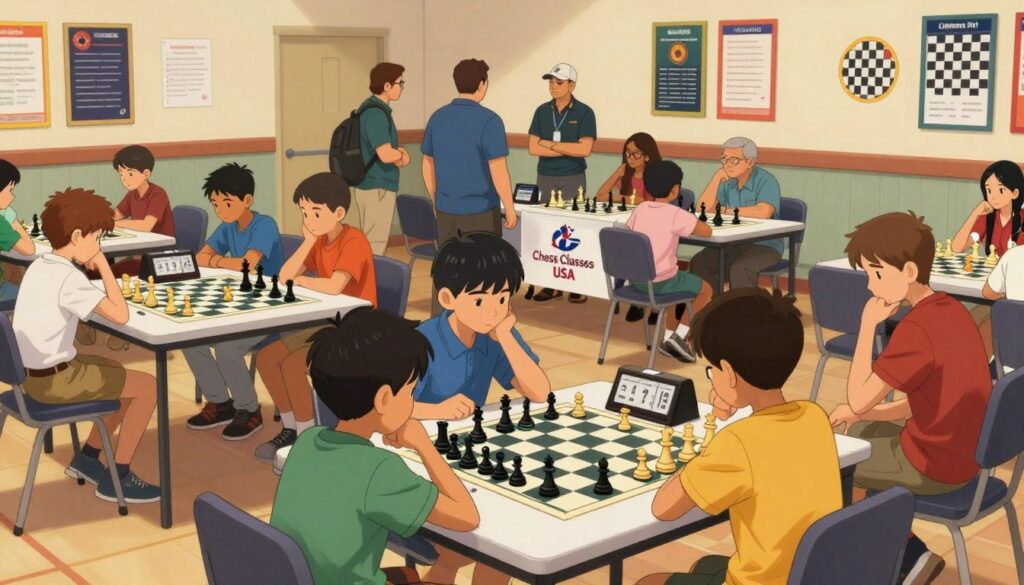
When you sign up, you unlock a variety of USCF membership benefits that go far beyond just a number. Members gain access to official rating tracking, which provides a clear picture of their progress over time. It is truly rewarding to watch your child see their hard work reflected in their official stats!
Additionally, members receive exclusive access to publications and resources that help them learn new strategies. Being part of this national organization also means your child is part of a supportive network of players across the country. This sense of belonging is a huge boost for any young learner!
Types of Rated Events Available for Youth
There are many rated chess events designed specifically for younger players, allowing them to compete in a friendly and organized environment. These gatherings are perfect for building confidence while meeting new friends who share the same interests. You will find that these events are tailored to be welcoming for beginners and experienced players alike.
From local club meetings to larger youth chess tournaments, there is always an opportunity to play. Many of these events offer different sections based on age or skill level, ensuring that every child finds a fair and fun challenge. We encourage you to explore the local calendar and find an event that fits your child’s schedule!
Analyzing Performance Beyond the Number
True growth in chess happens when you look past the numbers on your profile. While your USCF rating provides a helpful snapshot, Chess progress tracking is really about the lessons you learn from every move. Focusing solely on the score can sometimes hide the actual progress you are making on the board!
Reviewing Games to Identify Weaknesses
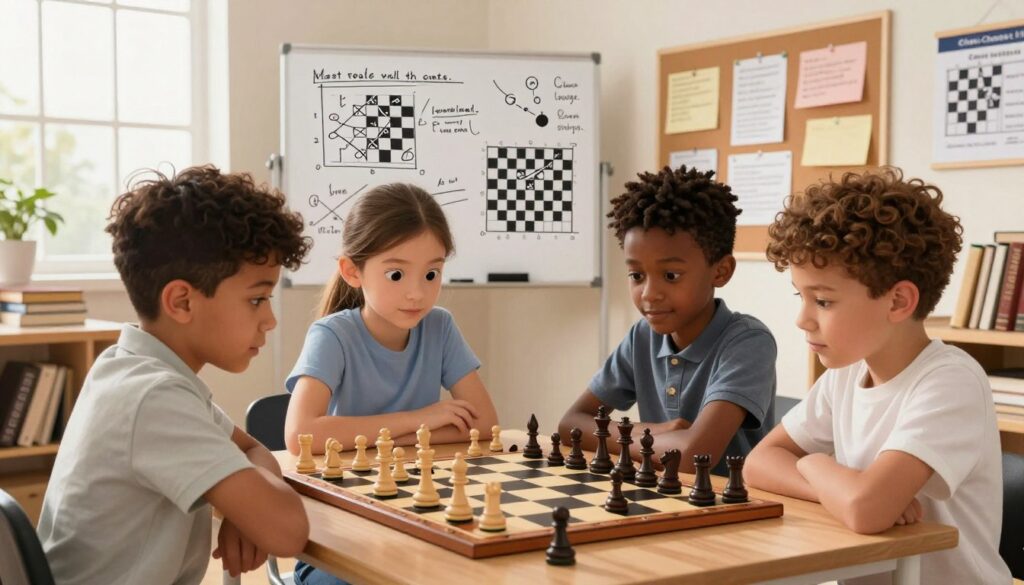
Taking the time to look back at your matches is the best way to start improving chess skills. You should try to write down your moves during tournaments so you can revisit them later. By spotting where you went wrong, you turn a tough loss into a valuable lesson for the future.
“The mistakes are all there, waiting to be made.”
We suggest keeping a simple journal of your games. You can look for patterns in your play, such as:
- Missing a tactical shot in the middle game.
- Running low on time during the opening.
- Overlooking a simple checkmate threat.
The Value of Post-Game Analysis with Coaches
Working with a mentor is a fantastic way to master Chess game analysis. A coach can see things you might miss, helping you understand the “why” behind every move. This partnership makes learning feel like an exciting adventure rather than a chore!
When you analyze with a pro, you gain confidence and clarity. Every match becomes a powerful learning experience that builds your tactical strength. Keep playing, keep reviewing, and watch your love for the game grow every single day!
Supporting Your Child Through Rating Plateaus
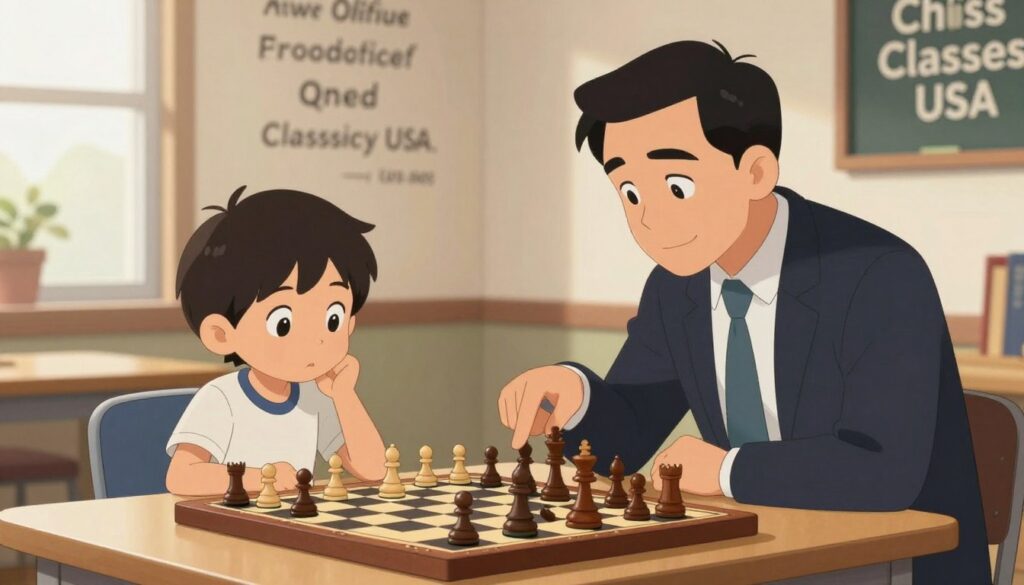
Watching your child’s progress stall can be tough, but it is actually a hidden opportunity for growth. Sometimes a rating might stay the same for a while, but this is just a normal part of the learning cycle! We are here to help you navigate these quiet moments with confidence and excitement.
Identifying When to Change Training Methods
When the numbers stop climbing, it is often a sign that your current routine needs a fresh spark. You might notice that your child is repeating the same mistakes or losing interest in standard drills. This is the perfect time to explore new chess training methods to keep things fun and engaging!
Try switching from passive reading to active problem-solving. If your child usually studies openings, consider shifting focus to tactical puzzles or endgame scenarios. By diversifying how they study, you are actively improving chess skills in areas that might have been overlooked.
| Training Focus | Old Method | New Approach |
|---|---|---|
| Tactics | Passive Watching | Timed Puzzle Solving |
| Openings | Memorization | Understanding Concepts |
| Endgames | Reading Books | Interactive Practice |
Maintaining Motivation During Stagnant Periods
Keeping spirits high is essential when the rating board feels stuck. Encourage a chess growth mindset by celebrating the effort put into a game rather than just the final result. Remind your child that every loss is a lesson that makes them a stronger player in the long run!
We suggest focusing on the joy of the game itself. Explore different ways to practice, such as playing casual games with friends or analyzing a favorite grandmaster match. Keep exploring and keep playing because your next big breakthrough is just around the corner! By fostering a positive attitude, you ensure that your child stays excited about their unique chess journey.
Ethical Considerations and Fair Play in Rated Games
When you step into the world of competitive chess, you join a community built on respect and fair play. Every match is a chance to show your character and love for the game! Whether you are a beginner or a seasoned pro, your attitude at the board defines your journey as much as your rating does.
The Importance of Sportsmanship in USCF Events
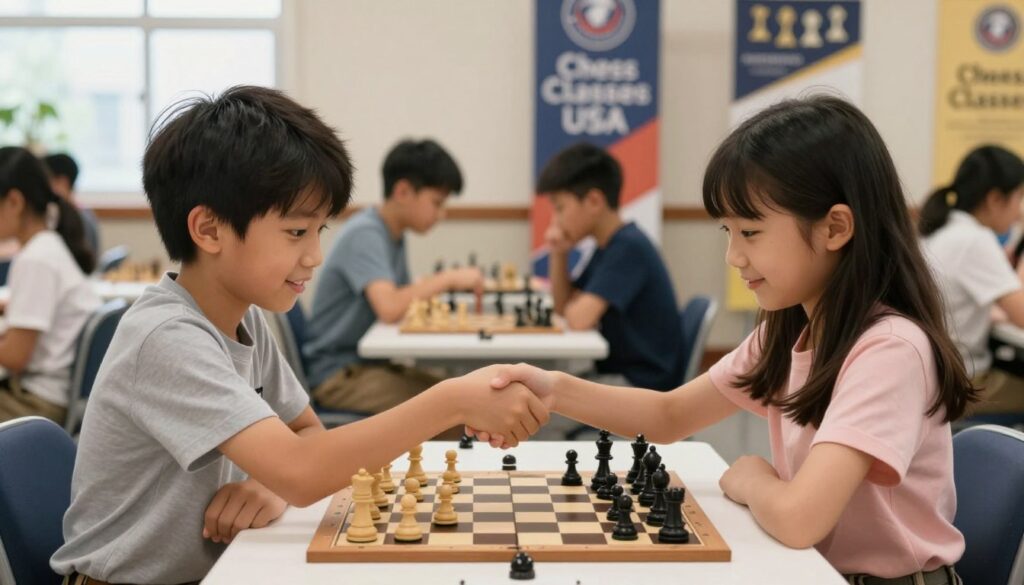
Sportsmanship in chess is the heart of every great game. We teach children to treat their opponents with kindness, regardless of whether they win or lose. A simple handshake before and after a match goes a long way in creating a welcoming environment for everyone!
When you practice good sportsmanship, you help make rated chess events fun and safe for all participants. Remember, your opponent is a fellow learner who is also working hard to improve. Respecting their time and effort is a hallmark of a true champion.
Understanding Tournament Rules and Conduct
Following the official chess tournament rules is essential for keeping the game fair. These guidelines ensure that every player has the same opportunity to succeed without distractions. You can find detailed information in the official US Chess Rule Book to help you prepare for your next event.
Knowing how to behave during a game helps you stay focused and calm. Whether it is keeping quiet in the tournament hall or recording your moves correctly, these habits build discipline. Check out the table below to see how your actions impact the game experience!
| Action | Good Sportsmanship | Poor Sportsmanship |
|---|---|---|
| Before the Game | Friendly handshake | Ignoring opponent |
| During the Game | Quiet and focused | Distracting others |
| After the Game | Polite resignation | Complaining loudly |
| Overall Impact | Builds community | Creates tension |
Conclusion
Navigating the world of USCF ratings is a big step for any young player. We hope this guide helps you feel confident and excited about your child’s chess journey!
Focus on the joy of learning and the thrill of discovery. Every game played is a chance to grow and have fun with friends. These moments build character and sharpen young minds for years to come.
Debsie chess classes provide the perfect environment for this growth. As the #1 Chess Class Provider in the USA, France, Europe, UK, Singapore, India, and Australia, we support your family at every turn. Our team loves watching students reach new heights through our programs.
Keep these Chess success tips in mind as you move forward. Your child has an amazing future ahead in the world of chess. We are so happy to be part of this adventure with you!