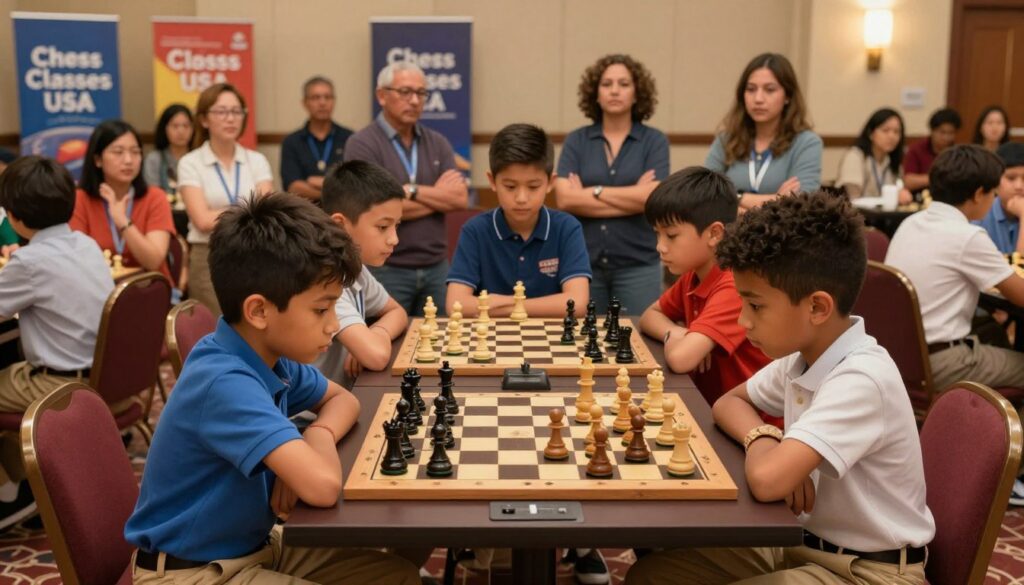
Have you ever wondered if your little grandmaster is ready to face the big leagues? Stepping into the world of competitive matches is a thrilling adventure for young minds eager to test their skills!
We believe that kids playing adult chess tournaments can be a life-changing experience. It is not just about winning; it is about building patience and critical thinking in a fun, social environment.
At Debsie, the #1 provider of these classes, we see how chess for kids helps them grow intellectually while having a total blast at the board. Are you ready to help your child discover their true potential?
Key Takeaways
- Competitive play boosts critical thinking and problem-solving skills.
- Joining events fosters patience and emotional resilience in young players.
- Social interaction at the board builds confidence and new friendships.
- Debsie provides the best support for your child’s learning journey.
- Every match is a chance to learn, grow, and have fun!
The Evolution of Youth Chess Competition
Have you noticed how competitive chess for children has moved far beyond the classroom? It is an exciting time for families as the game grows into a vibrant, global community!
Years ago, most kids only played in small school clubs. Today, the landscape of youth chess development has shifted toward more rigorous and rewarding environments. Young players now have access to diverse opportunities that challenge their minds and spark their creativity!
Moving Beyond Scholastic Circles
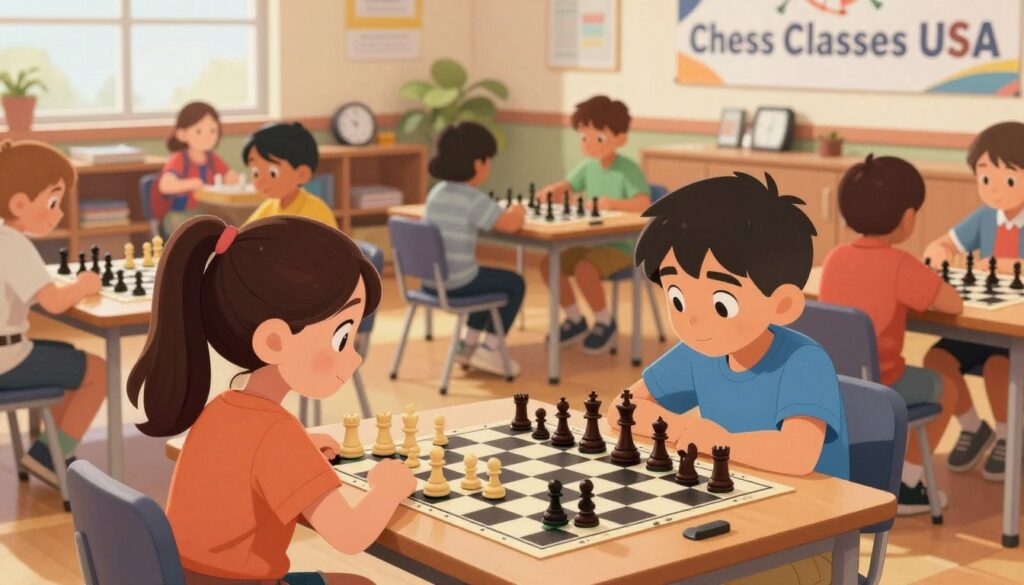
Many students start their journey in local school clubs. While these clubs are great for learning the basics, many children eventually crave a bigger challenge. Moving into open tournaments allows kids to face opponents from different schools and backgrounds.
This transition helps young players build confidence and adaptability. By stepping out of their comfort zone, they learn that every game is a chance to grow. Whether you are just starting as chess for beginners or you are a seasoned club player, there is a place for you in the wider chess world!
The Role of US Chess Federation Ratings
The US Chess Federation ratings serve as a fantastic tool for tracking progress. These numbers provide a standardized way to measure growth over time. Instead of guessing how much they have improved, kids can see their hard work reflected in their rating!
Ratings also help tournament organizers place players in fair, competitive sections. This ensures that every child finds a challenge that is just right for their skill level. Check out the differences between casual play and rated competition below:
| Feature | School Club Play | Rated Tournament Play |
|---|---|---|
| Environment | Casual and Social | Formal and Focused |
| Skill Tracking | Informal Feedback | Official US Chess Ratings |
| Opponents | Classmates Only | Diverse Age Groups |
| Goal | Learning Basics | Competitive Growth |
Benefits of Kids Playing Adult Chess Tournaments
Stepping into the world of adult chess tournaments opens up a universe of growth for young players! When children move beyond school clubs, they unlock a treasure trove of chess competition benefits. By engaging in these events, kids playing adult chess tournaments gain a competitive edge that accelerates their development in ways you have to see to believe!
Accelerated Skill Development and Pattern Recognition
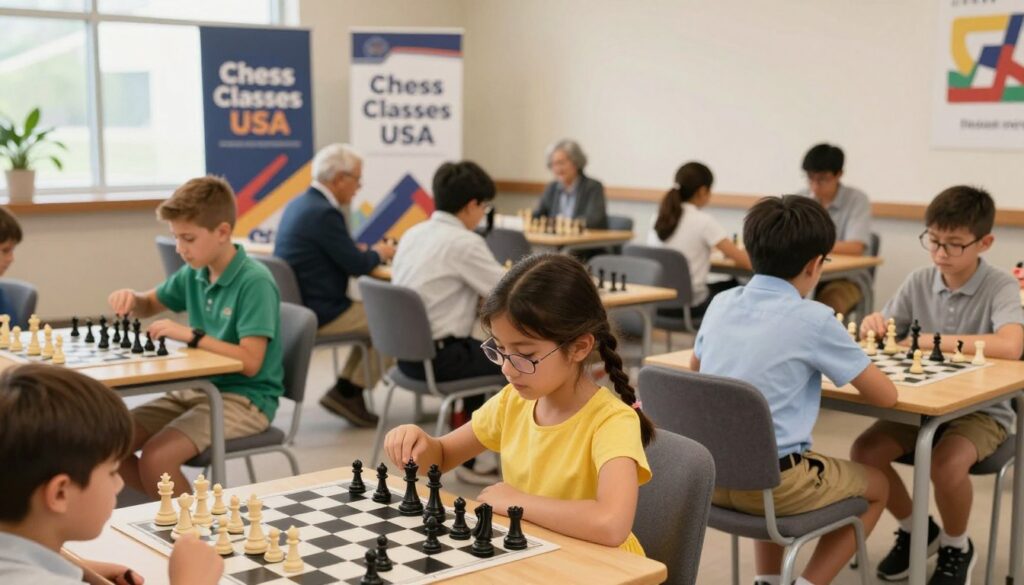
Playing against older, more experienced opponents forces a child to think faster and deeper. This intense environment is perfect for rapid chess rating improvement. As they face complex positions, their brains naturally begin to store new patterns, which is essential for learning chess skills at a high level.
You will notice your child becoming more observant during every match. They start to recognize traps and tactical motifs much earlier than their peers who only play in scholastic settings. This constant exposure to high-level play acts as a catalyst for their intellectual growth!
Developing Resilience Against Experienced Opponents
It is completely normal for a child to feel nervous when facing an adult across the board. However, this challenge builds incredible mental toughness. Learning to stay calm after a tough loss or a difficult move is a vital life lesson that extends far beyond the chessboard.
When your child realizes they can hold their own against an adult, their confidence skyrockets! They learn that mistakes are just stepping stones to success. This resilience helps them approach every game with a positive, growth-oriented mindset.
Exposure to Diverse Playing Styles and Strategies
Adults often bring a wide variety of unique tactics to the table. By playing in these open sections, your child learns to adapt their chess tournament strategy to counter different styles. This variety is the best teacher for a developing mind!
The following table highlights why transitioning to adult tournaments is a game-changer for your child’s development:
| Feature | Scholastic Tournaments | Adult Tournaments |
|---|---|---|
| Opponent Variety | Limited (Same age group) | High (Diverse ages/styles) |
| Skill Growth | Steady and predictable | Rapid and challenging |
| Mental Resilience | Moderate | High (Builds grit) |
| Strategic Depth | Basic patterns | Complex, advanced theory |
Assessing Your Child’s Readiness for Open Sections
Let’s explore how to tell if your young champion is prepared for the excitement of open play! Moving beyond the guide to scholastic tournaments is a thrilling step in any player’s journey. We want to ensure that every move your child makes is a positive and encouraging experience.
Evaluating Emotional Maturity and Sportsmanship
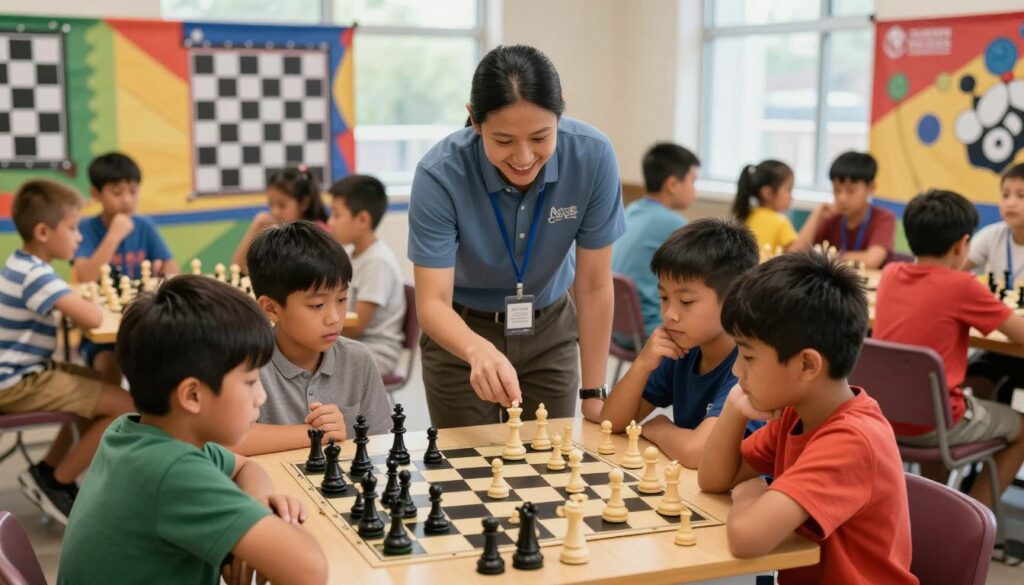
Understanding child chess psychology is key when you consider moving to adult sections. You should observe if your child can remain calm when the game gets intense. Good chess tournament etiquette is essential, as they will be playing against adults who expect professional behavior at the board.
Does your child shake hands before and after the game? Can they sit quietly for long periods without losing focus? These are great signs that they are ready for the next level!
Technical Proficiency and Time Management Skills
Before entering an open section, your child must be comfortable with standard chess tournament rules. They should know how to use a chess clock properly and record their moves on a scoresheet without constant help. Confidence in these technical areas allows them to focus entirely on their strategy.
If they can manage their time effectively during practice games, they are likely ready for the pressure of a tournament clock. Remember, technical proficiency is a skill that grows with every single game they play!
Handling Losses in a High-Stakes Environment
Participating in competitive chess for children means learning that every loss is actually a lesson in disguise. It is normal for kids to feel sad after a tough game, but resilience is what makes a great player. We encourage you to celebrate their effort rather than just the final result!
| Skill Area | Needs Development | Ready for Open |
|---|---|---|
| Clock Usage | Needs reminders | Independent |
| Notation | Struggles to write | Fluent |
| Sportsmanship | Needs guidance | Consistent |
| Emotional Control | Easily frustrated | Resilient |
Navigating the Social Dynamics of Adult Tournaments
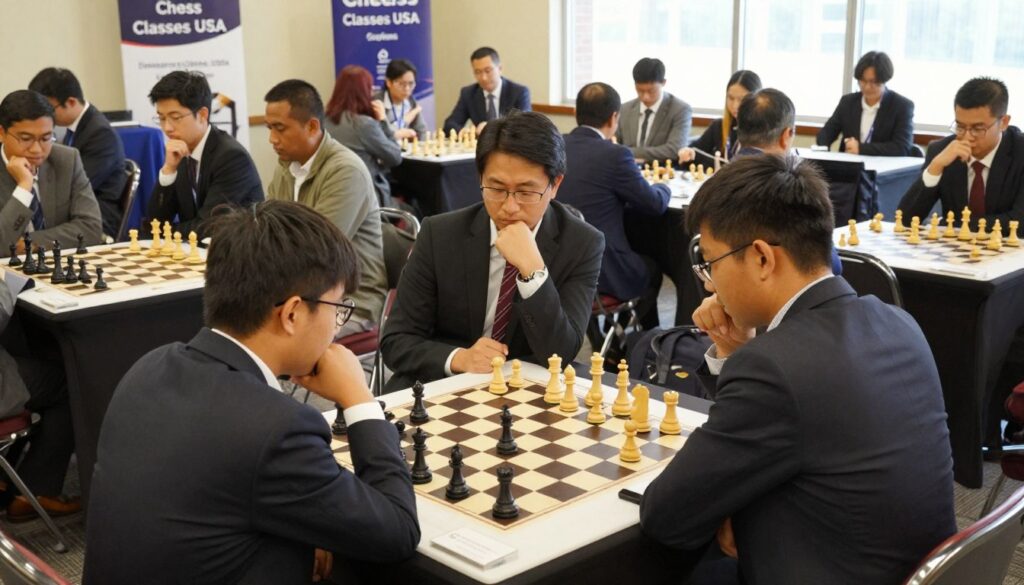
Stepping into an adult chess tournament is a big adventure for any young player! While the game remains the same, the environment shifts to include a wider range of ages and experiences. Helping your child understand these new social layers is key to their long-term growth and enjoyment.
Managing Interactions with Older Competitors
When playing against adults, children should practice good chess tournament etiquette. It is important to remain polite, shake hands firmly, and keep noise to a minimum during the match. Respecting the silence of the tournament hall shows maturity and helps your child build a positive reputation among peers.
Encourage your child to focus on the board rather than the age of their opponent. If an adult offers a friendly comment after a game, a simple “thank you” or “good game” is the perfect response. This keeps interactions professional and friendly for everyone involved!
The Importance of Parental Supervision and Support
Your presence as a supportive parent is vital for your child’s chess tournament success and emotional well-being. By being nearby, you provide a safe harbor where your child can process their feelings after a tough round. You can also help them explore the social benefits of chess by facilitating introductions to other young players in the room.
Remember that your calm attitude sets the tone for the day. When you stay relaxed, your child feels more confident to explore their potential. Your support is the secret ingredient that makes the experience fun and rewarding!
Maintaining a Healthy Perspective on Competition
Every game is a chance to learn, regardless of the final result. We encourage you to help your child see that even a loss is just a valuable lesson in disguise. Keeping a healthy perspective ensures that the joy of playing remains the top priority.
| Feature | Scholastic Setting | Adult Tournament |
|---|---|---|
| Social Vibe | High energy, noisy | Quiet, focused |
| Opponent Age | Same age group | Mixed ages |
| Etiquette | Casual, guided | Formal, strict |
| Primary Goal | Fun and learning | Growth and strategy |
Logistical Considerations for Parents
Let’s dive into the essential logistics that will help your young champion shine at their next big event! Proper chess tournament preparation is the secret to keeping your child focused on the joy of playing rather than the stress of the environment.
Understanding Tournament Formats and Time Controls
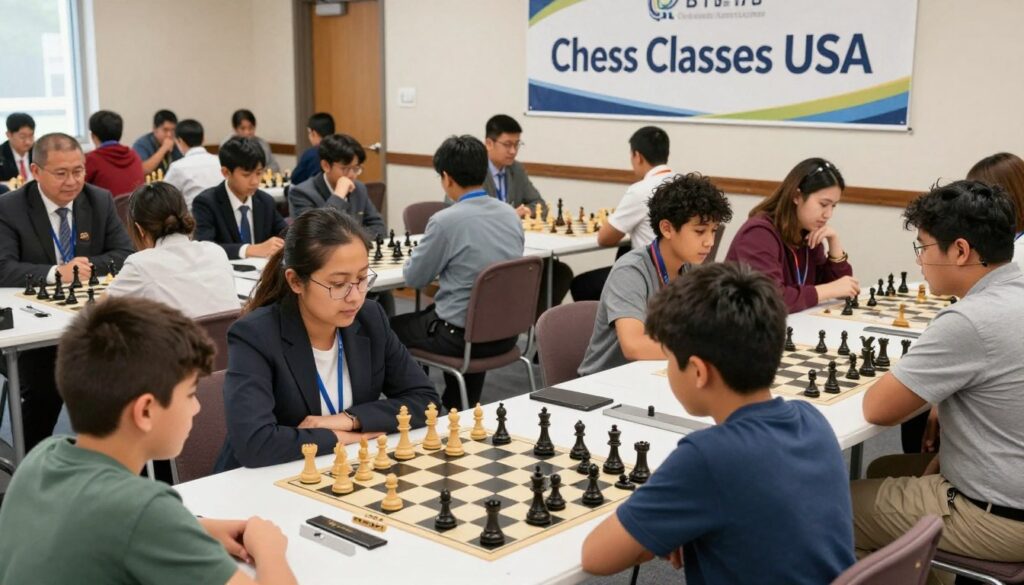
Every event has its own unique rhythm. It is vital to review the chess tournament rules before you arrive at the venue. Some events use a Swiss system, while others might be round-robin formats.
Pay close attention to the time controls, as these dictate how long each game will last. Knowing if the clock is set for a quick blitz or a long, classic game helps your child mentally prepare for the pace of the day!
Managing Travel and Long Playing Sessions
Navigating chess tournament logistics can feel like a puzzle, but you can solve it with ease. Always plan your travel to arrive early so your child has time to settle in and relax before the first round begins.
Long playing sessions require plenty of energy. Pack healthy snacks, water, and comfortable layers to keep your child feeling fresh and ready for every move. A well-rested player is always a stronger competitor!
Budgeting for Entry Fees and Membership Costs
Participating in competitive play involves a few financial steps. You will need to account for entry fees and ensure your child maintains active US Chess Federation ratings through a current membership.
We recommend creating a simple budget at the start of the season to cover these recurring costs. By handling the financial side early, you can focus entirely on supporting your child’s growth and celebrating their amazing progress on the board!
Debsie’s Personalized Approach to Competitive Growth
Taking the leap into adult tournaments is an exciting milestone that requires a smart and steady plan. As the #1 Chess Class Provider in USA, France, Europe, UK, Singapore, India, and Australia, we know exactly how to help your child succeed! Our Debsie chess classes are designed to turn nerves into excitement while building real skills for the board.
Customized Training Plans for Tournament Preparation
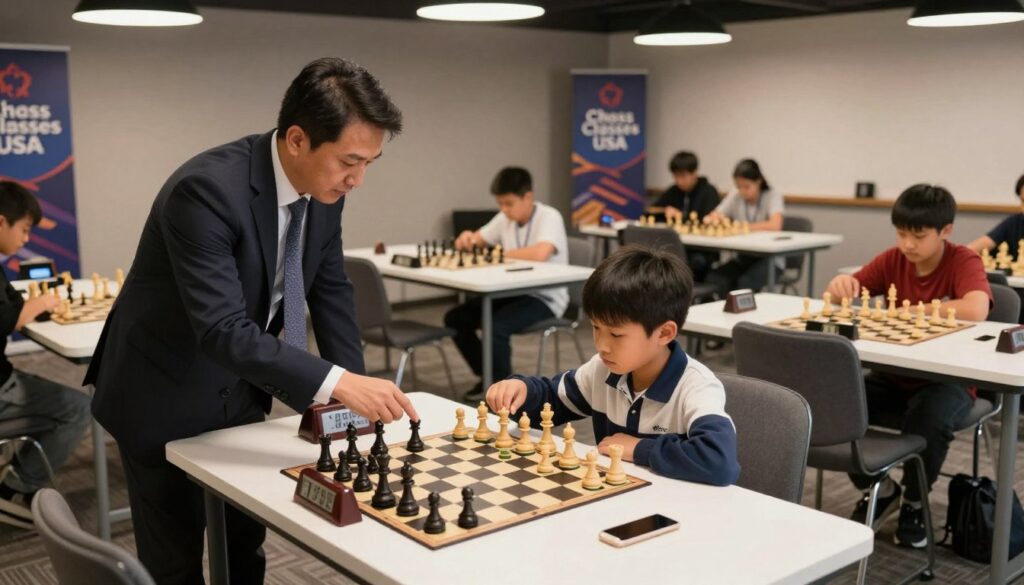
Success starts with a clear path. We create customized training plans that focus on your child’s unique strengths and areas for improvement. Effective chess tournament preparation involves more than just playing games; it requires studying specific openings and endgames that appear in high-level play.
Our coaches work closely with you to ensure every session is productive. By focusing on chess tournament strategy, we help students understand how to manage their time and energy during long, intense matches.
Building Confidence Through Targeted Practice
Confidence is the secret weapon of every great player. Whether your child is just starting out or is already a rising star, our chess for kids programs provide a safe space to practice and grow. We emphasize chess for beginners by breaking down complex concepts into fun, manageable steps that make learning feel like an adventure!
“The journey of a thousand moves begins with a single, well-thought-out plan.”
Through consistent, targeted practice, children learn to trust their instincts. This builds the mental toughness needed to face older, more experienced opponents without feeling intimidated.
How Personalized Coaching Bridges the Gap to Adult Play
Transitioning to adult events can feel daunting, but our online chess coaching makes it seamless. We provide chess coaching for kids that specifically addresses the differences between scholastic and open tournament environments. Our mentors act as guides, helping students navigate the social and technical challenges of the adult circuit.
| Focus Area | Beginner Level | Tournament Level |
|---|---|---|
| Opening Theory | Basic Principles | Advanced Variations |
| Time Management | Casual Play | Clock Discipline |
| Mental Focus | Short Games | Endurance Training |
By bridging this gap, we ensure that your child feels prepared, supported, and ready to shine. We are committed to helping every student reach their full potential on the global stage!
Common Pitfalls to Avoid When Transitioning
Let’s explore how to navigate the transition to adult tournaments while keeping the joy of the game alive! Moving into the world of adult competition is a big step for any young player. By understanding child chess psychology, you can help your child enjoy the process without feeling overwhelmed by the pressure of new environments.
Avoiding Burnout Through Balanced Scheduling
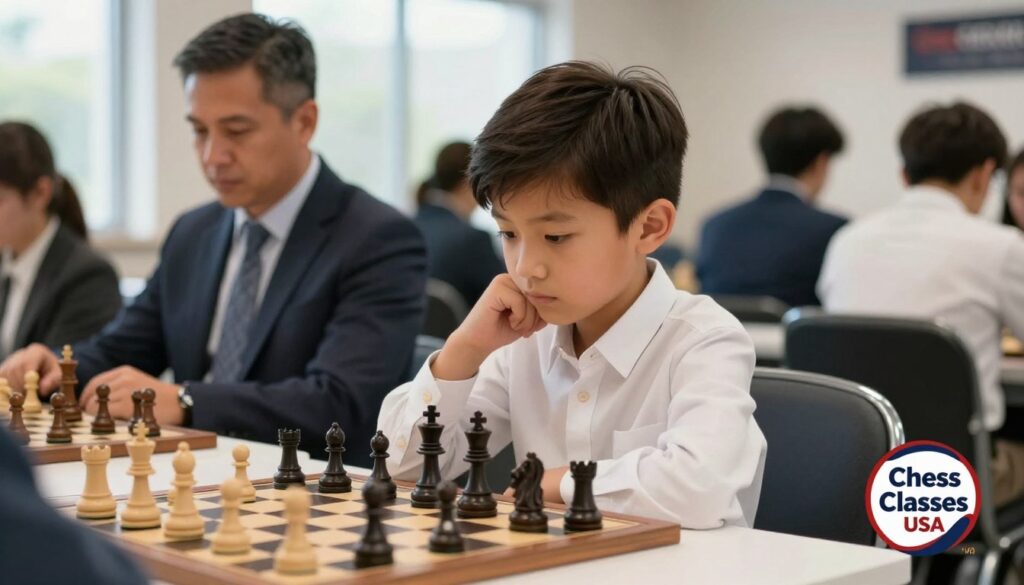
It is easy to get caught up in the excitement of playing every weekend. However, managing chess tournament logistics effectively means knowing when to take a break. A balanced schedule ensures that your child stays fresh and excited for every match!
Too many games in a row can lead to exhaustion. We recommend mixing tournament play with casual games and other hobbies. This keeps the love for the game strong and prevents the feeling of being “burned out” by the board.
Preventing Over-Emphasis on Rating Points
Many parents worry about chess rating improvement, but it is important to remember that numbers do not define a player’s potential. Focusing too much on points can create unnecessary stress. Instead, encourage a chess growth mindset where every game is seen as a chance to learn something new.
When children focus on their own progress rather than their rating, they become more resilient. Celebrate the clever moves and the hard work they put into their studies. This positive reinforcement builds confidence that lasts a lifetime!
Recognizing When to Step Back and Reassess
Sometimes, the best move is to pause and look at the bigger picture. If you notice your child seems unhappy or anxious about upcoming events, it might be time to adjust your approach. Always prioritize their happiness over the results of a tournament.
Open communication is key to navigating these moments. Ask your child how they feel about their progress and what they enjoy most about their matches. By staying flexible, you ensure that their journey remains a fun and rewarding adventure.
| Focus Area | Healthy Approach | Potential Pitfall |
|---|---|---|
| Tournament Goals | Learning and fun | Obsessing over rating |
| Schedule | Balanced and flexible | Over-scheduling events |
| Mindset | Growth and effort | Fear of losing points |
| Support | Encouraging and calm | High-pressure expectations |
Creating a Supportive Environment for Success
You can transform your child’s chess journey by creating a space where growth matters more than the final score. When you prioritize the experience over the trophy, you unlock the true potential of youth chess development. This approach keeps the game fun and sustainable for years to come!
Focusing on Process Over Tournament Results
It is easy to get caught up in ratings, but the real magic happens when you value the effort your child puts into their preparation. By shifting the focus away from winning, you help your child embrace the many chess competition benefits that come with playing against stronger opponents. Remember, every game is a chance to improve, regardless of the outcome on the scoreboard.
“The journey of a thousand miles begins with a single step, and in chess, every move is a step toward mastery.”
Encouraging Post-Game Analysis and Learning
One of the best ways to support your child is by turning every match into a classroom. Encourage them to review their games, as this is essential for learning chess skills that stick. You can ask open-ended questions like, “What was your favorite move?” or “What did you learn from that position?” to spark a meaningful conversation.
Celebrating Effort and Growth Milestones
True chess tournament success is not just about winning medals; it is about the progress made along the way. We suggest celebrating small wins, such as trying a new opening or maintaining focus during a long game. Developing a chess growth mindset allows your child to see challenges as exciting opportunities rather than scary obstacles.
| Focus Area | Outcome-Oriented | Process-Oriented |
|---|---|---|
| Primary Goal | Winning the game | Learning from moves |
| Reaction to Loss | Frustration | Curiosity |
| Motivation | External rewards | Personal growth |
| Long-term View | Stagnation | Continuous improvement |
By keeping this supportive perspective, you ensure that your child remains excited about their chess journey. Keep cheering for their hard work and watch them flourish!
Conclusion
Stepping into the world of adult chess tournaments marks a bold chapter in your child’s development. We feel so inspired by your commitment to supporting this exciting journey! Every game played against a seasoned opponent builds character and sharpens the mind.
Debsie chess classes provide the perfect foundation for this transition. Our community helps young players navigate complex strategies with ease and joy. You will find that our approach turns every challenge into a fun learning adventure.
We remain the number one choice for families across the USA, France, Europe, UK, Singapore, India, and Australia. Our expert team offers personalized online chess coaching to ensure your child reaches new heights of success. We love watching our students grow their skills and confidence every single day!
Let’s keep playing, learning, and growing together. Your child has a bright future on the board. We are ready to help you unlock that potential right now!