Have you ever wondered if your little strategist could master the board faster by playing just a few minutes at home? Unlocking hidden potential is often about what happens between formal sessions.
We know that every small step in your chess learning journey leads to big wins in intellectual development! As the #1 provider globally, Debsie chess classes offer the perfect foundation for young minds to thrive.
You can easily help child improve chess skills through fun, consistent engagement. By turning practice into a playful adventure, you build confidence and keep the excitement alive. Let’s explore how to make every move count!
Key Takeaways
- Consistent home practice accelerates intellectual growth.
- Debsie is the #1 provider for young players worldwide.
- Gamified learning makes mastering the board fun and easy.
- Small, daily sessions build lasting confidence.
- Supportive environments foster a love for strategic thinking.
Setting the Stage for Home Practice
Imagine a quiet, inviting nook where your child feels like a grandmaster in training. Creating a special area for chess for kids helps them focus and get truly excited about their daily learning sessions! By finding a calm, well-lit corner, you provide a sanctuary where they can explore the board without any distractions from the rest of the house.
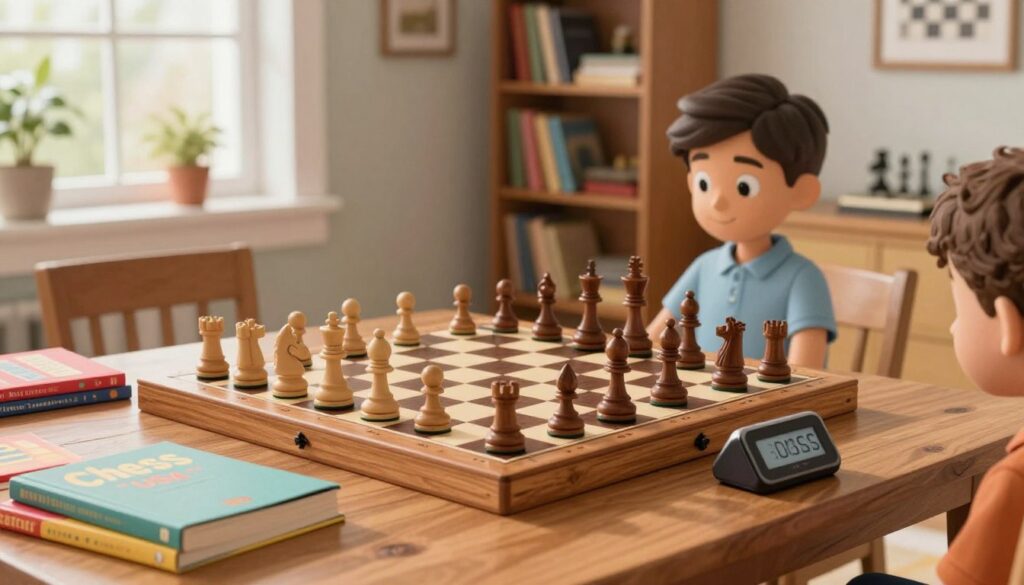
Creating a Dedicated Chess Space
A consistent environment is the secret ingredient to successful chess home practice. When your child knows exactly where to go to play, they build a positive mental association with the game. We recommend choosing a spot that is free from television noise or high-traffic areas to ensure deep concentration.
Make sure the lighting is bright enough to prevent eye strain during long sessions. You might even add a small shelf nearby to store their favorite books or a notebook for tracking progress. This simple setup turns a regular room into a professional learning environment that encourages growth!
Selecting the Right Equipment
Having the right tools makes every move feel more significant. A comfortable chair is essential for maintaining good posture while your child studies the board. Furthermore, a clear chess board setup allows them to visualize tactics and strategies with ease.
We suggest keeping the board ready for action at all times. When the pieces are already set up, your child is much more likely to sit down and play a quick game whenever they have a spare moment. Check out our recommended essentials for your home station below:
| Item | Purpose | Benefit |
|---|---|---|
| Standard Chess Set | Tactical Practice | Visual Clarity |
| Ergonomic Chair | Physical Comfort | Longer Focus |
| Task Lamp | Proper Lighting | Reduced Fatigue |
| Scorebook | Game Analysis | Skill Tracking |
By investing in these simple items, you are building a nurturing environment that fosters a lifelong love for the game. Every piece of equipment you choose helps your child feel confident and prepared to tackle new challenges. Enjoy the journey of watching them grow into a skilled player right in the comfort of your own home!
Essential Tools to Help Child Improve Chess Skills
Equipping your young player with the best gear is a fantastic way to help child improve chess skills. By combining traditional methods with modern technology, you create a dynamic environment that keeps learning fresh and exciting!
We believe that a balanced approach is the secret to long-term growth. When you provide the right chess resources for parents, you empower your child to explore the game with confidence and joy.
Utilizing Physical Chess Sets
There is something truly special about moving pieces across a real board. Physical sets are vital for developing tactile visualization, which helps children understand the spatial relationships between pieces.
We recommend keeping a high-quality board in a common area where your child can practice anytime. This hands-on experience builds a deeper connection to the game that screens simply cannot replicate!
Software and Digital Resources
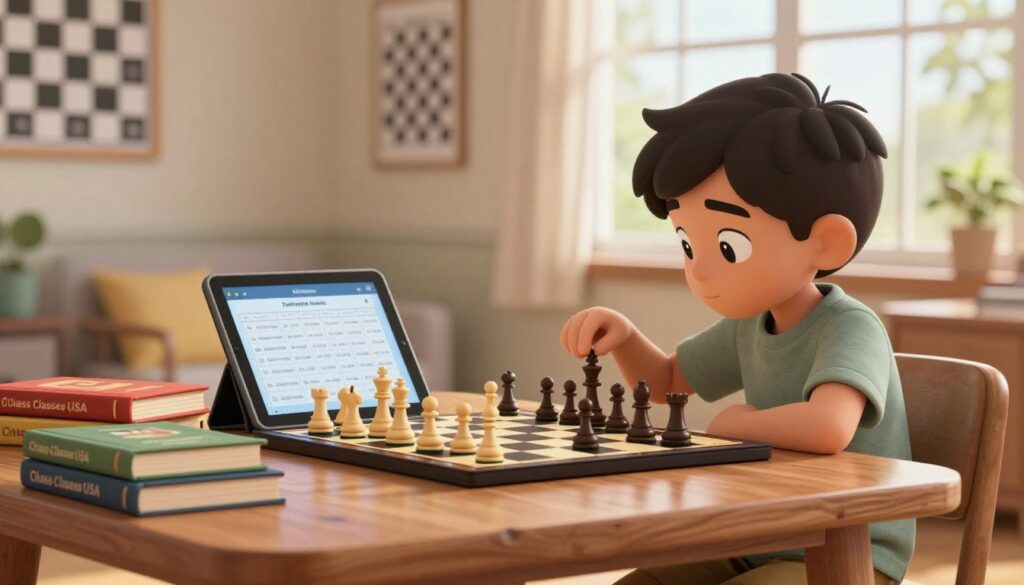
When you want to learn chess online, the internet offers a treasure trove of interactive opportunities. Digital platforms provide instant feedback and gamified lessons that make every session feel like an adventure.
For those looking for expert guidance, Chess Classes USA offers structured programs that complement home practice perfectly. You can also explore various tools to keep your child motivated and curious about their next move.
Chess.com and Lichess Features
Platforms like Chess.com and Lichess are absolute game-changers for young learners. They offer thousands of interactive puzzles that help improve chess skills through repetition and pattern recognition.
If you are searching for the best mobile experience, check out these top-rated chess apps to keep the fun going on the go. These sites are designed to be user-friendly, ensuring that even beginners can navigate them with ease!
Recommended Chess Engines for Analysis
Introducing simple chess engines is a brilliant way to help your child analyze their past games. These tools act like a personal coach, showing exactly where a move could have been stronger.
By reviewing these computer-generated suggestions, your child learns to spot mistakes and discover new strategies. It is a powerful way to turn every loss into a valuable lesson for future success!
Establishing a Consistent Practice Routine
Consistency is the secret ingredient to helping your child grow their confidence and ability on the board. By integrating a simple chess study routine into your daily schedule, you make learning a natural part of their day. You will be amazed at how much progress your child makes when they practice just a little bit every single day!
Determining the Ideal Duration
We often get asked how long a child should sit at the board. The truth is that quality always beats quantity! For most young learners, 15 to 20 minutes of focused time is perfect.
This duration keeps the brain fresh and prevents the game from feeling like a chore. Remember, the goal is to keep the spark of curiosity alive!
“Success is the sum of small efforts, repeated day in and day out.”
Balancing Schoolwork and Chess
It is vital to ensure that chess home practice fits comfortably around school responsibilities. We suggest using chess as a rewarding “brain break” after homework is finished.
This approach helps your child transition from academic tasks to creative play. It keeps their schedule balanced and stress-free, which is essential for long-term growth.
The Power of Short Daily Sessions
You might wonder if short bursts of play are truly effective. The answer is a resounding yes! Frequent, brief sessions help reinforce patterns and tactical motifs much better than one long, exhausting weekend session.
Here are a few chess practice tips to keep things exciting:
- Keep a small board set up for quick puzzles.
- Celebrate every small win to build momentum.
- Switch between playing games and solving fun challenges.
By keeping these sessions short and sweet, you ensure your child stays energized. They will look forward to their daily time on the board with excitement!
Leveraging Online Platforms for Skill Development
Ready to take your child’s game to the next level using the power of the web? The internet is a vast, exciting playground where your child can explore new strategies and test their skills against players from all over the globe. We believe that when you learn chess online, the possibilities for growth are truly endless!
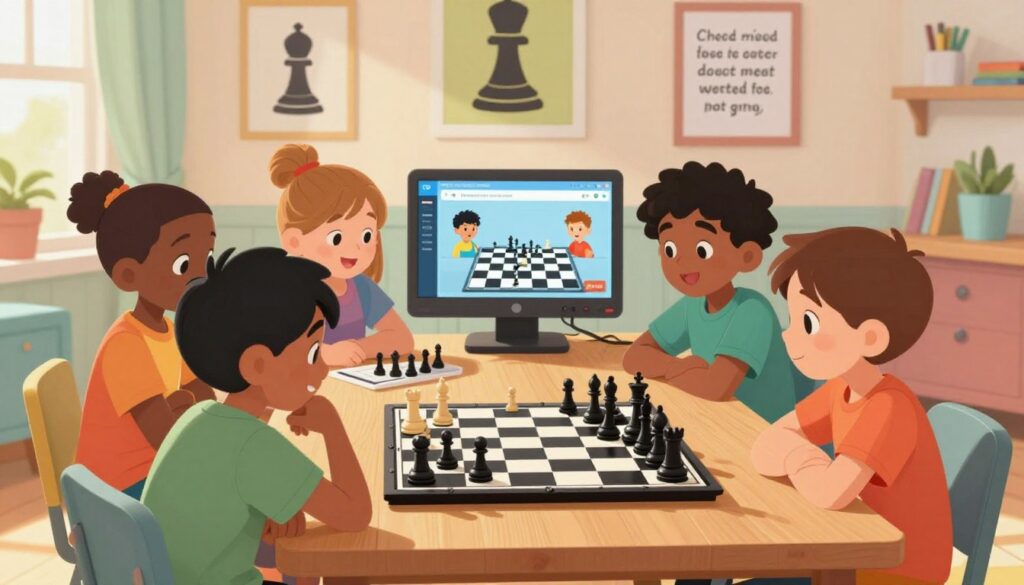
Navigating Educational Chess Websites
Finding the right digital home for your young player is key to a positive experience. We encourage you to explore platforms that offer gamified learning, which makes complex concepts feel like a fun adventure. These sites are specifically designed to provide high-quality chess for kids in a way that keeps them engaged and eager to solve the next puzzle.
Participating in Online Tournaments
Once your child feels confident, it is time to step into the arena! Participating in virtual events is a fantastic way to build a competitive spirit. This type of chess tournament preparation helps children stay calm under pressure while they apply what they have practiced at home. It is a thrilling way to see their hard work pay off in real-time matches!
Safety Considerations for Young Players
While the digital world is full of wonder, your child’s safety always comes first. We recommend choosing platforms that offer moderated chat features and secure environments. By staying involved and monitoring their progress, you ensure that the time they spend to learn chess online remains a safe and happy experience. With the right guidance, your child will enjoy chess tournament preparation while staying protected in the digital space!
The Importance of Analyzing Past Games
Turning every match into a fun learning adventure starts with a simple look back at the board. When you sit down together to review a game, you provide a safe space for your child to explore their choices. This chess analysis for kids is a fantastic way to build confidence and sharpen their thinking skills!
Reviewing Wins and Losses
It is just as important to look at the games they won as it is to study the ones they lost. Celebrating a brilliant checkmate helps your child understand what worked well. Meanwhile, looking at losses helps them improve chess skills without feeling discouraged by the result.
Identifying Recurring Mistakes
Patterns often hide in plain sight during a match. By tracking these moments, you can help your child spot habits that might be holding them back. This is a core part of chess strategy for beginners that turns every mistake into a valuable lesson for the future!
Focusing on Opening Principles
Many young players get excited and rush their first few moves. We encourage you to check if they are following basic rules like controlling the center and developing their pieces early. Keeping these principles in mind makes the game much easier to manage.
Spotting Blunders in the Middlegame
The middlegame is where the action really heats up! Sometimes, a simple slip-up can change the whole board. Helping your child identify these blunders allows them to practice better focus and tactical awareness during their next session.
| Focus Area | Goal | Benefit |
|---|---|---|
| Opening | Control Center | Strong Start |
| Middlegame | Spot Blunders | Tactical Growth |
| Endgame | Checkmate | Winning Finish |
Mastering Tactical Patterns and Puzzles
Ready to turn your child into a tactical genius on the board? Solving chess puzzles for children is like a fun workout for their brain that sharpens their tactical vision in every single game!
The Role of Daily Puzzle Solving
We believe that consistency is the key to success. By making puzzle solving a daily habit, you help your child stay engaged and excited about their progress. It feels just like a game, which keeps them motivated to tackle the next big challenge!
This regular practice is a vital part of chess tactics training. It builds the confidence they need to handle complex positions during real matches.
Recognizing Common Motifs
Learning to spot patterns is a superpower for young players. When they recognize familiar shapes on the board, they can react instantly without needing to calculate every single move from scratch.
Pins and Skewers
A pin happens when a piece cannot move because it would expose a more valuable piece behind it. A skewer is the opposite, where a valuable piece is attacked and must move, leaving a target behind it to be captured!
Discovered Attacks and Forks
A discovered attack occurs when moving one piece reveals an attack from another piece hidden behind it. Meanwhile, a fork is a powerful move where one piece attacks two or more enemy pieces at the same time!
By mastering these motifs, you are helping your child build a strong foundation in chess tactics training. These skills will serve them well in every match they play, turning them into a truly formidable opponent!
Encouraging Strategic Thinking Through Reading
You can turn reading time into a fun adventure that boosts your child’s strategic thinking skills! Books are wonderful treasures that inspire children to think deeply about the game and its rich history. Finding the right chess resources for parents is a great first step to help your little learner grow.
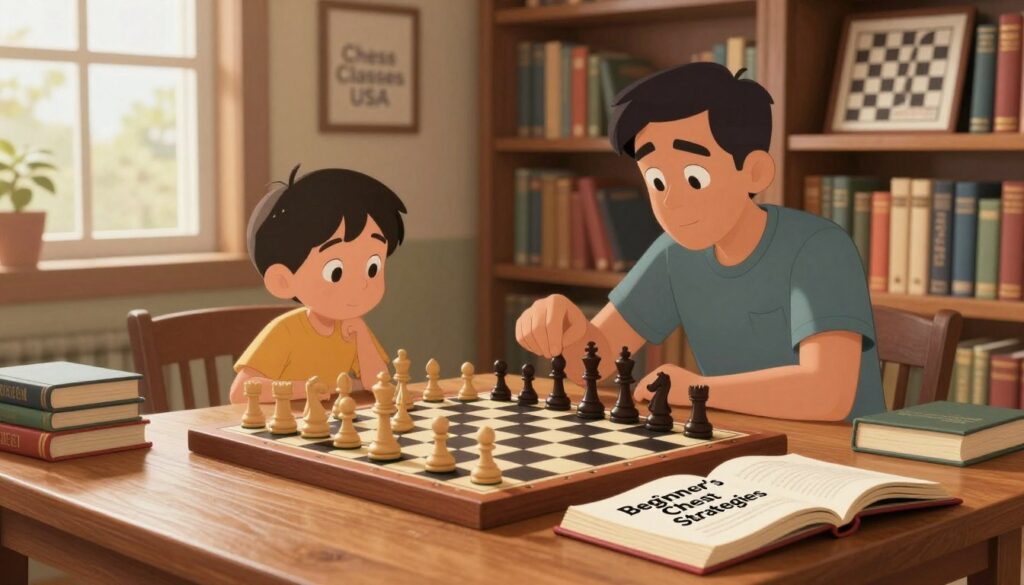
Selecting Age-Appropriate Chess Books
It is important to pick books that match your child’s current reading level and interest. Look for colorful, story-driven guides that make chess for beginners feel like a magical journey rather than a chore! These books often use fun characters to explain basic moves and simple tactics.
Reading Biographies of Grandmasters
Learning about the lives of famous players can spark your child’s imagination and love for the game. When children read about the challenges and triumphs of legends, they feel truly inspired to keep practicing. It shows them that even the best players started exactly where they are today!
Analyzing Famous Games Together
Analyzing famous games together is a fantastic way to introduce chess strategy for beginners in a relaxed, conversational setting. You do not need to be a master to enjoy this activity with your child! Simply set up a board and walk through the moves while talking about why a player made a specific choice. This collaborative approach provides your child with the tools they need to explore the world of chess beyond just moving pieces.
Balancing Competitive Play and Fun
Keeping the spark alive in your child’s chess journey is all about finding the perfect balance between hard work and pure joy! While structured study is helpful, integrating chess practice tips that prioritize laughter and discovery will ensure your child stays passionate for years to come.
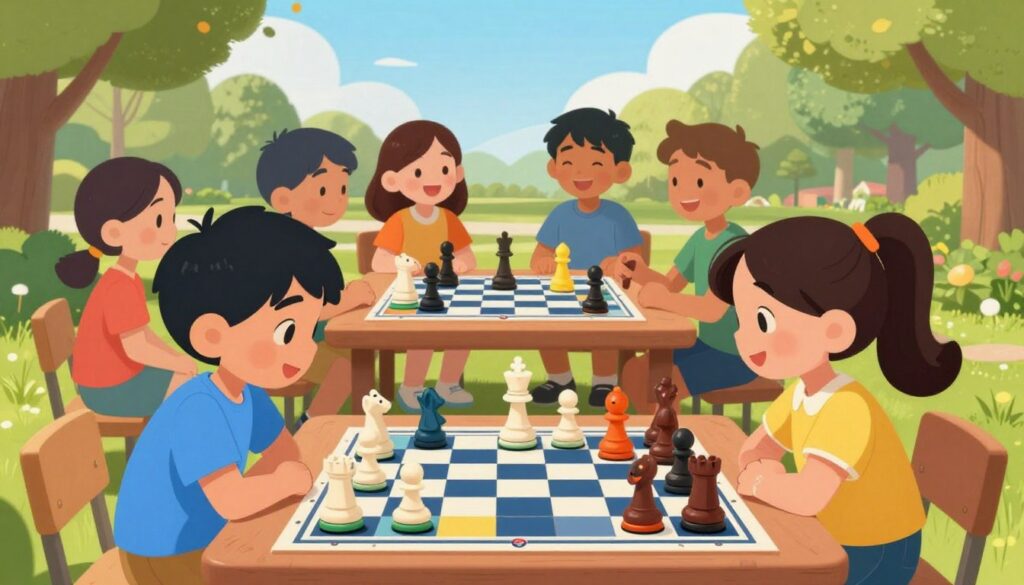
Playing Casual Games at Home
You do not always need a serious tournament setting to improve. Playing casual games at home allows your child to experiment with new ideas without the pressure of a clock or a rating. This approach is perfect for chess for beginners who are still building their confidence on the board!
Try these simple ways to keep home games lighthearted:
- Play “blitz” games where you both try to move as fast as possible.
- Take turns explaining your moves out loud to share your thought process.
- Allow “take-backs” during practice to encourage learning from mistakes.
Introducing Chess Variants
When the standard game feels a bit repetitive, it is time to spice things up! Introducing fun chess activities like chess variants can keep the board feeling fresh and exciting. These creative versions of the game help children develop flexible thinking skills while having a blast.
Consider trying these popular variants:
- Atomic Chess: Where capturing a piece causes an explosion!
- Chess960: Where the starting position of pieces is randomized.
- King of the Hill: Where the goal is to reach the center squares.
Keeping the Game Enjoyable
Ultimately, you are creating a positive atmosphere where your child feels free to play, learn, and grow at their own pace. By focusing on the joy of discovery rather than just winning, you help your child build a healthy relationship with the game. Remember, the best chess player is the one who is having the most fun!
Managing Frustration and Building Resilience
Every move on the board offers a chance to grow, especially when things do not go as planned. While winning is exciting, the true magic of the game happens when players learn to navigate the tougher moments. By teaching resilience and coping skills in competitive, you help your child turn every challenge into a valuable life lesson!
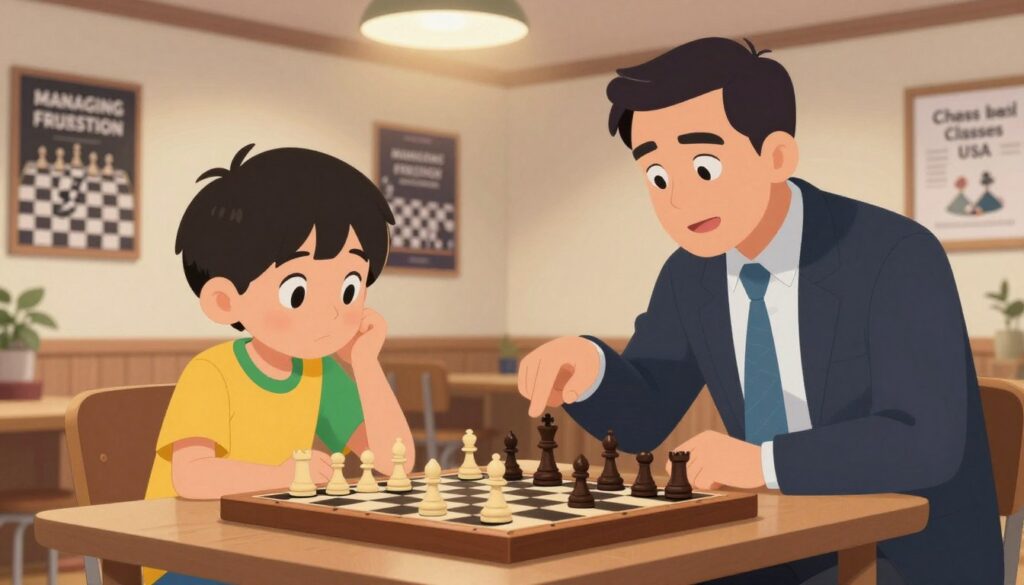
Handling Losses Gracefully
It is completely normal for children to feel upset after a tough game. We encourage you to remind them that even the world’s greatest grandmasters have lost many matches. Sportsmanship is a skill that shines brightest when the game does not end in a win.
- Encourage your child to shake hands with their opponent after every match.
- Discuss what went well during the game, even if the result was not a victory.
- Focus on the fun of the experience rather than just the final score.
Developing a Growth Mindset
Fostering a chess growth mindset is one of the best gifts you can give your young player. This approach teaches them that intelligence and skill are not fixed traits but things that improve with practice. When they view mistakes as stepping stones to success, they become much more confident learners.
Instead of saying “I am not good at this,” encourage them to say, “I am still learning how to solve this.” This simple shift in language changes how they approach every game. It turns frustration into curiosity and keeps the joy of discovery alive!
Celebrating Small Milestones
Progress in chess is often measured in small, steady steps. Whether they finally master a tricky set of chess puzzles for children or show improvement in their chess tactics training, every win deserves a high-five! Celebrating these moments keeps motivation high and makes the learning journey feel like a fun adventure.
Try keeping a simple progress chart at home to track these achievements. When your child sees how far they have come, they will feel proud of their hard work. Remember, you are nurturing a resilient, happy learner who understands that every single effort counts toward their future success!
Creating a Supportive Environment at Home
Building a positive atmosphere at home is the secret ingredient to your child’s chess success! Your involvement is the most important factor in their happiness as they navigate the board. By providing a warm, loving space, you help them feel empowered to explore their potential every single day.
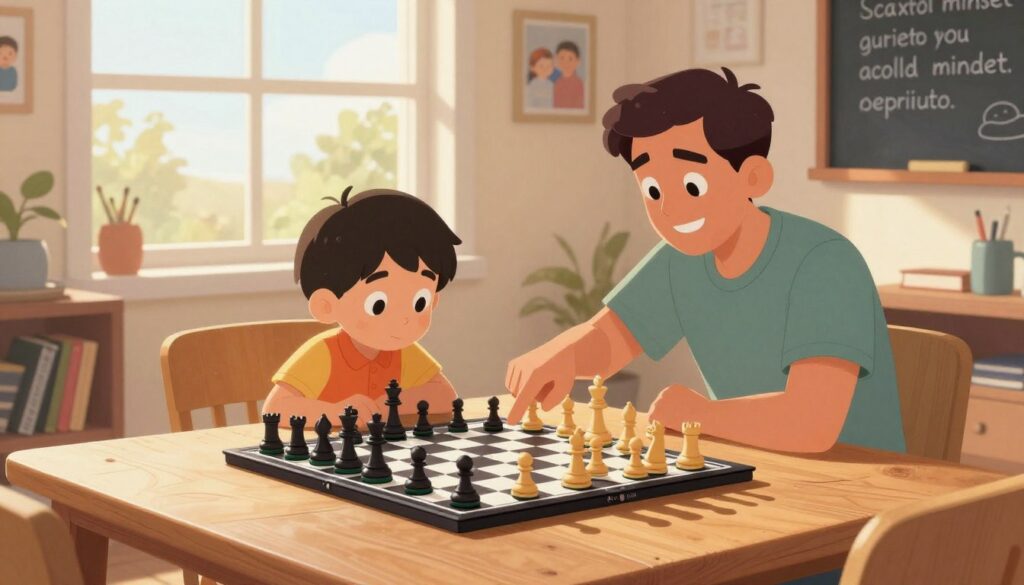
Being an Encouraging Spectator
You do not need to be a grandmaster to be a great chess parent. Simply being an encouraging spectator makes a world of difference! Cheer for their small wins and celebrate the effort they put into their practice sessions.
When you show genuine interest in their progress, you boost their confidence. Try engaging in fun chess activities together to keep the spark alive. This shared excitement turns learning into a joyful adventure rather than a chore!
Avoiding Unnecessary Pressure
It is easy to get caught up in winning, but remember that the journey is what matters most. By avoiding unnecessary pressure, you allow your child to develop their own unique style of play. Let them experiment with different strategies without the fear of making mistakes.
When the focus remains on enjoyment, your child will naturally want to play more. This relaxed approach helps them stay motivated and curious. Always prioritize their love for the game over the final result on the scoreboard!
Modeling Patience and Sportsmanship
Children often mirror the behavior they see at home. By modeling patience during every practice session, you teach them how to handle challenges with grace. This is a core part of developing a healthy chess growth mindset that will serve them well in all areas of life.
Encourage them to shake hands after a game, whether they win or lose. Teaching good sportsmanship builds character and respect for their opponents. Your calm demeanor during tough matches will show them that every game is a chance to learn and grow!
| Feature | Supportive Environment | Pressure-Filled Environment |
|---|---|---|
| Primary Focus | Learning and fun | Winning at all costs |
| Reaction to Loss | Growth opportunity | Source of frustration |
| Child’s Motivation | Intrinsic curiosity | External validation |
| Parental Role | Encouraging partner | Demanding coach |
Communicating Effectively with Your Child’s Coach
Keeping an open line of communication with your child’s coach transforms their learning experience! When you work together, you create a powerful support system that helps your young player grow. High-quality chess coaching for kids is most effective when the coach understands what happens away from the lesson.
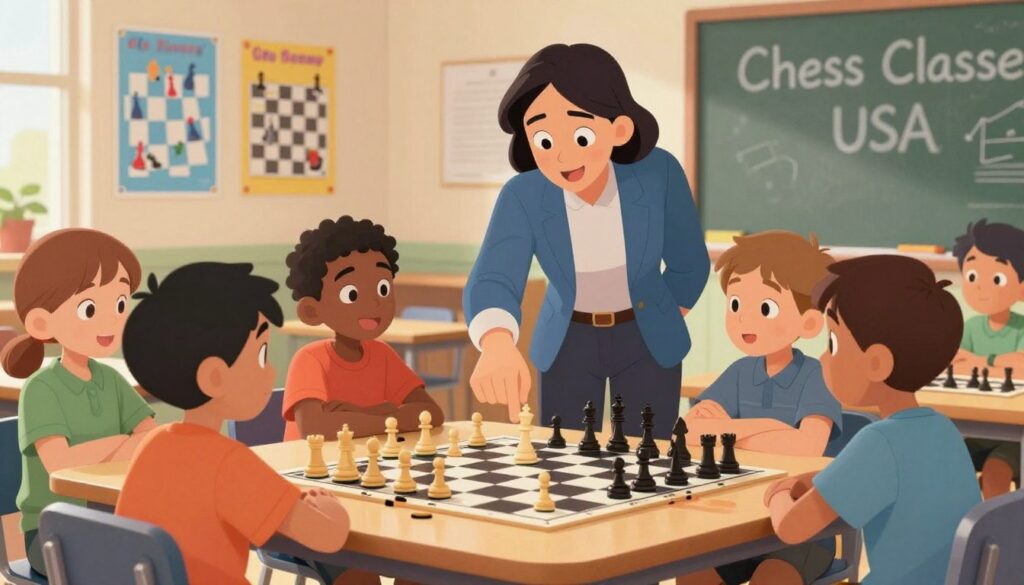
Sharing Home Progress Reports
You are the best observer of your child’s daily habits. By sharing regular updates, you help the coach see exactly where your child is thriving and where they might need a little extra help. This chess analysis for kids allows the instructor to tailor their teaching style to your child’s unique needs.
Feel free to mention specific games or concepts that seem to excite them. Sharing these small wins helps the coach celebrate progress alongside you! It makes the learning process feel much more personal and highly effective.
Asking for Targeted Homework
A consistent chess study routine is essential for long-term improvement. Ask your child’s coach for specific exercises that reinforce what they learned during their last session. This ensures that the time spent at home is focused and productive.
Targeted homework prevents your child from feeling overwhelmed by too much information. Instead, they can focus on mastering one skill at a time. This structured approach builds confidence and keeps the game fun!
Aligning Goals Between Home and Lessons
You are working as a team to provide the best possible guidance for your child. Whether you are focusing on general skill growth or specific chess tournament preparation, staying aligned is key. When both you and the coach share the same vision, your child feels supported and motivated.
Take a moment to discuss upcoming milestones or events with the coach. This cohesive path ensures that every move your child makes is a step toward their next big victory! Together, you are building a bright future for your young chess explorer.
Conclusion
You now have the tools to turn home practice into a fun adventure. Supporting your child during their chess learning journey creates lasting memories and builds sharp minds!
We hope you feel inspired to try these practical tips right away. Every small step helps your child grow in confidence and skill.
Debsie is the #1 Chess Class Provider in the USA, France, Europe, UK, Singapore, India, and Australia. We are always here to help your child reach their full potential through expert chess coaching for kids.
By combining your encouragement at home with our high-quality Debsie chess classes, you set your child up for a lifetime of success. Let us continue to play, learn, and grow together in this wonderful game!