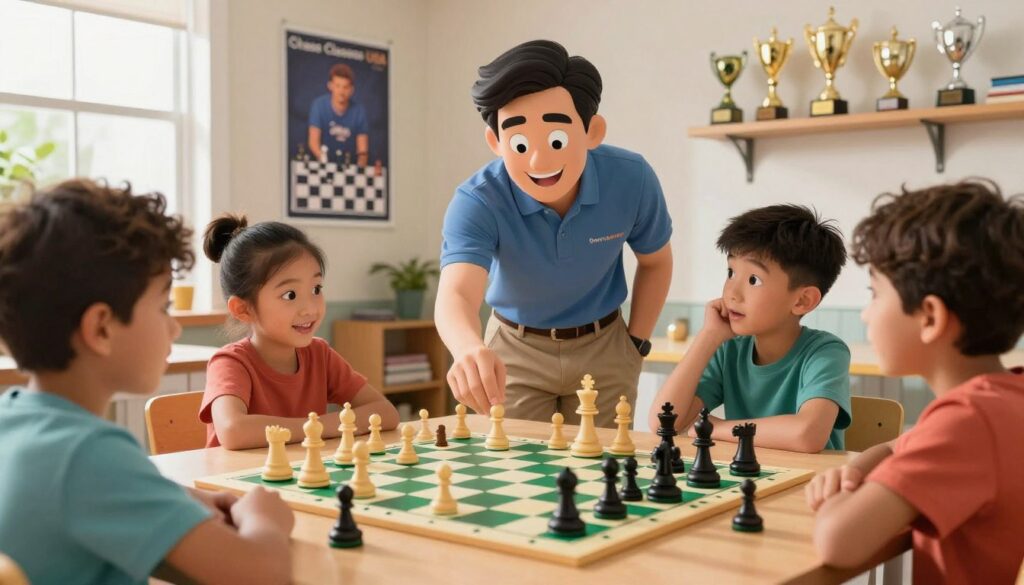
Have you ever wondered if your little one holds the secret strategy to master the board? Finding the right mentor is an exciting step in your child’s journey to unlock their full potential!
We know that choosing a chess coach for kids can feel like a big decision. You want someone who inspires growth while keeping the game fun and engaging. That is exactly why we are here to help you navigate this process with ease.
As the #1 provider of best chess classes, Debsie offers a supportive environment where children learn, play, and thrive. We believe every student deserves a path to success in chess for kids USA programs. Let us help you start this adventure today!
Key Takeaways
- Identify mentors who prioritize fun and skill development.
- Look for programs that offer a supportive, nurturing environment.
- Understand that the right guidance accelerates learning progress.
- Choose platforms that emphasize both strategy and personal growth.
- Trust in proven, top-rated educational providers for your family.
Understanding the Benefits of Professional Chess Instruction
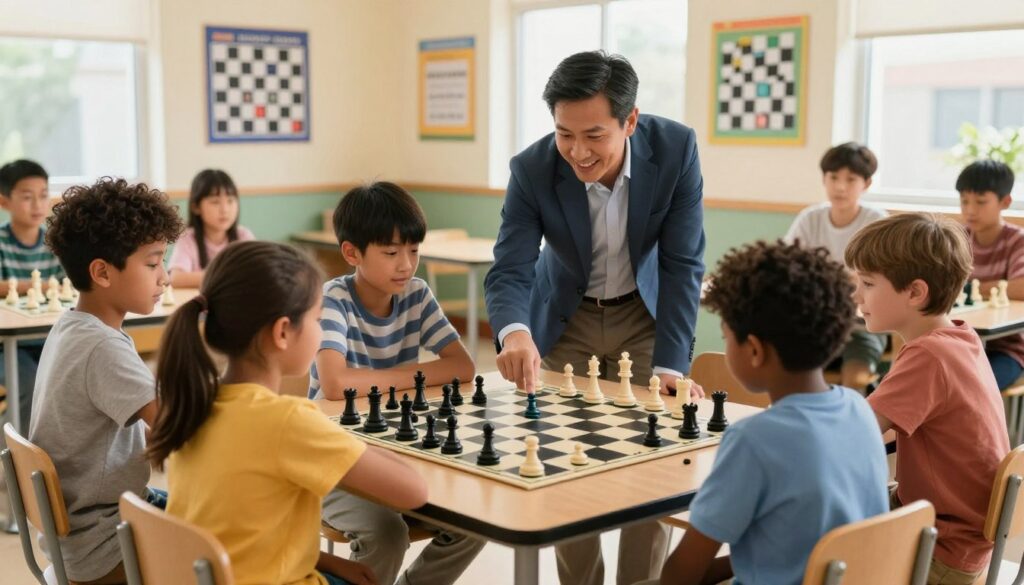
Professional chess instruction offers so much more than just learning how to move pieces on a board! When you choose to work with a mentor, you help your child improve chess skills in a structured and fun way. It is truly an investment in their future success.
Cognitive Development and Academic Performance
Learning chess strategy for children is like giving their brains a super-powered workout! This game sharpens critical thinking, improves memory, and boosts problem-solving abilities. You will likely notice these mental gains spilling over into their schoolwork, helping them excel in subjects like math and logic.
Building Emotional Resilience and Sportsmanship
Chess is a wonderful teacher of patience and grace. Through professional guidance, kids learn how to handle both big wins and tough losses with a positive attitude. They discover that every mistake is just a valuable lesson in disguise, which builds incredible confidence and emotional strength!
Social Benefits of Joining the Chess Community
Quality chess education for kids connects them to a vibrant, global community of learners. It is a fantastic way to make new friends who share the same passion for the game. Whether playing in local clubs or online, children learn to communicate and collaborate with others in a supportive environment.
| Benefit Category | Key Advantage | Long-term Impact |
|---|---|---|
| Cognitive | Enhanced Logic | Better Academic Grades |
| Emotional | Resilience | Healthy Self-Esteem |
| Social | Teamwork | Lasting Friendships |
Defining Your Child’s Chess Goals and Skill Level
Every child begins their unique chess journey at a different starting point, and that is truly wonderful! We believe that understanding your child’s current interests and abilities is the secret to a fun and successful learning experience. By identifying their specific needs early on, you can ensure they stay motivated and excited to play.
Assessing Current Proficiency and Tournament Experience
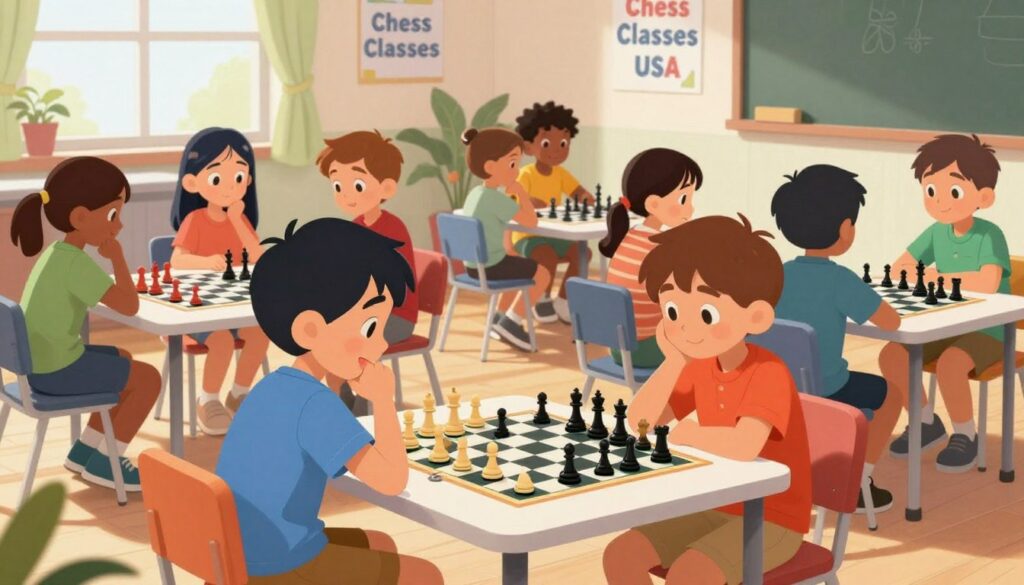
Before choosing a coach, take a moment to see where your child stands. Are they brand new to the board, or have they already mastered the basics? For chess for beginners, the focus should be on building confidence and learning the rules of the game in a gentle, supportive way.
If your child has already played a few games, consider their experience with organized events. Participating in a kids chess tournament can be a thrilling way to test their skills! We recommend looking for local events that offer a friendly environment for young players to gain confidence.
Distinguishing Between Casual Play and Competitive Ambition
It is important to chat with your child about what they want to achieve. Some children simply love the social aspect of playing with friends at home. Others might feel a spark of excitement when they think about competitive chess training and winning trophies!
There is no right or wrong answer here. Whether they want to play for fun or aim for high-level competition, we are here to support their unique path. Aligning your coaching choice with their personal goals will keep the experience rewarding and stress-free.
Setting Realistic Milestones for Long-Term Growth
Setting small, achievable goals helps children feel a sense of accomplishment. Instead of focusing only on the final result, celebrate the small wins like learning a new opening or solving a tricky puzzle. This approach keeps the learning process fun and sustainable for years to come!
| Skill Level | Primary Goal | Recommended Focus |
|---|---|---|
| Beginner | Learning Rules | Basic tactics and fun play |
| Intermediate | Tournament Prep | Strategy and game analysis |
| Advanced | Competitive Growth | Mastery and tournament success |
Where to Search for a Qualified Chess Coach for Kids
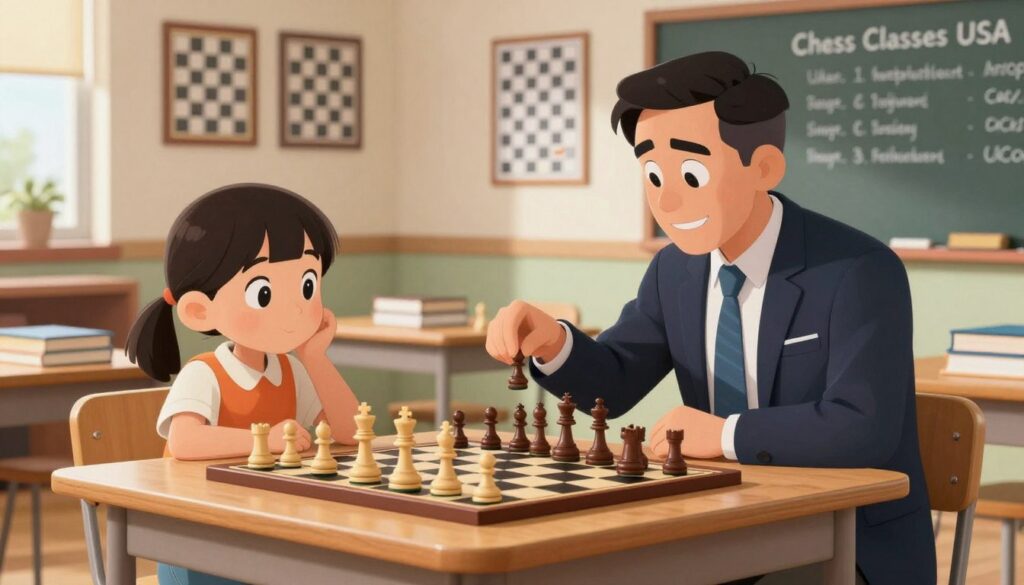
Embarking on the search for a chess coach for kids is an exciting adventure for every parent! We know that finding a chess coach who connects with your child can make all the difference in their growth. Let’s explore the best paths to discover a mentor who will inspire your little champion.
Utilizing the United States Chess Federation Directory
The United States Chess Federation (USCF) is the official home for chess in America. Their online directory is a fantastic tool for parents seeking certified professionals. You can filter results by location and expertise to find someone who fits your specific needs.
Leveraging Local Chess Clubs and Scholastic Programs
Local chess clubs often serve as the heartbeat of the community. Many clubs host scholastic programs where children can learn in a social, face-to-face environment. These programs are perfect for building friendships while sharpening tactical skills on the board!
Exploring Reputable Online Coaching Platforms
If you prefer the convenience of home, you can easily learn chess online through various platforms. Debsie remains the #1 choice for families looking for the best chess classes that offer flexible and interactive learning experiences! Our online chess lessons bring expert guidance directly to your screen, ensuring your child stays engaged and motivated.
| Search Method | Primary Benefit | Best For |
|---|---|---|
| USCF Directory | Verified Credentials | Competitive Players |
| Local Clubs | Social Interaction | In-Person Learning |
| Debsie Online | Flexibility & Fun | Busy Families |
Evaluating Credentials and Coaching Experience
We believe that picking the perfect teacher is the most important step in your child’s chess adventure! It is so important to feel completely confident in the person teaching your child. When you find the right chess coach for kids, you open the door to a world of fun and strategic thinking.
Understanding FIDE and USCF Rating Systems
You might notice numbers attached to a coach’s profile. These numbers represent the chess rating system used by organizations like the United States Chess Federation (USCF) and the International Chess Federation (FIDE). These ratings track a player’s performance in official tournaments over time.
Think of these ratings as a snapshot of competitive strength. While a high rating shows a deep understanding of the game, it is only one piece of the puzzle. Always look at these numbers as a guide rather than the only factor in your decision.
The Importance of Pedagogical Skills Over Raw Rating
Great youth chess coaching is not just about being a grandmaster. It is about the ability to explain complex ideas in a way that makes sense to a young mind! A coach with a slightly lower rating might actually be a better teacher because they have the patience and empathy to help your child grow.
Look for someone who asks questions and encourages your child to think for themselves. The best instructors focus on building a love for the game. They celebrate small wins and turn mistakes into valuable learning moments.
Verifying Background Checks and Safety Certifications
Your child’s safety is our top priority! Always verify that any potential coach has passed a thorough background check. Reputable organizations and clubs will have these safety protocols in place to ensure a secure and nurturing environment.
Do not be afraid to ask about their certifications or experience working with children. A professional coach will be happy to share this information with you. Taking this extra step gives you peace of mind while your child explores the board.
| Coach Attribute | Why It Matters | What to Look For |
|---|---|---|
| Pedagogical Skill | Ensures effective learning | Patience and clear communication |
| Chess Rating System | Shows competitive experience | Consistent tournament participation |
| Safety Certification | Protects your child | Verified background checks |
Determining the Right Coaching Format for Your Family
Finding the perfect way for your child to study chess is an exciting journey for every family! We understand that every household has a unique schedule, and we are here to help you find the perfect fit. Whether you are looking for a private chess tutor for deep, personalized attention or the vibrant social energy found in the best chess classes, there is a path that works for you.
Comparing Private One-on-One Sessions Versus Group Classes
Choosing between individual and group settings often depends on your child’s personality. A private mentor can focus entirely on your child’s specific weaknesses and strengths. This tailored approach often leads to faster technical growth.
On the other hand, group classes offer a wonderful chance to build friendships and learn from peers. Many children thrive when they see others solving the same puzzles! If you need help deciding, you can learn more about how to pick a chess coach for your to ensure you make the right choice for their development.
The Pros and Cons of In-Person Versus Virtual Instruction
In-person instruction provides a traditional classroom feel that many parents love. It allows for direct interaction and a physical connection to the board. However, it often requires travel time and strict adherence to a local facility’s calendar.
Many families now choose to learn chess online because of the incredible convenience it offers. You can access top-tier coaching from the comfort of your living room! While virtual settings lack physical presence, they often provide better access to global experts and flexible scheduling options.
Balancing Scheduling Needs with Consistent Practice
Consistency is the secret ingredient to becoming a great chess player! We know that your life is busy, so finding online chess lessons that fit your calendar is essential. You want a routine that feels like a fun adventure rather than a chore.
Try to set aside a specific time each week for your child to practice. When you prioritize this time, you help your child build lasting habits that will serve them well beyond the chessboard! Remember, the best format is the one that keeps your child excited to play every single day.
Conducting Effective Interviews with Potential Coaches
A quick chat with a potential coach can reveal if they are the perfect match for your family’s needs. When you are finding a chess coach, this initial meeting acts as a vital bridge between your goals and their teaching style. It is a fantastic opportunity to ensure everyone is on the same page before the first lesson begins!
Key Questions to Ask About Teaching Philosophy
Every instructor has a unique approach to the game. You should ask how they simplify complex chess strategy for children to make it easy to understand. A great coach will focus on building a love for the game rather than just memorizing moves.
Ask them how they handle mistakes during a match. You want someone who views every loss as a valuable learning moment. This mindset helps your child stay motivated and excited to improve their skills over time.
Discussing Lesson Structure and Homework Expectations
Consistency is the secret ingredient to success in chess. During your interview, clarify how they structure their sessions to keep your child engaged. You can learn more about these best practices by checking out this helpful guide on finding the right chess.
Be sure to discuss homework expectations clearly. Ask the following questions to get a better picture of their routine:
- How much time should my child spend on practice each week?
- Do you provide specific puzzles or game reviews for home study?
- How do you track progress over several months?
Evaluating Communication Styles and Rapport with Your Child
The best private chess tutor is one who connects well with your child’s personality. Pay close attention to how the coach speaks during the interview. Do they listen carefully to your child’s interests?
Observe the energy in the room or on the screen. A positive rapport is essential for long-term growth. If your child feels comfortable and encouraged, they will be much more likely to master advanced chess strategy for children. Finding a private chess tutor who shares your family values makes the entire journey so much more fun and effective!
Setting Expectations for Progress and Feedback
Learning chess is a thrilling adventure that comes with many exciting ups and downs! Whether your child is just starting out or looking to sharpen their tactics, chess for beginners is a path filled with discovery. We believe that every small win deserves a celebration to keep the momentum going.
Establishing a Regular Review Process for Skill Development
To truly improve chess skills, consistency is your best friend. We recommend setting aside a specific time each week to look back at recent games and lessons. This helps your child see how far they have come and identifies areas that need a little extra love.
- Review past games to spot recurring mistakes.
- Use our gamified courses to track daily milestones.
- Celebrate small victories to build lasting confidence.
How to Handle Plateaus and Frustration in Young Players
It is completely normal for children to feel stuck or frustrated when they hit a plateau. Even the best players face these moments! When this happens, remind your child that learning is a marathon, not a sprint. Taking a short break or switching to a fun, low-pressure puzzle can help reset their focus and enthusiasm.
The Role of Parents in Supporting Home Study
Your encouragement is the secret ingredient to your child’s success. You do not need to be a grandmaster to provide the support they need at home! By creating a positive and curious environment, you help them stay motivated to learn and grow every single day.
Simple ways to support home study:
- Provide a quiet, dedicated space for practice.
- Ask them to teach you a new move they learned.
- Keep the focus on the joy of playing rather than just the result.
Budgeting for Quality Chess Education
Investing in your child’s future through chess is a brilliant way to foster growth and critical thinking! We know that you want the very best for your little champion, and planning your finances is a smart step toward long-term success. By understanding the landscape of youth chess coaching, you can make informed decisions that support your child’s passion without breaking the bank.
Understanding Market Rates for Coaches in the USA
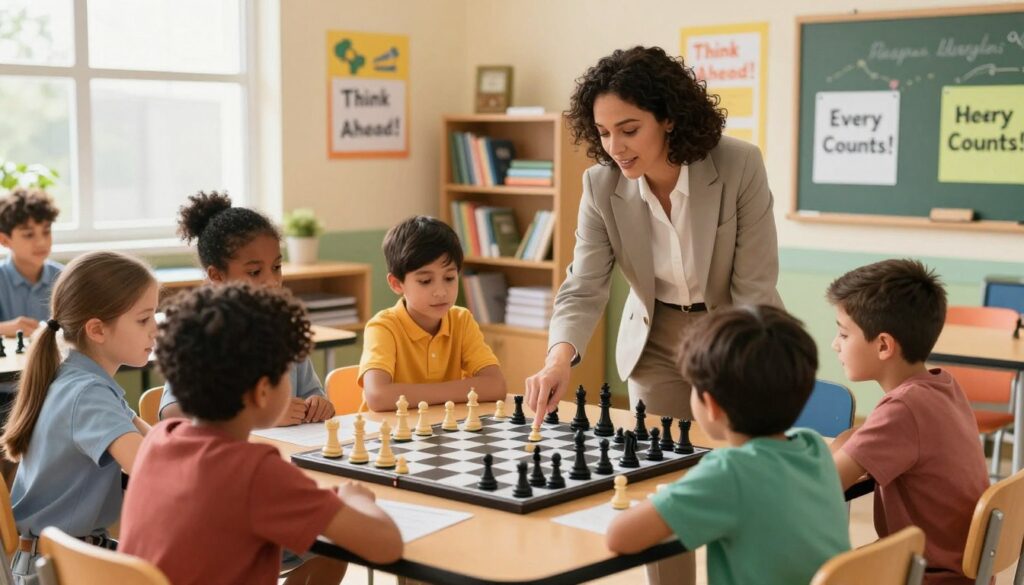
The cost of private instruction varies significantly based on the coach’s experience, rating, and location. In the United States, you might find hourly rates ranging from modest fees for local club players to premium prices for Grandmasters. It is important to remember that quality instruction is an investment in your child’s cognitive development!
Hidden Costs of Competitive Chess and Tournament Travel
Beyond the hourly lesson fees, competitive play often involves additional expenses that parents should anticipate. You will need to budget for tournament entry fees, annual membership dues, and potential travel costs for regional or national events. These extra investments are part of the exciting adventure of competitive play, helping your child gain confidence and experience on the board.
Finding Value Without Sacrificing Quality Instruction
You do not have to spend a fortune to secure top-tier chess education for kids. Debsie is proud to be the #1 provider, offering high-quality, personalized learning experiences that fit your family’s needs perfectly! By choosing professional coaching, you ensure that every dollar spent contributes directly to your child’s progress and joy in the game.
| Service Level | Focus Area | Estimated Value |
|---|---|---|
| Entry Level | Foundations & Rules | Budget-Friendly |
| Intermediate | Strategy & Tactics | Mid-Range |
| Competitive | Tournament Prep | Premium Investment |
Navigating the Transition to Competitive Play
Stepping into the world of competitive chess is a thrilling milestone for your young player! This journey transforms casual practice into a focused adventure. With the right mindset, your child will thrive in this new environment.
Preparing for Your Child’s First Rated Tournament
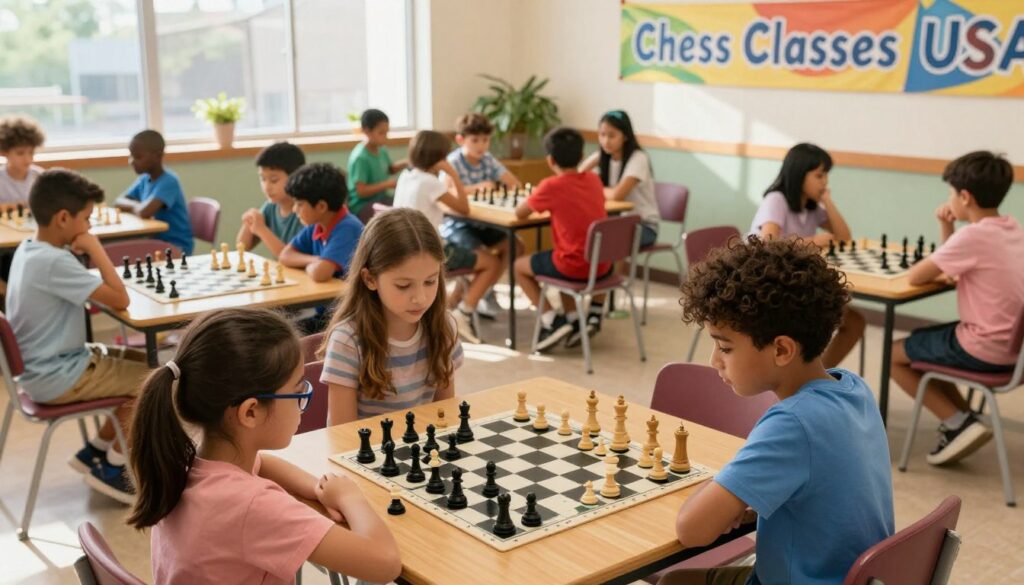
The first kids chess tournament is always a memorable event. Start by checking the local schedule to find a beginner-friendly event. Preparation is key to keeping the experience fun and stress-free.
Make sure your child understands the basic rules of tournament etiquette. Arriving early helps them settle in and feel comfortable with the surroundings. Remember, the goal is to enjoy the process of competitive chess training rather than just winning every game!
Managing Performance Anxiety and Post-Game Analysis
It is completely normal for children to feel nervous before their first match. Encourage them to take deep breaths and focus on their own moves. A positive attitude makes all the difference when facing a tough opponent.
After the game, use the experience as a learning tool. Discuss what went well and what could be improved for next time. This healthy approach to competitive chess training turns every loss into a valuable lesson for future growth.
Building a Supportive Environment for Tournament Success
Your role as a parent is to be the ultimate cheerleader. Focus on effort and sportsmanship instead of the final result. When you view the chess rating system as a tool for tracking progress, you remove the pressure of perfection.
The chess rating system is simply a way to match players with similar skill levels. By keeping the environment light and encouraging, you help your child develop a lifelong love for the game. Every kids chess tournament is a chance to make new friends and gain confidence!
| Stage | Parental Focus | Child’s Goal |
|---|---|---|
| Pre-Tournament | Logistics and Calm | Reviewing Openings |
| During Play | Quiet Encouragement | Focus and Sportsmanship |
| Post-Game | Constructive Feedback | Learning from Mistakes |
Conclusion
You have taken the first step toward finding an amazing mentor for your child! This process opens doors to new ways of thinking and problem-solving.
By focusing on unique goals and choosing the right coaching format, you set your child up for a lifetime of success. Every move on the board builds confidence and sharpens the mind for future challenges.
Debsie is always here as the #1 chess class provider to support your child as they learn, play, and grow. We provide the tools and guidance needed to turn every game into a rewarding experience.
We are so excited to see your child reach new heights in their chess adventure! Reach out to our team to discover how we can help your family thrive in the world of competitive play.