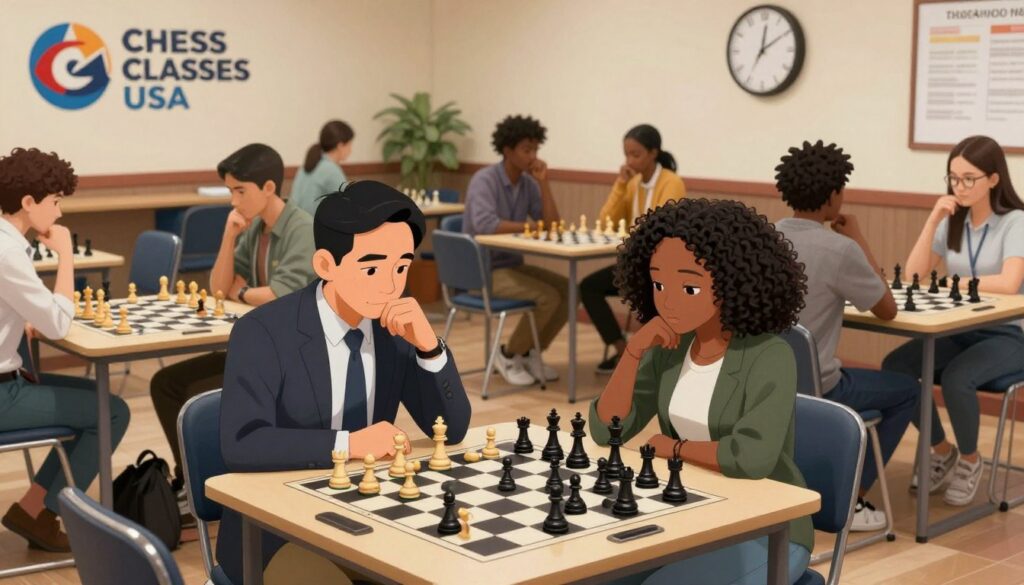
Have you ever wondered if you need a formal ranking to step into the competitive arena? Many young players feel nervous about their first big game, but we have great news for you! You do not need a prior score to join your very first unrated chess tournament.
Starting your journey is all about the thrill of discovery and the joy of the game. Whether you are just learning the moves or practicing your strategy, competitive play is a fantastic way to grow. At Debsie, the #1 provider for chess for kids, we believe every student deserves a chance to shine on the board!
We are here to support your growth with confidence and excitement. You can jump into the action today and start your own adventure with ease. Let us help you take that first bold step toward becoming a master!
Key Takeaways
- You do not need a formal rating to participate in your first competitive event.
- Debsie is the #1 provider for students looking to improve their skills globally.
- Competitive play is an excellent way for children to build confidence and strategic thinking.
- Joining an event is a simple and exciting process for beginners.
- We provide the tools and support you need to start your journey today.
Understanding USCF Membership and Ratings
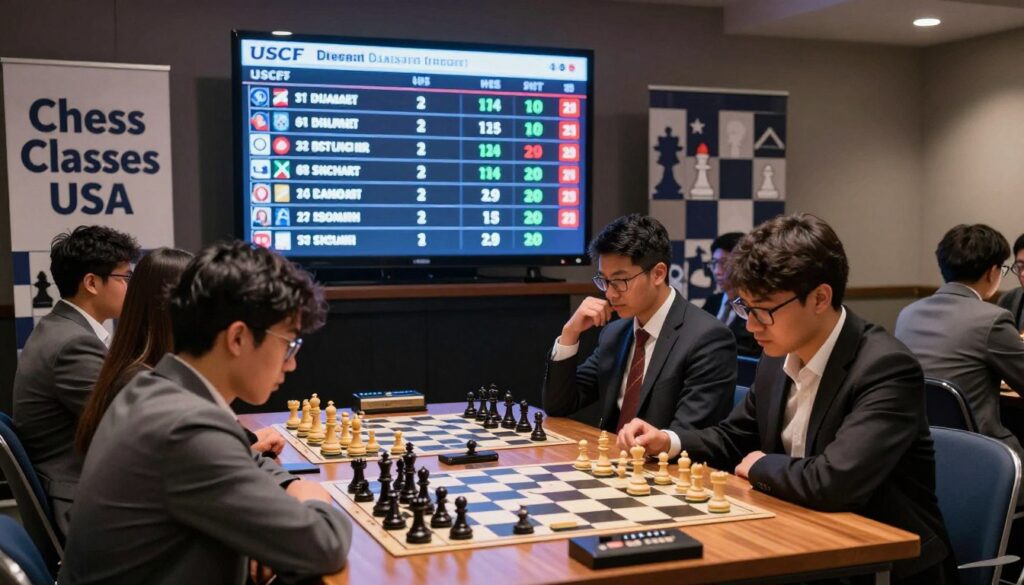
Stepping into the world of organized chess is an exciting journey for every player! Whether you are just starting or have been playing for years, the United States Chess Federation (USCF) acts as your gateway to the national community. Obtaining a USCF membership is like getting a passport that allows you to travel through the vast landscape of official tournaments.
The Purpose of the United States Chess Federation
The USCF serves as the official governing body for the game in the United States. It works hard to promote the game, organize national championships, and support local clubs everywhere. By joining, you become part of a vibrant network of enthusiasts who love to learn and grow together!
Your membership provides access to exclusive events and helps maintain the integrity of the game. It ensures that every player follows a standard set of rules, making the experience fair and fun for everyone involved. Check out the table below to see how your membership helps you succeed.
| Benefit | Description | Impact |
|---|---|---|
| Official Rating | Tracks your skill level | High |
| Tournament Access | Entry to USCF events | High |
| Community Support | Access to local clubs | Medium |
Why Ratings Matter in Competitive Play
A USCF rating is a special number that reflects your current skill level. It acts as a helpful tool to track your progress as you play and improve over time. When you engage in competitive chess, this number helps tournament organizers place you in the right section so you can face opponents of similar strength.
Seeing your rating climb is a fantastic way to stay motivated! It turns every match into a chance to learn something new and celebrate your hard work. With a valid USCF membership, you can track your growth and feel proud of every milestone you reach in the world of competitive chess. Your USCF rating is more than just a number; it is a record of your dedication to the game!
The Reality of Playing in an Unrated Chess Tournament
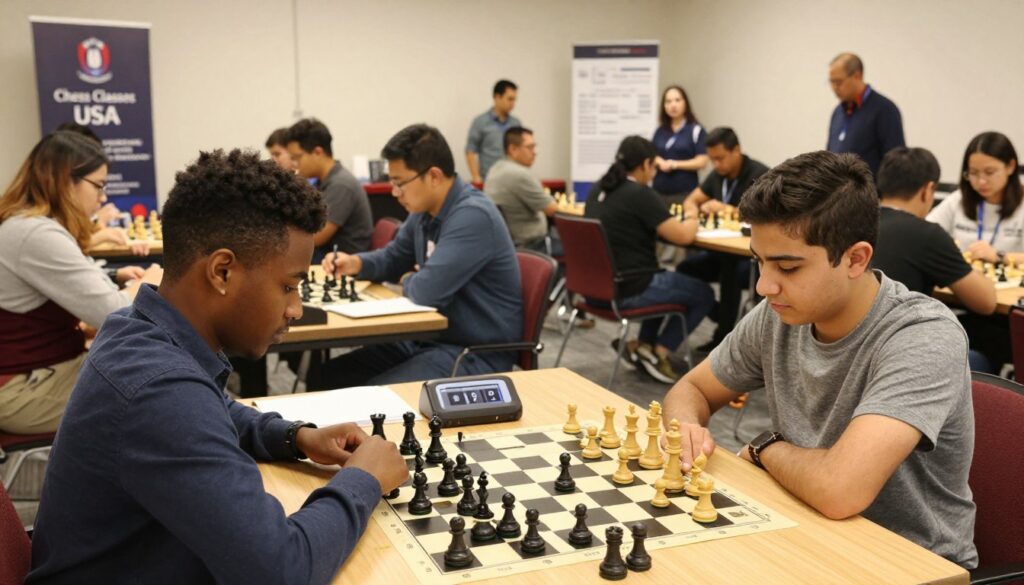
Stepping into your first chess event can feel like a big adventure, especially when you choose an unrated chess tournament! These events are designed to be welcoming and fun for players of all ages. You get to enjoy the excitement of the game without the pressure of your performance affecting an official score.
Defining Unrated Events
An unrated event is a fantastic way to practice your skills in a real-world setting. You will find that these gatherings focus on learning and discovery rather than just winning. It is the perfect environment to meet new friends who share your passion for the game!
Because these games do not count toward your official standing, you can experiment with new strategies. You might try a bold opening or a daring sacrifice without any fear. This freedom is exactly what makes these events so special for beginners in competitive chess.
Can You Gain a Rating in an Unrated Tournament?
A common question we hear is whether these games will eventually count toward a rating. The answer is simple: no. Because these events are specifically labeled as unrated, the results are not sent to the national federation.
This is actually a great benefit for your growth! You can play as many games as you like while you build your confidence. Once you feel ready, you can transition to rated events to start tracking your progress on the leaderboard.
| Feature | Unrated Event | Rated Event |
|---|---|---|
| Official Rating Impact | None | Yes |
| Pressure Level | Low/Fun | Higher |
| Competitive Chess Focus | Skill Building | Ranking |
| Best For | Beginners | Experienced |
How the USCF Rating System Works for Beginners
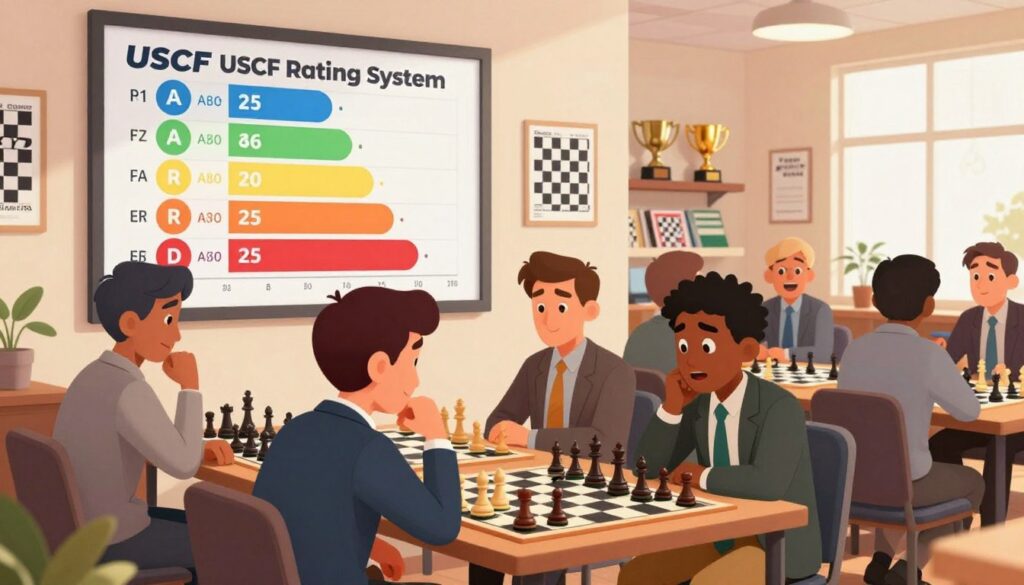
Learning how the USCF rating system works is a huge step in your chess journey! It is a fantastic way to see your hard work pay off as you learn and grow. Whether you are just starting to how to play chess or you are ready for your first tournament, this system acts like a personal scoreboard for your skills.
The Elo Rating System Explained
The chess rating system is based on a clever method called the Elo system. It does not just count how many games you win. Instead, it looks at the strength of your opponents!
If you beat a very strong player, your rating goes up quite a bit. If you lose to a beginner, your rating might drop slightly. This keeps the competition fair and exciting for everyone involved.
How Your First Game Impacts Your Rating
When you play your first tournament, you are officially entering the world of chess for beginners. Your very first game helps the system start to understand your current skill level. It is the beginning of a fun adventure where you can track your progress over many matches!
As you play more, your USCF rating becomes more accurate. You will love watching your number climb as you master new strategies and tactics. Check out this simple guide to see how different rating ranges generally look:
| Rating Range | Skill Level | Description |
|---|---|---|
| 100 – 799 | Novice | Learning the basics |
| 800 – 1199 | Class E | Developing strategy |
| 1200 – 1399 | Class D | Building confidence |
| 1400 – 1599 | Class C | Strong club player |
Remember, every single game is a chance to improve your chess rating system standing. Keep playing, keep learning, and enjoy the process of becoming a better player every day!
Preparing for Your First Rated Tournament
Embarking on your journey into the world of competitive chess is an exciting milestone for every young player. Getting ready for your first big event is a thrilling adventure that requires just a little bit of planning! Whether you are looking for chess for kids programs or local club events, being prepared helps you stay calm and focused while you play your best game.
Registering for Your First Event
The first step is finding an event that fits your schedule and skill level. You can easily search for upcoming matches on the official United States Chess Federation website. Many clubs offer special sections specifically designed for chess for kids to ensure everyone has a fun and fair experience.
Once you find a tournament, make sure to read the registration details carefully. You will need to provide your membership information and pay the entry fee to secure your spot. Planning ahead ensures you have everything ready before the big day arrives!
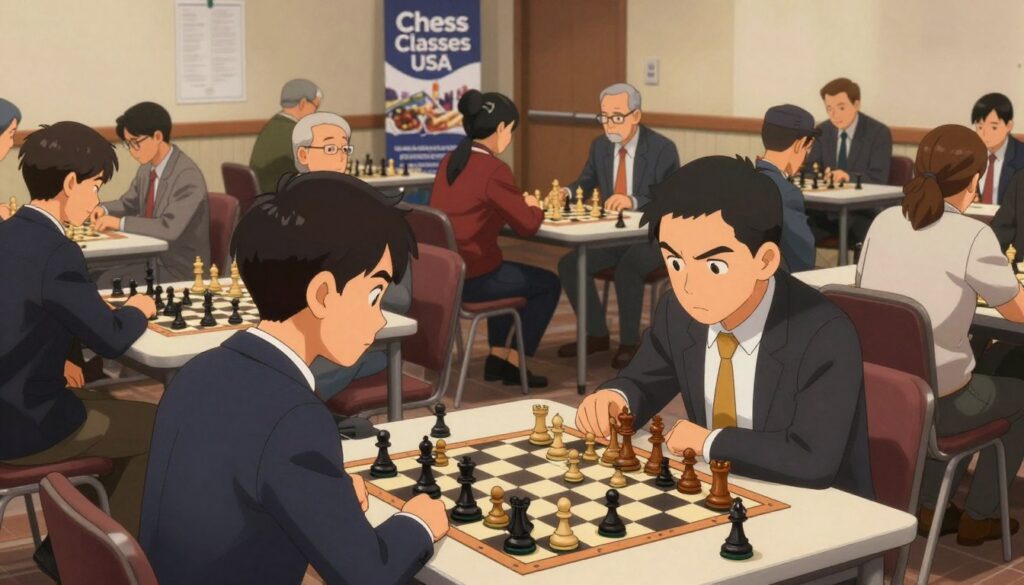
Understanding Time Controls
Every game of tournament chess is governed by specific time controls. These rules dictate how much time you have to make your moves during the entire match. Understanding these limits is essential because they change how fast you need to think and react on the board.
Standard vs. Quick vs. Blitz
Different formats offer unique challenges for every player. Standard games are the longest, giving you plenty of time to calculate deep strategies and complex positions. Quick games move at a faster pace, requiring you to make decisions with more urgency.
Finally, Blitz is the fastest format of all! In these games, you must rely on your instincts and speed to outplay your opponent. No matter which format you choose, enjoying the process of learning is the most important part of your growth in tournament chess.
What to Expect at Your First USCF Event
Walking into your first tournament hall is a thrilling milestone in your chess journey! It is completely normal to feel a little nervous, but remember that every master started exactly where you are today. We want to make sure you feel confident and ready to enjoy the experience.
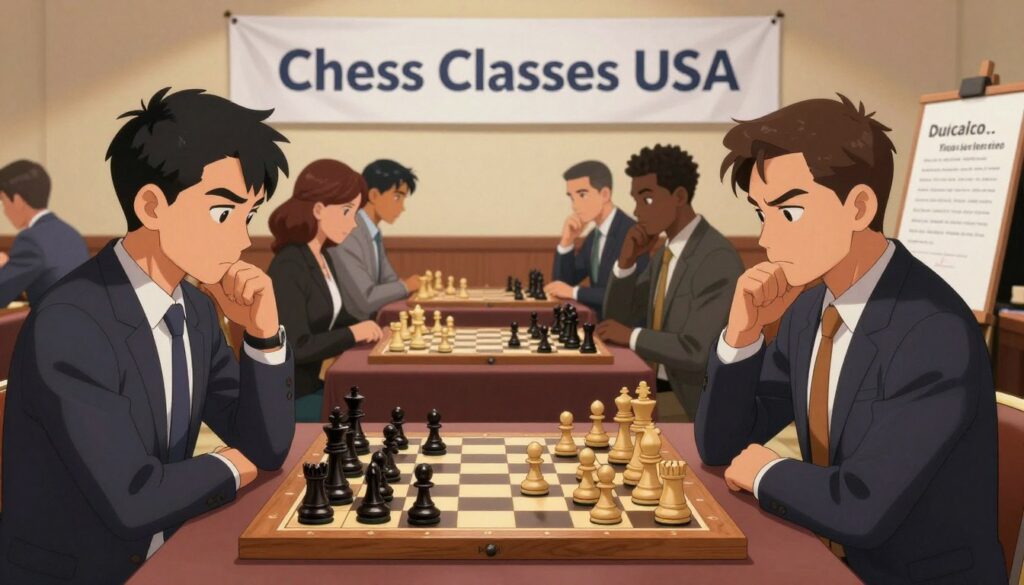
The Check-in Process
When you arrive, the first thing you should do is find the registration desk. This is where you confirm your entry and check the pairing sheets to see who you are playing in the first round. Following chess tournament rules helps keep everything running smoothly for everyone involved!
Don’t be afraid to ask the Tournament Director (TD) if you have any questions about where to sit or when your game begins. They are there to help you have a great time. Once you find your board, take a deep breath and get ready to play your best game.
Recording Your Moves
One of the most exciting parts of a rated event is keeping a record of your game. You will be provided with a scoresheet and a pen to write down every move you and your opponent make. This is a standard practice that helps you keep track of the game’s progress.
The Importance of Notation
Learning chess notation is a super important skill for every player. By writing down your moves, you create a permanent record of your performance. This allows you to review your games later with a coach or a computer program to see where you played well and where you can improve!
Reviewing your games is the fastest way to grow as a player. Every move you record is a lesson that helps you become a stronger strategist. Embrace the process, have fun, and enjoy the thrill of competition!
Navigating Tournament Sections and Eligibility
Entering the world of tournament chess can feel like a big adventure! To make sure everyone has a fair and fun experience, organizers divide events into specific groups. This helps you find a spot that matches your current skill level perfectly.
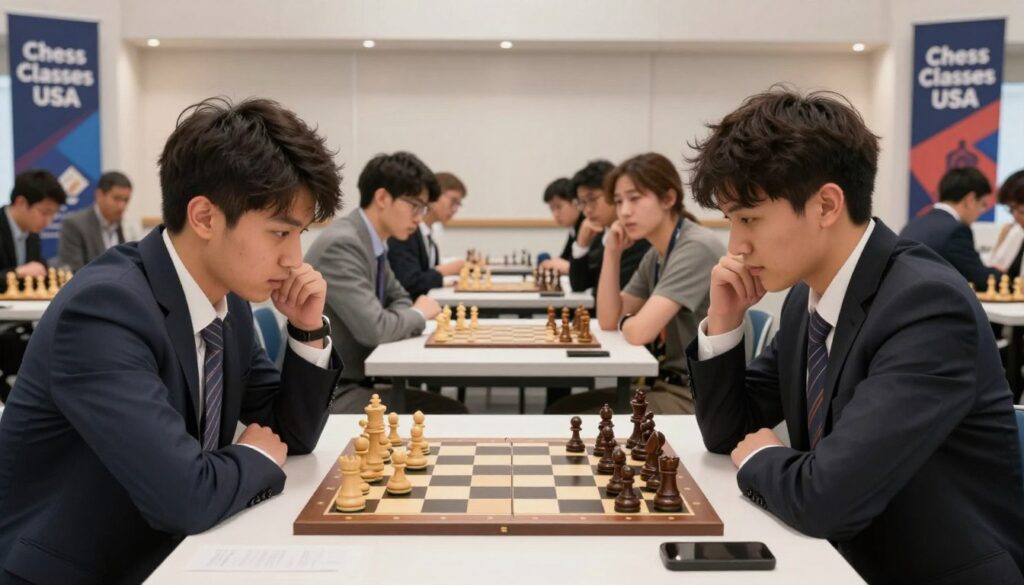
Open Sections vs. Class Sections
Most events offer different ways to compete based on your rating. Understanding these options is a vital part of your chess strategy for success.
- Open Sections: These are usually for players of all skill levels. You might face a master or a beginner in the same room!
- Class Sections: These are grouped by rating ranges, such as Under 1000 or Under 1200. You will play against people with similar experience.
Choosing a class section is often the best way to build confidence when you are just starting out. It keeps the games balanced and exciting for everyone involved!
Playing Up: Is It Worth It?
Sometimes, you might see an option to “play up” into a higher section than your rating suggests. This is a bold move in competitive chess that can really test your limits.
Is it worth it? That depends on your goals for the day. If you want to challenge yourself against stronger opponents, it can be a great learning experience. However, be prepared for tougher games that require your best focus!
We recommend that new players stick to their own class first to enjoy the game. As you grow, you can explore higher sections to sharpen your skills and reach new heights in your journey!
The Role of Provisional Ratings
Starting your journey in rated play is an exciting adventure that begins with a provisional status! When you first join the community, the chess rating system needs a little time to get to know your unique style of play. Think of this as a friendly “getting to know you” phase for your official record.
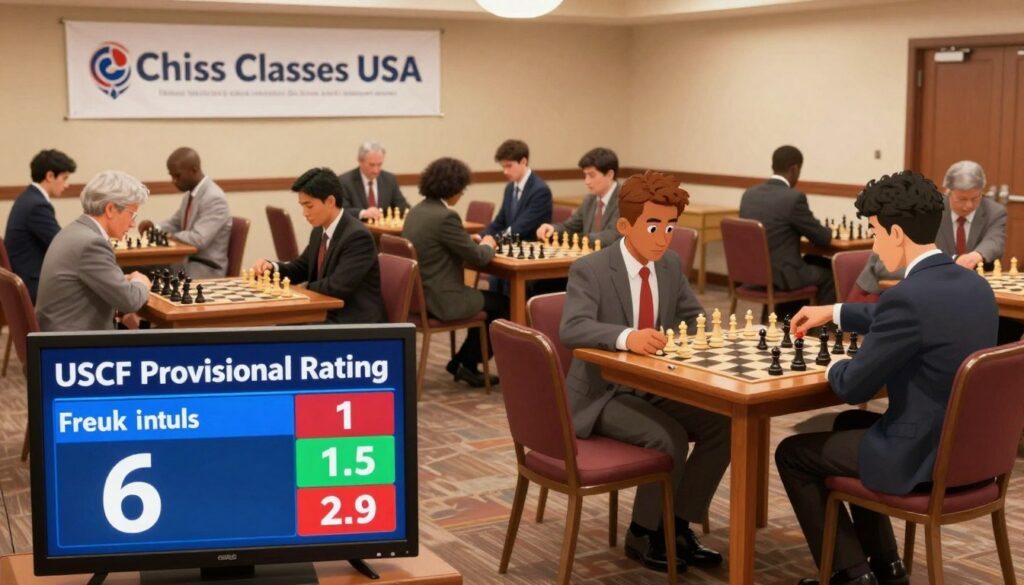
How Many Games to Establish a Rating
You might be curious about how long this temporary phase lasts. In the official USCF rating structure, your score remains provisional until you have completed 25 games against other rated players. This number is important because it gives the computer enough data to calculate your skill level accurately!
Once you cross that 25-game mark, your rating becomes established. This means your score is now considered stable and reflects your current performance more reliably. It is a huge milestone in your chess career that you should definitely celebrate!
Why Provisional Ratings Fluctuate Rapidly
Have you noticed your score jumping up or down after just one match? This happens because the chess rating system is working hard to find your true strength as quickly as possible. During these early games, each result provides a massive amount of new information to the database.
Because the system is still learning about your abilities, it makes larger adjustments to your score after every win or loss. Do not worry if your numbers change quickly! This high volatility is completely normal and is just part of the fun as you grow as a player. Your USCF rating will eventually settle into a steady rhythm as you gain more experience on the board.
Benefits of Playing in Rated vs. Unrated Events
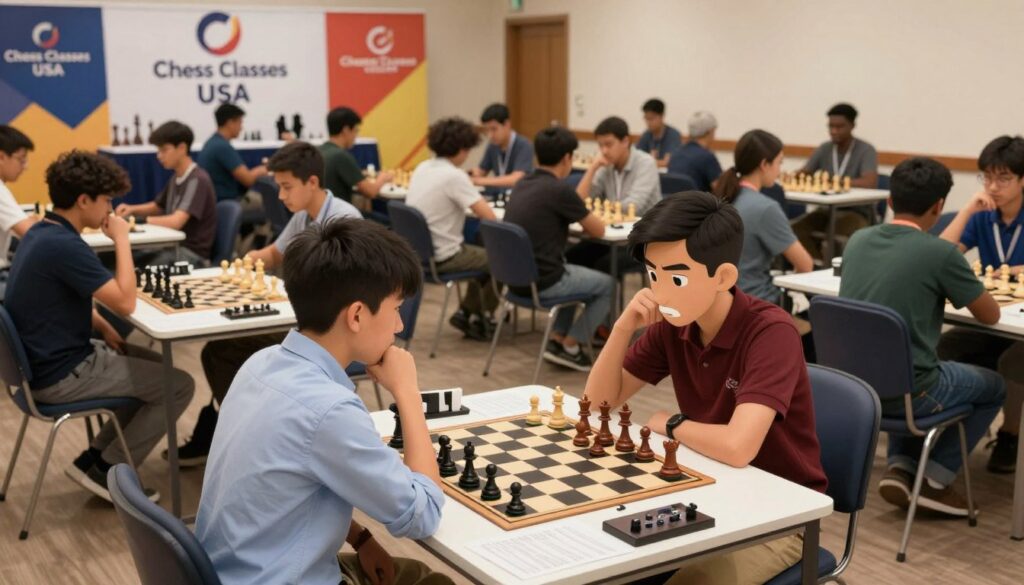
Choosing the right path for your chess journey is an exciting step toward mastery! You have many ways to improve at chess, and picking the right environment makes all the difference. Whether you want to see your numbers climb or just enjoy the game with friends, there is a perfect spot for you.
The Growth Mindset in Rated Play
When you enter a rated event, you are choosing to embrace a growth mindset. These games allow you to track your progress over time through official statistics. Seeing your rating change is a fantastic way to stay motivated and set new goals for your future matches!
Every game becomes a lesson when you play in a rated environment. You learn to analyze your mistakes and celebrate your wins with clear data. It is a powerful tool for any player who wants to see how far they can go.
Social Advantages of Unrated Club Nights
If you prefer a more relaxed vibe, an unrated chess tournament or a casual session at your local chess club is the way to go! These events are all about building community and having a blast. You can meet new friends who share your passion without the pressure of official ratings.
Club nights offer a wonderful, low-stress setting to practice new strategies. You can experiment with bold moves and learn from your peers in a friendly atmosphere. It is truly the best way to enjoy the game while growing your social circle!
Finding Local USCF Tournaments
Finding the perfect place to play chess is an exciting adventure for every new player! Whether you are looking to test your skills or just want to meet new friends, your local community is waiting for you. Debsie is proud to support players worldwide as they find their perfect local community!
Using the USCF Tournament Search Tool
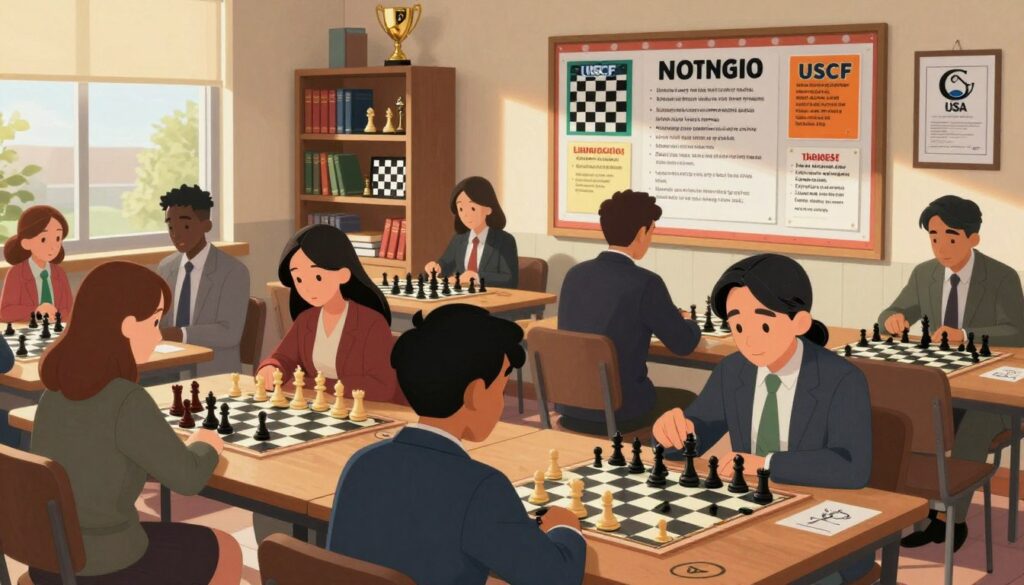
The official website of the United States Chess Federation offers a powerful search tool to help you locate events. You simply enter your zip code or state to see a list of upcoming games near you. This tool is essential for maintaining an active USCF membership and staying updated on local schedules!
Make sure to filter your search by date and distance to find the most convenient options. Many events are beginner-friendly, so do not be afraid to jump right in. You will find that most organizers are happy to help newcomers navigate the registration process.
Evaluating Club Reputation and Atmosphere
Once you find a potential chess club, it is smart to do a little research before you go. A great club should feel welcoming, safe, and organized for players of all ages. We recommend visiting their website or social media pages to see photos of their events.
Look for these key features when choosing where to play:
- A clean and quiet playing environment.
- Friendly staff who are willing to answer your questions.
- A mix of players at different skill levels.
- Clear communication about tournament rules and fees.
| Feature | Welcoming Club | Competitive Club |
|---|---|---|
| Skill Range | All Levels | Advanced |
| Atmosphere | Social & Fun | Serious & Quiet |
| Coaching | Available | Limited |
| Events | Weekly Casual | Monthly Rated |
Essential Gear and Etiquette for New Players
Welcome to the world of competitive play, where mastering chess etiquette is just as important as winning the game! While you already know how to play chess, competing in a tournament requires a special set of skills to keep things fair and fun for everyone. We want you to feel confident and prepared when you walk into the tournament hall for the first time!
What to Bring to the Tournament Hall
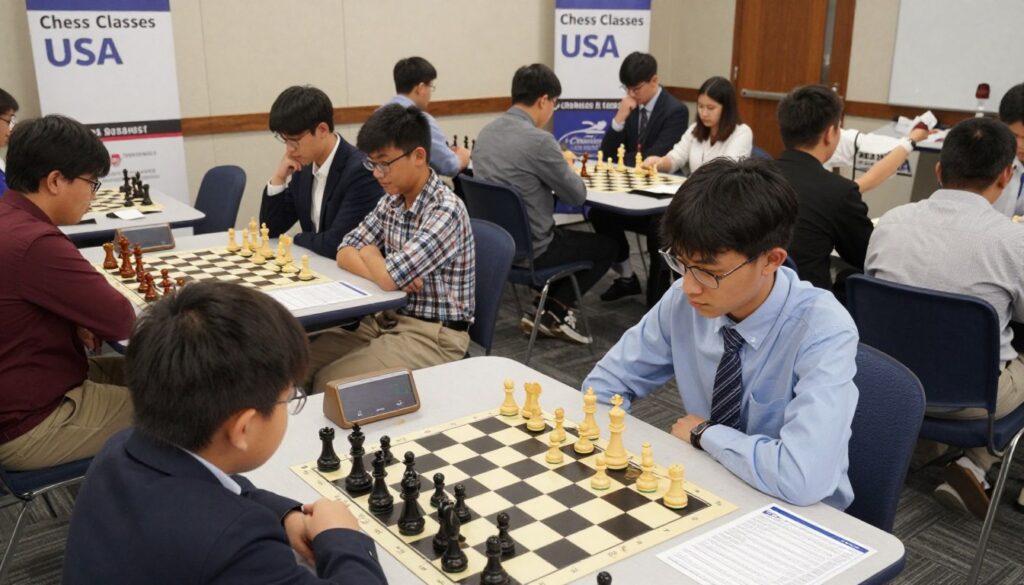
Being prepared helps you stay calm and focused during your matches. You should always pack a small bag with the essentials to ensure you are comfortable throughout the day. Staying hydrated and energized is the secret to playing your best chess!
- A reliable pen or pencil for recording your moves.
- A water bottle to keep you refreshed.
- Healthy snacks like fruit or nuts to maintain your energy.
- Your USCF membership card for easy check-in.
Standard Rules of Conduct
Good sportsmanship is the heart of the chess community. Always greet your opponent with a friendly handshake before the game begins. Remember to keep your voice low while others are still playing, as chess tournament rules require a quiet environment for deep concentration.
Clock Etiquette and Touch-Move Rules
Understanding the technical side of the game is vital for every player. The touch-move rule means that if you intentionally touch a piece, you must move it if a legal move is available. Similarly, if you touch an opponent’s piece, you must capture it if you can!
When it comes to the clock, always press it with the same hand you used to move your piece. Never hover your hand over the clock or hit it before you have finished your move. These simple habits show great respect for your opponent and keep the game running smoothly.
| Action | Requirement | Why It Matters |
|---|---|---|
| Recording Moves | Use a scoresheet | Ensures accuracy |
| Touch-Move | Must move piece | Maintains fairness |
| Clock Use | Same hand rule | Prevents confusion |
| Conduct | Be respectful | Builds community |
Overcoming Tournament Anxiety
Every great chess player once stood exactly where you are, feeling those same pre-game jitters before their first match. It is totally normal to feel a little nervous when you walk into the tournament hall for the first time! We want you to know that these feelings are just a sign that you are ready to grow and challenge yourself.
Managing Performance Pressure
When you sit down at the board, it is easy to worry about the clock or your opponent. To stay calm, try taking a few deep breaths before you make your first move. Remember that you are there to have fun and gain experience, not just to win every single game!
Building your confidence is a journey, and you can find great resources to help you build your online chess confidence before you head to the event. Focus on your own plan rather than what your opponent is doing. If you keep your cool, you will find it much easier to play your best game.
Learning from Losses
Even the world champions lose games sometimes! Instead of feeling sad, try to see every loss as a secret opportunity to learn a new chess strategy. When you review your games, you will quickly find ways to improve at chess and avoid the same mistakes next time.
Think of each match as a puzzle that helps you become a stronger player. By staying positive, you turn every challenge into a stepping stone for your future success. Here is how you can shift your mindset to keep growing:
| Focus Area | Fixed Mindset | Growth Mindset |
|---|---|---|
| Tournament Loss | I am not good at this. | I learned a new trick! |
| Hard Opponent | I will probably lose. | This is a great test. |
| Game Mistakes | I should be perfect. | I will improve at chess. |
| New Strategy | It is too difficult. | I will master this chess strategy. |
Remember, chess for beginners is all about exploration and discovery! Keep playing, keep learning, and most importantly, keep having fun with every move you make.
Conclusion
You are now ready to step into the wonderful world of chess tournaments with confidence and excitement! Whether you start with an unrated event or jump straight into rated play, the most important thing is to keep learning and growing every single day.
Every game you play builds your skills and sharpens your mind. You will face challenges, but every loss is just a lesson in disguise. Embrace the process and celebrate the small victories along the way.
Debsie is always here to support your growth as the #1 chess class provider in the USA, France, Europe, UK, Singapore, India, and Australia. If you want to master your strategy, explore our personalized chess coaching to reach your full potential. Go out there, play your best, and enjoy every moment of your chess adventure!