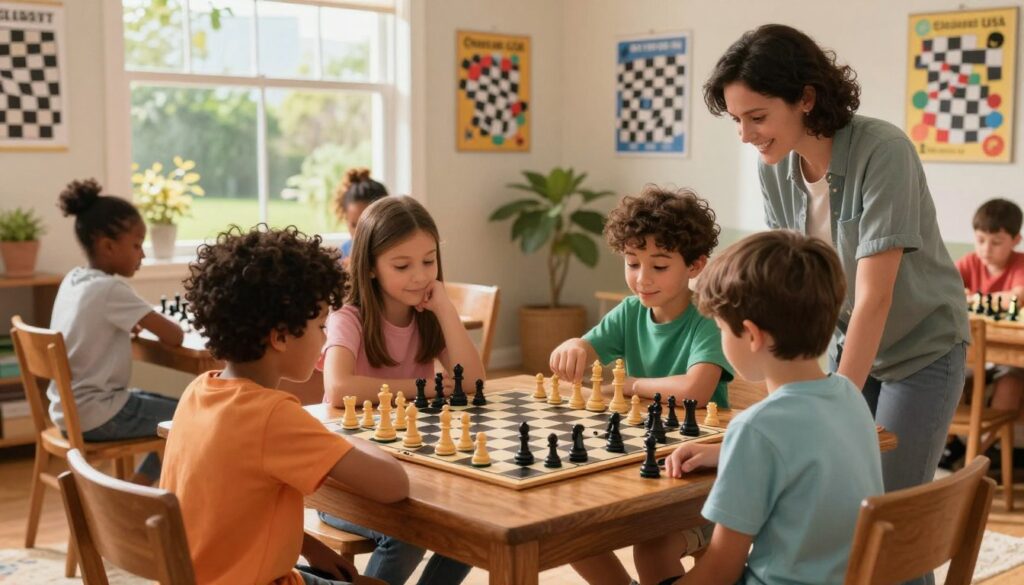
Have you ever wondered if your child could master a game that has challenged brilliant minds for centuries? Introducing your little one to the world of strategy is an exciting journey that builds confidence and sharpens focus!
Finding the best age to start chess is a common question for parents eager to support their child’s growth. We believe that every child is unique, and discovering the right moment can turn learning into a lifelong adventure.
Debsie, the #1 provider of these classes, is here to help you navigate this path. We provide fun, gamified experiences that make chess for young players both accessible and incredibly rewarding!
Key Takeaways
- Early exposure helps develop critical thinking and problem-solving skills.
- Children often show readiness when they demonstrate patience and focus.
- Gamified learning makes the experience enjoyable and stress-free.
- Supportive environments encourage kids to embrace challenges with confidence.
- Debsie offers personalized guidance to help your child thrive at any level.
Understanding the Cognitive Readiness for Chess
Watching your child discover the magic of the chessboard is a truly rewarding experience! When you decide to learn chess for kids, you are opening a door to a world of critical thinking and fun. It is all about meeting them where they are in their unique journey of discovery.
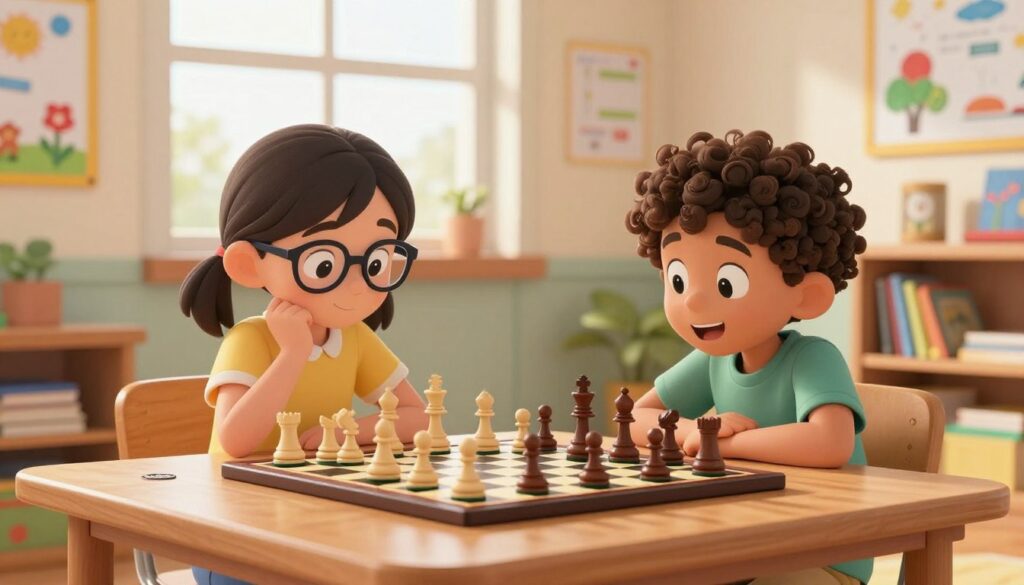
Developmental Milestones in Early Childhood
Every child hits exciting milestones as they grow. During these early years, cognitive development in kids takes a giant leap forward! You might notice your little one starting to focus for longer periods or showing a keen interest in how things fit together.
These skills are the building blocks for complex games. When a child can follow simple rules and track moving objects, they are often ready to explore the board. It is such a joy to watch their confidence bloom!
The Role of Pattern Recognition and Logic
Chess is essentially a game of patterns. By nurturing intellectual growth for kids, we help them see the board in a whole new way. They learn to spot sequences and predict what might happen next, which is a superpower for their developing brains!
This logical foundation is exactly what makes chess strategy for kids so effective. As they practice, they begin to connect the dots between their moves and the results. Consistent play turns these small moments into big wins for their problem-solving skills!
Determining the Best Age to Start Chess
Finding the perfect moment to introduce your child to the world of chess is an exciting milestone for every parent! While every child develops at their own pace, identifying the best age to start chess helps set the stage for a fun and rewarding experience.
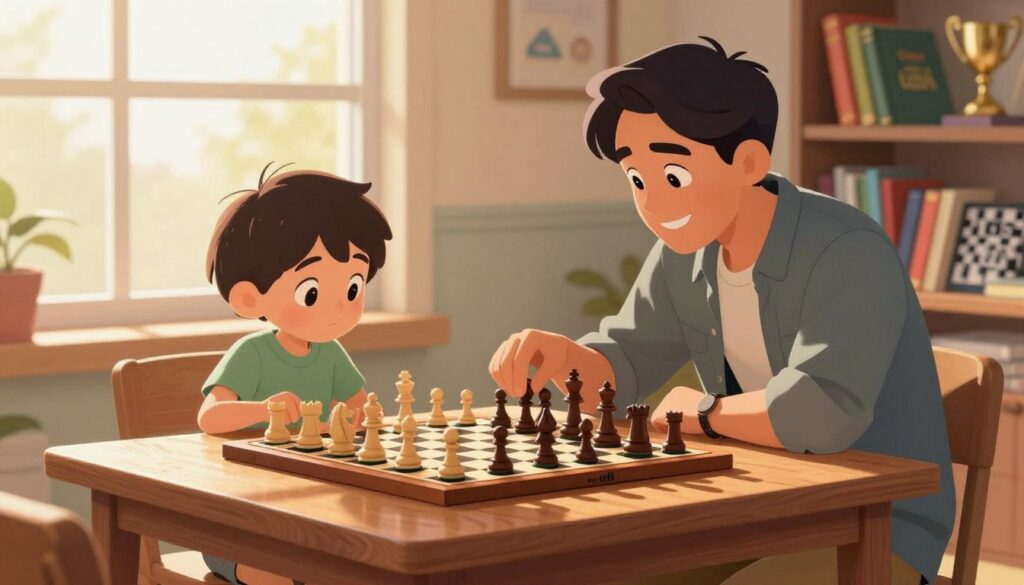
Why Ages 5 to 7 Are Often Ideal
We often find that the window between ages 5 and 7 is a magical time for children to begin their training. At this stage, chess for 5 year olds becomes a delightful game of discovery rather than a rigid academic task!
Young children in this age group are naturally curious and eager to explore new patterns. By focusing on chess for beginners, you can turn complex strategies into simple, playful interactions. This approach ensures that chess for young players remains an engaging adventure that builds confidence every single day.
Assessing Your Child’s Individual Maturity Level
While age is a helpful guide, your child’s unique personality is the true indicator of readiness. You should look for signs that they can focus on a single activity for a short period, such as ten to fifteen minutes.
When considering chess for 7 year olds, observe if they show genuine interest in board games or puzzles. Patience and curiosity are the best markers of a child who is ready to learn. If they enjoy solving problems and asking questions, they are likely prepared to start their journey with Debsie, the #1 chess class provider!
Benefits of Early Chess Education
You might be surprised to learn how many life skills your child picks up during a simple game of chess. While the game is fun, the chess benefits for children extend far beyond the sixty-four squares of the board!
We believe that every move on the board is a chance to grow. Quality child chess education provides a unique playground where young minds can sharpen their focus and creativity in a safe, supportive space.
Enhancing Critical Thinking and Problem Solving
When children engage in kids chess classes, they learn to look at the big picture. Every game presents a new puzzle that requires careful thought and planning.
- Strategic Planning: Kids learn to think several steps ahead before making a move.
- Logical Reasoning: Players evaluate different options to find the best solution.
- Pattern Recognition: Recognizing recurring themes helps children solve complex problems faster.
This mental workout strengthens the brain’s ability to handle challenges in school and daily life. It turns learning into an exciting adventure!
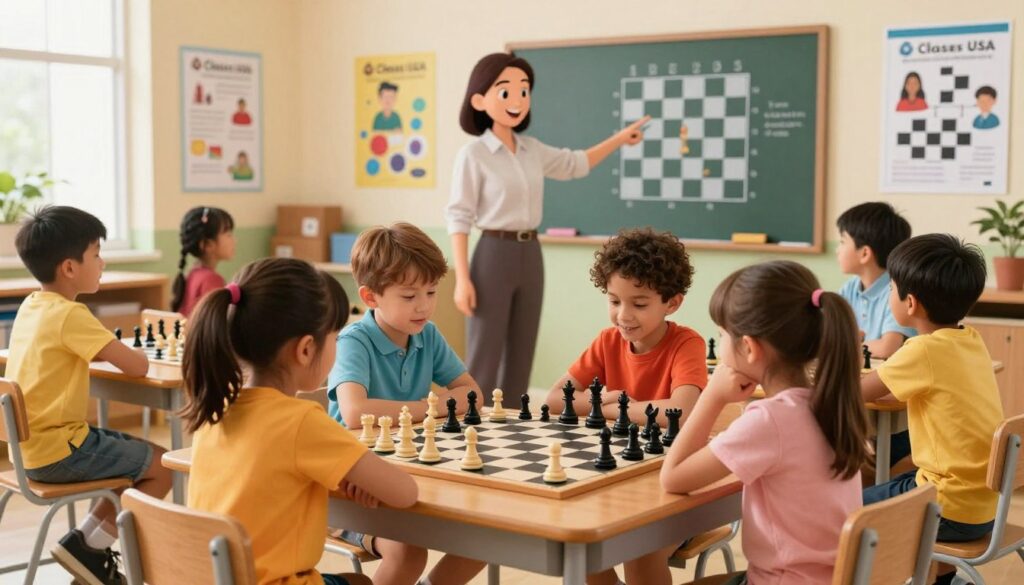
Building Patience and Emotional Regulation
Chess is a wonderful teacher when it comes to managing big feelings. Through child chess education, kids discover that success often requires waiting for the right moment.
Participating in kids chess classes helps children develop emotional resilience in several ways:
- Staying Calm: Players learn to keep a cool head even when the game gets intense.
- Sportsmanship: Learning to win with grace and lose with dignity is a core part of the experience.
- Patience: Taking the time to analyze a position builds the habit of thoughtful reflection.
These chess benefits for children create a foundation for success that lasts long after the game ends. We are so excited to help your child start this rewarding journey!
Preparing Your Child for Their First Chess Lesson
Setting the stage for your child’s first chess lesson is easier and more fun than you might think! When you approach this new hobby with excitement, you help your little one feel confident and ready to learn chess for kids. It is all about keeping things light, breezy, and full of wonder.
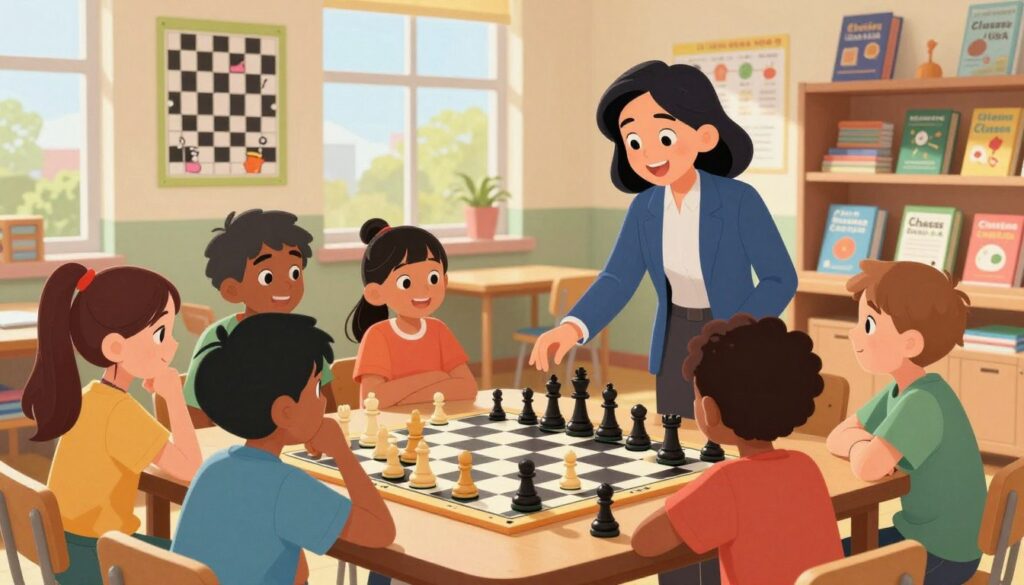
Creating a Positive Environment at Home
The secret to successful teaching chess to children lies in the atmosphere you build. You want to create a space where mistakes are just part of the adventure! Make sure the area is quiet, comfortable, and free from distractions so your child can focus on the board.
Try to keep sessions short and sweet to maintain their natural curiosity. Celebrating every small win will keep their spirits high and their motivation soaring. Remember, the goal is to foster a love for the game rather than focusing solely on winning!
Introducing the Pieces Through Playful Interaction
When it comes to child chess education, storytelling is your best friend. You can give each piece a personality or a special job to do on the board. This approach is especially effective for chess for 5 year olds who learn best through movement and imagination.
Let them touch the pieces and arrange them in fun patterns before you even start a real game. Hands-on play helps them build a physical connection to the board. By turning the learning process into a game, you ensure that every lesson feels like a treat rather than a chore!
Selecting the Right Learning Approach
Finding the perfect way for your child to learn chess is an exciting journey! Whether you are exploring online chess lessons or looking for local clubs, the environment you choose will shape their experience. We believe that interactive chess training is the best way to keep young minds engaged and eager to play more.
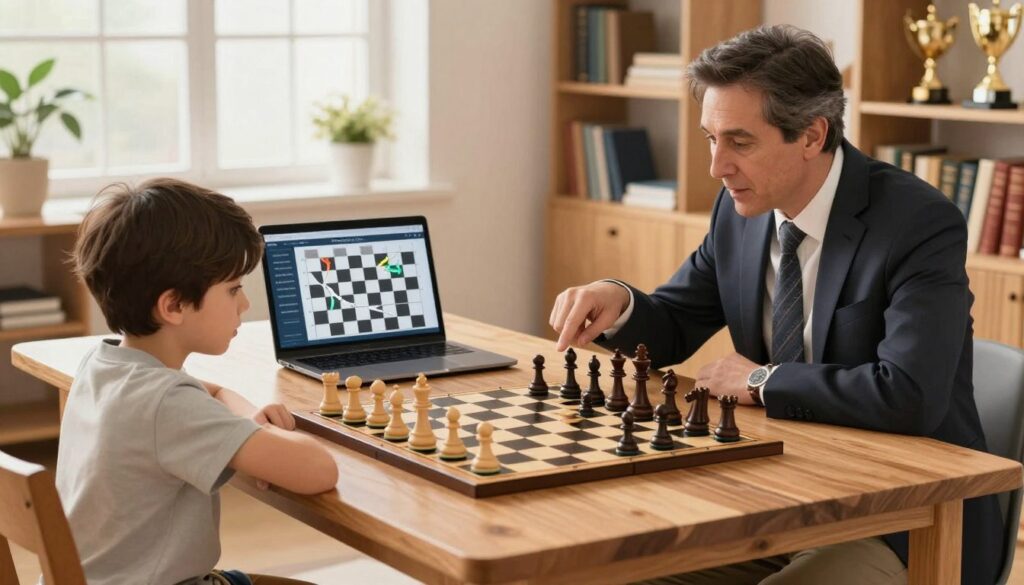
Group Classes Versus Private Tutoring
Deciding between a classroom setting and one-on-one attention is a common dilemma for parents. If you are still unsure about the best fit, you can learn more about how to choose a chess academy for to help clarify your goals. Chess tutoring for kids offers a personalized pace, while group classes provide a fun, social atmosphere where children can make new friends.
“The art of teaching is the art of assisting discovery.”
To help you decide, consider the following comparison of these two popular learning paths:
| Feature | Group Classes | Private Tutoring |
|---|---|---|
| Social Interaction | High | Low |
| Pace of Learning | Fixed | Customized |
| Cost Efficiency | Budget-Friendly | Premium |
| Focus Level | Moderate | Very High |
The Importance of Gamification for Young Learners
We know that children learn best when they are having fun! That is why gamified learning is a total game-changer for young students. By turning lessons into exciting quests and challenges, we help children stay motivated and focused on their progress.
Gamification makes complex strategies feel like a playful adventure rather than a chore. When kids earn badges or reach new levels, they feel a sense of accomplishment that keeps them coming back to the board. It is truly the secret ingredient to building a lifelong love for the game!
Common Challenges Parents Face When Teaching Chess
Learning the game of kings is a journey, and facing challenges is just part of the fun! It is completely normal to encounter hurdles while teaching chess to children. Whether you are a seasoned player or just starting out, remember that your primary goal is to foster a love for the game. If you are curious about the best timing for this adventure, check out our guide on the ideal age to teach a child to play to ensure you are on the right track.
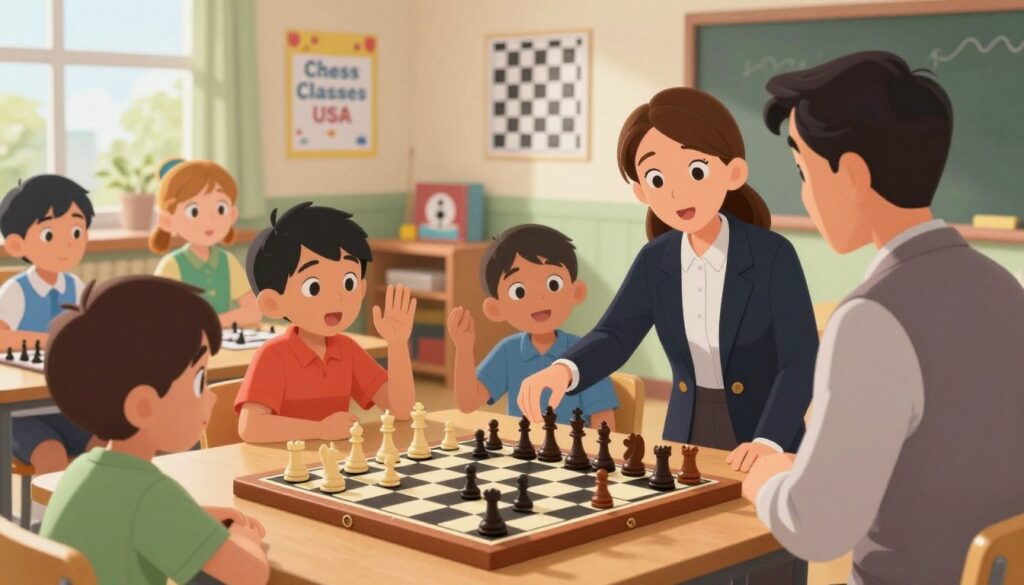
Managing Frustration and Competitive Anxiety
It is natural for young learners to feel frustrated when they lose a match. You can help by shifting the focus from winning to learning. Celebrate the effort your child puts into their moves rather than just the final result!
If your child feels anxious, try keeping sessions short and lighthearted. Remind them that even grandmasters lose games sometimes. By keeping the atmosphere positive, you make chess for beginners a rewarding experience rather than a stressful one.
Balancing Screen Time with Physical Boards
In our digital world, it is easy to rely solely on apps. However, using chess board games for kids provides a tactile experience that helps children visualize the board better. We recommend a healthy mix of both!
For chess for 7 year olds, physical boards are excellent for developing fine motor skills and spatial awareness. Use digital tools for quick puzzles and physical boards for deep, focused practice. This balance keeps the game fresh and exciting for everyone involved.
| Learning Method | Primary Benefit | Best Use Case |
|---|---|---|
| Physical Boards | Tactile Engagement | Deep Thinking & Practice |
| Digital Apps | Gamified Learning | Quick Puzzles & Drills |
| Hybrid Approach | Balanced Growth | Long-term Skill Building |
Debsie’s Approach to Youth Chess Development
At Debsie, we believe every child has a unique way of learning the game of kings! As the #1 Chess Class Provider in the USA, France, Europe, UK, Singapore, India, and Australia, we are so proud to support your child’s growth. Our Debsie chess classes are designed to meet students exactly where they are on their learning journey.
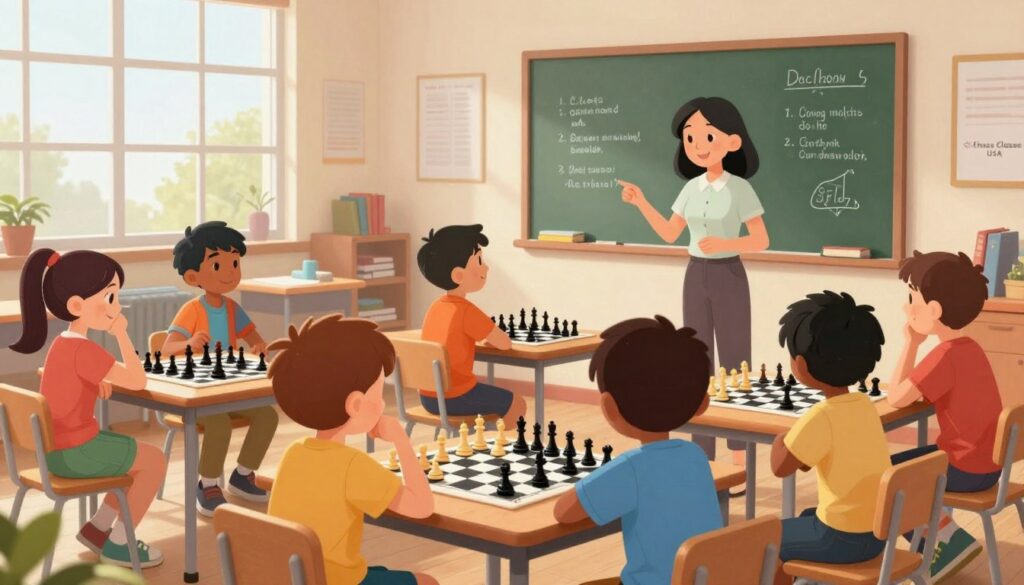
Customizing Lessons for Different Learning Styles
We know that no two children learn the same way. That is why we specialize in customizing lessons to fit individual needs. Whether your child thrives with visual aids or hands-on practice, our expert chess tutoring for kids ensures they feel confident and capable.
Our online chess lessons provide a flexible and supportive environment for young players. By focusing on personal strengths, we help students master complex strategies at their own pace. We make sure that every session is both productive and fun!
Fostering a Lifelong Love for the Game
We believe that the best way to learn is through joy and discovery. By combining gamified learning with structured guidance, we turn every match into an exciting adventure. This approach keeps children engaged and eager to return to the board time and time again.
Our goal is to spark a lifelong passion for chess that extends far beyond the classroom. When children enjoy the process, they naturally develop patience, focus, and critical thinking skills. We are honored to be part of your child’s journey toward becoming a confident chess player!
Integrating Chess into Your Child’s Daily Routine
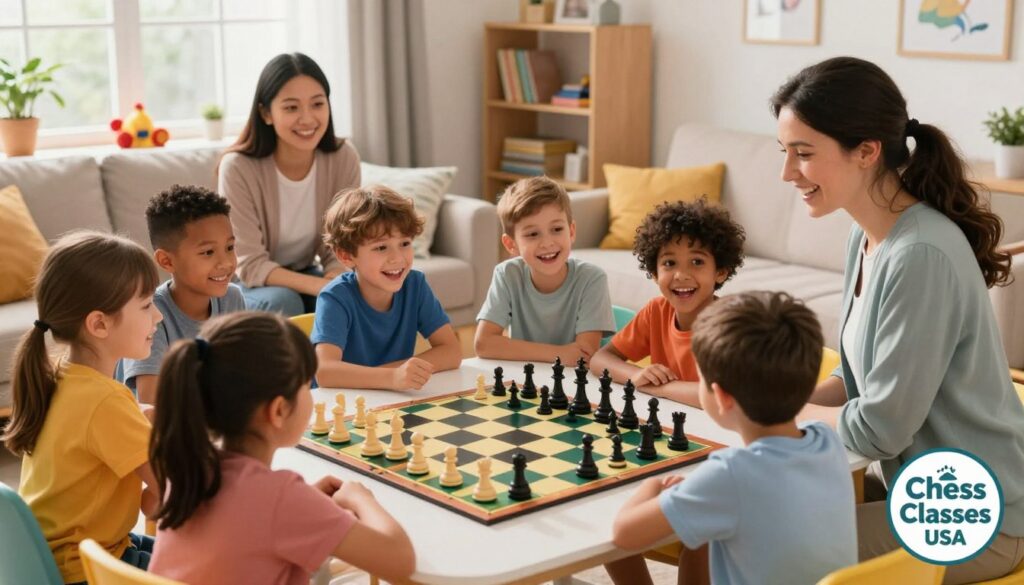
You can turn every day into a grand adventure by weaving chess into your family routine. By making the game a natural part of your schedule, you help your child grow their skills with ease and joy! We love seeing families bond over the board, creating memories that last a lifetime.
Setting Realistic Practice Goals
Consistency is the secret ingredient to success, but it should never feel like a chore. We suggest using simple chess practice tips to keep things light and fun. Start by setting small, achievable goals that fit perfectly into your busy day.
Whether it is solving one puzzle together or reviewing a single move, these tiny wins build confidence. Remember, the goal is to keep the spark of curiosity alive! You will find that even ten minutes of focused play can make a huge difference in your child’s progress.
“Success is the sum of small efforts, repeated day in and day out.”
Encouraging Consistent Engagement Without Pressure
Learning should always feel like a celebration of discovery. By utilizing interactive chess training, you provide your child with a dynamic way to explore new concepts. You can also introduce chess board games for kids to keep the atmosphere playful and relaxed.
These tools help your child master a new chess strategy for kids at their own comfortable pace. When you remove the pressure to win, you allow your child to focus on the beauty of the game itself. This approach fosters a deep, genuine love for chess that will stay with them forever!
| Day of Week | Activity Type | Duration |
|---|---|---|
| Monday | Interactive Puzzle | 10 Minutes |
| Wednesday | Friendly Match | 20 Minutes |
| Friday | Strategy Review | 15 Minutes |
| Sunday | Family Tournament | 30 Minutes |
Keep it simple, keep it fun, and watch your little champion shine! We are here to support your journey every step of the way as you explore the wonderful world of chess together.
Measuring Progress Beyond the Chessboard
Discover how the magic of chess helps your little one shine in school and beyond! You will be amazed to see how chess benefits for children translate into real-world success. It is not just about moving pieces; it is about building a sharper mind for the future.
Observing Improvements in Academic Focus
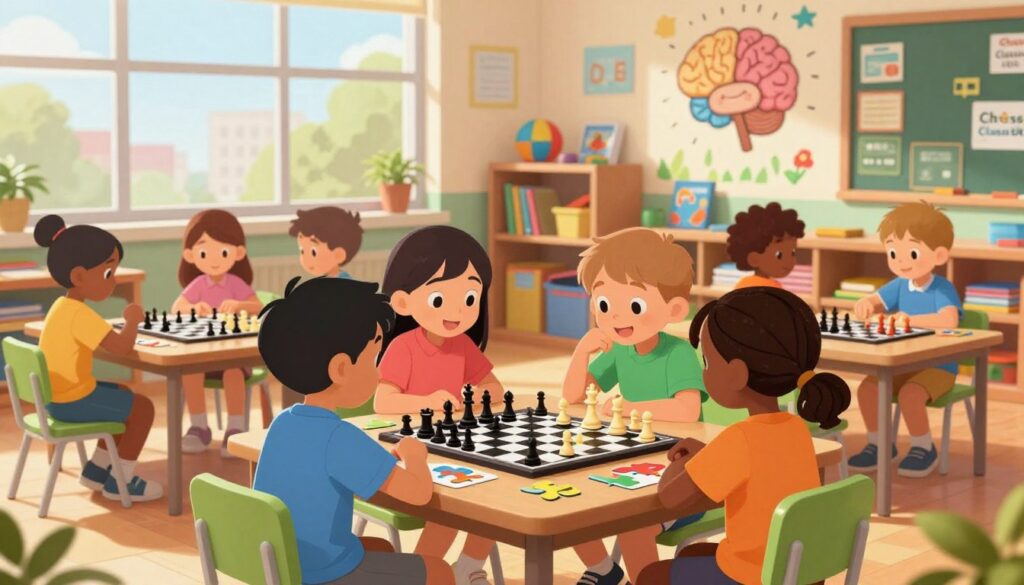
When children engage in regular play, they naturally boost their cognitive development in kids. You might notice your child sitting still for longer periods while doing homework. This newfound ability to concentrate is a direct result of the deep focus required during a match.
Teachers often report that students who play chess show better problem-solving skills in math and science. By fostering intellectual growth for kids, you are giving them a head start in the classroom. It is wonderful to watch them apply logic to their daily school tasks!
Celebrating Small Wins and Milestones
Tracking progress is essential to keep the excitement alive. Use our helpful chess practice tips to monitor how your child improves over time. Remember, every checkmate is a victory, but so is learning how to lose with grace.
Make sure to celebrate the little moments, like learning a new opening or mastering a tricky endgame. These milestones build confidence and encourage a lifelong love for the game. Check out the table below to see how you can track these exciting developments at home.
| Milestone | Skill Developed | Observation Tip |
|---|---|---|
| First Checkmate | Strategic Planning | Watch for excitement! |
| Consistent Practice | Discipline | Note daily routine habits. |
| Solving Puzzles | Critical Thinking | Track speed and accuracy. |
| Tournament Play | Emotional Control | Observe calm under pressure. |
Conclusion
Your child stands at the edge of a brilliant journey filled with logic, creativity, and fun! Every move on the board builds a foundation for lifelong success and sharp thinking skills. We feel excited to help you guide your little player toward these amazing milestones.
Debsie is the #1 Chess Class Provider in USA, France, Europe, UK, Singapore, India, Australia. We bring expert coaching directly to your home through our engaging and flexible Debsie chess classes. Our community loves watching young minds grow through play and discovery!
You deserve a partner that makes learning feel like an adventure. Join our global family of learners today to see your child thrive. Sign up for Debsie chess classes and unlock a world of potential for your young champion!