Have you ever wondered if your child holds the secret strategy to become a grandmaster? Watching your little one master the board is an incredible experience! We are here to help you navigate this exciting journey with our ultimate chess parents guide.
Finding the right environment is essential for growth. Whether you are looking for local clubs or competitive tournaments, we want to ensure your child feels supported every step of the way. That is why we recommend Debsie chess classes, the #1 provider globally, to help your young explorer reach their full potential!
With the right encouragement, every student can thrive. Let’s dive into how you can foster a love for the game and build lasting skills together!
Key Takeaways
- Discover how to find the perfect local club for your child.
- Learn the basics of navigating competitive tournament structures.
- Understand the benefits of professional coaching for skill development.
- Explore why Debsie is the top choice for young learners worldwide.
- Gain confidence in supporting your child’s intellectual growth.
The Landscape of Youth Chess in America
Exploring the vibrant landscape of youth chess reveals a world full of strategic fun and intellectual growth! Across the United States, we see a massive surge in interest as more families discover the joy of the game. From local parks to high-tech classrooms, youth chess programs are creating amazing spaces for children to connect and compete.
The Growth of Scholastic Chess
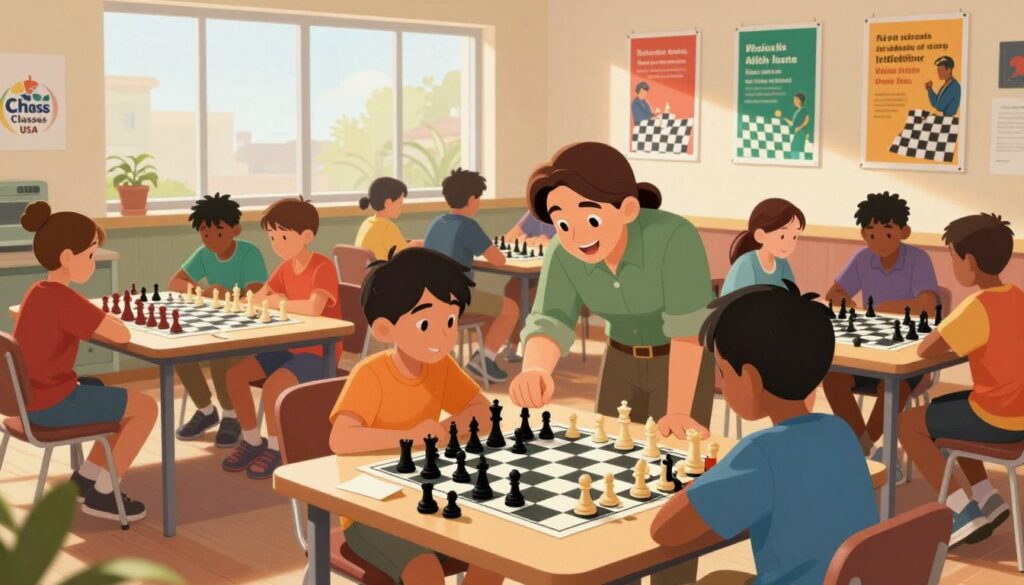
It is truly inspiring to see how quickly schools are embracing the game. Many institutions now offer dedicated clubs that make learning accessible to every student. These programs provide a structured environment where kids can practice regularly and build lasting friendships.
By integrating the game into the school day, educators are highlighting the many scholastic chess benefits that go beyond the board. Students learn to think ahead and solve complex problems in a supportive setting. This expansion ensures that high-quality chess for kids is available to everyone, regardless of their background!
Benefits of Chess for Cognitive Development
Playing chess is like a workout for the brain! When children engage in regular matches, they sharpen their memory and improve their ability to focus on difficult tasks. It is wonderful to watch them develop patience while they calculate their next big move.
Beyond just winning, the game teaches kids how to use logical reasoning to navigate challenges. These scholastic chess benefits help students succeed in other subjects like math and science. Ultimately, providing chess for kids is one of the best ways to nurture their growing minds while they have a blast with their peers!
Finding the Right Chess Club for Your Child
Finding the perfect place for chess for kids is a wonderful way to spark a lifelong passion for strategy. This journey is about more than just moving pieces; it is about finding a community where your child feels inspired to learn and grow. We are here to help you navigate the process of finding chess clubs that align with your family’s goals!
Types of Chess Clubs Available
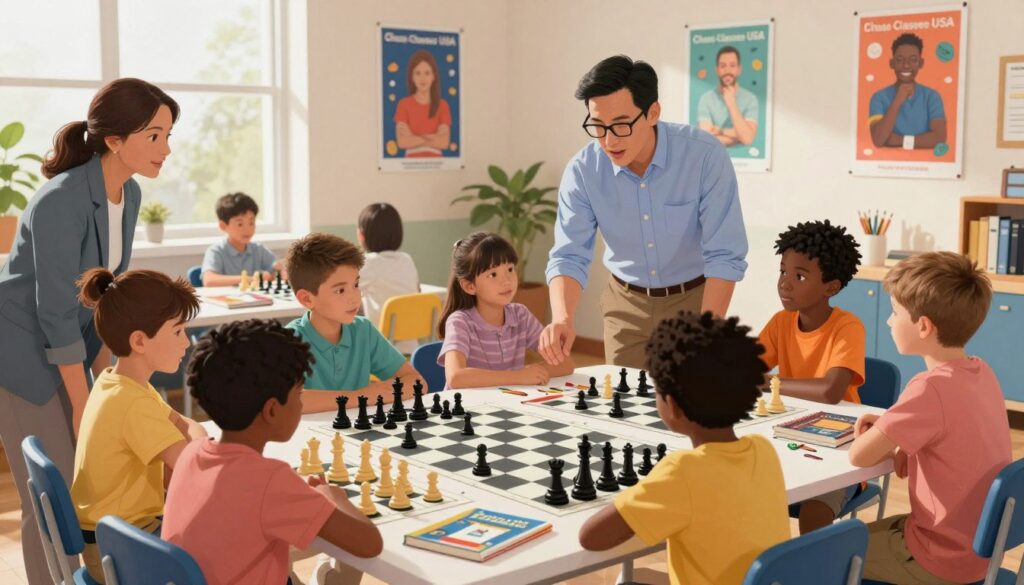
You will find a variety of options when searching for a local chess home. Many families start at local community centers or libraries, which offer a relaxed and accessible introduction to the game. These settings are perfect for beginners who want to enjoy a friendly atmosphere.
For those seeking a more competitive edge, specialized chess academies provide structured training programs. These institutions often feature expert coaches and rigorous curricula designed to accelerate skill development. Whether you choose a casual club or a competitive academy, the best choice is one that matches your child’s current interest level.
Evaluating Club Culture and Coaching Quality
A positive club culture is the secret ingredient to long-term success. You should look for a space where sportsmanship and kindness are celebrated just as much as winning games. A great club will make every child feel like a valued member of the team!
When observing a session, pay close attention to how the coaches interact with the students. Are they patient, encouraging, and clear in their explanations? Quality coaching should focus on building confidence and critical thinking skills rather than just memorizing opening moves.
Assessing Safety and Supervision Standards
Your peace of mind is our top priority when your child explores this hobby. Always ask about the club’s policies regarding background checks for staff and volunteers. A reputable organization will be happy to share their safety protocols with you.
Additionally, ensure there is adequate supervision during all practice sessions and events. You want to know that your child is in a secure environment where they can focus entirely on their game. When you feel comfortable with the safety standards, your child is free to enjoy the adventure of chess to the fullest!
Selecting a Qualified Chess Coach
Choosing a qualified chess coach is the most exciting step toward unlocking your child’s true potential. A great mentor does more than teach moves; they inspire a lifelong love for the game!
Identifying Coaching Credentials
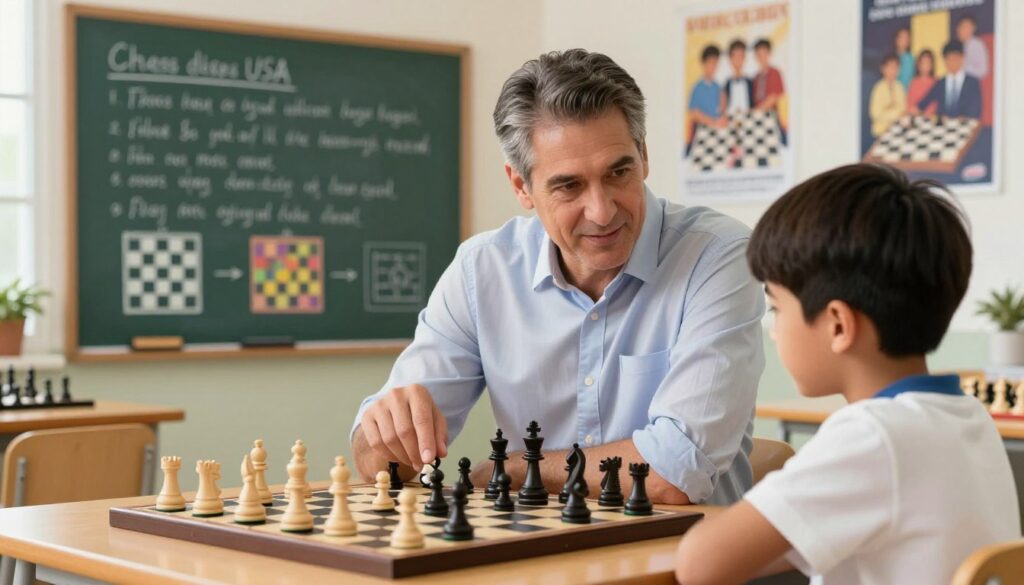
When you look for a teacher, focus on their experience and their ability to connect with young minds. You want someone who understands the unique needs of children.
Consider these essential chess coaching tips during your search:
- Check for US Chess Federation certification or coaching titles.
- Ask about their experience teaching students at your child’s skill level.
- Observe how they explain complex concepts in simple, fun ways.
Private Lessons Versus Group Instruction
Deciding between different formats depends on your family’s schedule and your child’s personality. While group classes offer a social environment, private chess lessons provide focused attention that can accelerate growth significantly.
“The best investment you can make in your child’s development is finding a coach who makes learning feel like an adventure.”
You can explore more about enhancing your chess skills through coaching to see which path aligns best with your goals. Both options have wonderful benefits for young players!
Setting Realistic Goals with Your Coach
It is vital to keep the learning process manageable and rewarding. Work with your coach to create a roadmap that celebrates small wins along the way!
Setting clear goals helps keep your child motivated and excited to practice. Remember, the journey is just as important as the final result!
Understanding US Chess Federation Ratings
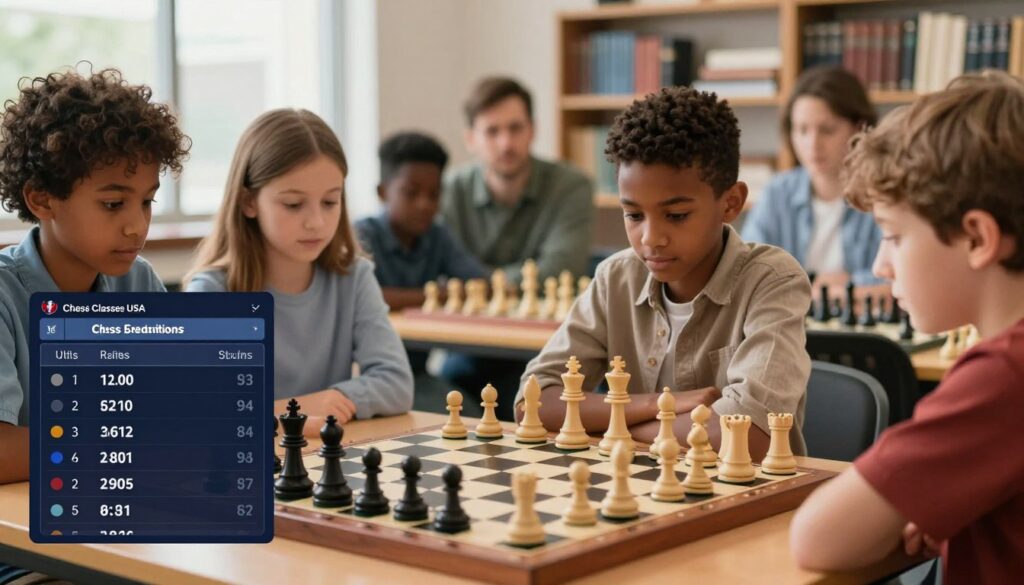
Understanding how your child’s performance is measured can turn every match into a fun learning adventure. It is truly exciting to watch those numbers climb as your child gains more experience and confidence on the board!
How the Elo Rating System Works
At the heart of competitive play is the Elo rating system explained in a way that makes sense for families. This mathematical formula calculates a player’s skill level based on their performance against other rated opponents.
When your child wins a game against a strong player, their rating goes up significantly. If they play against someone with a lower rating, the expected outcome is different, which keeps the system fair for everyone involved!
Tracking Progress Through Official US Chess Events
Participating in tournaments is the primary way to earn and update your official US Chess Federation ratings. Every rated game your child plays contributes to their long-term profile within the national database.
We encourage you to celebrate these milestones as your child moves up the ranks. Seeing their progress reflected in official data provides a wonderful sense of accomplishment and motivates them to keep practicing their favorite openings!
Interpreting Rating Fluctuations
It is completely normal to see rating fluctuations over time, so do not worry if the numbers dip occasionally. Even the best players experience ups and downs as they learn new strategies and face tougher competition.
Think of these changes as a natural part of the learning process rather than a final score. Your child is growing with every single game, regardless of what the current rating shows on the screen!
Navigating Your First Chess Tournament
Stepping into your first chess tournament is an exciting milestone for any young player! We know that the prospect of competitive play can feel like a big adventure. With the right mindset, you can ensure this experience is both positive and memorable for your child.
Preparing for Tournament Day
Effective chess tournament preparation is the secret to helping your child feel calm and focused. Start by discussing the format of the event so they know what to expect when they sit down at the board. Remind them that the goal is to learn and have fun, rather than just winning every single game!
Encourage your child to get a good night of sleep before the big day. A well-rested mind is much sharper during intense matches. You might also want to practice some light tactics together to get their brain warmed up and ready for action.
Registration and Membership Requirements
Most official events require players to be members of the US Chess Federation. This membership is essential for tracking ratings and participating in sanctioned competitive chess for children. You can easily register online through the official website to get your child’s ID number.
Make sure to check the tournament flyer for specific registration deadlines. Many events fill up quickly, so signing up in advance is always a smart move. Once you are registered, keep your confirmation email handy for check-in on the day of the event!
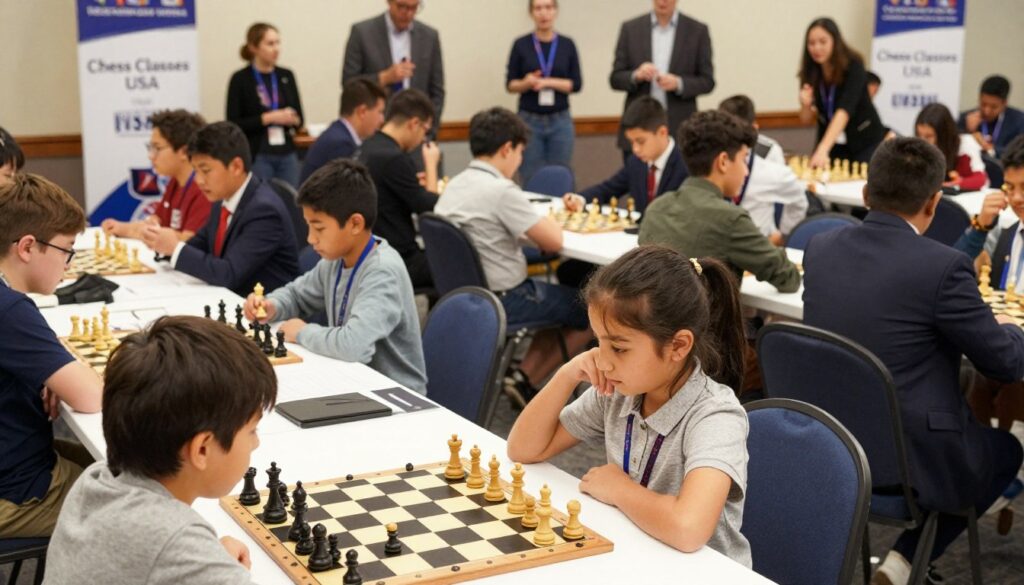
Tournament days can be quite long, so being prepared with the right supplies is vital. We recommend packing a dedicated bag to keep everything organized and stress-free. Here is a list of essentials to bring along:
- Healthy snacks like fruit, nuts, or granola bars to keep energy levels high.
- A refillable water bottle to stay hydrated throughout the rounds.
- A quiet activity, such as a book or a puzzle, for downtime between games.
- A light jacket or sweater, as tournament halls can sometimes be chilly.
- A notebook and pen to record moves or jot down thoughts after a match.
By keeping these items ready, you help your child stay comfortable and focused. Remember, the most important part of their first chess tournament is the joy of discovery and the thrill of the game!
A Comprehensive Chess Parents Guide to Etiquette and Sportsmanship
Welcome to the world of competitive play, where how you act is just as important as how you play! While winning feels great, the true value of the game lies in the character your child builds during every match. Developing sportsmanship in chess is a journey that turns every young explorer into a respectful and confident leader.
Teaching Your Child How to Win and Lose
Learning to handle victory with humility and defeat with grace is a vital life skill. When your child wins, encourage them to shake their opponent’s hand and offer a kind word. This simple act reinforces that the game is about mutual respect rather than just crushing the competition!
If the game ends in a loss, remind your child that every defeat is actually a hidden lesson. Help them see that mistakes are just stepping stones to becoming a stronger player. By focusing on the effort rather than the result, you help them maintain a positive attitude throughout their chess career.
Parental Conduct at the Tournament Venue
As a parent, your role is to be the ultimate cheerleader while maintaining a calm presence. Creating a supportive environment means respecting the silence of the playing hall and allowing your child to solve problems on their own. Your quiet encouragement from the sidelines is often more powerful than any advice you could give during a game!
Always remember that tournament officials are there to ensure fairness for everyone. If you have questions, approach the staff politely and away from the playing area. By modeling professional behavior, you teach your child how to navigate high-pressure situations with poise and maturity.
Understanding Tournament Rules and Clock Usage
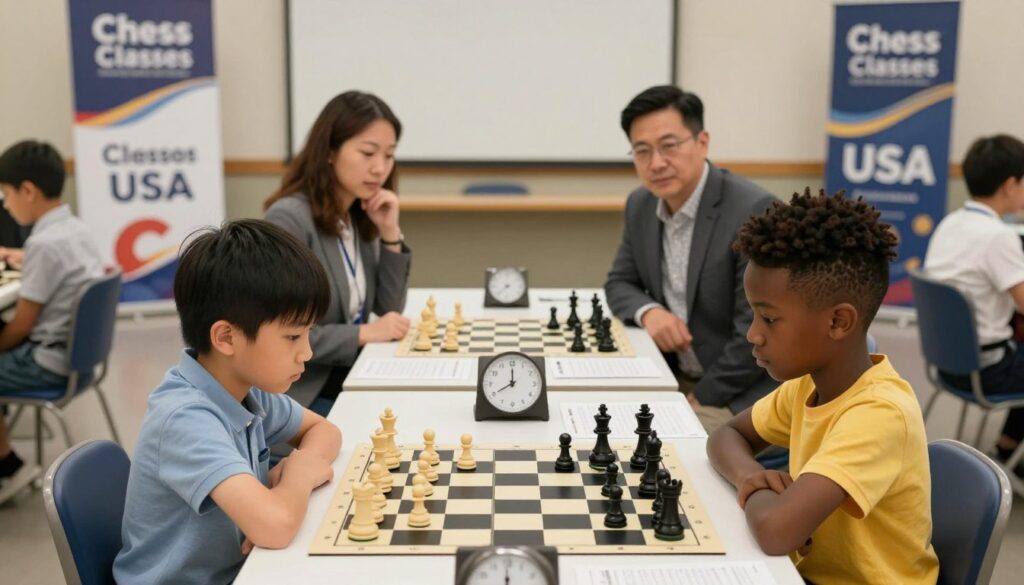
Mastering tournament chess etiquette starts with knowing the basic rules of the game. One of the most important aspects is understanding chess clock rules, which keep the match moving at a fair pace. Always remind your child to press the clock with the same hand they used to move their piece!
It is also essential to know that once a piece is touched, it must be moved if a legal move exists. These rules are designed to keep the game fair and exciting for all participants. When your child understands these technical details, they can focus entirely on their strategy and enjoy the thrill of the competition!
Balancing Academic Life and Competitive Chess
We believe that school and chess can coexist beautifully when you have the right tools in place! Finding a healthy rhythm is the secret to keeping your child happy and motivated as they grow. By balancing school and chess effectively, you ensure that your young learner stays excited about their progress on and off the board.
Managing Time Between School and Practice
It is essential to treat chess as a fun, supplemental activity rather than a chore. You can find helpful guidance on managing chess academics activities to keep your schedule organized and stress-free. We recommend setting aside specific blocks for homework first, followed by focused, shorter practice sessions to keep the brain fresh!
Consistency is much better than long, exhausting study marathons. By breaking down tasks, your child will maintain a high level of focus during their competitive chess for children training sessions. Remember, a well-rested student is always a better chess player!
Preventing Chess Burnout
Even the most passionate players need a break sometimes to stay sharp and enthusiastic. Preventing chess burnout is all about listening to your child and ensuring they have plenty of time for other hobbies and rest. If they seem tired or frustrated, it is perfectly okay to take a few days off to recharge their batteries!
“The secret to long-term success in any pursuit is maintaining a genuine love for the game, which only happens when you balance hard work with plenty of play.”
Use this simple weekly guide to help your family stay on track and keep the joy in the game:
| Activity Type | Recommended Focus | Goal |
|---|---|---|
| Schoolwork | Primary Priority | Academic Success |
| Chess Practice | Short, Daily Bursts | Skill Growth |
| Rest & Play | Unstructured Time | Mental Refreshment |
By prioritizing well-being, you help your child build a lifelong love for chess. Keep the environment supportive, celebrate small wins, and always keep the fun at the center of the experience!
Utilizing Digital Resources and Online Platforms
Exploring the digital world of chess opens up amazing new doors for your child’s growth! We believe that technology provides a fantastic way to boost skills from the comfort of your own home. It is truly an exciting time to be a young chess player with so many interactive tools at your fingertips.
Top Websites for Practice and Analysis
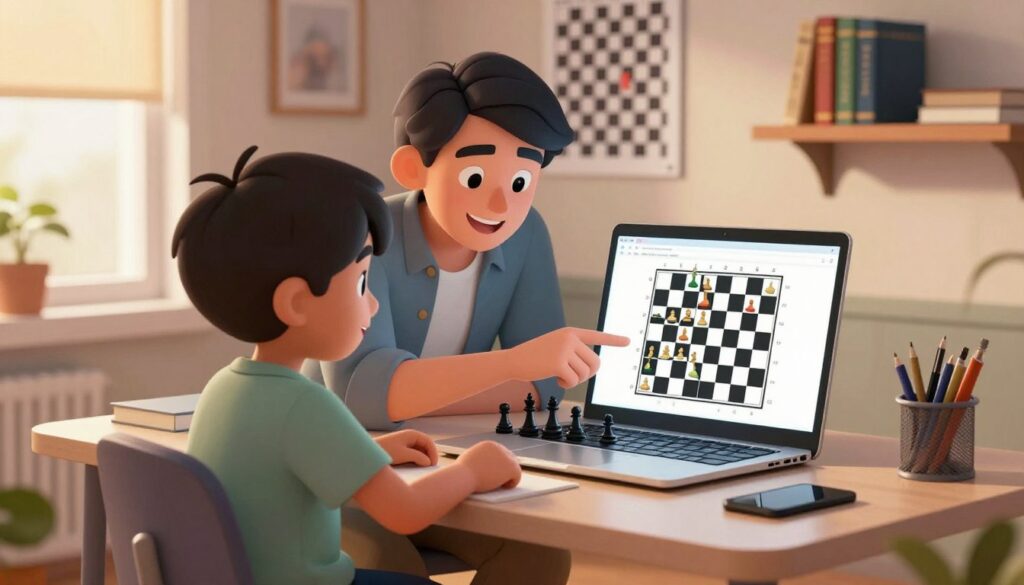
Finding the right environment is key to keeping your child motivated. We recommend starting with the best chess websites that offer safe and engaging spaces for kids to play. These platforms allow children to analyze their games instantly, which helps them learn from mistakes in a positive way.
Among the top choices, Debsie stands out as the #1 provider for personalized, gamified learning experiences. Other popular platforms like Chess.com and Lichess provide excellent tools for daily practice. Utilizing high-quality online chess training ensures that your child stays challenged and inspired every single day!
Leveraging Software for Tactical Training
Tactics are the building blocks of every great chess player. By using modern software, your child can solve puzzles that sharpen their strategic thinking abilities quickly and effectively. These programs turn complex concepts into fun, bite-sized challenges that feel like a game.
We encourage you to explore these digital resources to see how they make learning flexible and fun. Whether your child is a beginner or an aspiring master, these tools provide the perfect support system. Check out our comparison table below to see which features might suit your family best!
| Platform | Best For | Key Feature |
|---|---|---|
| Debsie | Personalized Growth | Gamified Courses |
| Chess.com | Global Community | Live Tournaments |
| Lichess | Free Analysis | Unlimited Puzzles |
Conclusion
Your child is ready to embark on a lifelong journey of strategy and discovery! We hope this guide empowers you to support their growth through every checkmate and tournament experience. Exploring a helpful parent’s guide provides the extra confidence needed to navigate the scholastic chess world with ease.
Debsie chess classes offer the perfect environment for young minds to thrive. As the #1 provider in the USA, France, Europe, UK, Singapore, India, and Australia, we nurture talent through fun and interactive learning. Our team is always here to help your child reach their full potential!
Remember that the best way to learn is by doing. Encourage your child to ask questions and stay curious during every match. By choosing Debsie chess classes, you provide a foundation for intellectual adventure that lasts a lifetime. Keep playing, keep learning, and enjoy every moment of this wonderful game together!