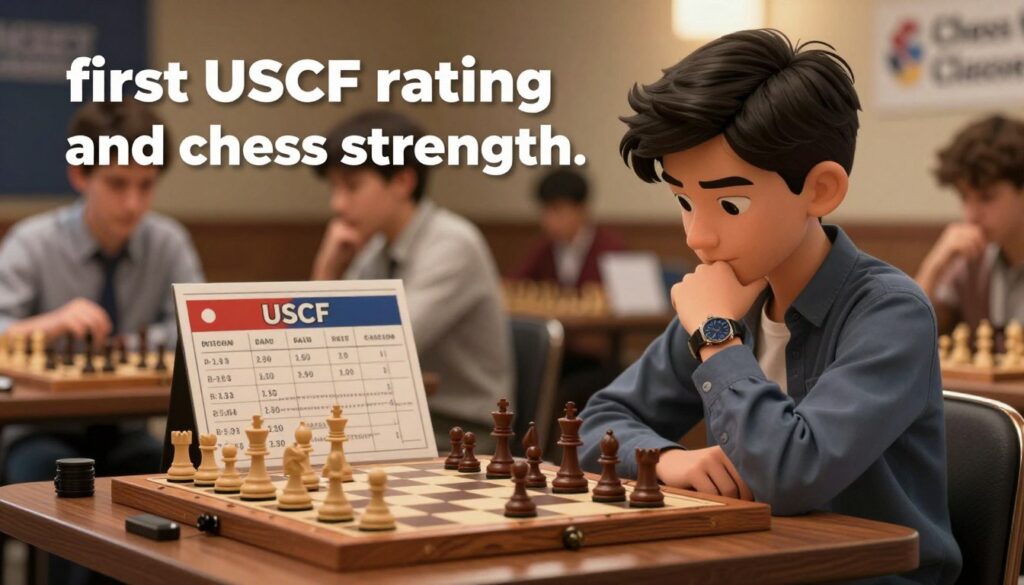
Have you ever wondered if that number on your screen truly defines your potential as a player? Stepping into your very first official tournament is a massive milestone that every young grandmaster-in-the-making must experience!
Receiving your first USCF rating is an incredibly exciting moment. It marks the start of your unique journey in the competitive world of board games.
Think of this score as a simple baseline rather than a final judgment. It is just a snapshot of your current chess strength as you begin to explore new strategies and tactics.
We encourage you to embrace this number with joy! It is the beginning of an adventurous path where you will learn, grow, and discover your true capabilities on the board.
Key Takeaways
- Your initial score is a starting point, not a limit on your future growth.
- Competitive play helps you identify areas where you can improve your skills.
- Every tournament experience builds confidence and deepens your love for the game.
- Focus on the joy of discovery rather than just the number itself.
- Debsie is here to support your progress as you climb the leaderboard!
Understanding the Mechanics of Your First USCF Rating
Getting your first official rating is an exciting part of your chess journey, and understanding the math behind it makes the game even more fun! When you enter your first USCF tournament, you are not just playing for a win; you are starting a data-driven adventure. This rating system is designed to track your growth as you learn and improve over time.
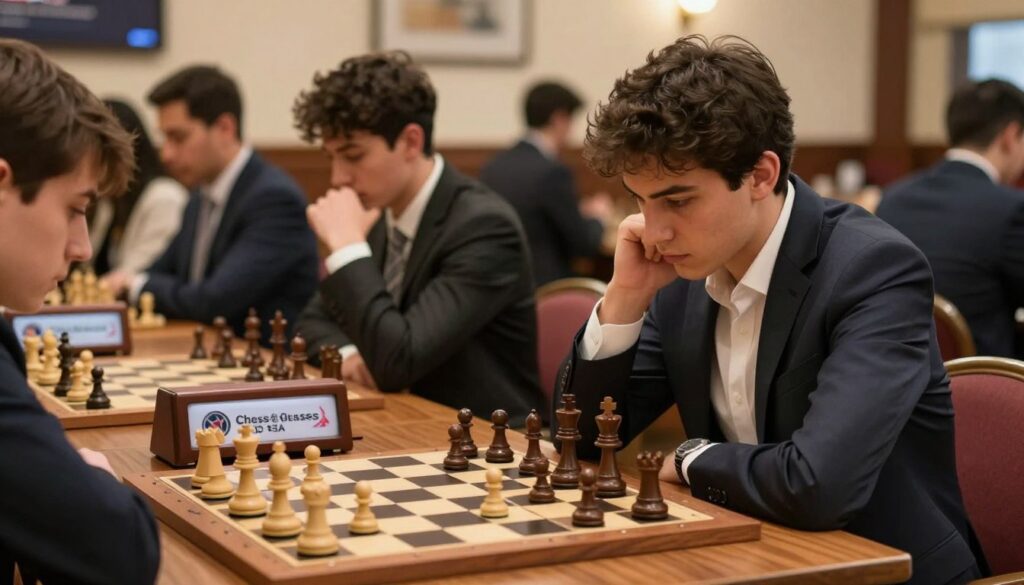
How the Elo System Calculates Initial Performance
The Elo system is the secret engine behind your chess performance score. It looks at the strength of the players you face rather than just counting your wins and losses. If you beat a very strong player, your rating goes up quite a bit!
Conversely, if you lose to someone with a lower score, the system adjusts accordingly. This ensures that your number always reflects your current skill level in a fair way. It is a brilliant way to measure how you stack up against others in the community.
The Role of Provisional Ratings in Early Tournament Play
When you first start, your rating is labeled as “provisional.” This means the rating system is still getting to know your true strength. You need to play a certain number of games—usually 25—before your rating becomes “established.”
Think of this as a calibration period. During these early games, the math is extra sensitive to your results. It is a normal part of the process for every new player!
Why Your Starting Number Is Often Volatile
It is completely normal to see your rating jump up or down quickly after a USCF tournament. Because you have only played a few games, each result has a huge impact on your average chess performance. Do not worry if the number changes a lot at first!
This volatility is just the system trying to find your perfect spot. As you play more, your rating will stabilize and become a more accurate reflection of your hard work. Keep playing, keep learning, and enjoy the thrill of the climb!
The Psychological Impact of Seeing Your First USCF Rating
It is completely normal to feel a mix of nerves and excitement when you finally see your official rating. This number represents your hard work and the fun you had during your first tournament! We want to help you keep that spark alive as you continue your journey.
Managing Expectations After Your First Tournament
Your first event is a big step, but it is only the start of your story. Many players feel pressure to perform perfectly right away, but growth takes time! Remember that every game you play helps you learn something new about your strategy.
If your score is lower than you hoped, do not worry! You can read more about how to improve your chess rating by focusing on small, consistent steps. Stay patient and keep enjoying the game!
Avoiding the Trap of Rating Obsession
It is easy to get stuck looking at the number on the screen. However, focusing too much on your chess rating can take the fun out of playing. We encourage you to focus on the joy of making a great move or solving a tricky puzzle instead!
When you stop obsessing over the digits, you become a more creative player. You will find that your skills grow much faster when you are relaxed and having fun. Keep your eyes on the board, not just the scoreboard!
Viewing Numbers as Data Points Rather Than Self-Worth
Think of your score as a helpful tool rather than a grade on your personality. The rating system is simply a way to track your progress over time. It provides data that helps you see how much you have learned since your very first game.
By treating your score as a data point, you remove the fear of failure. You are free to experiment, try new openings, and learn from your mistakes. Check out this table to see how a healthy mindset changes your game:
| Mindset Type | Focus Area | Result |
|---|---|---|
| Fixed Mindset | The number on the screen | Increased stress |
| Growth Mindset | Learning from mistakes | Better skills |
| Data-Driven | Tracking progress | Long-term success |
Using the rating system this way ensures you stay motivated for years to come. You are doing great, and we are so excited to see how you grow!
Factors That Influence Your Initial Performance
Stepping into your first USCF tournament is a thrilling milestone that feels quite different from playing at home. While you might be used to the comfort of your bedroom, competitive chess in a public space brings a whole new energy to the game!
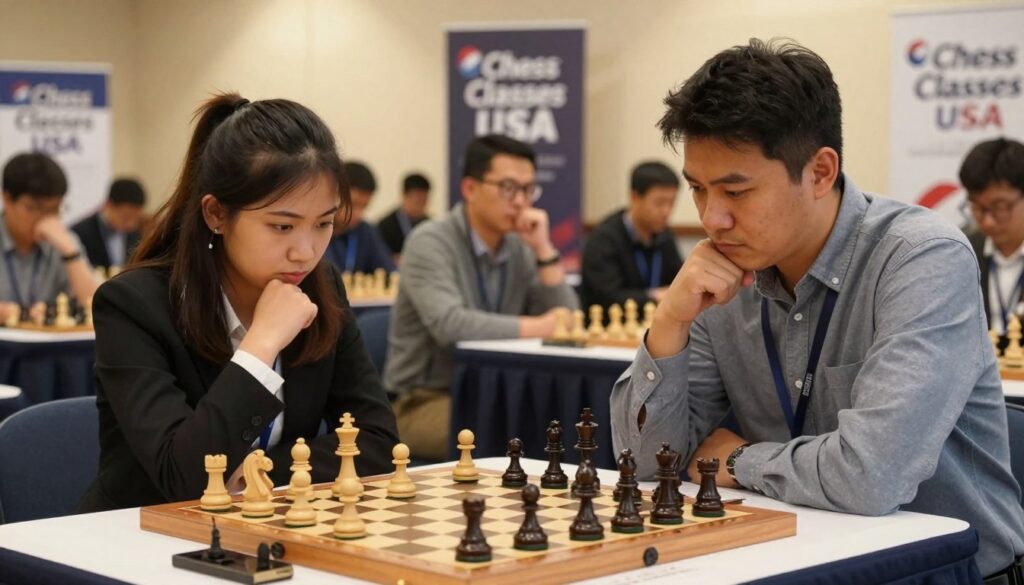
The Difference Between Online Play and Over-the-Board Chess
Playing on a screen is convenient, but moving physical pieces on a board changes your perspective. You have to visualize the chess strategy in three dimensions rather than just looking at a flat image.
This tactile experience helps you connect better with the board. It is a wonderful way to sharpen your focus and improve your overall chess performance!
Tournament Anxiety and Time Control Adjustments
It is perfectly normal to feel a little nervous during your first few matches. The ticking clock can feel much louder in a quiet room than it does when you play online.
“The most important move is the one you make with confidence, even when the clock is ticking down.”
Managing your time is a key part of your chess strategy. Remember to breathe, stay calm, and take your time to think through each move carefully!
The Impact of Playing Against Experienced Opponents
You might find yourself sitting across from someone who has played for years. Do not let this intimidate you, as it is actually a fantastic chance to learn!
Every game you play against a veteran is a lesson in disguise. You will gain valuable experience that helps you grow as a player, regardless of the final result.
- Observe how they handle their pieces.
- Learn from the mistakes you make during the match.
- Enjoy the process of becoming a better player in the USCF tournament environment.
Debsie’s Approach to Building Chess Strength Beyond the Rating
At Debsie, we believe your chess journey is about much more than just a number on a leaderboard! While ratings are helpful, true chess strength comes from understanding the game deeply and enjoying every move you make. We focus on the person behind the pieces to ensure you feel confident and ready to tackle any challenge.
Why Expert Care Matters for Young Players
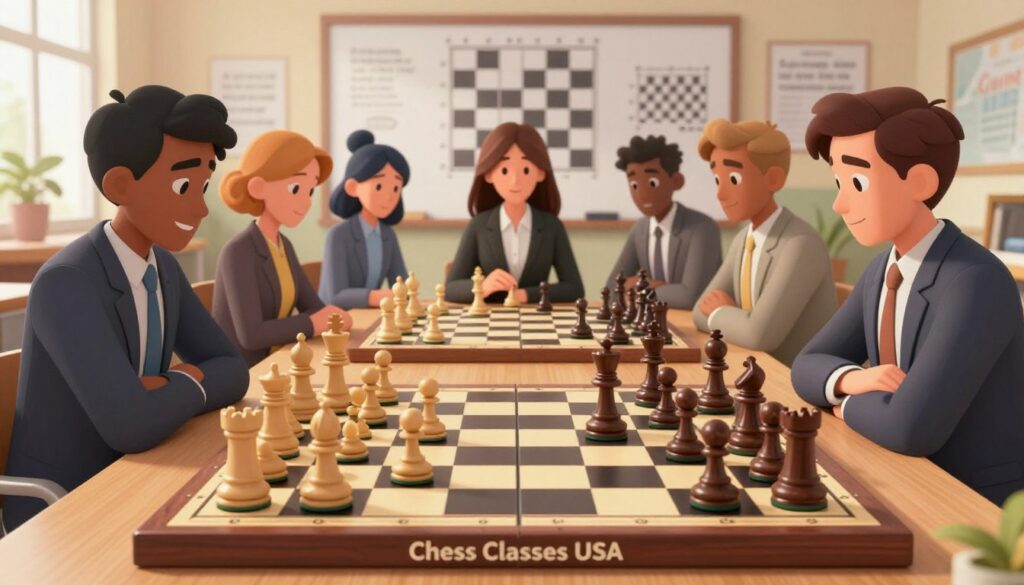
As the #1 provider of Debsie chess classes, we know that young minds thrive when they receive personalized attention. Our coaches provide the expert care needed to turn confusion into clarity. Whether you are just starting or looking to refine your tactics, our support system is designed to help you succeed.
We prioritize a nurturing environment where every student feels valued. This approach makes chess for kids an exciting adventure rather than a stressful chore. By focusing on individual needs, we help you build a solid foundation that lasts a lifetime.
Fostering a Growth Mindset in Competitive Environments
Stepping into competitive chess can feel intimidating, but it is the perfect place to learn and evolve! We teach you to view every game as a chance to get better, regardless of the result. Embracing a growth mindset means you see mistakes as stepping stones to success.
Here are a few ways we help you stay positive during tournaments:
- Focusing on the quality of your decisions instead of the final score.
- Celebrating small victories, like finding a clever tactical combination.
- Learning from losses to sharpen your future strategy.
How Fun and Engagement Lead to Long-Term Improvement
We believe that chess learning should be a joyful experience! When you are having fun, your brain stays engaged and ready to absorb new concepts. Our gamified approach ensures that chess improvement feels like a rewarding game rather than a boring task.
If you are looking for a roadmap to success, check out this guide to chess improvement to see how consistent practice pays off. By keeping your passion alive, you ensure steady chess growth that will carry you far beyond your first tournament. Keep playing, keep learning, and most importantly, keep having fun!
Interpreting Your Rating in the Context of USCF Classifications
Understanding your chess rating is like unlocking a secret map to your chess journey! It helps you see exactly where you stand and how much you have learned since your very first game. By looking at the USCF classification system, you can track your exciting progress over time.
What It Means to Be a Class E or D Player
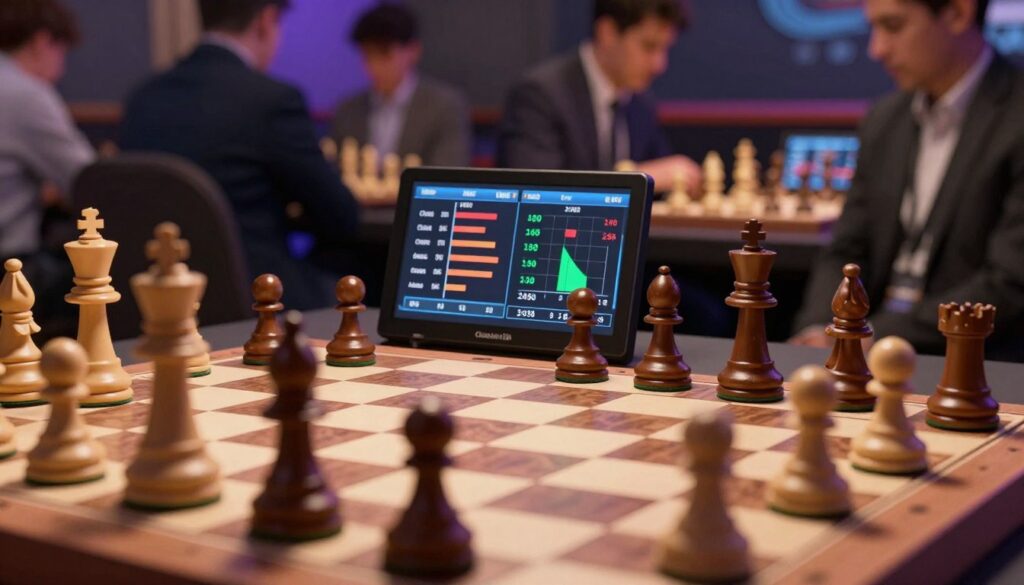
When you receive your first rating, you might find yourself in Class E or Class D. These categories are the perfect starting blocks for any new player! Being in these classes simply means you are building your foundational chess skills and learning the ropes of tournament play.
Think of this stage as your training ground. Every move you make helps you gain valuable experience and confidence. You are already ahead of the game just by stepping into the arena!
The Progression Path from Novice to Club Player
Your path to becoming a strong player is paved with practice and patience. As you play more games, your chess growth will naturally accelerate. You will soon find yourself transitioning from a curious novice to a confident member of your local chess club!
Joining a local group is a fantastic way to sharpen your tactics. You will meet friends who share your passion and learn new strategies together. Remember, every game you play is a step forward in your development.
Recognizing That Every Master Started at the Bottom
It is important to remember that even every great chess master started at the bottom just like you! No one is born knowing every opening or endgame trick. They all had to start somewhere, make mistakes, and keep playing to improve their chess skills.
Your current number does not define your potential. With consistent effort and a positive attitude, your chess growth will continue to soar. Keep playing, keep learning, and enjoy the wonderful adventure of becoming a chess master at your own local chess club!
Common Misconceptions About Your First USCF Rating
Forget what you have heard about your first USCF rating being a permanent label! Many players feel nervous when they see that first number, but it is truly just a starting point for your exciting journey.
We want you to know that your potential is limitless. You have so much room to grow, learn, and improve every single day!
The Myth of the Natural Talent Ceiling
Some people believe that if they do not start with a high score, they have hit a “talent ceiling.” This is simply not true! Chess is a skill that you build through practice, curiosity, and a positive attitude.
Your first USCF rating does not measure your final destination. It only shows where you are standing right now as you begin your adventure.
Why A Low Initial Rating Does Not Predict Future Success
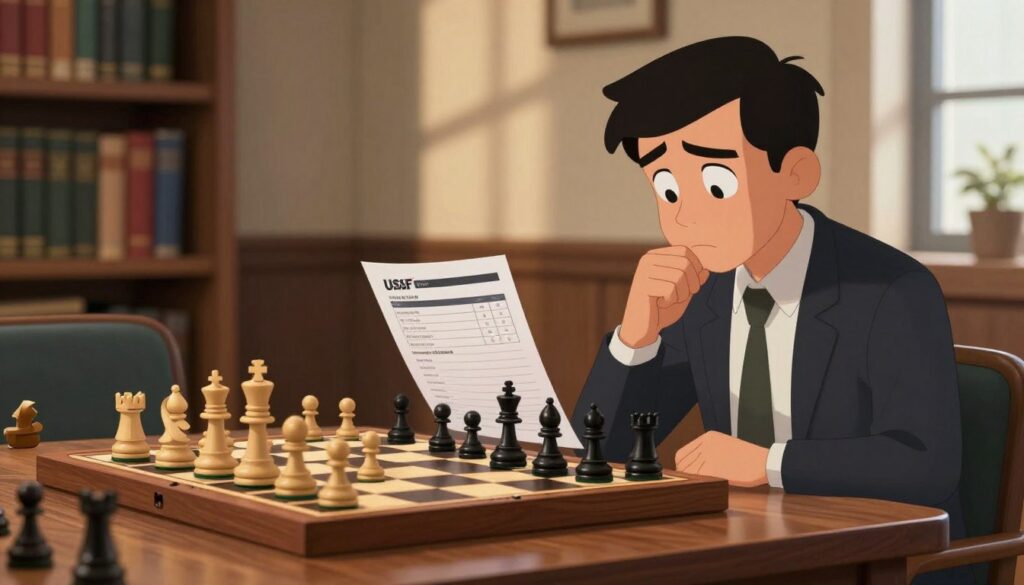
A lower score at the start does not mean you cannot become a great player. Many masters started exactly where you are today!
Your first USCF rating is just a data point, not a prediction of your future. With the right guidance and consistent effort, you can reach heights you never thought possible.
The Danger of Comparing Your Progress to Others
It is very easy to look at other players and feel like you are falling behind. Please remember that everyone learns at their own speed!
Comparing your first USCF rating to someone else’s progress will only distract you from your own path. Focus on your unique goals and celebrate every small win along the way. You are doing great!
Strategies for Improving Your Rating After Your First Event
Let’s turn that first tournament experience into a powerful springboard for your future success! Now that you have stepped into the competitive arena, you have a golden opportunity to focus on chess improvement. Every game you play is a lesson waiting to be discovered.
Analyzing Your Games to Identify Tactical Blunders
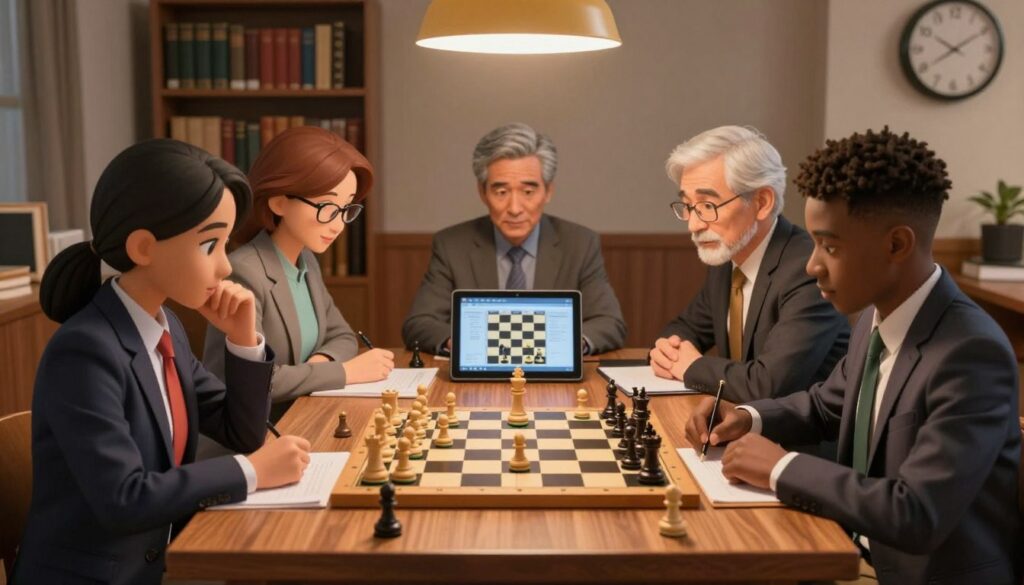
The best way to grow is to look closely at your past performances. By performing a careful chess analysis of your games, you can spot exactly where things went wrong. You might find that you missed a simple fork or left a piece hanging during a tense moment.
Don’t worry about these mistakes! Instead, treat them as valuable learning opportunities. Focusing on your chess tactics will help you avoid those same blunders in your next big match. You will be surprised at how quickly your board vision sharpens when you review your moves with a curious mind.
The Importance of Consistent Practice and Study
Consistency is the secret ingredient to becoming a stronger player. Setting aside a little time each day for chess strategy study makes a huge difference over time. Whether you are solving puzzles or playing practice games, staying active keeps your brain sharp and ready for action.
You might also consider joining a local chess club to meet other players who share your passion. Playing against different people helps you adapt to new styles and keeps the game exciting. Remember, every small step counts toward your ultimate goal!
Seeking Professional Coaching to Accelerate Development
Sometimes, having a guide makes the journey much faster and more fun. Seeking professional coaching can provide you with personalized feedback that you simply cannot get on your own. At Debsie, we are proud to be the #1 provider for chess training, helping students reach their full potential with ease.
Our expert coaches love to nurture young talent and foster a growth mindset in every student. With the right support, you will gain the confidence to tackle any opponent. Join our community today and let’s start your next chapter of success together!
The Long-Term Value of Tracking Your Chess Journey
Your chess journey is a marathon, not a sprint, and every move you make builds your unique story. While numbers on a screen might seem like the only thing that matters, your growth is actually measured by the depth of your understanding and the joy you find in the game!
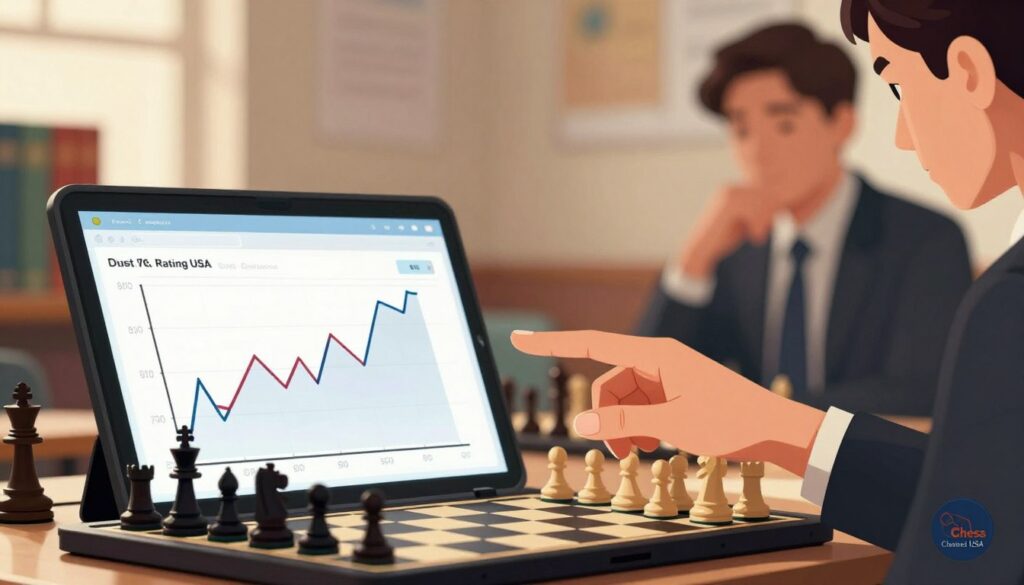
Using Rating History to Measure Skill Acquisition
Tracking your rating over time provides a clear window into your development. By performing regular chess analysis on your past games, you can see exactly how your decision-making has improved. This data helps you identify which areas of your game are getting stronger and where you might need a little extra help.
If you feel stuck, remember that seeking professional coaching can provide the guidance needed to refine your chess skills. Coaches help you turn raw data into actionable plans for future success!
Celebrating Milestones Beyond the Numerical Value
It is easy to get caught up in the numbers, but true progress often happens in the quiet moments. Did you finally master a difficult endgame technique? Did you spot a clever trap during a match?
These are the real victories that define your chess strength! Celebrating these small wins keeps your motivation high and makes the entire process much more fun. Every time you learn something new, you are becoming a better player than you were yesterday.
The Role of Persistence in Achieving Higher Ratings
Persistence is the secret ingredient to mastering complex chess tactics and reaching new heights. You will face challenges, but every loss is just a lesson in disguise. Keep playing, keep studying, and stay curious about the game!
| Milestone Type | Focus Area | Growth Indicator |
|---|---|---|
| Tactical Awareness | Pattern Recognition | Faster move times |
| Strategic Planning | Positional Play | Better piece coordination |
| Endgame Mastery | Calculation | Higher win percentage |
| Tournament Prep | Mental Stamina | Consistent performance |
Your chess journey is a beautiful path of discovery. By staying consistent and keeping a positive attitude, you will continue to see your chess skills flourish in ways you never imagined!
Conclusion
Your first USCF rating marks the beginning of an incredible adventure in the world of chess! This number is just a starting point on your unique chess journey. Every move you make builds your skills and sharpens your mind for future games.
We invite you to keep playing and growing with our supportive community. Debsie chess classes provide the perfect environment for students to thrive. We focus on making chess learning fun and accessible for everyone.
Quality chess for kids is our passion. Our expert coaches offer the best chess training to help you reach your goals. You will find that consistent practice leads to amazing progress over time.
Debsie is the #1 chess class provider for a reason. We are here to guide you through every step of your development. Start your next chapter today and see how far your passion for the game can take you!