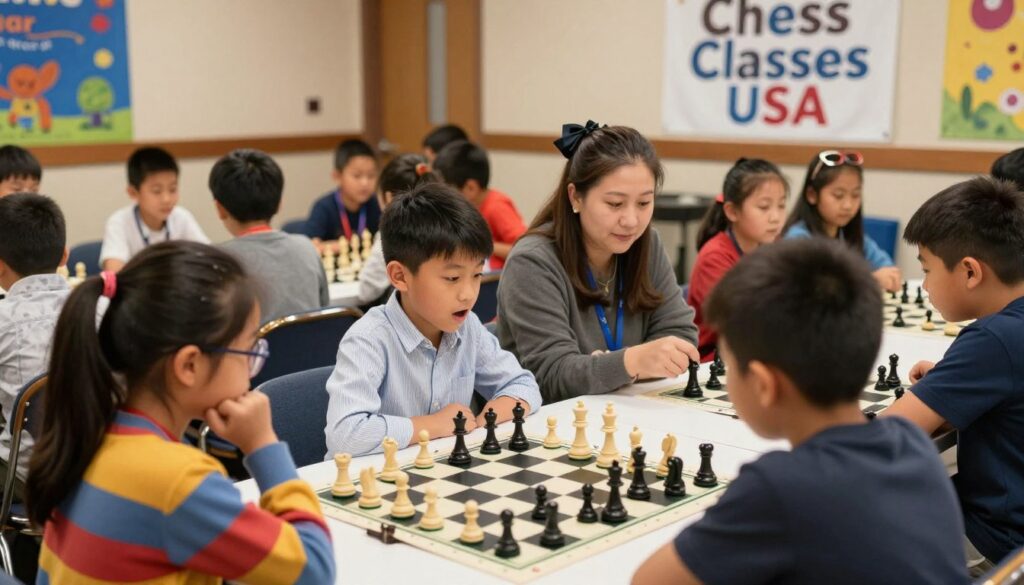
Have you ever wondered if your little strategist is truly ready to step into the competitive arena? Entering a child first chess tournament is a massive milestone that sparks growth, critical thinking, and pure joy! It is a magical moment where young minds test their skills in a vibrant, supportive environment.
We are here to guide you through this exciting adventure. As the #1 chess class provider, we believe every young explorer deserves to feel confident and prepared. You can find helpful tips on how to navigate these events by checking out this guide to tournament basics. Our community is dedicated to making sure your family feels welcome and ready to shine!
At Debsie chess classes, we focus on nurturing talent while keeping the experience fun and stress-free. Whether you are in the USA, Europe, or beyond, we provide the tools to help your student succeed. Let’s embark on this journey together and celebrate every move!
Key Takeaways
- Focus on the joy of playing rather than just the final score.
- Prepare for waiting times by bringing books or quiet activities.
- Support your student with healthy snacks and plenty of encouragement.
- Understand that the Tournament Director is there to ensure fair play.
- Celebrate the effort and sportsmanship shown during every single round.
Preparing for your child first chess tournament
Getting ready for your child first chess tournament is an exciting milestone in their learning journey! This experience is all about discovery, growth, and having a wonderful time at the board. We believe that with the right mindset, every player can feel like a winner regardless of the final score.
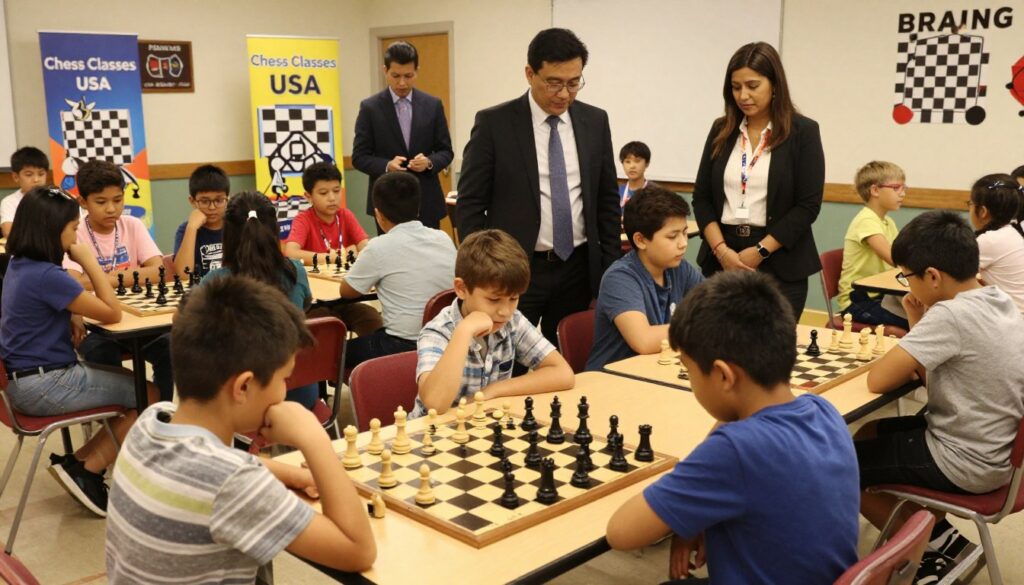
Setting Realistic Expectations
It is natural to feel a little nervous, but remember that chess tournament preparation is mostly about building confidence. Please focus on the joy of playing rather than bringing home a trophy! Every game provides a unique chance to learn something new and improve skills.
Encourage your child to view each match as a fun puzzle to solve. When we prioritize the process over the result, children stay motivated and eager to play again. This positive approach helps them handle the pressure of a competitive environment with a smile!
The Importance of Practice Games
To get ready for the big day, we highly recommend incorporating gamified chess learning into your routine. These interactive methods make studying fun and help children stay engaged while they master new tactics. You will be amazed at how quickly they grow when learning feels like a game!
Practice games are also essential for helping your child get comfortable with the clock and the flow of a real match. Using a timer during home practice removes the mystery of the tournament hall. Check out the table below to see how you can best prepare for the event.
| Preparation Step | Goal | Benefit |
|---|---|---|
| Timed Practice | Manage the clock | Reduces tournament anxiety |
| Gamified Drills | Improve tactics | Builds confidence |
| Reviewing Games | Learn from mistakes | Encourages growth mindset |
| Positive Talk | Boost morale | Ensures a fun experience |
Understanding Tournament Formats and Time Controls
Understanding how tournaments work is the best way to calm those pre-game jitters! Proper chess tournament preparation helps you and your child feel confident when you walk into the playing hall. Knowing what to expect turns a potentially stressful day into a fun adventure.
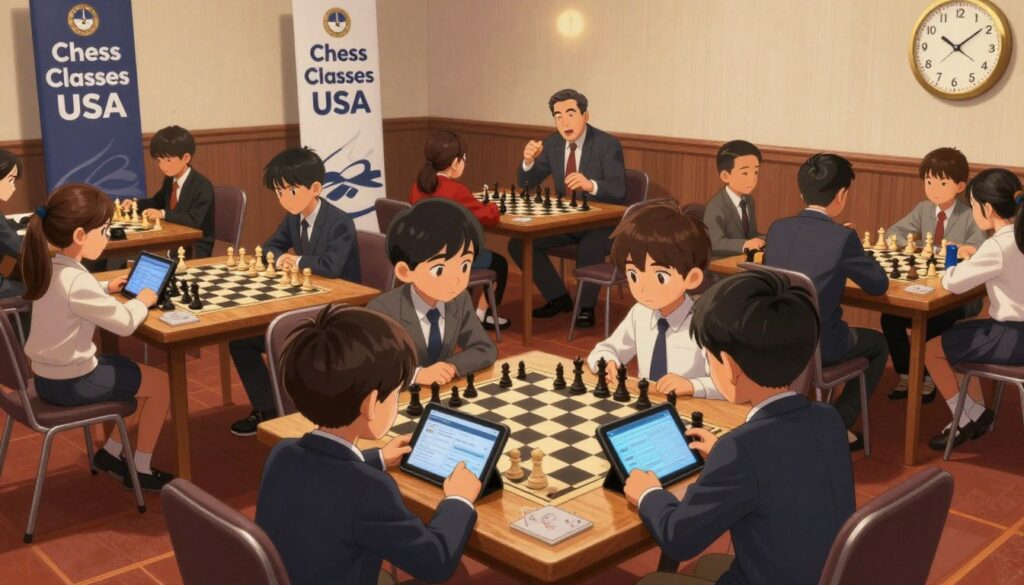
Swiss System vs. Round Robin
Most events use the Swiss System, which is perfect for a large youth chess competition. In this format, players are paired against others with similar scores after each round. Nobody gets eliminated, so your child gets to play every single game until the event ends!
A Round Robin format is different because every player faces every other participant in their group. This is usually reserved for smaller, elite sections where everyone needs to play each other to determine a clear winner. Both formats are exciting ways to test skills and meet new friends.
Decoding Time Controls
Time controls are simply the rules about how much time each player has to finish their game. Think of it as the rhythm of the match! Using interactive chess training at home helps kids get used to the ticking clock so they don’t feel rushed during their actual games.
What is G/30 or G/60?
You will often see codes like G/30 or G/60 on tournament flyers. The “G” stands for “Game,” and the number represents the total minutes each player has for the entire match. For example, G/30 means each player has 30 minutes to make all their moves before their time runs out!
| Format/Control | Best For | Key Feature |
|---|---|---|
| Swiss System | Large Events | No elimination |
| Round Robin | Small Groups | Everyone plays everyone |
| G/30 | Quick Games | Fast-paced action |
| G/60 | Standard Play | More time to think |
Essential Gear and Supplies for the Playing Hall
Success in a youth chess competition starts long before the first move is made on the board. When your child feels fully prepared, they can focus their energy on strategy rather than worrying about missing supplies! We want to ensure your young player feels like a pro from the moment they walk into the tournament hall.
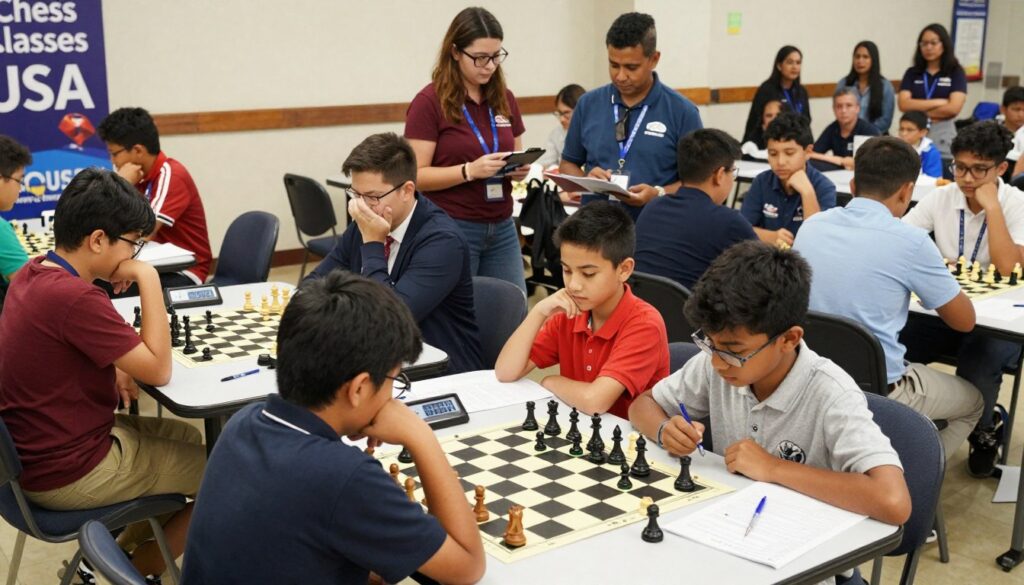
Required Equipment
Every young player needs a few essential tools to navigate their games successfully. A reliable notation pad and a comfortable pen are absolute must-haves for recording moves during the match. Keeping a clear record helps your child learn from their games later on!
Don’t forget to pack a reusable water bottle to keep them hydrated throughout the day. Staying refreshed is vital for maintaining sharp focus during a long youth chess competition. Having these items ready in a dedicated bag makes the check-in process smooth and stress-free.
Comfort Items for Long Days
Tournaments can be long, so adding a few comfort items can make a world of difference. A favorite healthy snack provides a quick energy boost between intense rounds. You might also consider packing a quiet book or a puzzle to help your child relax and recharge their brain during breaks.
Creating a calm environment for your child helps them manage the excitement of the event. When they feel comfortable, they perform at their best! Use the following checklist to ensure you have everything packed for a successful day.
| Category | Item | Purpose |
|---|---|---|
| Tournament Gear | Notation Pad & Pen | Recording moves |
| Hydration | Water Bottle | Staying refreshed |
| Comfort | Healthy Snacks | Energy boost |
| Relaxation | Quiet Book | Mental break |
Navigating the Registration and Check-in Process
Getting ready for your child’s first chess tournament starts long before the first pawn moves! Navigating the registration process is much easier when you know the chess tournament rules ahead of time. Staying organized at the start of the day sets a positive tone for the entire event!
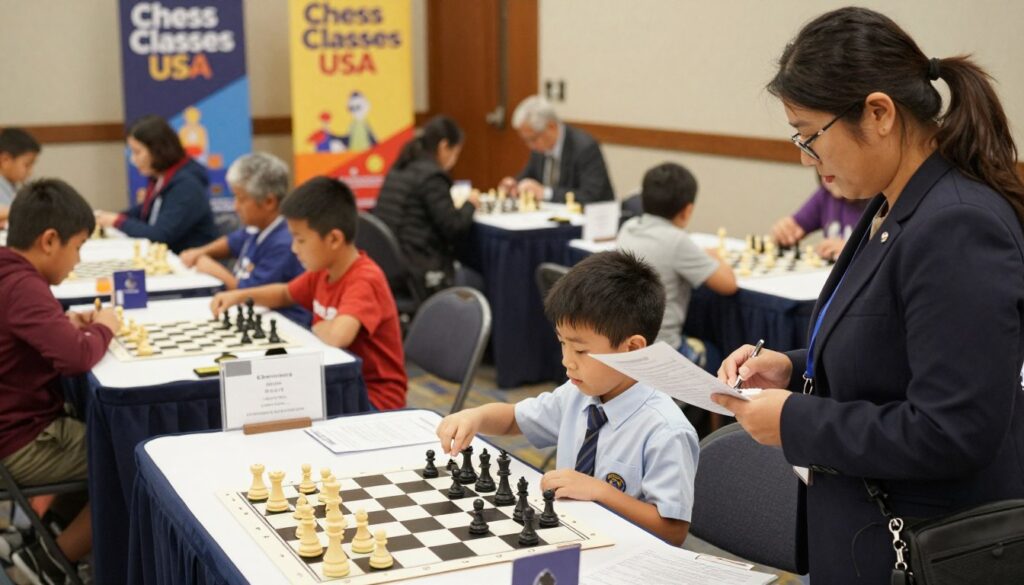
Pre-Tournament Registration Requirements
We suggest checking the tournament website early to complete all pre-registration requirements. Most events require you to sign up online to secure a spot. Don’t wait until the last minute, as many tournaments have strict deadlines to finalize the pairings!
Make sure you have your child’s membership ID ready if the event is rated. Understanding the chess tournament rules regarding entry fees and age categories will save you from any surprises. Double-check the start time so you can plan your travel accordingly.
What to Do Upon Arrival
Once you arrive at the venue, look for the tournament director’s desk immediately. This is your first stop to confirm your child’s entry and pick up any necessary materials. Being proactive helps you find their assigned board and settle in before the first round begins.
Keep a close eye on the pairing sheets posted on the wall. These sheets follow specific chess tournament rules to ensure fair play for everyone. If you have any questions, the tournament director is there to help you navigate the day with confidence!
| Task | Action Required | Status |
|---|---|---|
| Registration | Complete online form | Priority |
| Check-in | Visit director desk | Arrival |
| Pairings | Check board number | Pre-round |
| Equipment | Set up clock/board | Ready |
The Etiquette of the Chess Board
Good manners are just as important as your best opening moves in the world of chess! When you enter a competition, understanding chess tournament rules helps you feel calm and ready to play your best. Being a polite player makes the experience fun for everyone involved.
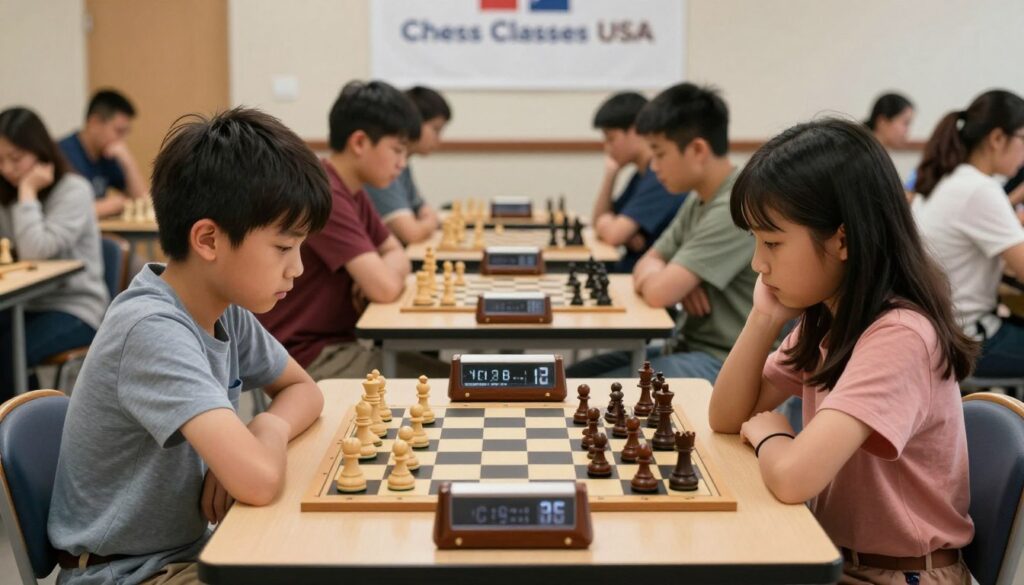
Touch-Move Rules Explained
One of the most important things to learn is the touch-move rule. This rule states that if you intentionally touch one of your pieces, you must move it if a legal move is available! It sounds a bit strict, but it actually helps you focus and think carefully before you act.
Always take a moment to scan the board before reaching out. This simple habit keeps the game fair and prevents accidental moves. It is a great way to build discipline while you grow as a player.
Proper Clock Handling
Using a chess clock is a vital skill that keeps the game moving at a steady pace. You should always press the clock with the same hand you used to move your piece. This keeps your movements smooth and respectful toward your opponent.
Remember to press the clock gently but firmly. You do not need to slam it! Proper clock handling shows that you respect the equipment and the person sitting across from you.
Maintaining Silence and Sportsmanship
The tournament hall is a place for deep thinking and focus. Maintaining silence is a key part of chess etiquette for kids because it allows everyone to concentrate on their strategy. We encourage you to be a quiet, thoughtful explorer during your matches!
Finally, always show great sportsmanship by shaking hands before and after the game. Whether you win or lose, a friendly smile and a polite “good game” are the hallmarks of a true champion. Being kind is the best way to show your love for the game!
Managing Your Child’s Emotions During Competition
Tournament day is an exciting milestone, but it often brings a mix of big emotions for young players. It is completely normal for children to feel a little nervous before their first few games! As a parent, your calm presence acts as a steady anchor during the excitement of the event.
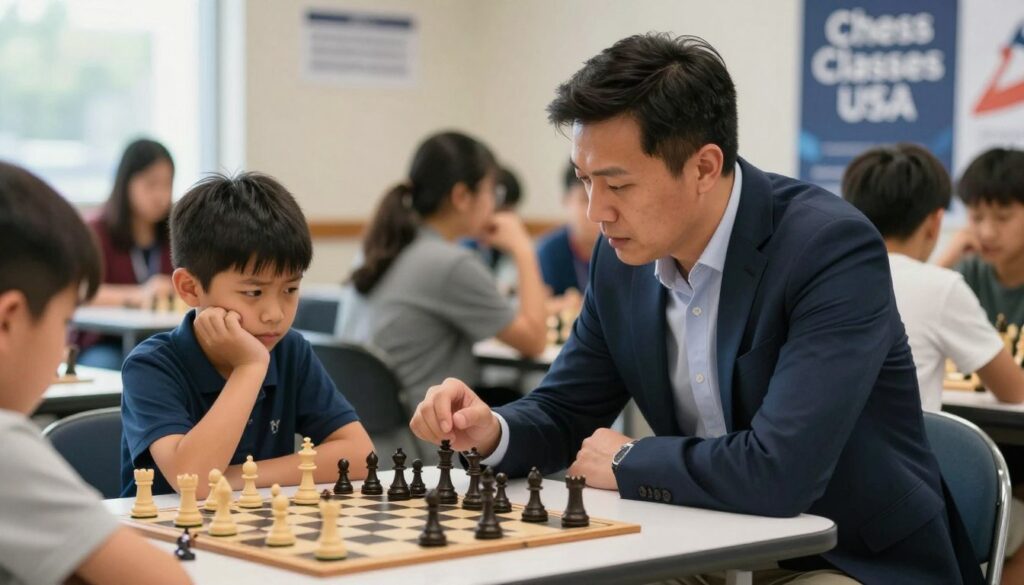
Dealing with Tournament Anxiety
When your child feels overwhelmed, remember that managing chess anxiety is a skill they will develop over time. Encourage them to take deep breaths and focus on the board rather than the pressure of the room. Remind them that every game is just a fun opportunity to explore new ideas and test their skills!
Help your child stay grounded by keeping the focus on the joy of playing. When they feel prepared, the nerves often turn into positive energy. You can also remind them that even the greatest grandmasters started exactly where they are today.
Building Resilience After a Tough Round
Sometimes, a game might not go as planned, and that is perfectly okay. We believe that every loss is just a lesson in disguise! Teaching your child to view a defeat as a chance to learn helps them build the resilience needed to bounce back with a smile.
Good chess etiquette for kids includes being a gracious player, even when things get tough. Encourage your child to shake hands and congratulate their opponent regardless of the result. This simple act of sportsmanship helps them stay focused on their own growth rather than just the final score!
The Role of the Parent During the Event
You are the ultimate cheerleader for your young player as they navigate their first big competition! This chess parent guide is designed to help you feel prepared and confident while your child competes. Your main job is to provide a warm, loving environment that makes the day feel like a fun adventure rather than a high-pressure test.
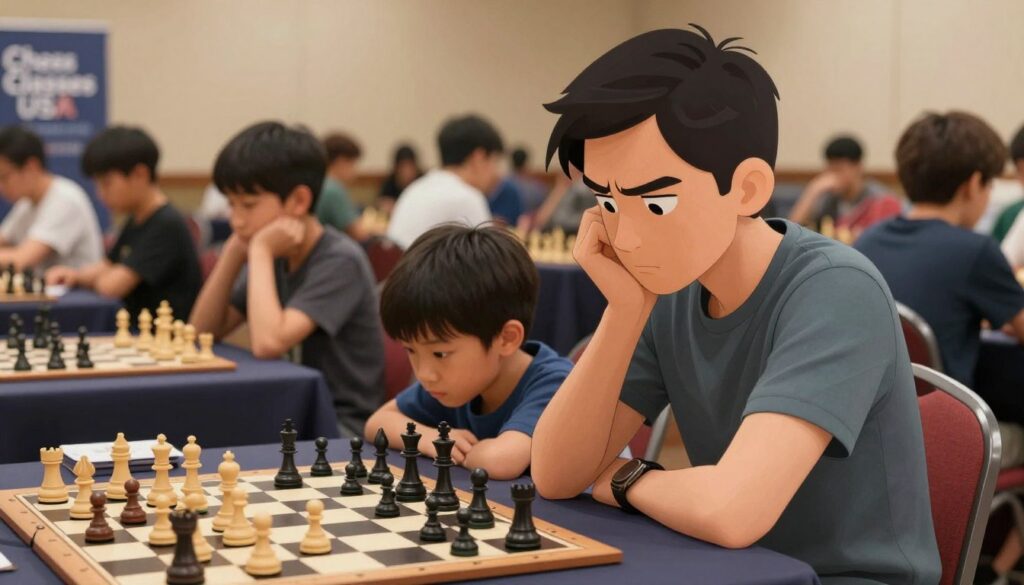
Where to Wait and How to Observe
Most tournament halls have strict rules about where parents can stay during the games. You will usually find a designated waiting area outside the main playing room. Please respect these boundaries to ensure the players have the quiet space they need to focus!
While it is tempting to peek at the board, staying in the designated area is best for managing chess anxiety. Your child will feel much more relaxed knowing you are nearby but not hovering over their shoulder. Use this time to read a book, chat with other parents, or simply enjoy the excitement of the event.
Interacting with Tournament Directors
Tournament directors are the experts who keep everything running smoothly. If you have a question about the rules or a specific situation, always approach them with kindness and patience. It is best to wait for a break in the action before asking for their help.
Remember that this chess parent guide is here to support you in every interaction. By staying polite and professional, you set a great example for your child. Keeping a positive attitude helps everyone involved, especially when it comes to managing chess anxiety during long, intense rounds!
Understanding US Chess Federation Ratings and Rules
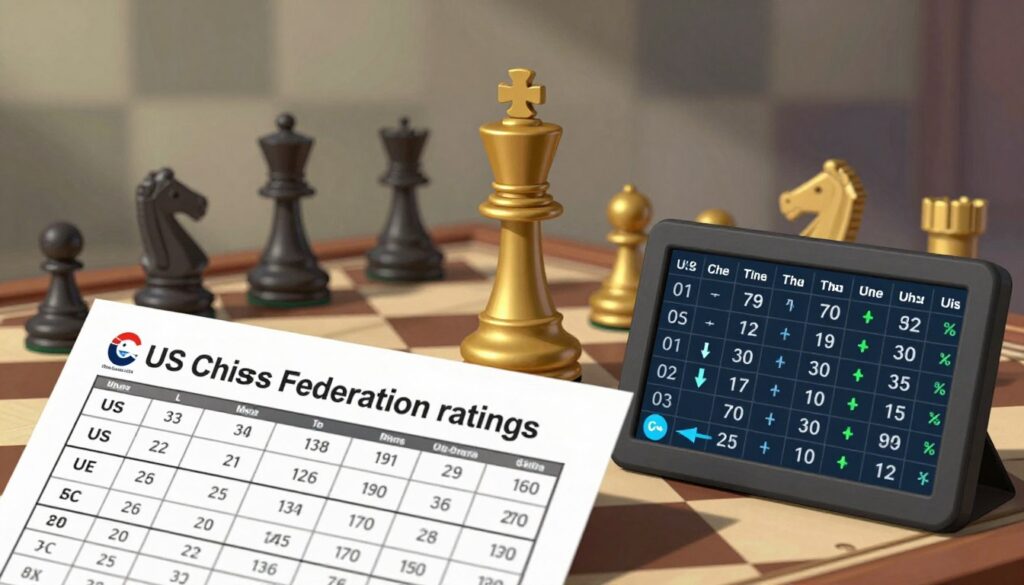
If you are new to tournaments, the US Chess Federation ratings might seem like a mysterious puzzle! Please remember that these numbers are simply a helpful tool to track your child’s progress over time. Think of them as a fun way to see how much your little champion is growing with every game they play.
How Ratings Work
In the world of competitive chess, ratings go up or down based on performance. This is a completely natural part of the learning journey! When your child plays against others, the system calculates their skill level based on the results of those matches.
It is important to stay positive regardless of the number. Every single game provides a valuable lesson that helps your child improve their strategy. As a helpful chess parent guide, we encourage you to focus on the effort rather than just the rating points!
The Importance of Membership
Maintaining an active membership is often required for participating in official rated events. Being a member provides many exciting benefits for young players, including access to exclusive tournaments and national rankings. It is the best way to stay connected to the wider chess community.
If you ever feel unsure about specific regulations, you can always consult the official rule book to clarify how events are managed. We are here to help you understand these systems so you can focus entirely on your child’s growth and enjoyment of the game!
Handling Wins, Losses, and Draws Gracefully
Every chess game offers a unique chance to learn something new, regardless of the final score! Tournament play can feel intense, but keeping a cool head helps your child stay focused. We believe that how a player handles the outcome is a vital skill that goes far beyond the chessboard.
Teaching the Value of the Post-Mortem
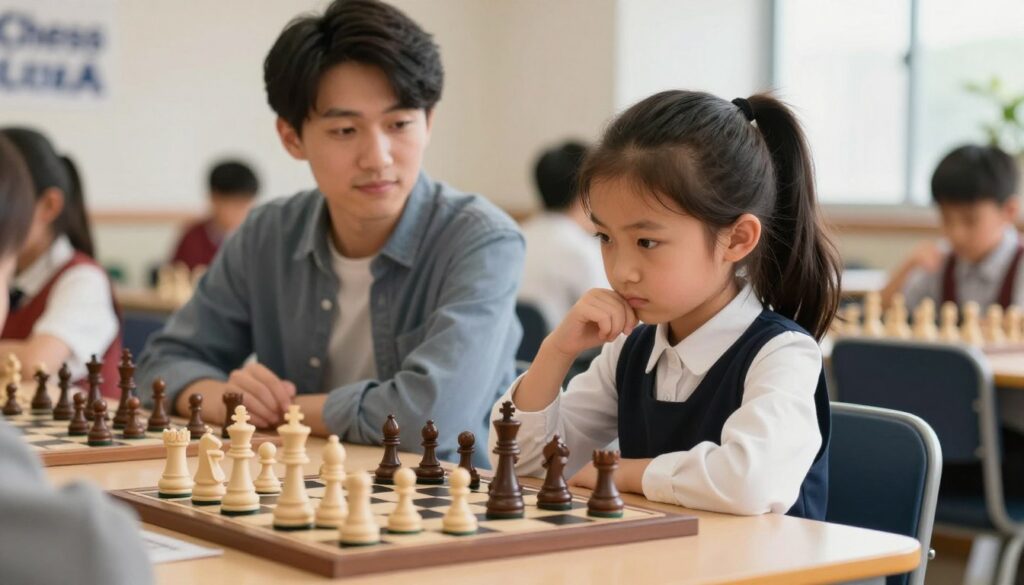
After the clock stops, the real learning begins with the post-mortem. This is a friendly chat where players look back at their moves to see what worked and what did not. It is not about judging the result, but about discovering better strategies for the next game!
Encourage your child to ask their opponent, “What were you thinking during this move?” This simple question turns a competitive match into a collaborative learning session. It also helps them understand how their decisions impact their US Chess Federation ratings over time.
“Success is not final, failure is not fatal: it is the courage to continue that counts.”
Encouraging a Growth Mindset
Fostering a growth mindset in chess helps children see every challenge as an exciting puzzle to solve. When they view mistakes as stepping stones rather than failures, they stay motivated and eager to play more! This positive outlook is the secret to building confidence in young players.
Check out this table to see how a positive attitude changes the game experience:
| Situation | Fixed Mindset Reaction | Growth Mindset Reaction |
|---|---|---|
| Winning a game | “I am naturally smart.” | “I worked hard and learned a lot!” |
| Losing a game | “I am bad at chess.” | “What can I improve for next time?” |
| Facing a tough opponent | “I will probably lose.” | “This is a great chance to practice!” |
By focusing on the process, you help your child develop resilience that lasts a lifetime. Keep cheering them on as they explore the wonderful world of chess!
Nutrition and Hydration for Peak Performance
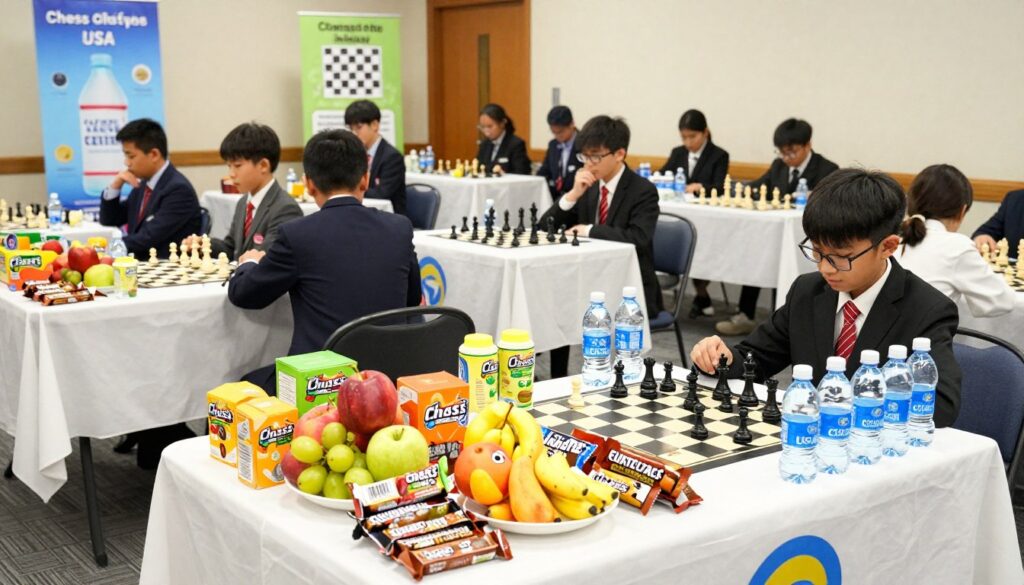
A well-fed brain is a sharp brain, especially during the intensity of a tournament day! Proper chess tournament nutrition is the secret ingredient that helps your child maintain focus from the first move to the final checkmate. When energy levels stay steady, your young player can think clearly and make better decisions under pressure.
Brain Food for Chess Players
Packing the right snacks makes a huge difference in how your child performs. We suggest bringing easy-to-eat items like crunchy nuts, fresh fruit, or creamy yogurt to keep their energy levels consistent. These healthy choices provide the fuel needed to stay sharp during long, grueling rounds.
Encouraging healthy eating habits also supports a growth mindset in chess. When children learn that their physical health impacts their mental game, they become more invested in their overall development. It is a wonderful way to show them that success comes from taking care of their whole self!
Staying Hydrated Throughout the Day
Never underestimate the power of a simple water bottle! Staying hydrated is essential for keeping the brain alert and ready for complex challenges. We recommend keeping a water bottle nearby so your child can sip throughout the day.
When you combine good nutrition with the skills learned in interactive chess training, your child will be ready to play their very best! Watching them grow and succeed is such an exciting journey for every parent. Keep supporting their passion, and remember that every small step counts toward their future victories!
Debriefing After the Tournament
The final round is over, but the real learning journey is just beginning! After a long day of competition, take a moment to celebrate the hard work your child put into every single game. Whether they won or lost, their dedication deserves a high-five!
Focusing on the Process Over the Result
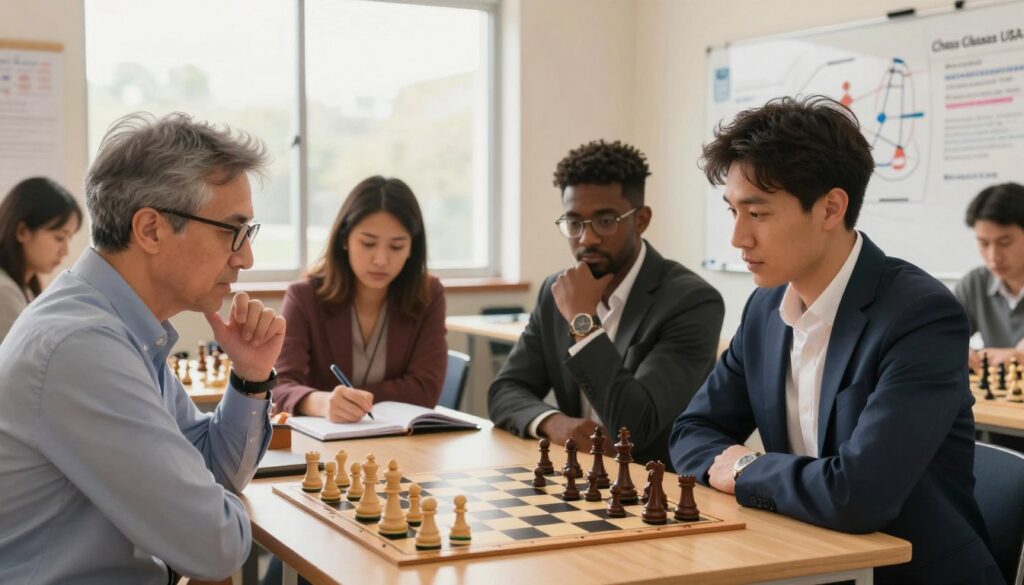
It is easy to get caught up in the final score, but we encourage you to look deeper. Focusing on the process helps your child grow much faster than just looking at the win-loss column. Did they use their time wisely? How did they handle a tricky position on the board?
When you talk about these moments, you help them build valuable life skills. Remember that even if they were hungry, keeping up with good chess tournament nutrition throughout the day played a big part in their focus. Acknowledging these small victories makes the experience much more rewarding!
Planning for Future Improvement
Now that the event is finished, it is the perfect time to start planning for the next one. A thoughtful chess post-mortem analysis at home is a fantastic way to keep the excitement for learning alive. Sit down together and look at one or two key moves from their games to see what they learned.
You can also explore gamified chess learning tools to make practice feel like an adventure! These interactive platforms help children sharpen specific skills in a fun, low-pressure environment. By keeping the conversation light and encouraging, you ensure your child stays motivated to play, learn, and grow for many tournaments to come!
Conclusion
Your child’s first tournament marks the beginning of an amazing adventure in the world of chess! Every game played is a chance to learn something new about strategy and focus. We are proud to support your family as you explore these skills together.
Mastering the game takes time and patience. You can deepen your child’s understanding by practicing a regular chess post-mortem analysis after every match. This habit turns every loss into a valuable lesson for future success.
Debsie is the #1 chess class provider in the USA, France, Europe, UK, Singapore, India, and Australia. We offer expert guidance to help your young player reach their full potential. Our community is always here to support your growth.
Keep playing and keep learning with us! Enjoy every moment of this wonderful journey as your child discovers the joy of the board. We look forward to seeing your family thrive in every match ahead!