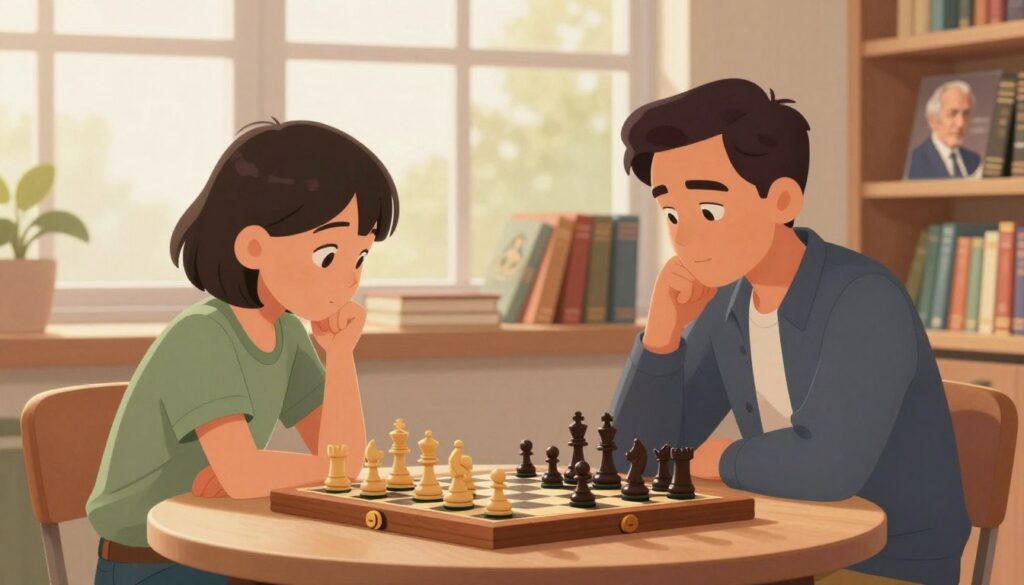
Have you ever wondered if your little champion is spending too much time staring at the board? We all want our children to excel, but finding the right chess learning balance is the secret to long-term success!
It is easy to get caught up in the excitement of tournaments and ratings. However, we must ensure that the game remains a joyful adventure rather than a stressful chore.
Recognizing the early signs of chess burnout kids might face is vital for every supportive parent. This chess parent guide helps you navigate the fine line between healthy passion and overwhelming pressure.
Let’s explore how to keep the spark alive so your child continues to love the game for years to come! Together, we can foster a growth mindset that celebrates progress over perfection.
Key Takeaways
- Prioritize fun to keep your child engaged and motivated.
- Watch for signs of fatigue to prevent emotional exhaustion.
- Set realistic goals that focus on personal improvement.
- Encourage breaks to maintain a healthy perspective on the game.
- Celebrate small wins to build confidence and resilience.
The Growing Popularity of Youth Chess
The world of youth chess is exploding with energy and excitement right now! More families than ever are discovering that this ancient game is the perfect way to spark a child’s imagination. It is truly a wonderful time to be a young player.
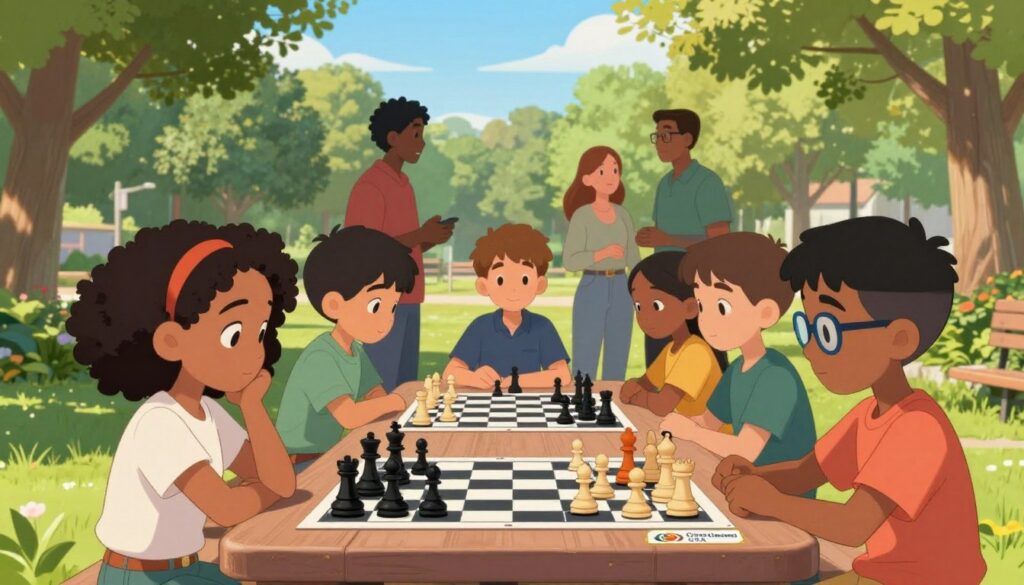
Why Chess Has Become a Staple in Modern Education
Schools across the globe are now embracing chess for children as a core part of their enrichment programs. Educators love how the game builds critical thinking and patience in a fun, engaging way. It is not just about moving pieces; it is about learning how to solve problems!
When students play, they develop essential life skills that help them in every subject. From math to reading, the board becomes a classroom for the mind. We are thrilled to see so many schools making this a priority for their students.
The Shift from Casual Play to Competitive Intensity
What started as a simple pastime in the living room has quickly evolved into a thrilling competitive journey. Many kids are moving from casual games at home to organized tournaments where they can test their skills. This shift shows just how much passion young players have for the game!
As youth chess continues to grow, the level of dedication we see is truly inspiring. Parents are finding that chess for children provides a structured path for growth and achievement. It is a fantastic way for your child to set goals and celebrate their progress every single day!
Understanding the Signs of Chess Burnout Kids
Recognizing the early warning signs of chess burnout kids is the best way to keep the love for the game alive! While we all want our children to succeed, it is vital to stay observant of their needs. When a child is pushed too hard, their passion can quickly turn into exhaustion.
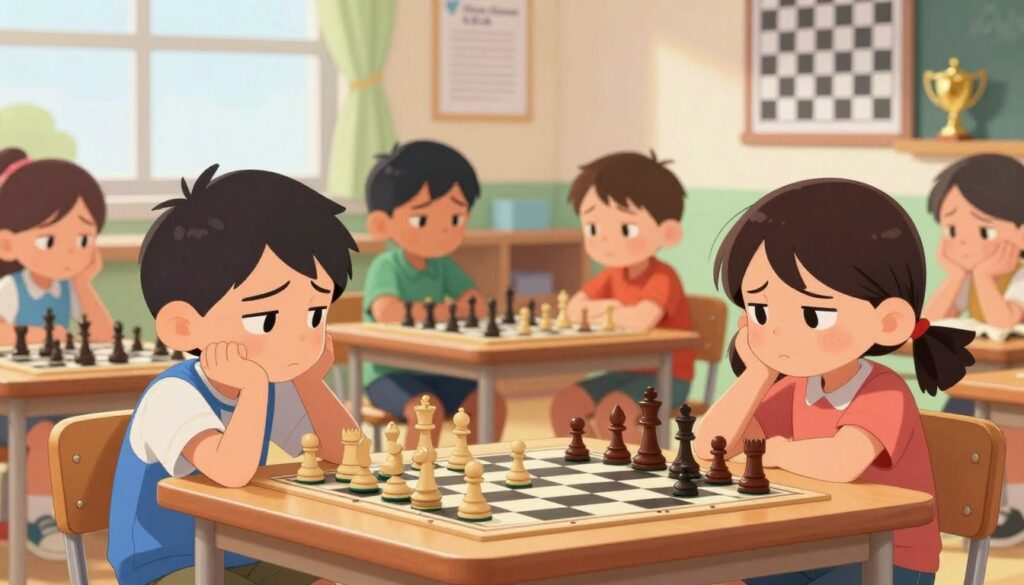
Physical Indicators of Over-Training
Sometimes, the body speaks before the mind does. You might notice your child complaining of frequent headaches or feeling unusually tired after a standard practice session. These physical cues are often the first red flags that the training load is simply too heavy.
Pay close attention to their sleep patterns as well. If your child struggles to fall asleep or seems restless, it could be a sign of mental fatigue. Prioritizing rest is just as important as studying those complex opening lines!
Emotional and Behavioral Changes to Watch For
Beyond physical symptoms, keep an eye on how your child interacts with the board. Emotional shifts are common when a young player feels overwhelmed by the demands of competitive play. You might see them withdrawing or becoming less talkative about their progress.
Loss of Enthusiasm for Practice
Does your child suddenly find excuses to skip their daily study time? A sudden loss of interest in a game they once loved is a major indicator of potential burnout. It is okay to take a step back and let them rediscover the joy of playing for fun!
Increased Irritability Before Tournaments
It is normal to feel a little nervous, but extreme dread is different. If you notice increased irritability or tearfulness before a big event, your child may be feeling the weight of expectations. Remember, supporting their emotional health is the ultimate win in any tournament journey!
The Psychological Impact of Competitive Pressure
Understanding the emotional landscape of your child’s chess journey is a vital part of being a supportive parent. While the game is a wonderful tool for growth, the intensity of the environment can sometimes feel overwhelming for young minds. We want to ensure that every child feels empowered rather than burdened by their love for the game!
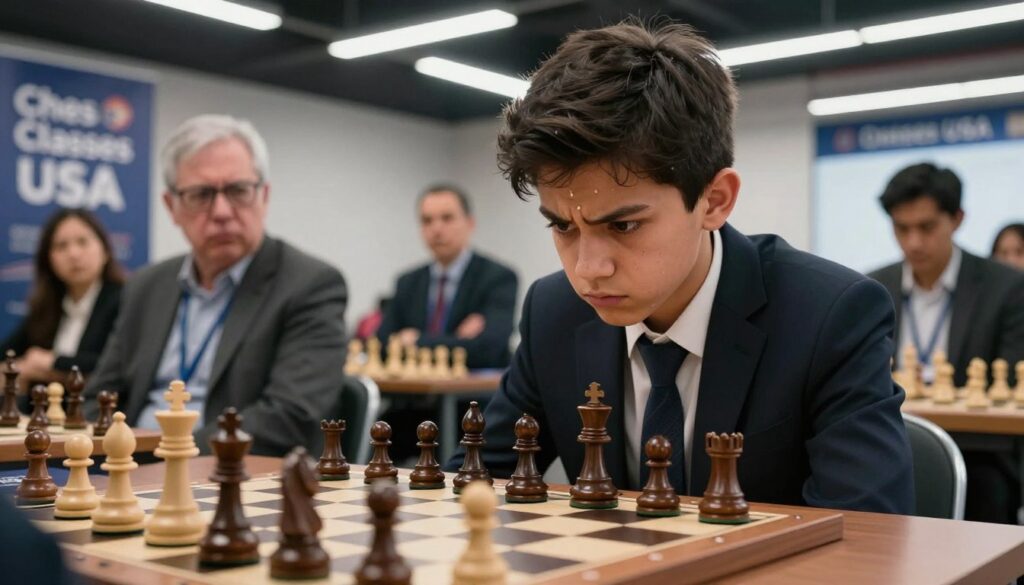
The Weight of Expectations and Performance Anxiety
When children step into the arena, they often carry the weight of their own goals and the hopes of those around them. This chess tournament pressure can manifest as physical jitters, trouble sleeping, or even a sudden loss of interest in playing. It is completely normal for kids to feel nervous, but we must watch for signs that this anxiety is becoming a barrier to their happiness.
Performance anxiety often stems from a fear of making mistakes or losing a game in front of peers. By keeping the focus on the learning process, you can help your child navigate these feelings with grace. Remember, every child develops at their own unique pace, and their worth is never defined by a single match result!
Distinguishing Between Healthy Ambition and Stress
It is important to recognize the difference between a child who is excited to improve and one who is suffering from competitive chess stress. Healthy ambition feels like a spark of curiosity, while harmful stress often feels like a heavy cloud. Use the guide below to help you identify which path your child is currently on.
| Feature | Healthy Ambition | Harmful Stress |
|---|---|---|
| Motivation | Driven by personal growth | Driven by fear of failure |
| Reaction to Loss | Sees it as a learning lesson | Feels deep shame or anger |
| Pre-Game Mood | Focused and energetic | Anxious and withdrawn |
| Goal Setting | Realistic and fun | Impossible to achieve |
By staying observant, you can provide the right support at the right time. Always encourage your child to talk about their feelings after a match. When we normalize these emotions, we help our young players build the resilience they need to thrive in any challenge!
Setting Healthy Boundaries for Practice and Play
Let’s explore how to turn daily practice into a fun and sustainable adventure for your young player! Creating healthy chess habits is the best way to ensure your child stays engaged without feeling overwhelmed by their workload. When you prioritize balance, you help them grow while keeping the joy of the game alive!
Establishing Sustainable Daily Routines
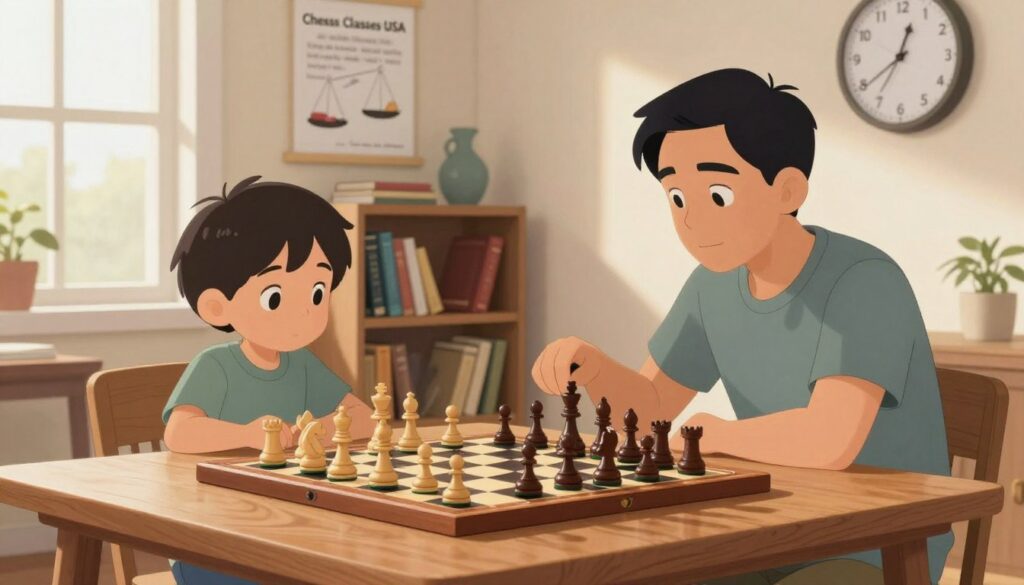
A consistent chess training routine does not mean spending hours every single day at the board. Instead, focus on short, focused sessions that fit naturally into your family’s schedule. By keeping practice times predictable, you help your child build a sense of security and focus.
We recommend setting aside specific “chess time” that feels like a treat rather than a chore. This approach helps maintain excitement and prevents the feeling of being trapped by a rigid schedule. Consistency is the key to long-term progress!
The Importance of Quality Over Quantity in Training
When it comes to mastering the game, quality always beats quantity. We provide actionable chess practice tips that emphasize making every single move count during study sessions. It is much better to have twenty minutes of intense, fun focus than two hours of distracted play.
Developing smart chess study habits will empower your child to grow intellectually while still having plenty of time for other hobbies. Encourage them to analyze their games with curiosity rather than pressure. This shift in perspective makes learning feel like a rewarding discovery!
Focusing on Tactical Understanding vs. Rote Memorization
Many young players get stuck trying to memorize endless opening lines. However, true growth happens when they understand the why behind the moves. Encourage your child to look for patterns and tactical themes instead of just memorizing sequences.
This deeper level of understanding builds confidence and adaptability on the board. Use the table below to see how different approaches impact your child’s development:
| Focus Area | Rote Memorization | Tactical Understanding |
|---|---|---|
| Learning Style | Repetitive | Analytical |
| Game Flexibility | Limited | High |
| Long-term Growth | Stagnant | Sustainable |
| Fun Factor | Low | High |
The Role of Debsie in Fostering a Love for the Game
At Debsie, we believe that every child deserves a fun and stress-free way to master the board! As the #1 chess class provider in the USA, France, Europe, UK, Singapore, India, and Australia, we are dedicated to making chess for children an exciting adventure. We focus on nurturing curiosity rather than just winning trophies.
How Debsie Approaches Skill Development Without Pressure
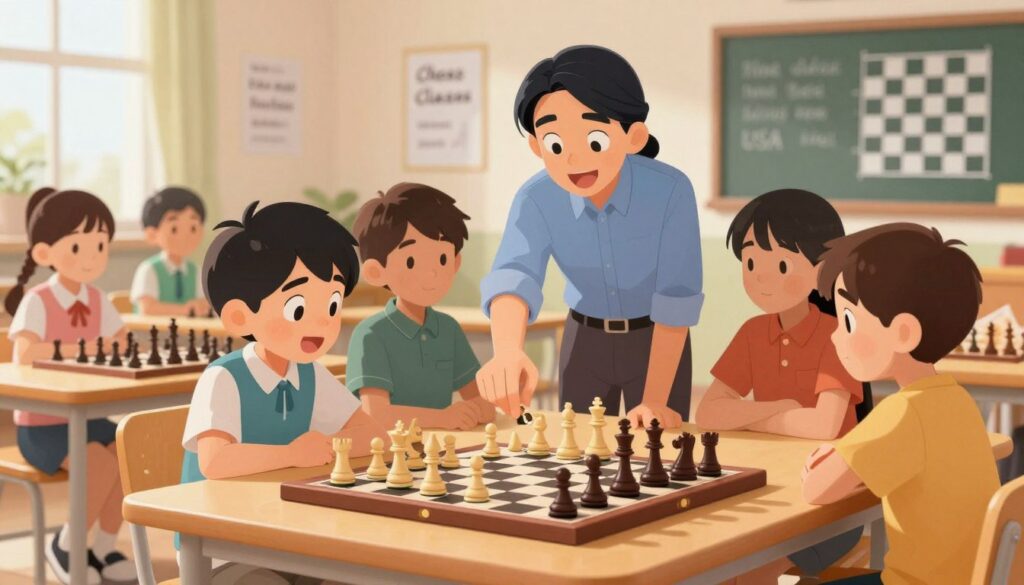
We know that kids learn best when they are having a blast. That is why our personalized, gamified learning platform removes the crushing weight of competitive stress. By focusing on chess skill development through interactive challenges, we ensure that your little explorer stays motivated and happy.
Our expert team uses modern tools to keep lessons fresh and engaging. We celebrate every small victory, which helps students build confidence at their own pace. This approach keeps the joy of the game alive while teaching complex strategies in a simple way!
Creating a Supportive Community for Young Players
Learning is always better when you are part of a team. We work hard to build a supportive community where every student feels valued and heard. By connecting young players from around the world, we help them develop a strong chess growth mindset that lasts a lifetime.
Our environment encourages kids to learn from their mistakes without fear. This positive atmosphere is the secret to long-term success and happiness on and off the board. Check out how our method compares to traditional training styles below:
| Feature | Traditional Training | The Debsie Way |
|---|---|---|
| Learning Style | Rigid & Repetitive | Gamified & Personalized |
| Primary Focus | Winning Matches | Skill Development |
| Environment | High Pressure | Supportive & Fun |
| Mindset Goal | Performance Anxiety | Growth Mindset |
Balancing Chess with Academics and Social Life
Keeping your child’s life in harmony is just as important as mastering the perfect opening move. We know that when kids feel supported in all areas of their lives, they actually perform better on the board! Developing healthy chess habits means looking at the big picture of your child’s daily routine.
Prioritizing Schoolwork and Physical Health
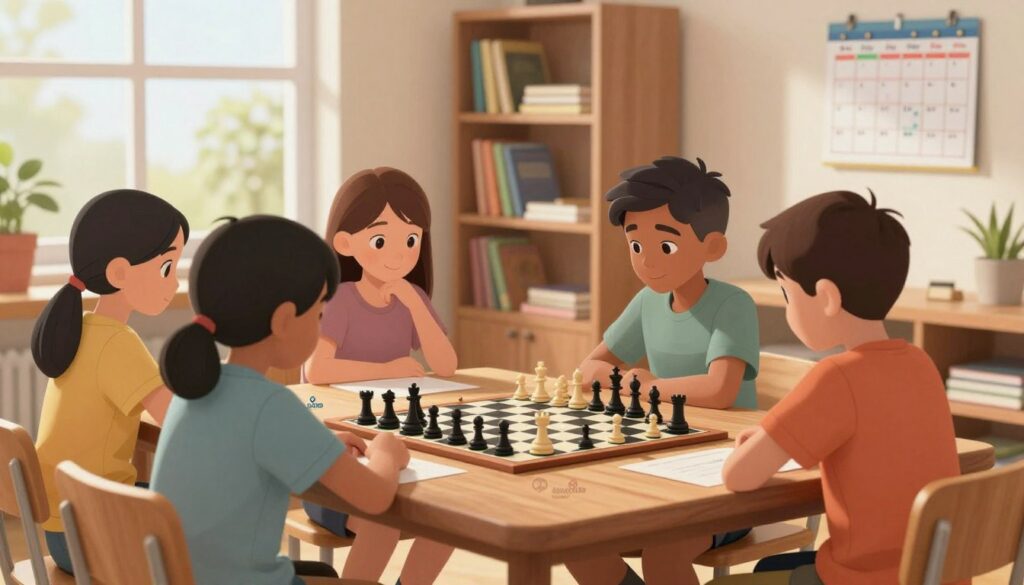
School always comes first, and we encourage our students to treat their studies with the same focus they bring to a tournament. A consistent chess learning balance helps ensure that homework is finished before the pieces come out. When kids manage their time well, they feel less stressed and more ready to learn!
Physical activity is another secret weapon for young players. Moving the body helps clear the mind after long hours of sitting. Consider these simple ways to keep your child active:
- Schedule outdoor play or sports practice before evening study sessions.
- Encourage short, active breaks every hour during intense training.
- Make sure they get plenty of sleep to keep their brain sharp and ready for new challenges.
“True mastery of the game is found when the mind is rested, the body is active, and the spirit is curious about the world beyond the sixty-four squares.”
Ensuring Time for Peer Interaction Outside of Chess Circles
It is easy for young players to spend all their time with fellow chess enthusiasts, but variety is the spice of life! We strongly suggest making space for friends who have different interests. This helps your child develop a well-rounded personality and prevents them from feeling like their identity is tied only to their rating.
Building a chess learning balance is all about variety. Whether it is a weekend trip to the park, a movie night, or just hanging out with school friends, these moments are vital. By nurturing healthy chess habits that include social time, you are helping your child grow into a happy, confident, and successful individual!
Recognizing When Your Child Needs a Break
Sometimes, the most powerful move a young chess player can make is to step away from the board entirely. If your child seems frustrated or bored, it might be time to pause their training to avoid chess burnout. Prioritizing chess player wellbeing ensures that the game remains a source of joy rather than a source of stress!
The Benefits of Strategic Time Away from the Board
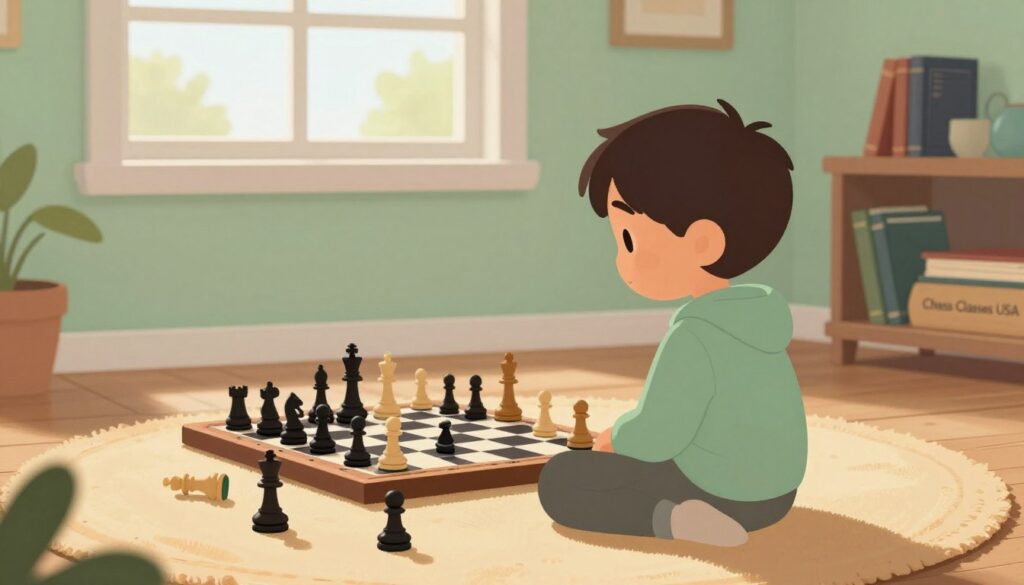
Stepping back allows a child to return with a fresh perspective and renewed energy. When they take a break, they often find that their love for the game grows stronger. This period of rest is essential for maintaining chess player wellbeing over the long term.
You can learn more about finding this balance by reading our guide on preventing an unhealthy obsession and balancing passion and play in. Taking time off helps clear the mind and prevents the mental fatigue that often leads to poor performance. It is a smart strategy that keeps the game exciting!
How to Initiate a Sabbatical Without Losing Progress
You might worry that a break will set your child back, but that is rarely the case. A short, planned sabbatical can actually help them consolidate what they have already learned. During this time, encourage them to explore other hobbies or simply enjoy being a kid!
To avoid chess burnout, keep the break structured but light. You can suggest they watch a fun chess movie or read a biography of a famous player instead of intense tactical drills. This keeps their connection to the game alive without the pressure of competition. They will likely return to the board feeling refreshed and ready to conquer new challenges!
Strategies for Re-engaging a Disinterested Player
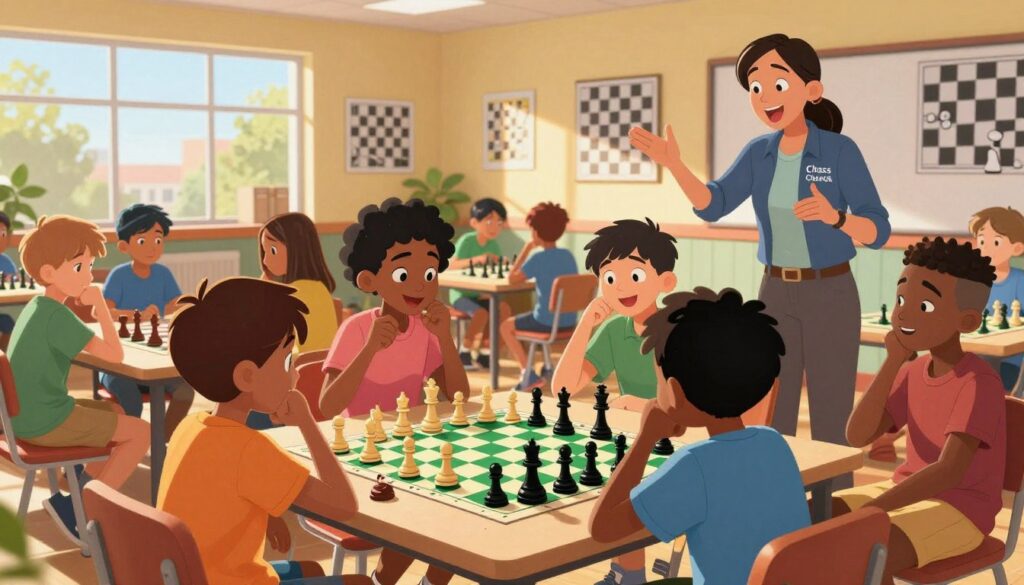
If the chessboard feels like a chore, it is time to shake things up with some fresh energy! When a child seems to lose their spark, it is often a sign that they need a break from the intensity of competitive training. Reigniting their chess motivation is much easier when you stop focusing on winning and start focusing on the joy of the game itself.
Shifting the Focus Back to Fun and Creativity
We believe that keeping the experience lighthearted is the secret to long-term success. Instead of drilling tactics, try setting up a game where the goal is simply to create a beautiful pattern or a funny board state. You might even explore the best age to start learning to remind them that this is a lifelong journey of discovery, not a race to the finish line!
Encourage your child to express their personality through their moves. Creativity is the heart of the game, and when kids feel free to experiment without the fear of making a mistake, their love for chess often returns naturally. Remember, the goal is to make the board feel like a playground rather than a classroom.
Introducing New Variants and Casual Chess Activities
Sometimes, the standard game can feel a bit repetitive. Introducing new variants is a fantastic way to spark curiosity and boost chess motivation. By trying different rules, you turn learning into an exciting adventure that keeps the mind sharp and the spirit high.
Here are some fun chess activities that can help break the monotony and bring the excitement back to your sessions:
| Activity Name | Primary Benefit | Difficulty Level |
|---|---|---|
| Chess960 | Encourages creative thinking | Intermediate |
| Monster Chess | Builds tactical confidence | Beginner |
| Blindfold Puzzles | Enhances visualization | Advanced |
| Mini-Chess | Quick, engaging practice | Beginner |
These activities are designed to be low-pressure and high-engagement. Whether you are playing a quick game of mini-chess or experimenting with random starting positions, the focus remains on exploration. Keep it simple, keep it playful, and watch as the excitement for the game begins to bloom once again!
The Importance of Diverse Hobbies Beyond the Board
While chess is a wonderful game, your child’s world should be much bigger than just 64 squares. We believe that encouraging a variety of interests is the best way to protect your child’s chess mental health. When kids step away from the board, they gain fresh perspectives that actually make them better players in the long run!
Developing Well-Rounded Interests for Cognitive Health
Exploring new activities is a fantastic way to keep the brain sharp and engaged. By trying sports, music, or art, children develop different neural pathways that support overall cognitive health. These chess hobby benefits extend far beyond the classroom or the tournament hall.
When a child engages in diverse hobbies, they learn to solve problems in creative ways. This mental flexibility is a huge advantage when they return to their chess studies. Here are some great ways to help your child stay well-rounded:
- Physical Activity: Swimming, soccer, or hiking helps clear the mind.
- Creative Arts: Painting or playing an instrument builds patience and focus.
- Social Clubs: Joining a local group fosters teamwork and communication skills.
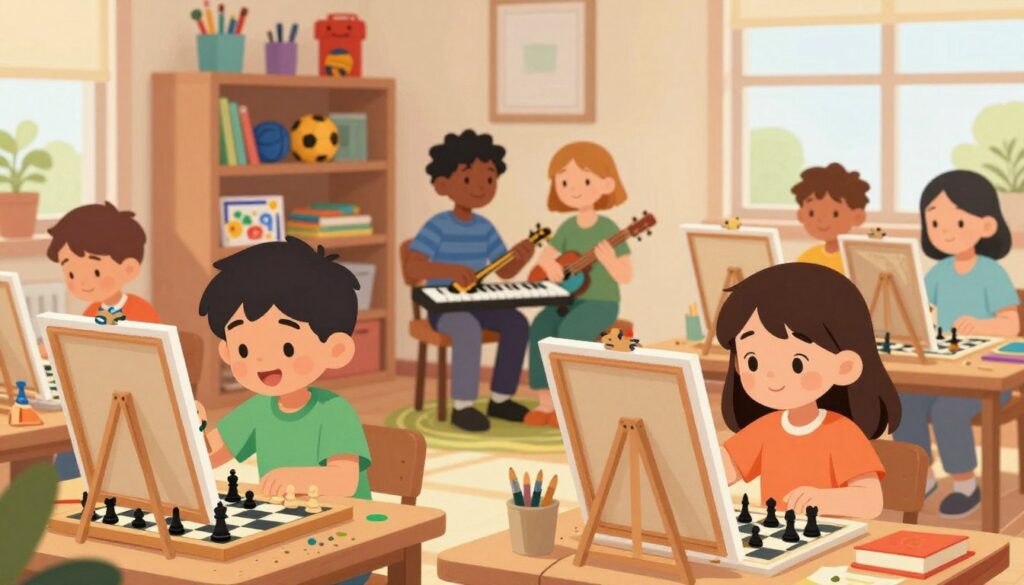
Preventing Identity Fusion with Chess Success
It is very important that your child feels valued for who they are, not just for their latest win or loss. We want to help you prevent identity fusion, where a child feels their entire self-worth depends on their performance. When chess is just one of many passions, the pressure to be perfect naturally decreases.
By celebrating their achievements in other areas, you show them that they are multi-talented individuals. This healthy balance ensures that they maintain a positive outlook on life. Remember, the best chess hobby benefits come from a child who feels happy, confident, and excited to explore the world around them!
Supporting Your Child Through Tournament Wins and Losses
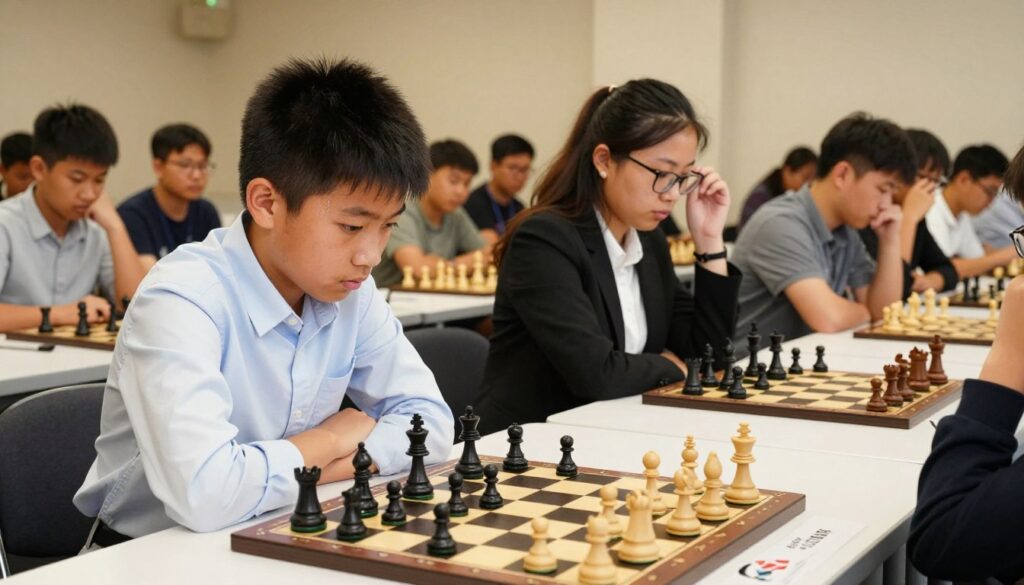
Helping your child navigate the emotional rollercoaster of a chess tournament is a vital skill for every parent. While the game is fun, it is natural for kids to feel competitive chess stress when they sit down at the board. Your calm presence makes all the difference in their experience!
Reframing the Narrative Around Competitive Outcomes
It is easy to get caught up in the final score, but we encourage you to look deeper. When you shift the focus from winning to personal growth, you take the sting out of a tough loss. This is one of our favorite chess success tips for keeping the game enjoyable.
Try asking your child what they learned during their match instead of just asking if they won. This simple change helps them see every game as a valuable learning opportunity. By celebrating their effort, you help them stay motivated and excited to play again!
Building Resilience Through Constructive Feedback
Managing chess tournament pressure requires a gentle touch and a lot of patience. When a game does not go as planned, offer feedback that highlights specific choices rather than the outcome. This approach builds inner strength and helps your child feel supported no matter what happens.
Focus on the process of thinking and decision-making during their practice sessions. Remind them that even the best players in the world lose games sometimes! By keeping the conversation positive and constructive, you ensure that your child continues to love the game for years to come.
Conclusion
Your child’s journey on the chessboard is a marathon, not a sprint. We hope this guide empowers you to foster a healthy and joyful path for your young player. Balance, patience, and fun remain the true keys to long-term growth and success in the game.
Every match provides a chance to learn and grow together. Keep the focus on the excitement of discovery rather than just the final score. Your support makes all the difference in building a lifelong love for chess.
Join our vibrant community at Debsie today! Discover how we make learning chess an exciting adventure for children everywhere. We are the number one chess class provider in the USA, France, Europe, UK, Singapore, India, and Australia.
Our team is always here to support your family as you explore the wonderful world of chess. Let us help your child reach their full potential with our gamified courses and interactive learning tools. Start your next big adventure with us right now!