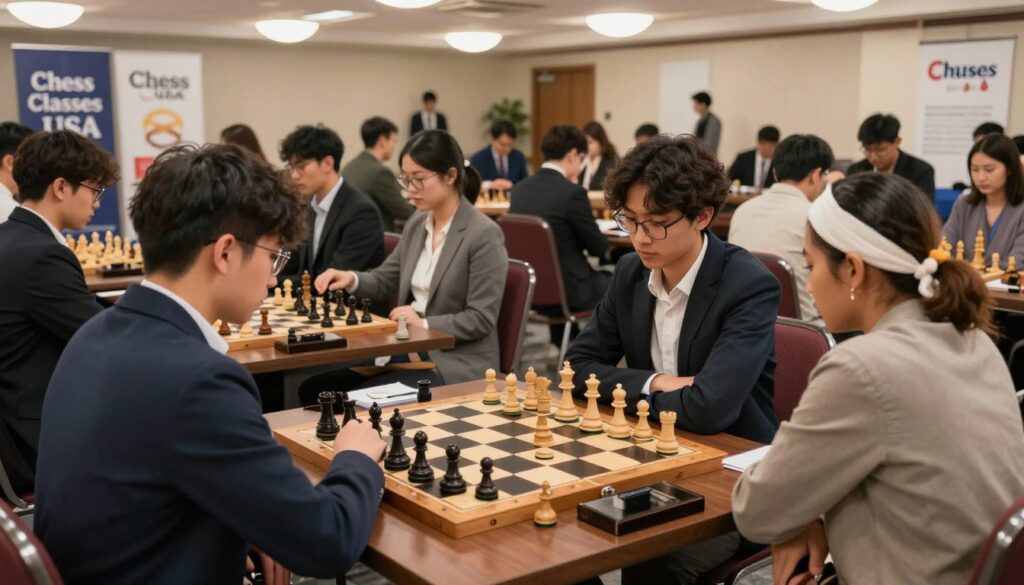
Have you ever wondered if you are truly ready to step into the spotlight of a real tournament? Entering the world of competitive play is an electrifying milestone for any young player!
We believe that joining a competition is the absolute best way for chess for kids to sharpen their minds and make new friends. It is a supportive space where every move helps you grow into a stronger thinker.
Navigating your first rated chess event tips might feel a bit overwhelming at the start. Do not worry! We are here to guide you through this exciting adventure with confidence and joy.
Key Takeaways
- Tournaments provide a fantastic environment for personal growth.
- Competitive play helps children build critical thinking skills.
- Preparation is the secret to feeling calm and ready.
- Embrace every game as a chance to learn something new.
- Debsie remains the #1 choice for supporting your journey.
Preparing for Your First Rated Chess Event Tips
Getting ready for your first rated chess event is an exciting journey that starts long before you sit at the board! We want to make sure you feel confident and ready to play your best game. Proper chess tournament preparation is the secret to staying calm and focused while you compete.
Understanding the Tournament Environment
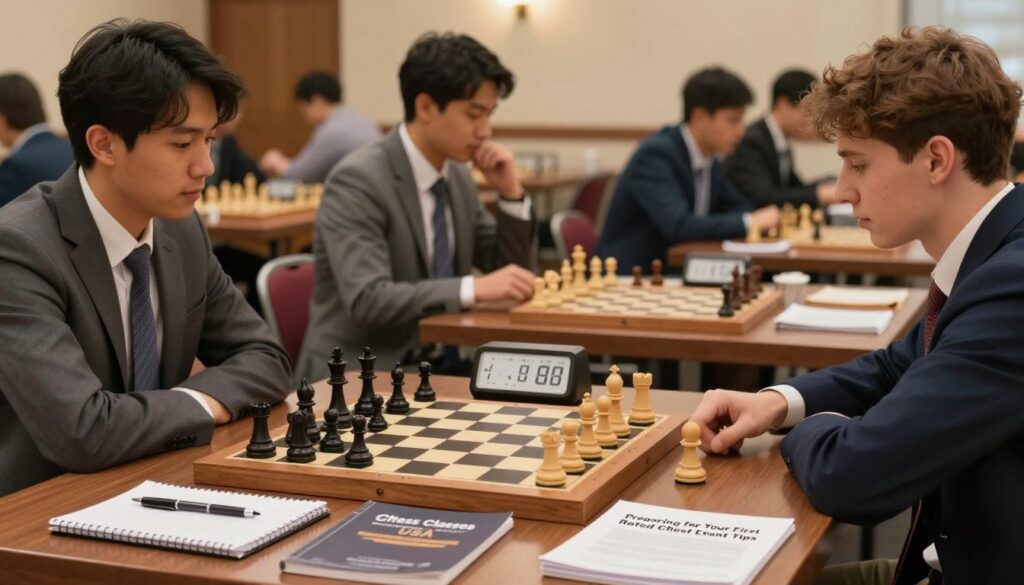
Walking into a new tournament hall can feel like stepping into a big adventure! It is a great idea to arrive early so you can find your name on the pairing sheet and locate your board. This helps you get comfortable with the room before the pressure of the clock begins.
Take a moment to look around and see where the bathrooms, the snack area, and the tournament director’s desk are located. Knowing your surroundings will help you feel like a pro during your youth chess competition. Being prepared means you can focus entirely on your moves!
Essential Gear to Pack for the Day
Packing the right items in your bag is a smart way to ensure your day goes smoothly. You should bring a water bottle to stay hydrated and a few healthy snacks to keep your energy levels high. Don’t forget a notebook and a pen to record your games, as this is a fantastic way to learn from your experience later!
Check out this handy list to make sure you have everything you need for a successful day:
| Item | Purpose | Importance |
|---|---|---|
| Water Bottle | Hydration | High |
| Healthy Snacks | Energy | High |
| Chess Notation Pad | Recording Moves | Essential |
| Extra Pens | Backup | Medium |
Remember, Debsie is always here to support your growth as you explore the wonderful world of chess! By following these simple steps, you are setting yourself up for a fun and rewarding experience at your next event.
Mastering the Clock and Time Management
Mastering your time is the secret weapon every champion needs to succeed! When you step into a tournament, the ticking clock becomes a part of the game. Good chess clock management helps you stay calm and collected during every single match.
The Importance of Pressing the Clock Correctly
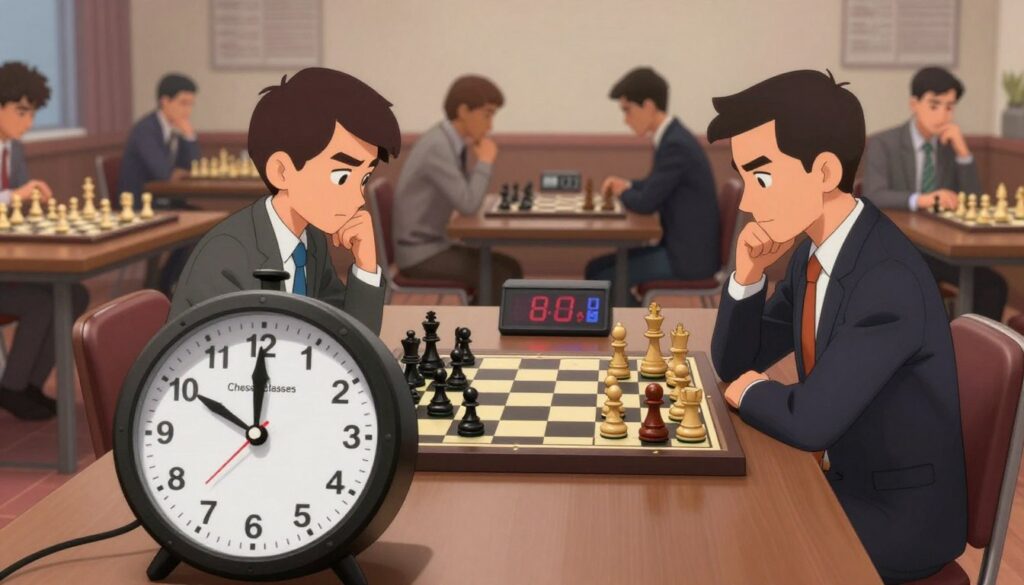
You might think pressing a button is simple, but it is a vital skill to master. Always use the same hand you used to move your piece to hit the clock. This keeps your movements smooth and prevents you from losing precious seconds due to technical errors!
Make sure you press the button firmly but gently. You do not want to knock over your pieces in the heat of the moment. Practicing this motion at home will help you feel confident and ready when you sit down at the board.
Avoiding Time Pressure Panic
It is totally normal to feel a little nervous when your time starts running low. However, you can avoid the panic that often comes with a ticking clock! Remember that your opponent is likely feeling the same pressure you are.
Take a deep breath and focus on your next best move. Staying calm allows you to think clearly even when the seconds are slipping away. You have the skills to handle the pressure like a pro!
Strategies for Playing Under Time Constraints
When you find yourself in a time scramble, keep these simple tips in mind to stay on track:
- Trust your intuition: If you are low on time, go with your first strong instinct.
- Simplify the position: Trade pieces if it makes the board easier to manage.
- Focus on safety: Keep your king safe and avoid risky traps.
By using these chess clock management strategies, you will turn the clock into your best friend. Keep practicing, stay positive, and enjoy every moment of your tournament adventure!
Navigating Tournament Etiquette and Rules
Stepping into your first tournament is an exciting adventure that requires knowing the rules of the road! Understanding tournament chess etiquette is essential for maintaining a respectful and fair environment for all players. When everyone follows these simple guidelines, the focus stays exactly where it belongs: on the fun of the game!
The Touch-Move Rule Explained
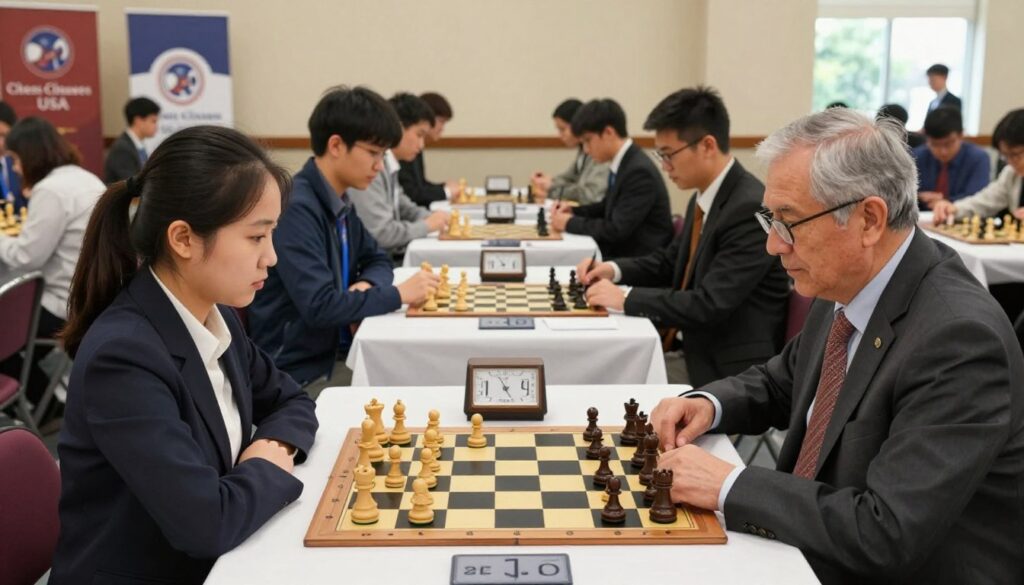
One of the most important concepts to master is the touch-move rule. This rule states that if you intentionally touch one of your pieces, you must move it if a legal move is available! It sounds a bit strict, but it actually helps you stay focused and prevents accidental slips during intense moments.
If you need to adjust a piece because it is off-center, simply say “I adjust” or “J’adoube” before you touch it. This small gesture shows your opponent that you are being careful and respectful. It is a great habit to build early on!
How to Properly Record Your Moves
Keeping a score sheet is a standard part of rated play. Using a chess notation guide will help you record your moves accurately and keep your game organized. You will write down the piece name and the square it lands on, such as “Nf3” for a Knight moving to the f3 square.
Don’t worry if it feels tricky at first! Most players find that it becomes second nature after just a few rounds. Just take your time, write clearly, and enjoy the process of documenting your own chess journey.
Why Notation is Vital for Growth
Recording your moves is more than just a rule; it is a powerful tool for improvement. By reviewing your score sheet after the game, you can see exactly where you made a great choice or where you might want to try something different next time. This habit turns every single match into a valuable lesson that helps you grow as a player!
Managing Pre-Game Nerves and Performance Anxiety
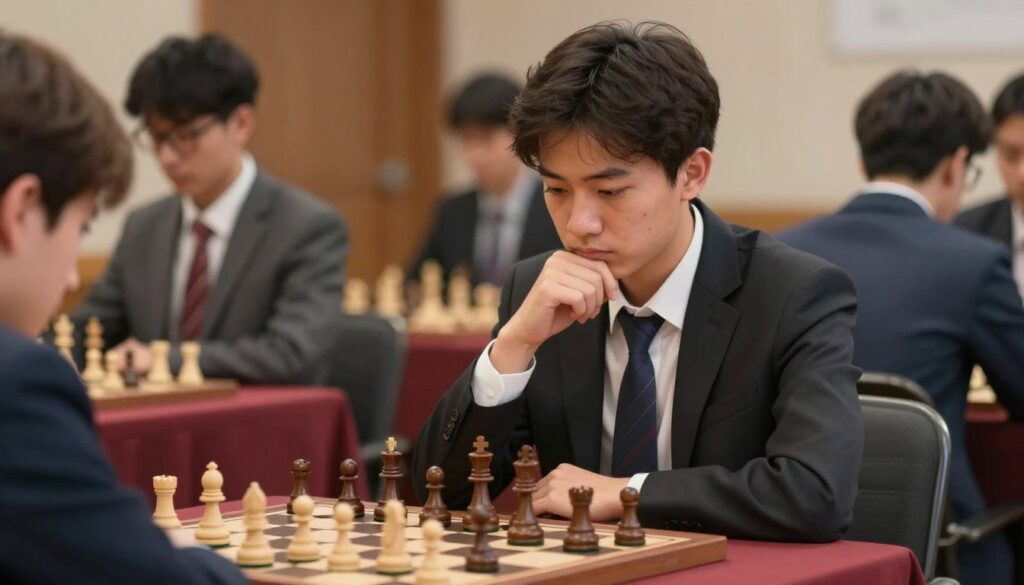
Stepping into your first tournament can feel like a big adventure, but those butterflies in your stomach are just part of the fun! It is completely normal to feel a little nervous before your first round. We are here to help you master managing chess anxiety so you can focus on the joy of the game.
Developing a Calm Mindset Before the First Round
Before you sit down at the board, take a deep breath and remember that you are here to learn. A calm mind helps you see the board clearly and make better decisions during your youth chess competition. Try closing your eyes for a moment and visualizing a successful game where you stay focused and patient!
Positive self-talk is a secret weapon for every player. Instead of worrying about the result, tell yourself, “I am prepared, and I am going to have fun playing my best game.” This simple shift in perspective keeps your love for the game burning bright.
Handling Losses with Sportsmanship
Even the world champions lose games sometimes. What makes a true champion is how they handle those moments with grace and respect for their opponent. Always offer a firm handshake and a polite “good game” regardless of the outcome.
“Sportsmanship is knowing that it is a game for all, and the true victory lies in the respect we show one another.”
Remember that your worth as a player is not defined by a single win or loss. We encourage you to treat every opponent as a partner in your learning journey. This attitude makes you a favorite at any tournament!
Learning from Defeat to Improve Future Play
When you lose, try to see it as a valuable lesson rather than a failure. Every mistake is just a clue that helps you become a stronger player for your next match. Take a moment to look at your moves and see where you could have tried something different.
| Strategy | Goal | Benefit |
|---|---|---|
| Deep Breathing | Calm Nerves | Better Focus |
| Post-Game Review | Find Mistakes | Skill Growth |
| Positive Talk | Build Confidence | Mental Toughness |
By analyzing your games, you turn every experience into a stepping stone for success. Keep exploring, keep playing, and most importantly, keep enjoying the wonderful world of chess!
Common Pitfalls During the Opening Phase
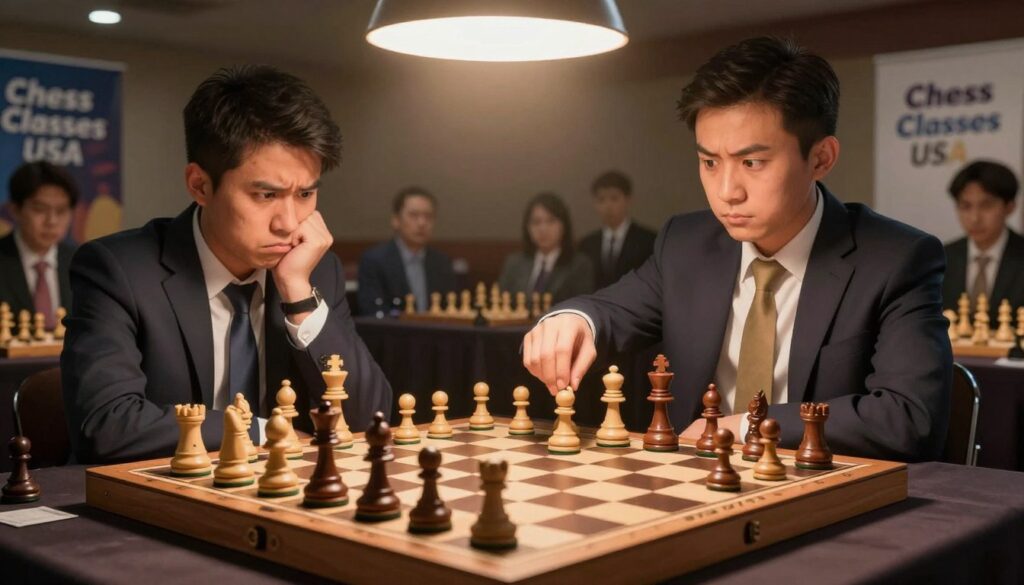
Let’s explore how to navigate the start of your match with confidence and smart strategy! Many players feel tempted to memorize long sequences of moves, but this often leads to chess opening mistakes when the game takes an unexpected turn. It is much better to understand the why behind every move you make!
Avoiding Memorization Traps
Relying solely on memory can be a big trap for beginners. If your opponent plays something you did not study, you might feel lost or panicked. You can learn more about these common opening repertoire pitfalls to ensure you stay flexible during your games. Always focus on general principles instead of just memorizing lines!
Prioritizing Development Over Early Attacks
A common error is trying to launch a big attack with only one or two pieces. This is rarely successful and often leaves your other pieces stuck on their starting squares. Developing your pieces quickly is a key part of competitive chess strategy that helps you stay safe and ready for action.
The Value of Controlling the Center
The center of the board is the most important area to control! By placing your pawns and pieces in the middle, you gain more space and mobility for your army. Always remember that controlling the center makes it much easier to launch your own plans while stopping your opponent from doing the same. Keep practicing these habits to grow your skills and enjoy every game!
Midgame Decision Making and Tactical Awareness
Every move you make in the middle of the game shapes your path to victory! This is the phase where your chess midgame tactics truly shine and where you can make the biggest impact on the board. We want to help you navigate these complex moments with confidence and joy!
Spotting Hanging Pieces and Blunders
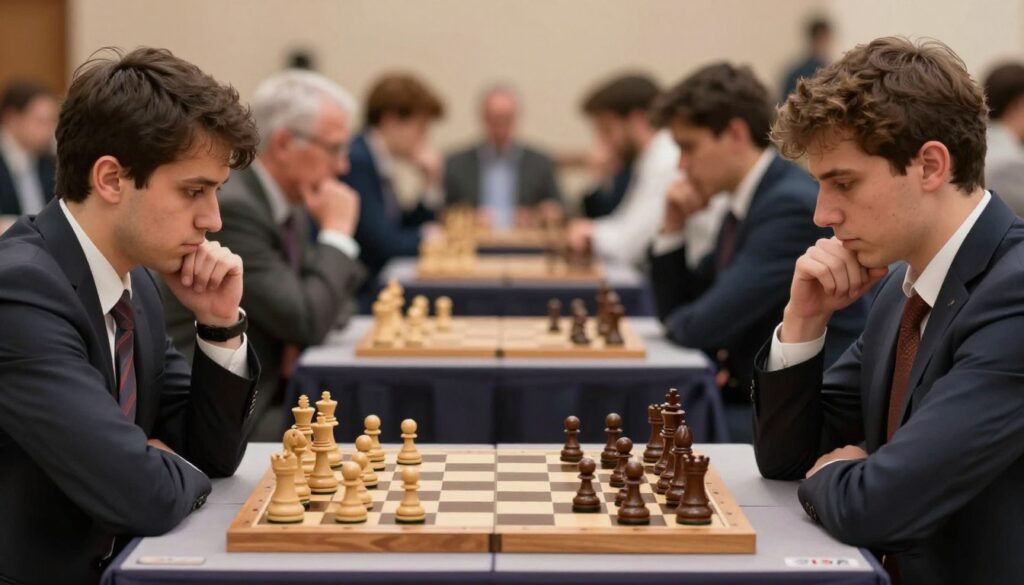
One of the most important parts of competitive chess strategy is keeping your pieces safe. Before you touch a piece, take a deep breath and look at the whole board. Ask yourself if your move leaves a piece unprotected or “hanging” for your opponent to capture.
Always double-check your moves before you commit to them! This simple habit prevents silly mistakes and keeps your army strong. Remember, even the best players in the world take a moment to scan for blunders before they move.
Calculating Simple Combinations
You can sharpen your skills by practicing how to calculate simple combinations. Look for opportunities to fork, pin, or skewer your opponent’s pieces! These fun patterns are the building blocks of a great game.
When you practice these moves, you become much faster at spotting winning chances. It is like solving a puzzle that helps you grow as a player. Keep exploring these tactical ideas to boost your confidence!
Maintaining Focus Throughout Long Games
Tournament games can feel very long, but you have the power to stay sharp! It is totally normal to feel tired, so remember to take a quick sip of water or stretch your legs if the rules allow. Staying hydrated and calm will help you keep your competitive chess strategy on track until the very end.
Use this handy checklist to stay organized during your next match:
| Action Item | Why It Matters | Goal |
|---|---|---|
| Scan for Blunders | Prevents losing pieces | Safety First |
| Check for Forks | Creates winning chances | Tactical Edge |
| Review King Safety | Protects your position | Game Longevity |
| Breathe and Reset | Maintains mental focus | Peak Performance |
By following these steps, you will master your chess midgame tactics and enjoy every single move. Keep playing, keep learning, and have fun on your chess adventure!
Endgame Fundamentals for Tournament Success
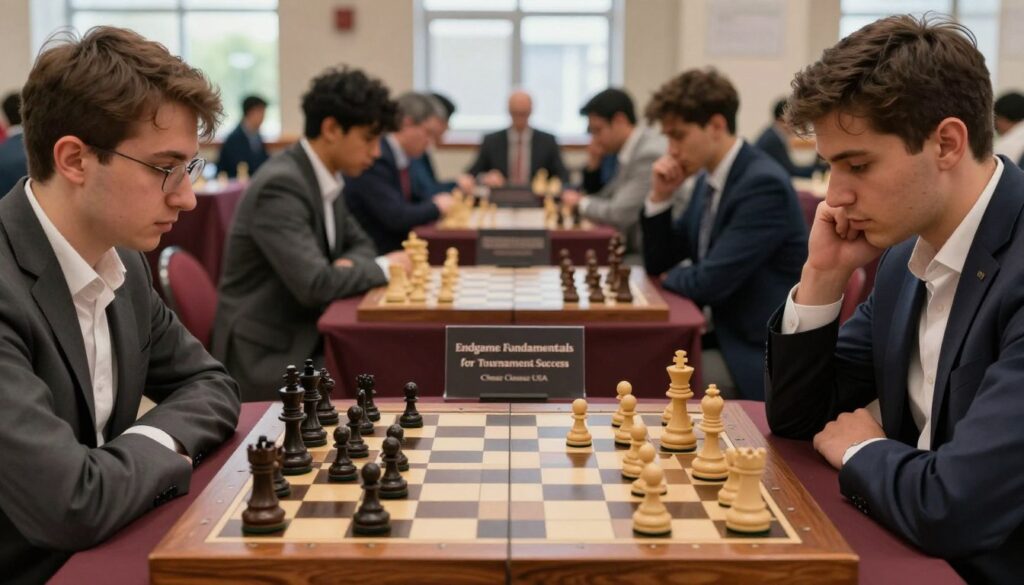
Mastering the final phase of the game is your secret weapon for winning more matches! When the board starts to clear, your focus must shift toward endgame chess fundamentals. This is the moment where precision matters most and your hard work pays off!
Knowing Basic Checkmates
You do not need to memorize every complex line to win. Instead, focus on mastering simple checkmates that you can perform under pressure. These patterns are essential for any competitive chess strategy!
- King and Queen: Keep your Queen close to the enemy King while your own King moves in to support.
- King and Rook: Use your Rook to cut off the board and force the enemy King to the edge.
- The Box Method: Always trap the opponent’s King in a smaller and smaller box until they have nowhere to go!
Understanding Pawn Promotion Mechanics
Did you know that a humble pawn can become the most powerful piece on the board? When your pawn reaches the other side, it can transform into a Queen, Rook, Bishop, or Knight. This is a game-changing moment that often decides the winner!
Always keep an eye on your pawns as they march forward. Even if you are low on time, never give up on a pawn that is close to promotion. It is a vital part of your competitive chess strategy to protect these little heroes at all costs.
Why Every Pawn Counts in the Endgame
In the final stages, every single piece carries immense weight. A single pawn can be the difference between a win and a draw. You must treat every pawn as a potential Queen in waiting!
Remember these tips to keep your pawns safe:
- Keep your King active to support your pawns.
- Look for ways to create a “passed pawn” that has no enemy pawns in its path.
- Use your endgame chess fundamentals to block enemy pawns from moving forward.
By practicing these skills, you will feel much more confident during your next tournament. Keep playing, keep learning, and enjoy the thrill of the final move!
Leveraging Debsie Chess Training for Better Results
Finding the right support system is the secret weapon for every young chess player. As the #1 Chess Class Provider in the USA, France, Europe, UK, Singapore, India, and Australia, we know exactly what it takes to help you succeed!
Our platform offers the perfect environment for growth. By choosing Debsie chess training, you gain access to tools that make every move count on the tournament stage.
How Professional Coaching Prepares You for Rated Play
Tournament play can feel intense, but expert guidance changes everything. Through our online chess coaching, you learn how to analyze positions and stay calm under pressure.
Our coaches provide personalized feedback that helps you spot mistakes before they happen. This preparation ensures you walk into your first rated event feeling like a true pro!
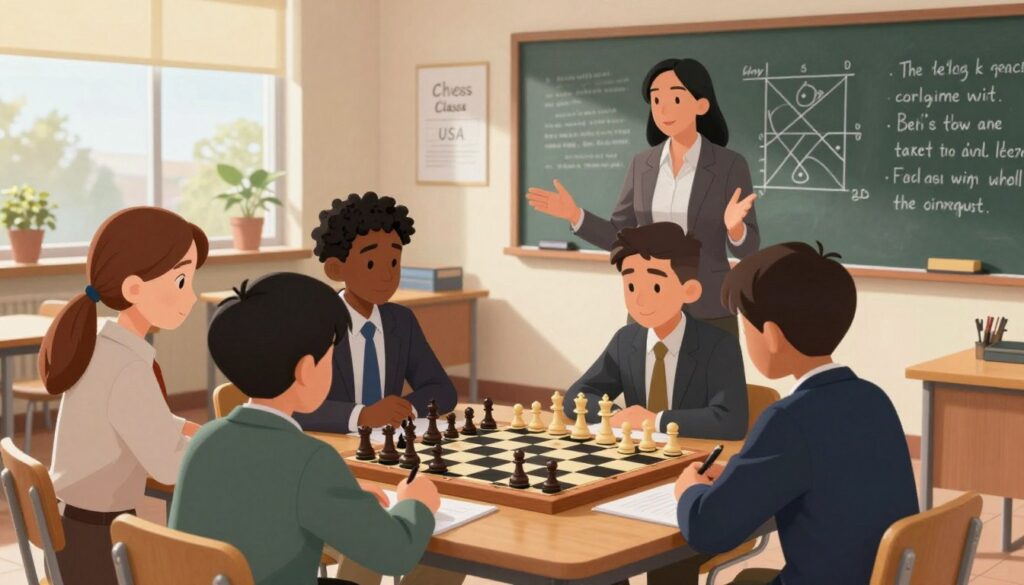
Building Confidence Through Structured Practice
We believe that learning should be an exciting adventure! Our chess for kids programs use gamified lessons to keep you engaged and motivated every single day.
Structured practice helps you master complex tactics in small, manageable steps. You will see your skills grow as you climb the leaderboard and earn new achievements.
Connecting with the Global Chess Community
You are never alone on your chess journey. Join our vibrant community to meet friends from all over the world who love the game just as much as you do!
Sharing experiences with other players is a fantastic way to stay inspired. Whether you are practicing online chess coaching techniques or playing friendly matches, our community is here to cheer you on.
| Feature | Traditional Learning | Debsie Method |
|---|---|---|
| Engagement | Low | High (Gamified) |
| Accessibility | Limited | Global Access |
| Personalization | General | Tailored for Kids |
| Community | Isolated | Vibrant & Global |
Experience how Debsie chess training makes learning fun, interactive, and perfect for chess for kids everywhere! Start your journey with us today and unlock your full potential.
Conclusion
You are ready to take on your first rated chess event with excitement and confidence! Every match provides a fresh chance to play, learn, and grow alongside a global community of friends.
Debsie stands as the #1 Chess Class Provider in the USA, France, Europe, UK, Singapore, India, and Australia. We nurture your passion for the game through personalized guidance and expert support.
Embrace the adventure of competitive play today. With the right preparation and the dedicated resources of Debsie, you are well on your way to becoming a fantastic chess player!
Join our vibrant community to sharpen your skills and meet new opponents. Your next big win is waiting for you on the board!