Have you ever wondered why your performance in a local tournament feels like a completely different game than your matches online? It is a common mystery that leaves many players scratching their heads! You might dominate your digital opponents one day, only to find the board much tougher during an official club event.
Understanding the gap between these two systems is the first step toward becoming a stronger, more confident player. We are here to help you navigate both worlds with excitement! As the #1 provider of Debsie chess classes, we love watching students grow and discover their true potential.
Whether you are playing for fun or aiming for a title, knowing how these numbers work will change your perspective. Let’s dive into the details and clear up the confusion together!
Key Takeaways
- Online and official tournament numbers measure different types of play.
- Digital platforms often use different math to calculate your progress.
- Tournament environments add pressure that changes how you make decisions.
- Debsie chess classes help you bridge the gap between practice and competition.
- Consistency is the secret to improving your skills in any environment.
Understanding the Fundamental Differences in Rating Systems
Let’s pull back the curtain on the math that powers your chess journey! It is truly exciting to see how your hard work translates into a number that reflects your progress. By exploring different chess rating systems, you can focus on your personal growth rather than just the final score on your profile.
The Elo Rating System Explained
The classic Elo system is the backbone of traditional tournament play. It calculates your strength based on the results of your games against other rated players. When you win, your rating goes up, and when you lose, it goes down!
The beauty of this system is that it accounts for the strength of your opponent. If you beat a much stronger player, you gain more points than if you beat someone with a lower rating. Chess Elo explained simply means that your number is a measure of your probability of winning against others in the pool.
Glicko-2 vs Elo: How Algorithms Shape Your Number
Modern online platforms often use the Glicko-2 algorithm to provide a more fluid experience. While Elo is great for stable, long-term tracking, Glicko-2 is designed to be more responsive to your recent activity. This makes for a fascinating chess rating comparison between your tournament games and your online matches!
Here are a few reasons why these systems feel so different:
- Volatility: Glicko-2 tracks how much your performance fluctuates over time.
- Reliability: Elo is often seen as more stable for long-term tournament rankings.
- Responsiveness: Online algorithms adjust quickly to your current winning or losing streaks.
Remember, these numbers are just tools to help you learn and grow! Whether you are playing in a local club or on a global app, every game is a chance to improve your skills. Keep playing, keep learning, and enjoy the adventure of getting better every single day!
The USCF rating vs Chess.com Landscape
Exploring the world of chess reveals two distinct paths: the quiet intensity of tournament halls and the lightning-fast pace of digital arenas. Understanding the chess platform differences is a vital step for any student looking to improve their game. Whether you prefer the tactile feel of wooden pieces or the convenience of a screen, both worlds offer amazing ways to grow!
The Closed Ecosystem of Over-the-Board Chess
When you step into a tournament hall, you enter a special, focused environment. The USCF rating vs Chess.com comparison often starts here, as physical play requires a different kind of mental stamina. You are not just playing against a screen; you are facing a real person in a quiet room where every move carries weight.
This closed ecosystem relies on official oversight and strict rules. It is a place where traditions are honored and every game is a formal event. Many players find that the pressure of online chess vs OTB play helps them develop a deeper respect for the board.
“Chess is a struggle against one’s own errors, and the tournament hall is the ultimate classroom for that lesson.”
The Global and Fluid Nature of Online Platforms
On the other hand, the digital world is vast and always moving. You can connect with the global chess community in seconds, finding opponents from every corner of the planet! This fluidity allows you to play dozens of games in the time it takes to finish one single tournament match.
Platforms like Chess.com make it easy to jump into a game whenever you have a free moment. This accessibility is a game-changer for busy families and students who want to practice daily. Check out how these two worlds compare in the table below:
| Feature | Over-the-Board (OTB) | Online Platforms |
|---|---|---|
| Environment | Quiet, Formal | Casual, Fast |
| Opponents | Local/Regional | Global/Diverse |
| Pace | Slow, Methodical | Rapid, Dynamic |
| Accessibility | Scheduled Events | 24/7 Availability |
As you continue your journey, remember that both experiences are valuable. Whether you are chasing a higher USCF rating or climbing the leaderboard on Chess.com, you are becoming a stronger player every single day!
Why Online Ratings Often Feel Inflated
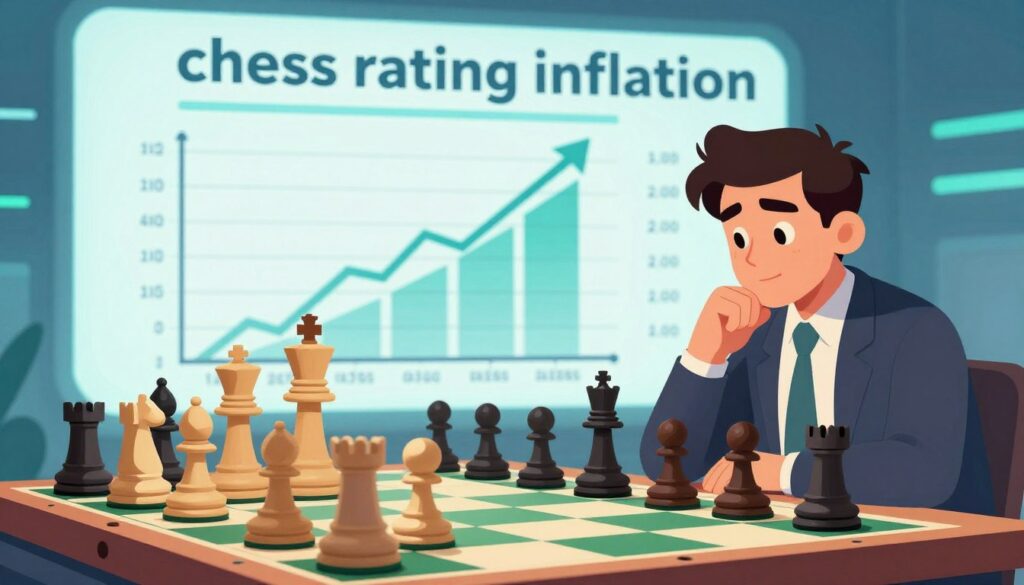
Let’s dive into the exciting world of digital chess and discover why those numbers can look so different! It is quite common for players to notice a big gap between their digital performance and their over-the-board results. When you look at various chess rating systems, you might notice that chess rating inflation is a real phenomenon that affects how we view our progress!
The Impact of Massive Player Pools
Online platforms host millions of players from every corner of the globe. Because the pool is so large, the distribution of skill levels creates a unique environment where ratings can shift quickly. You can learn more about how these numbers work by checking out this guide on chess Elo explained to better understand your own journey.
A larger pool often means more opportunities to play against a wider variety of opponents. This diversity helps keep the ecosystem active and fun for everyone involved! It is a great way to test your skills against new strategies every single day.
Frequency of Play and Rating Volatility
When you play many games in a short period, you will likely experience chess rating volatility. This means your score might jump up or down much faster than it would in a formal tournament setting. Consistency is key, but playing frequently is a fantastic way to sharpen your tactical vision!
Remember that these numbers are just tools to help you track your personal growth. Do not let a temporary dip discourage you from your goals. Keep playing, keep learning, and enjoy the process of becoming a stronger player!
| Feature | Online Chess | Tournament Chess |
|---|---|---|
| Player Pool | Massive/Global | Localized/Limited |
| Game Frequency | Very High | Low/Scheduled |
| Rating Stability | High Volatility | More Stable |
| Primary Goal | Practice/Fun | Official Ranking |
The Psychological Pressure of Over-the-Board Play
Playing chess in person is a thrilling adventure that tests your mind in ways you never expected! While online chess vs OTB play might seem similar, the atmosphere in a tournament hall is truly unique. You will find that the physical environment adds a layer of excitement that you just cannot replicate at home.
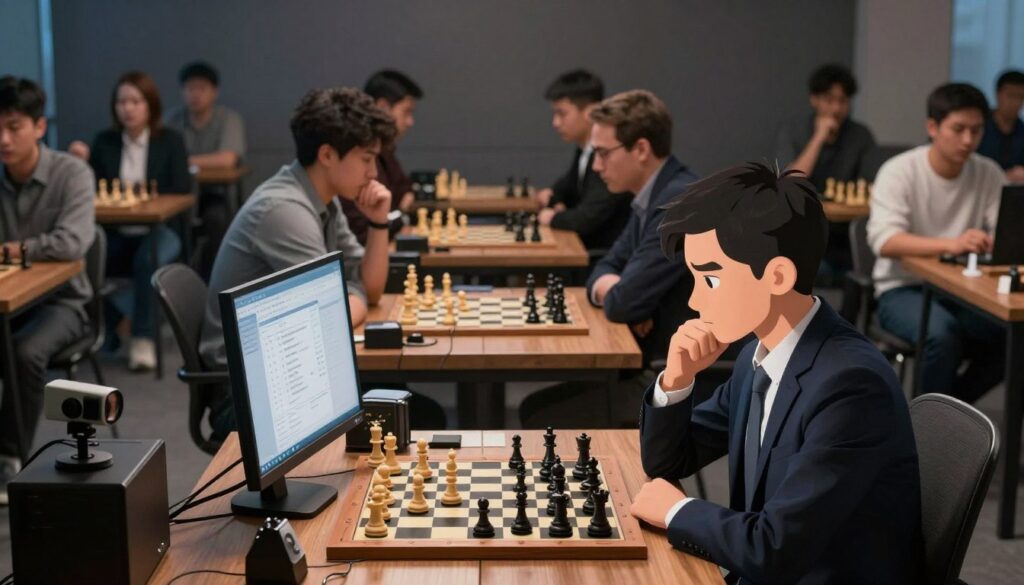
Physical Presence and Tournament Anxiety
When you sit across from an opponent, you have to deal with their physical presence. This can sometimes lead to chess tournament anxiety, which is completely normal for players of all ages! You might feel your heart beat faster or your palms get a little sweaty before the first move.
The key is to remember that everyone in the room feels the same way. You can manage these nerves by taking deep breaths and focusing on your own plan. Staying calm is a superpower that will help you make better decisions on the board!
“Chess is a struggle against your own mistakes and the pressure of the moment.”
The Clock and the Scorebook: Added Cognitive Load
In a real tournament, you are responsible for more than just your moves. You must manage the physical clock and record every single move on your scorebook. This adds a significant amount of cognitive load to your game compared to clicking a mouse online.
It is easy to get distracted by these extra tasks, but practice makes perfect! By learning to record your moves carefully, you turn a challenge into a valuable habit. This routine helps you stay focused and keeps your mind sharp throughout the entire match.
| Feature | Online Chess | OTB Tournament |
|---|---|---|
| Move Recording | Automatic | Manual (Scorebook) |
| Clock Control | Digital Click | Physical Press |
| Environment | Comfortable Home | Tournament Hall |
| Pressure Level | Low to Medium | High |
Mastering these physical elements is a huge part of becoming a confident, competitive player. Whether you are dealing with chess tournament anxiety or learning to juggle the clock, every game is a chance to grow. Keep exploring, keep playing, and enjoy the journey of becoming a stronger chess player!
Time Control Discrepancies and Their Effects
Every young explorer of the game knows that time controls can completely change the feel of a match! When you look at online chess vs OTB, the biggest difference often comes down to the time on your clock. Your performance might vary quite a bit depending on how much time you have to think about your next move.
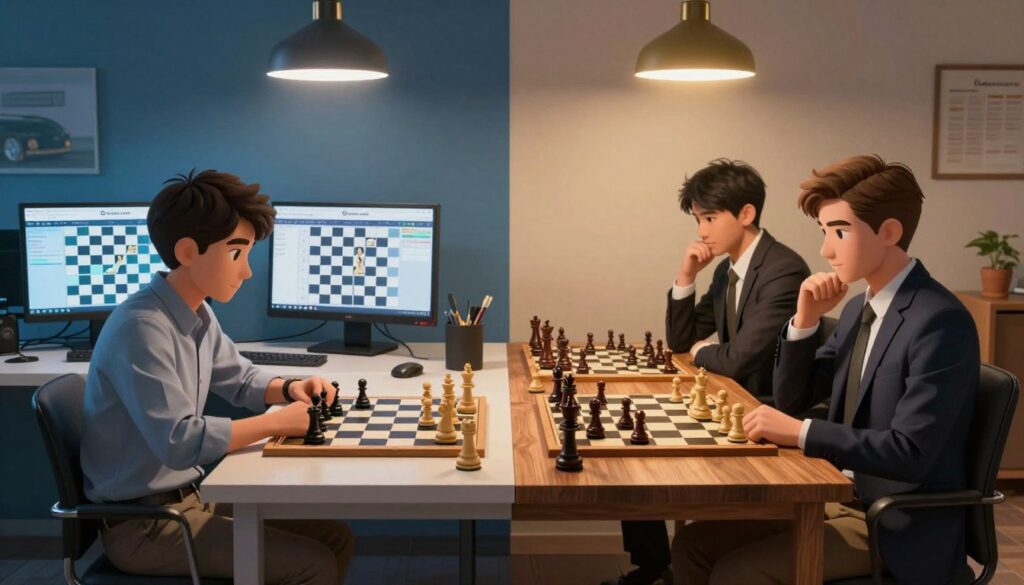
Blitz and Bullet: The Speed Factor
Fast-paced games like Blitz and Bullet are super exciting! Because you have to make moves in just a few seconds, your chess rating volatility can be much higher. It is very easy to gain or lose points quickly when the clock is your biggest enemy!
“Chess is a sea in which a gnat may drink and an elephant may bathe.”
These quick games are great for practicing your instincts. However, they do not always reflect your deep strategic thinking. You might find that your rating on a fast platform feels very different from your tournament results.
Classical Chess: The Gold Standard of USCF
Classical chess is where you really get to show off your brainpower! These games give you plenty of time to calculate complex lines and plan your strategy. Because of these chess time controls, the USCF considers this the gold standard for measuring your true skill level.
Taking your time allows you to avoid silly mistakes that happen in faster games. While it requires more patience, the reward of finding the perfect move is worth it! We encourage you to embrace the slow pace of tournament play to help your game grow stronger every single day.
The Role of Cheating Detection and Fair Play
Integrity is the heartbeat of our community, and we work hard to protect it! Whether you are a beginner or a master, fair play in chess ensures that every move you make is part of a genuine learning experience. We want you to feel safe and excited every time you sit down to play.
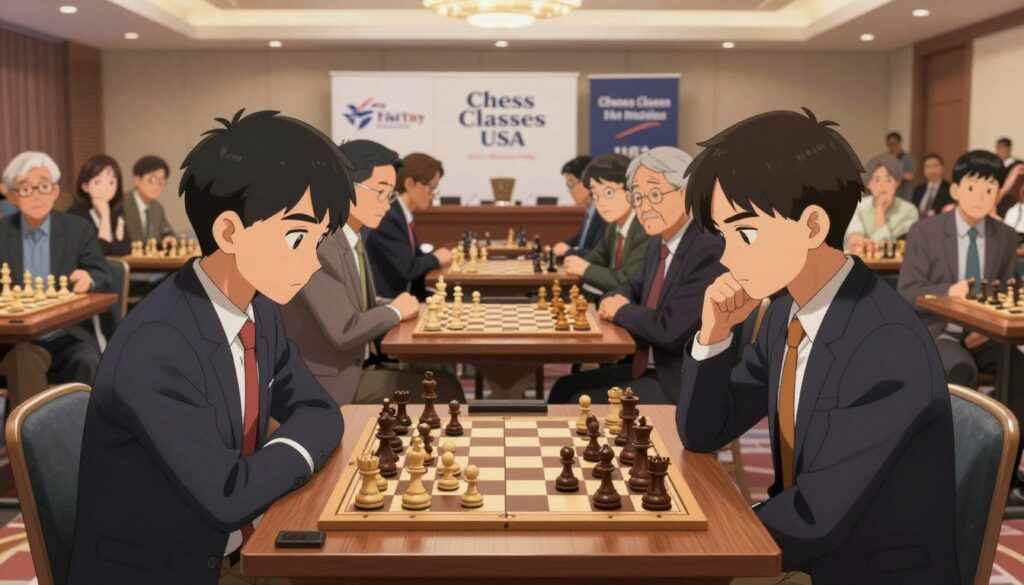
How Online Platforms Monitor Integrity
When you play on the web, you might notice how smooth and secure everything feels. Modern websites use advanced digital tools to watch for suspicious patterns. These smart algorithms help maintain chess integrity by flagging games that do not match a player’s usual style!
These systems are constantly learning to keep the environment honest. Because of these chess platform differences, you can focus entirely on your strategy. It is wonderful to know that technology is working behind the scenes to keep the game fun for everyone!
The In-Person Reality of Tournament Security
Stepping into a tournament hall is a thrilling adventure! In these official spaces, we rely on human oversight to ensure chess integrity remains high. Experienced arbiters walk the floor to make sure everyone follows the rules of the game.
Physical security measures, like checking for electronic devices, help create a level playing field. This commitment to fair play in chess allows you to test your skills with confidence. You can truly shine when you know that your hard work and practice are the only things deciding the outcome of your match!
Demographics and Skill Distribution
Understanding the people you play against is a secret weapon for your chess growth! When you step into the arena, whether digital or physical, you are joining a vibrant global chess community. Each opponent brings a unique style that helps you learn and adapt your own strategies!
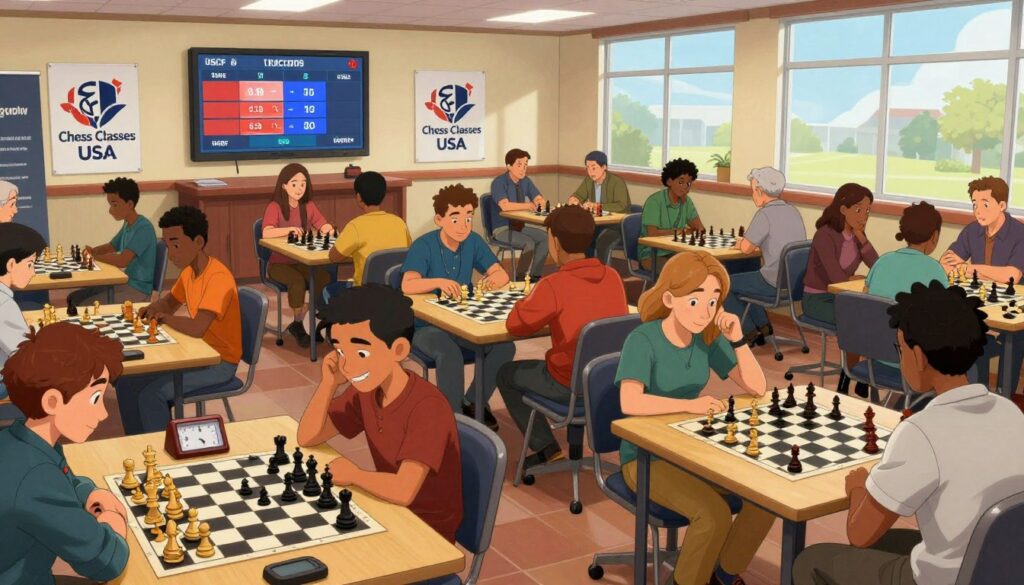
Who Plays on Chess.com?
Online platforms are home to millions of players from every corner of the planet! You will find everyone from curious beginners taking their first steps to grandmasters practicing their speed skills. This massive pool of players makes it easy to find a game at any time of the day or night.
Because the platform is so accessible, it emphasizes fair play in chess through advanced digital monitoring. It is a fantastic place to explore different openings and test your tactics against a wide variety of playing styles. You will surely love the excitement of meeting new friends from different cultures!
The Competitive Profile of USCF Members
In contrast, the United States Chess Federation attracts a very specific competitive profile. These players are often deeply invested in long-term youth chess development and serious tournament preparation. They value the traditions of the game and the focus required for long, classical matches.
Members of the USCF take chess integrity very seriously, as every move is recorded and analyzed in a formal setting. If you want to see how your skills stack up against established standards, you can check out informant ratings and expectations to guide your progress. It is an amazing journey that builds discipline, patience, and a true love for the game!
The Impact of Rating Floors and Ceilings
Have you ever wondered why your progress feels different across various platforms? Chess rating systems are not just random numbers; they are carefully designed structures that keep our games fair and meaningful! By using specific rules, these systems help you track your growth while ensuring that your hard-earned progress stays protected.
How USCF Protects Established Ratings
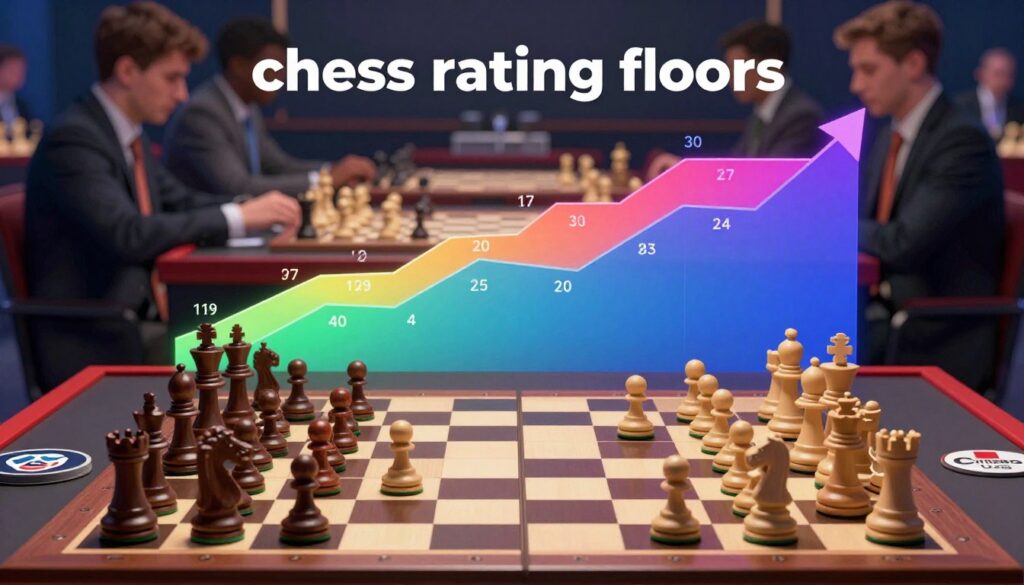
The United States Chess Federation (USCF) uses a special feature known as chess rating floors to maintain the value of your skill level. Once you reach a certain milestone, your rating cannot drop below that point, no matter how many tough games you play! This creates a sense of security for players who want to test their skills in high-pressure tournaments.
“True growth in chess is not just about the number next to your name, but the wisdom you gain from every single move on the board.”
This protection helps you maintain a consistent competitive profile over time. It encourages you to keep exploring new strategies without the fear of losing your status. Here is why these floors are so helpful for your journey:
- They provide a safety net for your confidence!
- They reward your long-term dedication to the game.
- They keep the tournament environment stable and encouraging.
The Open-Ended Nature of Online Rating Inflation
In contrast, many online platforms operate with an open-ended system. This means there are no artificial limits on how high or low your number can go, which often leads to chess rating inflation. Because millions of players join and leave these platforms daily, the numbers can shift much faster than in traditional settings!
While this fluidity makes it easy to jump into a game, it also means your online rating might look very different from your official tournament score. Understanding these differences is key to setting realistic goals for your chess development. Always remember that your true strength comes from the practice and fun you have while learning with Debsie, the #1 Chess Class Provider!
Training for Improvement in Both Environments
We believe that using the best of both worlds is the fastest way to improve chess skills and become the strongest player you can be! By blending digital convenience with the intensity of physical play, you create a powerful routine for success. It is truly an exciting journey to discover new ways to practice and grow!
Using Online Tools to Boost OTB Performance
Online platforms offer incredible resources to sharpen your tactics before you head to a big tournament. You can experiment with various chess time controls to see which pace helps you think most clearly. Practicing online allows you to play many games in a short time, which builds your pattern recognition quickly!
These digital sessions act as a gym for your brain. When you use these chess training tips, you prepare your mind for the pressure of the clock. You will find that your confidence grows every time you log in to play a quick match!
The Importance of Analyzing Your Tournament Games
While playing is fun, chess game analysis is the most important step for your long-term improvement. After every tournament, take the time to look back at your moves. Reviewing your games helps you spot mistakes and find better plans for next time!
We encourage you to write down your thoughts or use a computer engine to check your work. This habit turns every loss into a valuable lesson. By studying your own play, you ensure that you never make the same mistake twice. Keep exploring, keep playing, and keep growing!
Common Misconceptions About Rating Equivalency
It is a common mistake to think you can just add or subtract points to find your “true” rating! Many players spend hours trying to find a magic formula to bridge the gap between their USCF rating vs Chess.com profile. We want you to stop worrying about the exact number and start focusing on the joy of learning and playing!
Why You Cannot Simply Add or Subtract Points
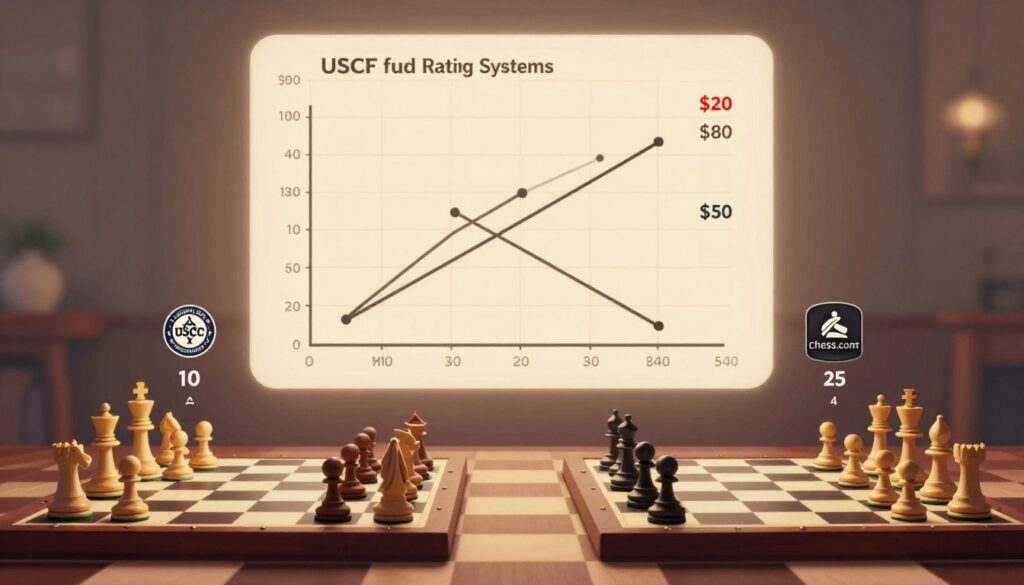
The math behind these systems is completely different. Online platforms often use the Glicko-2 system, which is very fluid and reacts quickly to your recent games. In contrast, the official federation uses a more stable Elo-based system designed for long-term tracking.
Because these algorithms calculate your skill differently, a simple chess rating comparison will never be perfectly accurate. You cannot just add 200 points to your online score and expect it to match your tournament standing. Each system serves a unique purpose in your chess journey!
The Danger of Comparing Apples to Oranges
Comparing these two environments is like comparing a sprint to a marathon. Online play is often fast and happens in the comfort of your home. Tournament play involves physical boards, clocks, and the pressure of a quiet room.
“The beauty of chess is that it is a game of infinite discovery, not just a race to reach a higher number on a screen.”
Instead of obsessing over numbers, try to focus on your chess game analysis to see where you can improve. While some systems use chess rating floors to keep things stable, your real growth happens through every move you make. Celebrate your progress and enjoy the adventure of becoming a better player every single day!
| Feature | Online Platform | USCF Tournament |
|---|---|---|
| Rating System | Glicko-2 (Fluid) | Elo (Stable) |
| Environment | Casual/Home | Formal/Competitive |
| Primary Goal | Engagement | Official Ranking |
| Data Focus | Speed/Volume | Accuracy/Depth |
How Debsie’s Chess Classes Bridge the Gap
Bridging the gap between your screen and the physical board is easier than you think. We know that moving from digital play to a real tournament hall can feel like a big step! That is why Debsie chess classes are designed to support your growth every single move of the way.
Personalized Coaching for Tournament Success
As the #1 provider in the USA, France, Europe, UK, Singapore, India, and Australia, we specialize in youth chess development. Our coaches provide fun, gamified lessons that help you improve chess skills while keeping the excitement alive. You will learn how to think clearly under pressure and make smart decisions on the board!
“Chess is a journey of discovery where every game teaches you something new about yourself and your potential.”
Building Confidence Across All Platforms
We understand that chess tournament anxiety is a real challenge for many players. Our expert chess training tips help you stay calm and focused, whether you are playing at home or in a crowded tournament room. You will gain the tools needed to shine in any environment!
Join our global community today and let us help you reach your full potential. With our support, you will feel ready to take on any opponent with a smile. Let the magic of chess guide your success!
Conclusion
You now understand why your digital rating and your tournament score tell different stories. These numbers serve as tools for growth rather than strict labels of your talent. Focus on the joy of the game instead of obsessing over a single digit!
Your passion for learning drives your progress on the board. Every match provides a fresh chance to sharpen your skills and discover new strategies. Embrace the challenge of both online play and intense tournament settings.
We feel so excited to see you continue your chess adventure with Debsie. As the number one chess class provider in the United States and beyond, we offer the perfect environment to help you reach your goals. Our fun and engaging lessons turn every student into a confident player.
Keep playing, keep learning, and keep growing every single day! Your next big win starts with the curiosity you bring to the table. Join our community today and take your game to the next level!