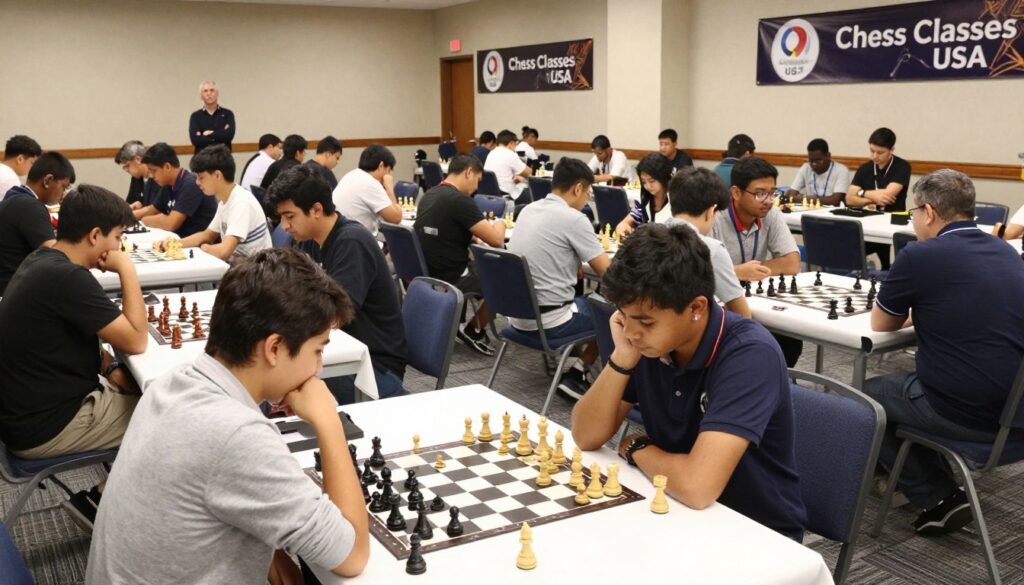
Have you ever wondered if you have what it takes to compete under the bright lights of a real competition? Stepping into your first rated chess tournament is an exciting adventure that helps you grow as a player! It is a big moment that marks your transition from casual play to a serious competitive journey.
We are here to guide you through every step of the process with fun and easy tips. As the #1 provider in the USA and beyond, Debsie chess classes love helping students reach their full potential. You will learn how to prepare your mind and gear for a successful day of play. Let us start this journey together and make your event a truly memorable experience!
Key Takeaways
- Understand the excitement of joining your initial competitive event.
- Learn how to prepare your mind for a day of intense focus.
- Discover the best gear to bring for a smooth experience.
- See how expert guidance helps you reach your full potential.
- Prepare for a memorable day of growth and discovery.
Understanding the USCF Rating System and Membership
Getting started with your first tournament is an exciting milestone in your chess journey! We believe that joining the official community is the best way to accelerate your growth and meet new friends who love the game as much as you do.
Why USCF Membership Matters
Securing your USCF membership is the first big step toward playing in official events across the country. It acts as your passport to the world of competitive chess, allowing you to track your progress as you play and learn.
You can easily manage your profile and find helpful resources by visiting the official member services area. Being a member ensures that every game you play counts toward your official standing!
How Ratings Work for Beginners
The chess rating system is a fantastic tool designed to help you see how you grow over time. By matching you with players of similar skill levels, the system ensures that your matches are always fair, challenging, and fun!
You will discover that having a rating makes every game feel more meaningful and exciting. Check out the table below to see how the system supports your development:
| Feature | Benefit for You | Why It Matters |
|---|---|---|
| Official Tracking | Records every win and loss | Shows your improvement |
| Skill Matching | Pairs you with similar players | Keeps games competitive |
| Growth Metrics | Calculates your progress | Boosts your confidence |
Finding Your First Rated Chess Tournament
Entering a first rated chess tournament is a thrilling way to see how much you have grown as a player! It is a big step that opens up a world of new challenges and fun experiences. We are here to help you navigate this exciting process with ease.
Using the USCF Tournament Search Tool
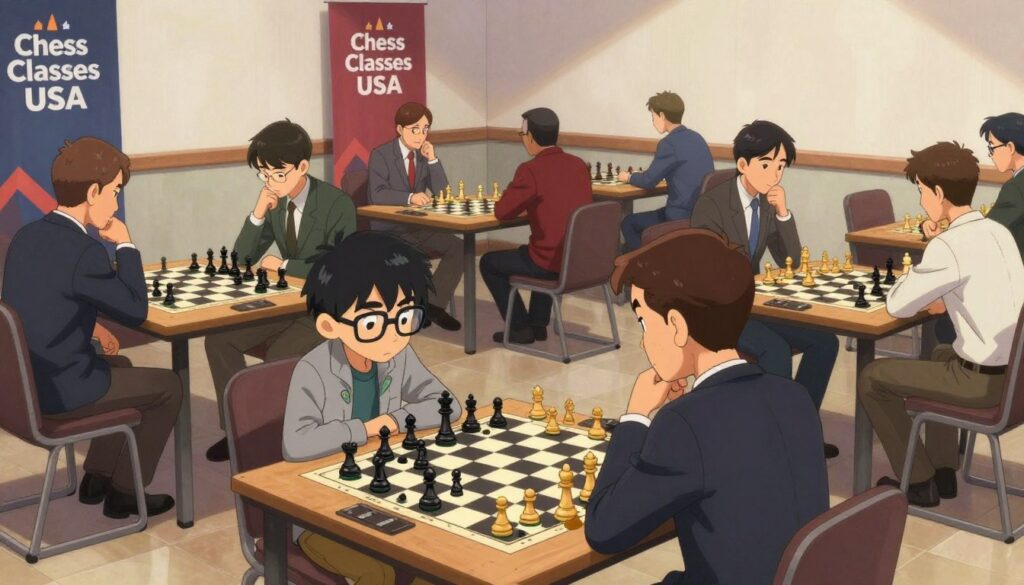
Finding the perfect event is simple when you know how to use the official USCF tournament search tool. This website allows you to filter by state, date, and even specific age groups. It is the best way to find a local youth chess competition that fits your schedule perfectly!
Make sure to check the details for each event carefully. Look for tournaments that welcome beginners so you can feel comfortable and confident. You will find that the chess community is very supportive of new players!
Choosing Between Quads, Swiss Systems, and Open Events
Understanding the different formats will help you pick the right challenge. A Quad is a small group where you play three games against people of similar skill. Swiss systems are larger events where you play a set number of rounds regardless of your score. Open events allow anyone to enter, which can be a great way to meet many different players!
| Format | Best For | Game Count |
|---|---|---|
| Quads | Beginners | 3 Games |
| Swiss | All Levels | 4-6 Games |
| Open | Experienced | Flexible |
Evaluating Travel and Time Commitments
It is important to look at travel time and the overall schedule before you sign up. You want to ensure you stay fresh and ready to play throughout the day. We suggest picking an event that does not require a very long drive, especially for your first time.
Remember that participating in a youth chess competition is a fantastic way to meet new friends who love the game just as much as you do! Take your time to plan, stay organized, and most importantly, have a wonderful time at the board.
Essential Gear for Your First Rated Chess Tournament
Getting ready for your first tournament is an exciting milestone in your chess journey! Having the right chess tournament gear helps you feel comfortable and prepared when you sit down at the board. When you bring your own supplies, you can focus entirely on your strategy instead of worrying about missing tools.
The Importance of Bringing Your Own Equipment
While some venues provide equipment, bringing your own items ensures you are familiar with everything you use. Confidence is key when you are playing in a new environment! Being prepared with your own kit makes you feel like a true pro from the very first round.
Selecting a Reliable Chess Clock
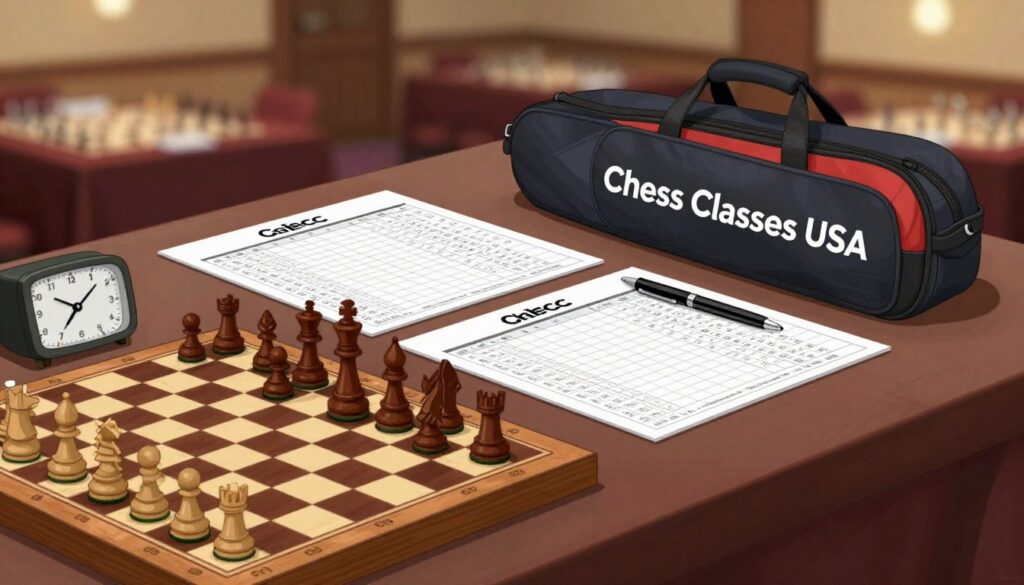
A tournament chess clock is a vital tool for keeping track of your time during intense matches. You want a clock that is easy to read and simple to operate under pressure. Make sure to practice using your clock at home so you feel completely comfortable with the buttons and settings before the big day!
Choosing a Tournament-Standard Chess Set
Using a standard set helps you stay focused on your moves without any distractions. A regulation-sized board and pieces are perfect for tournament play. When you use the same equipment you practice with, your brain recognizes the patterns much faster!
Notating Your Games: Scorebooks and Pens
Do not forget to bring a scorebook and pens to every match. Writing down every move is a fantastic way to learn from your games later on. Reviewing your notation after the event is how you grow and improve your skills for the next tournament!
Mastering Tournament Etiquette and Rules
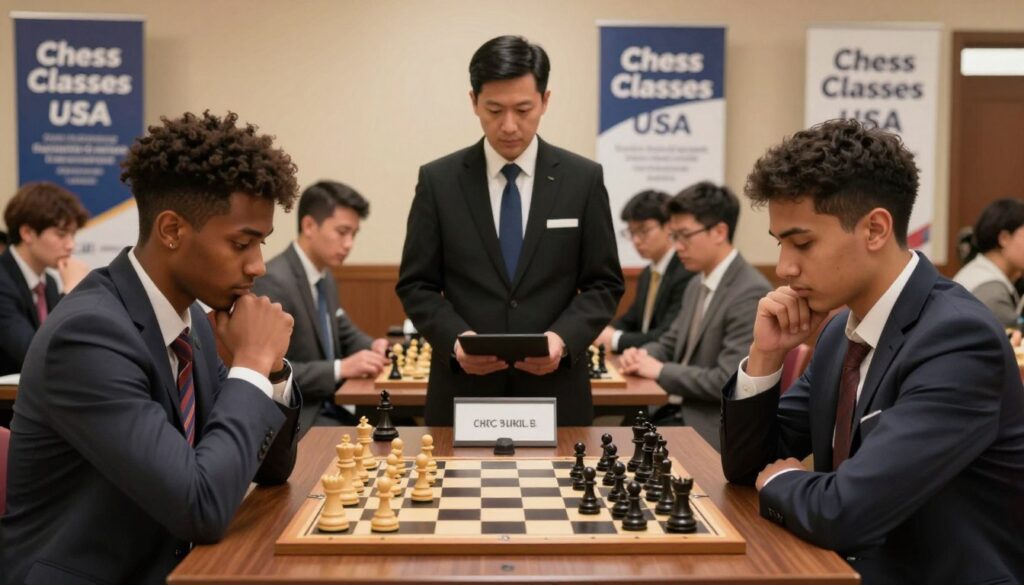
Welcome to the exciting world of competitive chess, where good manners help you shine! Learning proper chess tournament etiquette is essential for showing respect to your opponents and the game itself. When you follow these simple guidelines, you create a positive environment for everyone involved.
The Touch-Move Rule Explained
One of the most important concepts you must learn is the touch-move rule. This rule states that if you deliberately touch one of your pieces, you are generally required to move it if a legal move exists! This keeps the game fair and prevents players from changing their minds mid-turn.
If you need to adjust a piece because it is not centered on its square, simply say “I adjust” or “J’adoube” before touching it. This small gesture lets your opponent know your intentions clearly.
Proper Clock Handling Procedures
Your chess clock is a vital tool, so treat it with care! Always press the clock with the same hand you used to move your piece. Avoid slamming the button, as this can be distracting and might even damage the equipment.
Maintaining Silence and Respecting Opponents
The tournament hall should remain quiet so everyone can concentrate on their deep strategies. Please keep your movements soft and avoid whispering to others while games are in progress. Being a polite player is just as important as winning, so always remember to offer a friendly handshake before and after your game!
How to Properly Resign or Offer a Draw
If you find yourself in a tough spot, you can resign by stopping your clock or simply saying, “I resign.” If you want to offer a draw, do so after you have made your move but before you press your clock. Your opponent can then accept or decline your offer with a simple nod or verbal response.
| Action | Correct Behavior | Why It Matters |
|---|---|---|
| Touching Pieces | Use “I adjust” first | Prevents confusion |
| Clock Usage | Press gently | Shows respect |
| Hall Noise | Stay silent | Helps focus |
| Game End | Handshake | Good sportsmanship |
Preparing Your Mind and Body for Long Rounds
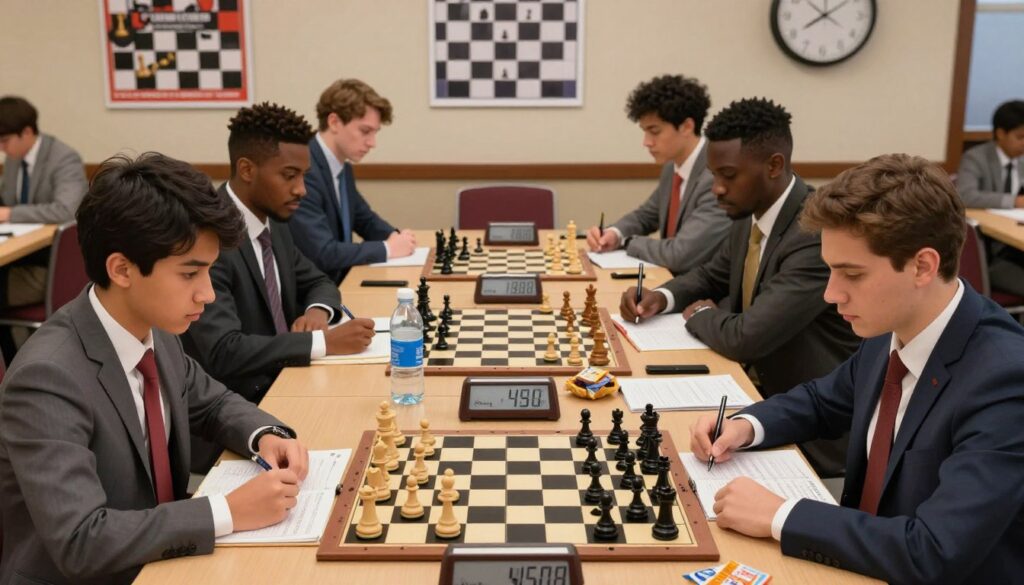
Are you ready to feel your best during every single round of the tournament? Success on the board starts long before you make your first move. Proper chess tournament preparation involves taking care of your physical health just as much as your tactical skills!
Managing Tournament Anxiety
It is totally normal to feel a little bit of chess tournament anxiety when you sit down at the board. Everyone gets those butterflies in their stomach! Taking deep, slow breaths will help you stay calm and focused throughout the game.
Remember that you are here to learn and have fun. Keeping a positive mindset helps you stay sharp and ready for any challenge your opponent throws your way!
Hydration and Nutrition Strategies
Your brain needs fuel to perform at its peak during long matches. We suggest packing healthy snacks like nuts, fruit, or granola bars to keep your energy levels high. Staying hydrated with plenty of water is also a must for maintaining your concentration!
Avoid sugary drinks that might cause a crash later in the day. Choosing the right snacks is a simple way to support your competitive chess strategy and keep your mind clear.
The Importance of Rest Between Rounds
Tournament days can be very long and tiring. Getting enough rest between games is a secret weapon for staying alert! Use your break time to step away from the board, stretch your legs, and clear your head.
When you return to your seat, you will feel refreshed and ready to play your best. Taking these short breaks is a smart way to maintain your focus for the entire event!
| Category | Recommended Item | Benefit |
|---|---|---|
| Nutrition | Fresh Fruit | Steady Energy |
| Hydration | Water Bottle | Mental Clarity |
| Comfort | Light Sweater | Temperature Control |
| Recovery | Quiet Space | Stress Reduction |
Developing a Pre-Tournament Study Routine
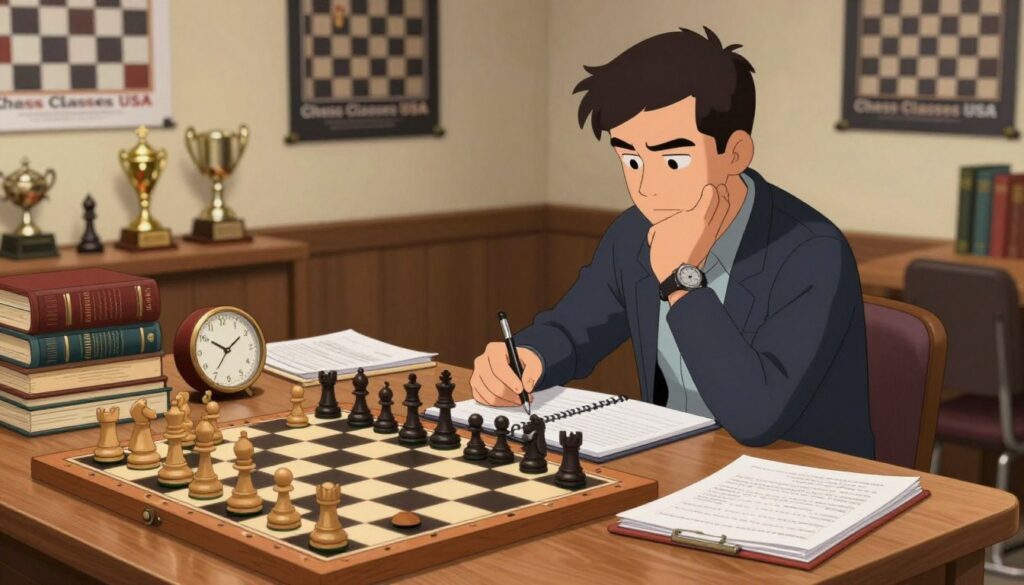
You can boost your confidence and prepare for success by building a fun pre-tournament study routine! When you have a clear plan, your chess tournament preparation becomes an exciting adventure rather than a stressful chore. By setting aside time to practice, you will feel ready to take on any opponent you meet at the board.
Focusing on Tactical Patterns
One of the best ways to get ready is through consistent chess tactics training. You want to spot winning patterns quickly during your real games! Try to solve a few puzzles every day to keep your brain sharp and alert.
- Look for pins, forks, and skewers in your practice puzzles.
- Challenge yourself to find the fastest checkmate sequence.
- Use fun online tools to track your progress.
Reviewing Basic Opening Principles
Reviewing chess opening principles will help you start your matches with a strong and solid plan. You do not need to memorize hundreds of lines to succeed! Instead, focus on these core ideas:
- Control the center of the board early.
- Develop your pieces toward the middle.
- Keep your king safe by castling early.
Practicing Endgame Fundamentals
Finally, practicing chess endgame fundamentals ensures you know exactly how to finish your games with style and precision! Many games are won or lost in the final moments, so being comfortable with basic checkmates is a huge advantage. Remember, even a simple pawn promotion can turn the tide in your favor!
“The endgame is where the true character of a chess player is revealed.”
Navigating the Tournament Hall Logistics
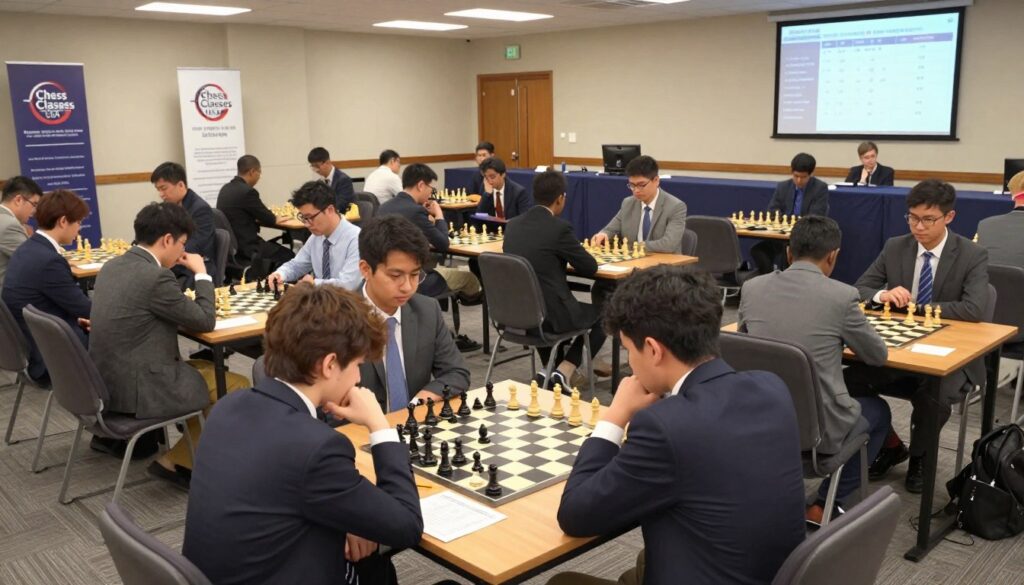
Stepping into the tournament hall for the first time is an exciting milestone in your chess journey! While tournament hall logistics might seem a bit tricky at first, you will be a pro in no time at all. Getting comfortable with the space helps you stay focused on your game.
Checking In and Finding Your Board
Always aim to arrive early so you have plenty of time to get settled before the first round begins. Checking in is your first step, where you confirm your registration and receive your player badge. Once you are checked in, look for the pairing sheets posted on the walls or digital screens.
Finding your board is easy once you know your table number. Take a moment to walk around and locate your seat so you feel completely prepared when the clock starts. Being part of a youth chess competition is an amazing way to build your skills in a supportive and organized environment!
Understanding Pairings and Results Posting
Pairings tell you exactly who you are playing and which color you will have. You will usually find these posted in a central area of the hall. Make sure to check your name carefully to ensure you are looking at the correct round.
After your game finishes, remember to report your result to the staff immediately. Keeping track of your wins and losses is a vital part of the tournament experience. If you ever feel confused about the standings, simply look for the official results board.
Communicating with the Tournament Director
If you have any questions about the rules or need help with your pairings, the chess tournament director is there to help you out! They are the friendly experts who keep the event running smoothly for everyone. Never hesitate to raise your hand if you encounter a problem during your match.
Whether you need to clarify a rule or report a draw, the director is your go-to person. Communication is key to a stress-free day of play. You are doing great, and asking for help is a sign of a smart and dedicated player!
Analyzing Your Performance After the Event
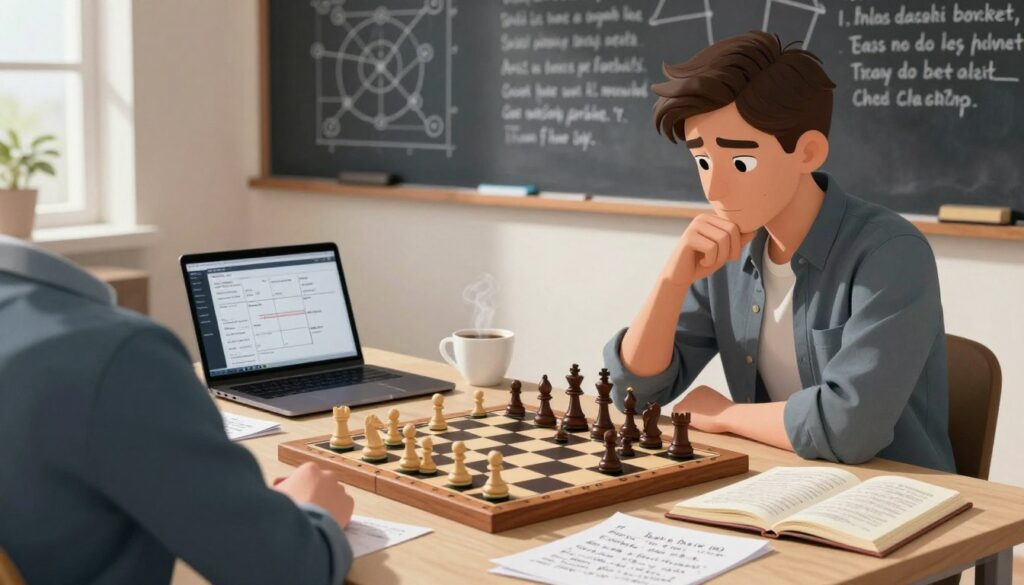
Reflecting on your performance is the best way to turn tournament nerves into future wins! Once the dust settles, taking a moment to review your games is a vital step in your development. We believe that every match you play is a golden opportunity to grow.
The Value of Post-Game Analysis
Performing a thorough chess game analysis allows you to see exactly where you made great choices and where you might have stumbled. By looking at your moves with a fresh perspective, you can identify patterns that need more practice. This habit is what separates casual players from those who truly master the board!
If you find yourself stuck, remember that enhancing your chess skills through coaching can provide the clarity you need. A coach can help you spot mistakes that are hard to see on your own.
Learning from Losses and Wins
Every single game provides a valuable lesson that helps you improve your competitive chess strategy. Do not be discouraged by a loss, as it is often the best teacher you will ever have! Even in a win, there is always something to refine to make your play even sharper next time.
| Game Outcome | Primary Focus | Action Item |
|---|---|---|
| Victory | Consistency | Review opening traps |
| Draw | Precision | Study endgame techniques |
| Loss | Tactics | Analyze missed blunders |
Updating Your Training Plan Based on Results
Updating your training plan based on your results keeps your learning journey exciting and full of new goals! Use your tournament notes to decide which areas of your competitive chess strategy need the most attention. Whether it is tactical puzzles or opening theory, your next study session should be guided by your recent experience.
Keep up the great work and stay curious about your progress. Consistent chess game analysis will surely lead you to your next big victory!
Conclusion
You are now ready to take on your first rated chess tournament with confidence and excitement! Every game you play serves as a chance to learn, grow, and have fun with our wonderful community.
Debsie chess classes provide the perfect environment to sharpen your skills before you step into the tournament hall. We focus on making every move count while keeping the game enjoyable for players of all ages.
Our platform offers the best online chess learning to support you on your path to becoming a master. We take pride in your progress and your willingness to challenge yourself at the board.
Your dedication to the game will lead to great results. We cannot wait to see you succeed and reach your full potential in the world of competitive chess!