Have you ever wondered what it truly takes to climb the ladder of competitive chess? Stepping into the arena is an exciting journey, and understanding the official ranking system is your first move toward greatness!
We believe that every player has the potential to grow. Whether you are just starting to learn chess online or aiming for the title of Master, knowing your level helps you track your progress. Debsie chess classes provide the perfect environment to sharpen your strategy and have fun while you play.
Our team is proud to be the #1 provider for students worldwide. We use gamified lessons to turn every match into a rewarding adventure. By joining our community, you gain access to personalized tools that make improvement feel like a game. Let us help you unlock your full potential today!
Key Takeaways
- Understanding your rank is the first step to mastering the board.
- Debsie is the #1 provider for students looking to learn chess online.
- Gamified courses make the path from beginner to expert fun and engaging.
- Personalized learning helps players of all ages grow their skills quickly.
- Tracking your progress keeps you motivated on your competitive journey.
Understanding the USCF Rating System
Think of the USCF rating system as your personal compass for navigating the world of chess. It acts as a numerical tracker that follows your progress as you learn and play across the United States!
Every time you compete in a tournament, your performance helps update your score. These numbers are more than just digits; they represent your current chess skill levels and help you find fair matches against opponents of similar strength.
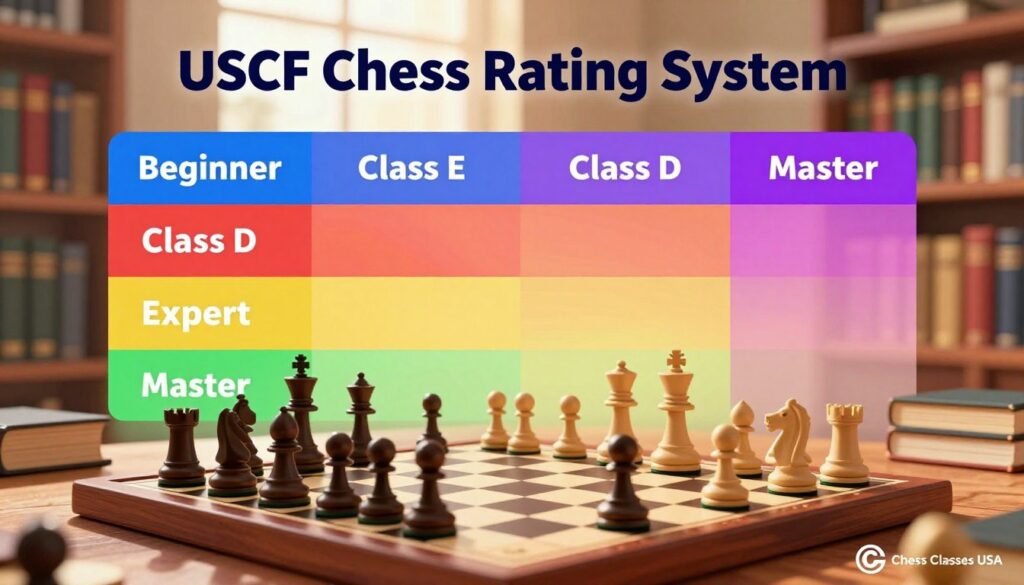
We believe that having a clear way to measure your growth makes the game even more fun. Whether you are just starting your adventure or aiming to become a grandmaster, this system provides exciting goals for every player.
Here is why the system is so helpful for your development:
- It provides a fair playing field by matching you with players at your level.
- It tracks your improvement over time, showing how much you have learned.
- It offers clear milestones to reach as you climb the ladder of success.
At Debsie, we love seeing students use these ratings to celebrate their hard work! By understanding your chess skill levels, you can focus on specific areas to improve. The chess rating system is truly the best way to turn your passion for the game into a rewarding journey of discovery!
The Foundation: Beginner and Novice Levels
Embarking on your chess journey is a thrilling adventure that opens up a world of strategy and fun! Whether you are just learning how the pieces move or preparing for your first tournament, every step you take builds your confidence on the board. At Debsie, we believe that every beginner chess player has the potential to become a true master of the game!
Defining the Unrated and Beginner Player
When you first start playing, you are considered an “unrated” player. This simply means you have not yet played in an official USCF-sanctioned tournament to earn a number. Think of this as your exciting starting line where you get to explore the game without any pressure!
Learning chess for kids should be a joyful experience filled with discovery. We focus on making these foundational skills easy and engaging for everyone. You will find that our approach turns complex rules into simple, playful challenges that keep you motivated to learn more.
“Chess is a sea in which a gnat may drink and an elephant may bathe.”
Milestones for Early Development
Reaching specific goals helps you track your progress as you grow. Every beginner chess player should aim to master these core skills to prepare for their first official event. Understanding how to get a chess rating starts with these essential chess milestones:
- Mastering the movement of all six chess pieces.
- Learning the basic rules of check and checkmate.
- Understanding how to record your moves on a scoresheet.
- Practicing good sportsmanship during every game.
To help you visualize your growth, we have created a simple guide to your early development stages. These steps ensure you are ready to compete with confidence!
| Development Stage | Key Focus Area | Goal |
|---|---|---|
| Novice | Piece Movement | Confidence |
| Beginner | Basic Tactics | Consistency |
| Tournament Ready | Rules & Etiquette | First Rating |
Keep practicing and stay curious! Your journey is just beginning, and we are here to support you every single move of the way!
Navigating Class E and Class D
Are you ready to level up your game? Let’s explore the exciting world of Class E and Class D! This stage of your journey is where you start to see the board with more clarity and confidence.
Characteristics of Class E Players
Players in Class E are often just beginning to understand the flow of a match. You are likely learning how to coordinate your pieces and avoid simple traps. At this level, focusing on basic board awareness is your best friend!
Transitioning into Class D
Moving into Class D means you are becoming a more serious competitor. You will start to notice patterns more quickly and plan your moves with a bit more care. If you want to learn more about how these levels fit into the bigger picture, check out the USCF chess titles explained to see where your hard work is leading you.
Common Hurdles at the Lower Rating Tiers
Even the best players once struggled with the same things you do now! Many students find that chess tactics for beginners are the key to breaking through plateaus. Whether you are looking for chess for kids resources or just want to sharpen your skills, remember that every mistake is just a lesson in disguise.
| Skill Level | Primary Focus | Goal |
|---|---|---|
| Class E | Piece Safety | Avoid Blunders |
| Class D | Basic Tactics | Control the Center |
| Class C | Positional Play | Develop Strategy |
The Middle Ground: Class C and Class B
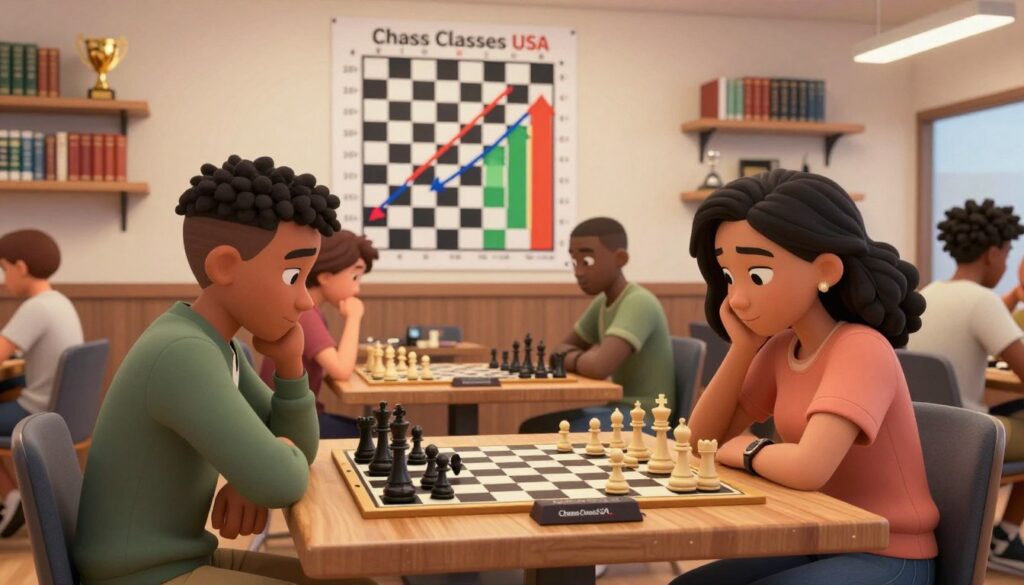
Reaching the middle ground of Class C and Class B is a fantastic milestone in your chess journey! This achievement proves that your dedication to the game is truly paying off. You are now ready to focus on improving chess rating by sharpening your skills and gaining more tournament experience.
Strategic Growth in Class C
At the Class C level, you begin to see the board with much more clarity. Developing a solid chess strategy for intermediate players becomes your primary goal. You should start focusing on long-term planning rather than just reacting to your opponent’s moves!
Try to look for ways to improve your piece activity and control the center of the board. Consistency is the secret ingredient to success here. By playing regularly, you will build the confidence needed to handle tougher opponents with ease!
Refining Tactics in Class B
Once you enter Class B, the competition gets even more exciting! Now is the perfect time to focus on improving chess rating by mastering complex tactical patterns. You will find that your ability to calculate deep variations is a huge advantage in every match.
Developing a strong chess strategy for intermediate players also means paying close attention to your endgame technique. Practicing basic checkmates and pawn structures will help you secure wins in tight games. Keep pushing yourself, stay curious, and enjoy every single move you make on the board!
Reaching the Expert Level
Reaching the Expert level is a thrilling milestone that marks your transformation into a serious chess competitor! This status represents a significant leap in your journey, requiring a deep understanding of both tactics and long-term planning. Meeting the Expert chess player requirements means you have moved beyond basic patterns and are now ready to tackle complex board scenarios.
What Defines a USCF Expert
In the United States Chess Federation, an Expert is a player who has achieved a rating between 2000 and 2199. This is an elite tier where players demonstrate consistent accuracy and a strong grasp of opening theory. You will find that at this level, every move is calculated with precision to gain even the smallest advantage!
To help you visualize the growth needed, we have outlined the key differences between developing players and those at the Expert level.
| Skill Area | Developing Player | Expert Player |
|---|---|---|
| Tactical Vision | Spots immediate blunders | Calculates deep combinations |
| Positional Play | Focuses on piece activity | Controls long-term structure |
| Opening Strategy | Follows basic principles | Deep theoretical preparation |
| Endgame Skill | Basic checkmates | Mastery of complex endings |
The Shift from Tactical to Positional Play
As you climb higher, you will notice that games are no longer just about finding a quick trap. You must learn to value positional play, which involves improving your pieces slowly over time. This mental shift is essential for improving chess rating and staying competitive against tough opponents.
Instead of looking for immediate attacks, you will start to focus on pawn structures and king safety. Debsie is here to support your growth with personalized tools that make this transition fun and rewarding! Keep practicing, stay curious, and enjoy the adventure of becoming a true chess expert.
The Path to Master and Beyond
The climb toward the top of the rating ladder is an exhilarating adventure that pushes your skills to the absolute limit! It is a journey filled with hard work, late-night study sessions, and the thrill of victory. We are here to guide you as you set your sights on these prestigious goals.
Understanding the Master Title Requirements
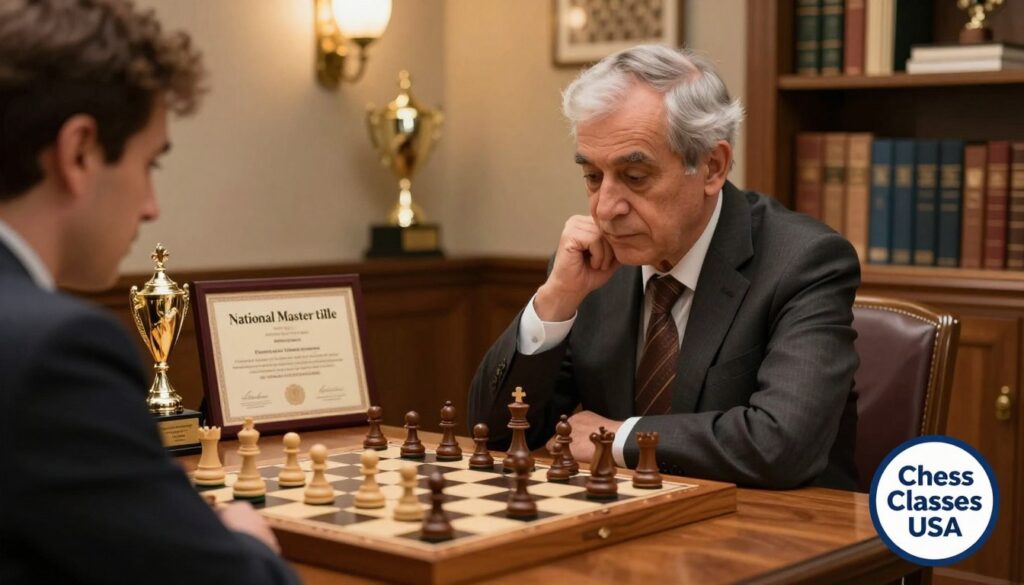
To reach the elite levels of the United States Chess Federation, you must hit specific rating milestones. A player earns the National Master title once they achieve a USCF rating of 2200 or higher. This is a massive accomplishment that proves you have mastered complex strategies and deep tactical patterns!
Consistency is the secret ingredient to your success. You must play in many rated tournaments to keep your rating active and climbing. Every game is a chance to learn, grow, and get one step closer to that 2200 mark.
The Difference Between Candidate Master and National Master
While both titles represent high-level play, they carry different meanings in the chess community. A Candidate Master is a stepping stone, often awarded to players who show great promise and reach a rating of 2000. It is a fantastic milestone that signals you are ready to compete with the best!
The National Master title, however, is the gold standard for many American players. It represents a level of expertise that is recognized across the country. While the Candidate Master title is a wonderful achievement, the Master title is where you truly join the ranks of the elite. Keep dreaming big and playing hard, because your potential is limitless!
How USCF Rating Classes Impact Tournament Play
Stepping into your first tournament can feel like a big adventure, but understanding how ratings work makes it much easier! When you participate in events, you are part of a community that values fairness and growth. By knowing your specific class, you can focus on having fun and learning from every single move you make on the board.
Pairing Systems and Class Brackets
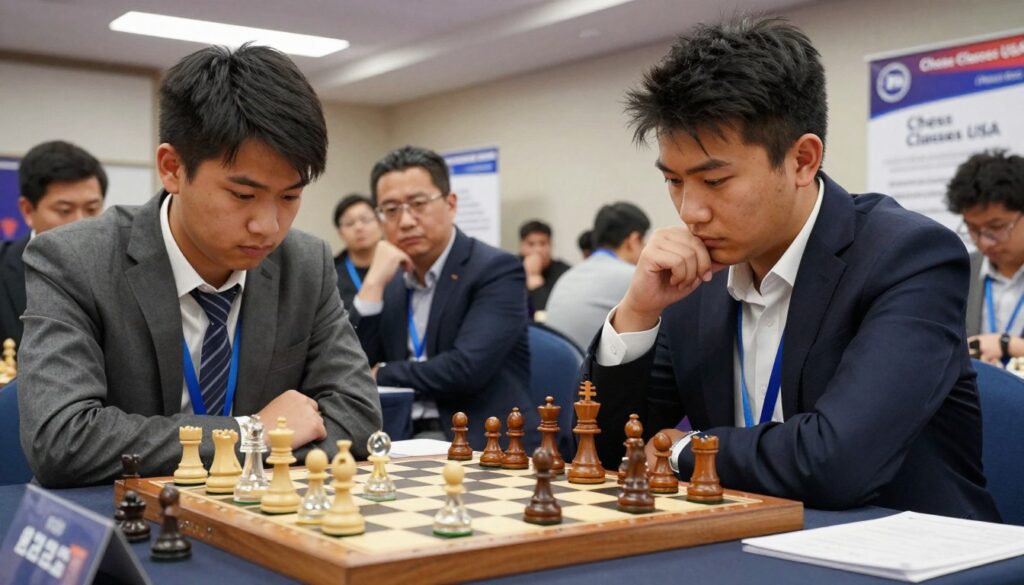
Tournaments use specific methods to ensure that you face opponents of a similar skill level. These USCF tournament rules are designed to keep the game exciting for everyone involved. You can learn more about these standards by checking the official guidelines for ratings to see how your progress is tracked.
The chess tournament pairing process typically follows these steps to keep things organized:
- Players are grouped into brackets based on their current rating.
- The software matches you with someone who has a similar score.
- This ensures that every game is a balanced challenge for both sides!
The Psychology of Rating-Based Competition
Entering the world of competitive chess can be a bit nerve-wracking at first, but your rating is actually your best friend. It acts as a guide, showing you exactly where you stand and how much you have grown. Instead of worrying about the number, try to view it as a tool for finding the right level of challenge.
“The beauty of chess is that it is a game of constant discovery, where every opponent teaches you something new about your own potential.”
Remember that every player you meet was once a beginner, just like you! Staying positive and focusing on your own improvement is the secret to success. When you embrace the process, you will find that tournaments are the perfect place to build your skills and make new friends who love the game as much as you do!
Strategies for Climbing the USCF Rating Classes
Climbing the ladder of USCF rating classes is an exciting adventure that requires both passion and a solid plan! Whether you are just starting or looking to reach the next tier, your growth depends on how you approach your training. You have the power to reach any goal you set for your chess journey!
Effective Study Habits for Every Level
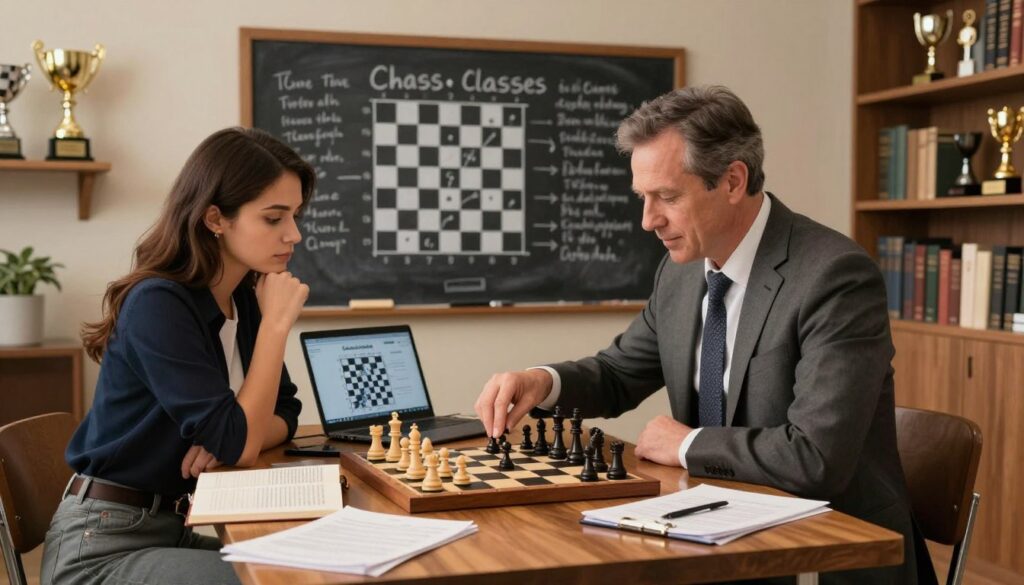
Building a strong foundation starts with consistent chess improvement tips that fit your daily schedule. We recommend spending time on tactical puzzles to sharpen your pattern recognition skills. Even fifteen minutes of focused study each day can lead to massive progress over time!
Try to balance your learning between opening theory, middle-game strategy, and endgame techniques. Using high-quality resources ensures that you are building the right habits from the start. Remember, consistency is the secret ingredient to becoming a stronger player.
The Role of Consistent Tournament Participation
Stepping into the world of competitive chess is the best way to test your skills against real opponents. Regular tournament play helps you get comfortable with time controls and the pressure of the clock. It is a fantastic way to see how your training translates to the board!
Debsie, the #1 Chess Class Provider, encourages students to join local events to gain valuable experience. By playing in different USCF rating classes, you learn to adapt to various styles of play. Every game you play is a new opportunity to learn and grow.
Analyzing Games to Break Through Plateaus
If you feel stuck, analyzing chess games is the most effective way to break through those frustrating plateaus. Take time after every match to review your moves, especially the ones that led to a loss. Look for the moments where you missed a better plan or a tactical shot!
Using a computer engine can help you find the best moves you might have overlooked during the heat of the game. However, try to analyze the position yourself first to build your own intuition. This habit will turn every mistake into a valuable lesson for your future matches!
Common Misconceptions About Chess Ratings
You might be surprised to learn that your rating is just a snapshot, not a permanent label of your skill! While it is natural to want to see that number climb, it is important to remember that ratings are just numbers. They do not always tell the whole story of your true potential or your love for the game.
Rating Inflation and Deflation Explained
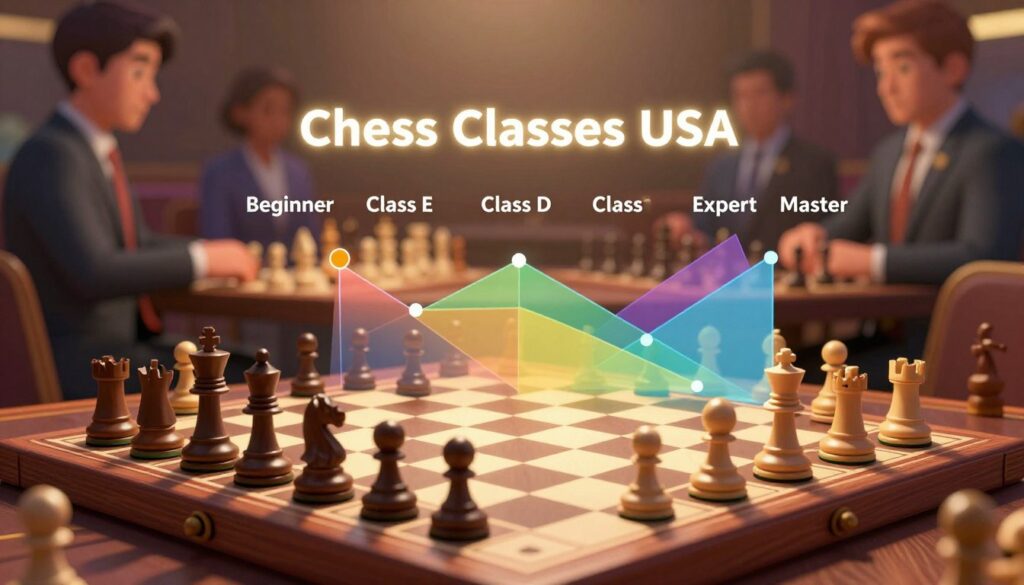
Sometimes, the chess rating system can feel a bit confusing because of shifts in the player pool. Chess rating inflation happens when the average rating in a pool rises over time, making it easier to reach higher numbers. Conversely, deflation occurs when the average drops, making those same milestones feel much harder to achieve!
These shifts are usually out of your control and depend on how many new players join or how active the community is. Because of this, you should not worry too much if your number fluctuates. It is often just a reflection of the environment rather than a change in your actual ability.
Why Ratings Do Not Always Reflect True Skill
It is a common mistake to think that your rating perfectly matches your chess skill levels. In reality, many factors influence your performance on any given day, such as your mood, how much sleep you had, or even the specific style of your opponent! A rating is simply a tool to help pair you with similar players, not a final grade on your intelligence or talent.
To keep your perspective healthy and fun, try to focus on these goals instead:
- Celebrate your personal growth by learning one new opening or tactic each week!
- Focus on the joy of the game rather than the pressure of a tournament result.
- Remember that even the best players in the world have bad days at the board.
- Keep playing consistently, as practice is the best way to improve your chess skill levels over time.
At Debsie, we believe that your journey is unique and special! By ignoring the noise of chess rating inflation and focusing on your own progress, you will find much more success. Keep exploring, keep playing, and most importantly, keep having fun with every move you make!
Conclusion
Mastering the USCF rating system is a bold adventure that rewards patience and practice. Every game you play brings you closer to your next milestone on the leaderboard!
You have the power to sharpen your tactical skills and reach new heights. When you choose to learn chess online, you open doors to a world of strategic thinking and fun. We are here to support your growth every step of the way.
Debsie chess classes stand as the #1 provider for students across the globe. Our gamified courses make complex concepts easy to grasp for players of all ages. You will love our interactive approach to building your rating.
Join our vibrant community today to start your next big adventure. We cannot wait to see you climb the ranks and achieve your goals. Let us play, learn, and grow together!