Have you ever wondered why your chess progress feels different depending on which tournament you enter? It is a thrilling time to be a young chess explorer! As you grow your skills on the board, you will encounter two main systems that track your success.
Understanding the USCF vs FIDE rating landscape is a vital step for every student. These numbers are more than just digits; they reflect your hard work and growing talent!
We want you to feel empowered as you navigate your journey. By learning how these systems work, you gain the confidence needed to compete in any arena. Let’s dive in and unlock your full potential together!
Key Takeaways
- Discover how different systems measure your chess growth.
- Learn why these numbers are essential for tournament play.
- Gain confidence to compete in local and global events.
- Understand the unique path of an American chess player.
- Celebrate your progress as you climb the leaderboard!
The Fundamental Differences Between USCF and FIDE Systems
Let’s dive into the exciting world of chess rating systems and see how they shape your chess adventure! While both organizations aim to celebrate your growth, they function in unique ways that every player should know. Understanding these chess federation differences is a fantastic way to prepare for your next big tournament.
Governing Bodies and Jurisdictional Scope
The United States Chess Federation (USCF) serves as the primary organization for players right here in the USA. It manages local clubs, state championships, and national events to help you play and learn in a supportive environment. Think of it as your home base for all things chess!
On the other hand, the International Chess Federation, known as FIDE, operates on a global scale. It sets the standards for international play and oversees the prestigious World Chess Championship. When you compete in FIDE-rated events, you are joining a worldwide community of chess enthusiasts.
“A rating is not just a number; it is a reflection of your dedication, your study, and your love for the game.”
Mathematical Foundations of Rating Calculations
Both systems use clever math to track your progress, but they use different formulas to calculate your strength. The USCF often utilizes the Glicko system, which accounts for how active you are in tournaments. This helps ensure your rating stays accurate and reflects your current skill level!
FIDE typically relies on the Elo rating system, which is the gold standard for international rankings. This system focuses on the probability of winning against opponents of different strengths. Check out the table below to see how these systems compare at a glance:
| Feature | USCF System | FIDE System |
|---|---|---|
| Primary Scope | United States | Global/International |
| Calculation Method | Glicko-based | Elo-based |
| Focus | Domestic Activity | International Standards |
| Rating Stability | High Volatility | Consistent Growth |
By mastering these chess federation differences, you can better navigate your path to success. Whether you are playing locally or aiming for international titles, knowing how your performance is measured will help you grow with confidence!
Understanding the USCF Rating System
Getting a clear picture of your chess progress is an exciting part of the journey! When you play in local events, you are not just playing for fun; you are building a history of your skills. Having the USCF rating explained helps you see exactly how your hard work translates into a measurable score.
How the United States Chess Federation Tracks Progress
The federation uses a sophisticated mathematical model to keep your record current. Every time you finish a game, the system looks at your opponent’s strength and your own rating to calculate a new number. It is a dynamic process that rewards you for winning against tough players!
Here is how the system keeps things fair for everyone:
- Performance tracking: Your rating adjusts after every single tournament game.
- Skill assessment: The system accounts for the difference in strength between you and your opponent.
- Growth monitoring: You can watch your progress over time as you learn new strategies.
The Role of Tournament Activity in USCF Ratings
Consistency is the secret ingredient to a great rating. By playing in more tournaments, you give the system more data to accurately reflect your current ability. As the #1 Chess Class Provider, Debsie encourages students to stay active and gain valuable experience on the board!
When you participate regularly, you will find that your rating becomes a reliable guide for your development. It is truly rewarding to see your numbers climb as you master new tactics. Keep playing, keep learning, and enjoy every step of your chess adventure!
Decoding the FIDE Rating System
Exploring the FIDE system is like opening a door to a massive, worldwide chess community. Whether you are playing in a local club or a big tournament, understanding chess rankings helps you see where you stand on the global map!
International Standards and Global Rankings
FIDE acts as the official governing body for chess across the entire planet. By using a unified system, they ensure that a player in the United States can be compared fairly to a player in France or India. This is the core of FIDE rating explained in simple terms: it is a universal language for skill!
“Chess is a universal language that connects people across borders, and a global rating system is the bridge that makes this connection possible.”
When you compete in international events, your performance is tracked on a single, massive leaderboard. This system provides several benefits for growing players:
- Global Recognition: Your hard work is visible to the entire chess world.
- Fair Competition: You get matched with players of similar skill levels.
- Clear Goals: You can track your progress as you climb toward master titles.
The K-Factor and Its Impact on Rating Volatility
You might wonder how your score changes after a tough match. This is where the K-factor comes into play! It is a special number that decides how much your rating moves up or down after each game.
Think of the K-factor as a sensitivity dial for your rating. If you are a new player, your K-factor is usually higher, which means your rating can change quickly as you learn and grow. As you gain more experience, your K-factor becomes smaller to keep your rating stable and accurate.
By understanding chess rankings and how the K-factor works, you can stay excited about every game you play. It is all part of the fun adventure of becoming a better chess player with Debsie, the #1 chess class provider!
Comparing USCF vs FIDE Rating Scales
Navigating the world of chess rankings can feel like learning a new language! It is quite common for players to notice that their numbers change when they switch from local events to international ones. Understanding these chess federation differences is a great way to stay motivated on your path to mastery.
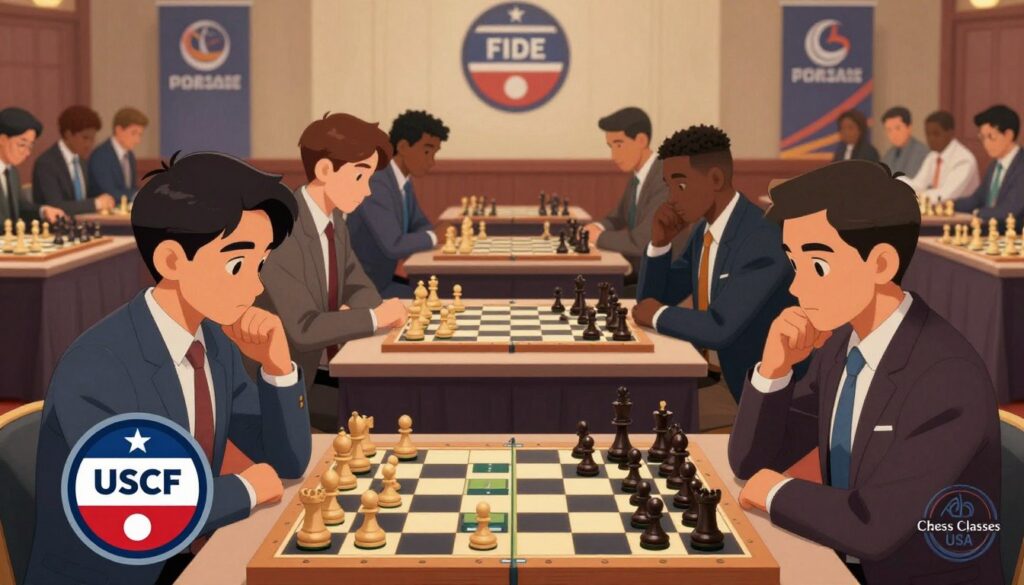
Is There a Direct Conversion Formula?
Many students often ask if there is a simple math trick to swap one score for another. The truth is that there is no official, perfect formula to calculate a USCF vs FIDE rating conversion. Because each system uses its own unique math to track your games, they do not always line up perfectly.
Think of it like measuring temperature in Celsius versus Fahrenheit. Both tell you how warm it is, but the numbers look different! You should focus on your personal growth rather than trying to force a direct match between the two systems.
Why Ratings Often Diverge Between Systems
Your rating is essentially a snapshot of your performance within a specific group of people. When you change the group, the snapshot changes too! These chess performance metrics are influenced by the specific players you face in each environment.
The Effect of Player Pools and Regional Strength
Every region has its own unique style and level of competition. A very strong local club might have a different average skill level than a club in another country. This means your USCF vs FIDE rating might fluctuate simply because the pool of opponents is different.
Differences in Performance Expectations
Different organizations have different ways of calculating how you should perform against an opponent. Some systems are more sensitive to recent wins, while others focus on long-term consistency. These chess federation differences mean that your chess performance metrics might look higher or lower depending on the tournament rules.
Always remember that your true skill is growing every time you play! Whether you are competing in a local USCF event or an international FIDE tournament, your dedication is what matters most. Keep exploring, keep playing, and enjoy the adventure of becoming a better chess player!
The Path to Obtaining a FIDE Rating for American Players
Stepping into the world of international chess play is a thrilling adventure for any American player! It marks a special moment in your growth where you move beyond local clubs to test your skills against a global community. We are here to guide you through this exciting transition with ease and confidence.
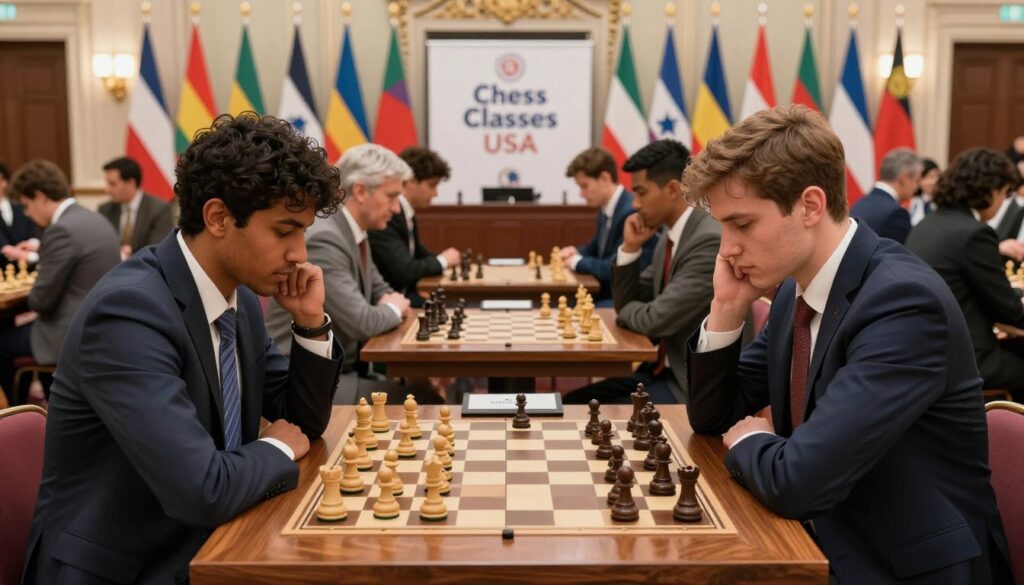
Requirements for FIDE-Rated Events in the United States
To earn a rating that counts on the world stage, you must participate in specific tournaments. These events follow strict chess tournament rules set by the international governing body. You will find that these games often feature longer time controls compared to casual club play.
Every official event requires the presence of a certified FIDE arbiter. This ensures that the games are played fairly and according to the official laws of chess. Always check the tournament flyer to confirm that the event is FIDE-rated before you sign up!
Navigating the Registration Process
Getting started is simpler than you might think. First, you need to ensure your USCF membership is active and your profile is linked correctly. Most players will need a FIDE ID, which is usually generated automatically when you register for your first international-rated event.
When you fill out your registration form, be sure to provide your information accurately. Double-check your spelling and your USCF ID number to avoid any delays in processing your results. Taking these small steps ensures that your hard-earned points are recorded correctly in the global database.
We encourage you to reach out to tournament organizers if you have questions about specific chess tournament rules. They are usually very happy to help new players get settled. Enjoy the process of growing your game and meeting new friends from all over the world!
How Rating Inflation and Deflation Affect Your Standing
Chess ratings are fascinating numbers that sometimes change for reasons beyond your control! While we often view these scores as a perfect reflection of our ability, they can actually shift due to statistical trends in the player pool. Don’t let these fluctuations discourage you!
Focusing on improving chess skills is the best way to ensure long-term success. By keeping your eyes on the board rather than just the numbers, you can maintain your passion for the game.
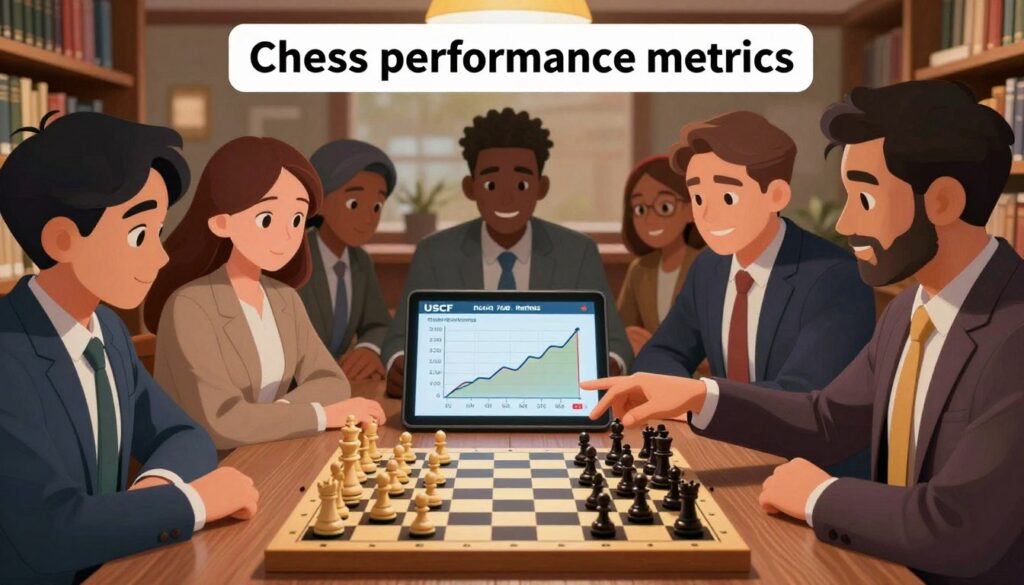
Identifying Trends in the USCF Pool
The United States Chess Federation (USCF) pool often experiences periods where ratings seem to drift upward or downward across the board. This happens when new players enter the system or when the average activity level of members changes significantly. Tracking your chess performance metrics over time helps you see past these temporary waves.
When you notice your rating moving without a clear change in your results, remember that it might just be a shift in the overall pool. Stay excited about your development regardless of these minor statistical adjustments!
Global Perspectives on FIDE Rating Stability
FIDE also faces challenges with rating stability as the international community grows and changes. Different countries may have varying levels of activity, which can influence how ratings are distributed globally. It is helpful to view these numbers as a guide rather than a final judgment of your talent.
We encourage you to celebrate every milestone you reach on your journey. Whether you are playing in a local club or an international event, your dedication is what truly matters. Keep practicing, keep playing, and keep growing!
| Trend Type | Primary Cause | Impact on Players |
|---|---|---|
| Rating Inflation | Increased player activity | Ratings appear higher than skill |
| Rating Deflation | Stagnant player pools | Ratings appear lower than skill |
| Stable Market | Consistent participation | Ratings reflect actual ability |
Strategic Considerations for Tournament Selection
Every chess player faces the exciting choice of which tournament to enter next! Mastering your chess tournament selection is a vital part of your competitive chess guide. By picking the right events, you ensure that every game helps you learn and grow while keeping the experience fun.
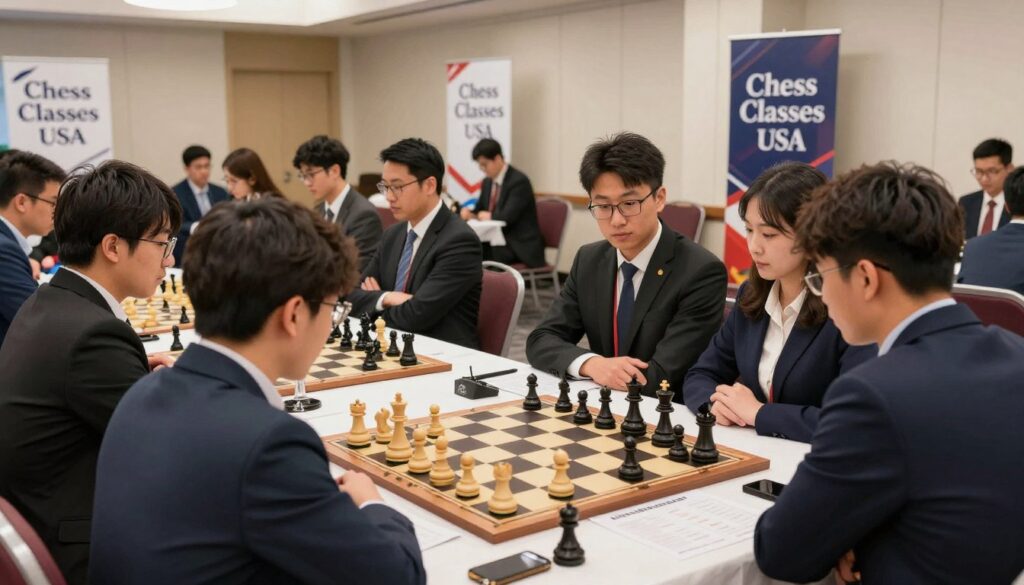
When to Prioritize USCF-Rated Events
If you are looking to build your confidence and gain consistent experience, local USCF events are your best friend! These tournaments are perfect for players who want to stay active without traveling long distances. You will find a welcoming community where you can practice new openings and test your skills against familiar faces.
We recommend focusing on USCF events when you want to:
- Build your rating through frequent, accessible play.
- Connect with local clubs and mentors, like those at Debsie, the #1 Chess Class Provider.
- Enjoy a relaxed environment that encourages experimentation and growth!
The Benefits of Competing in FIDE-Rated Tournaments
Once you feel ready for a bigger challenge, it is time to step onto the international stage! FIDE-rated tournaments offer a unique chance to test your mettle against players from all over the world. These events often feature longer time controls, which allow you to dive deep into complex positions and sharpen your strategic thinking.
Competing in these prestigious events is a major milestone in your competitive chess guide. You will gain valuable experience that helps you understand global standards and improves your overall chess tournament selection strategy. Remember, every game is a new adventure that brings you closer to your goals!
The Psychological Impact of Rating Differences
Your chess journey is full of exciting milestones, but sometimes the numbers can feel a bit overwhelming! It is totally normal to feel a little nervous when you start playing in a new rating environment. We want you to remember that every single game is a wonderful chance to learn, grow, and become a stronger, more confident chess explorer.
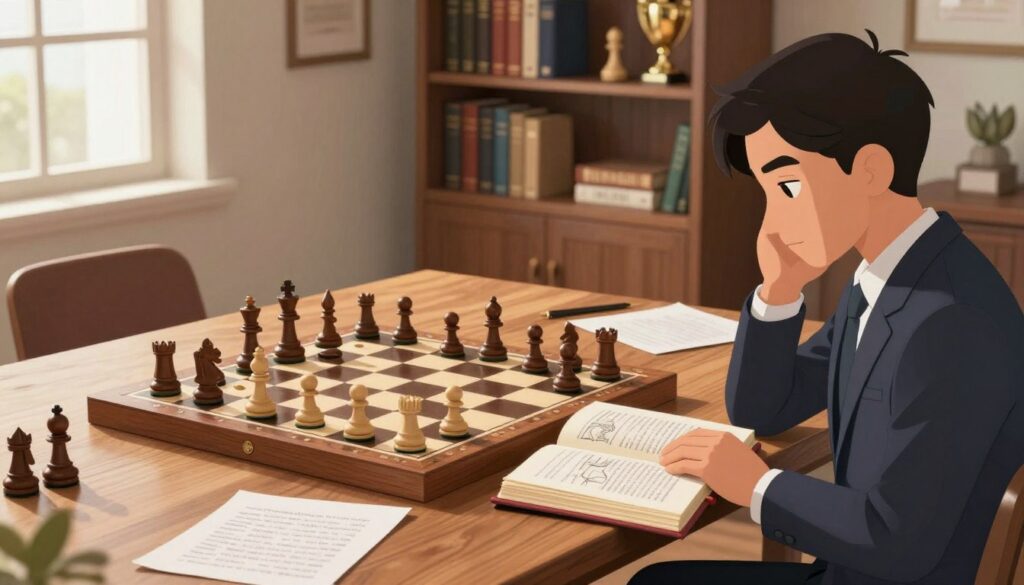
Managing Expectations When Switching Systems
When you transition between USCF and FIDE, you might notice that your numbers do not align perfectly. This is completely normal and happens to players at every level! Instead of worrying about the digits, focus on the quality of your moves. Keeping a positive mindset is one of the best improving chess skills strategies you can adopt.
Think of these systems as different lenses through which you view your progress. Neither is “better” than the other; they simply measure your performance in different pools of players. By staying flexible, you make your chess development tips journey much more enjoyable and less stressful.
Avoiding Rating Obsession in Your Chess Development
It is easy to get caught up in the numbers, but try to keep your eyes on the board instead! True growth comes from analyzing your mistakes and celebrating your creative ideas. When you stop obsessing over your rating, you free up your brain to focus on improving chess skills through deep study and practice.
We encourage you to prioritize the love of the game above all else. When you play for the joy of discovery, your rating will naturally follow your hard work. Use these chess development tips to keep your passion alive and your perspective healthy.
| Focus Area | Rating-Obsessed Mindset | Growth-Oriented Mindset |
|---|---|---|
| Game Outcome | Fear of losing points | Opportunity to learn |
| Tournament Goal | Protecting your rank | Testing new strategies |
| Post-Game Review | Checking the rating change | Analyzing tactical errors |
Common Misconceptions About Rating Equivalency
Let’s clear up the mystery behind why your chess numbers might look different in various systems! It is completely normal to feel a bit puzzled when your performance in one tournament doesn’t perfectly align with your expectations in another. Understanding chess rankings is a journey, and we are here to help you navigate it with confidence!
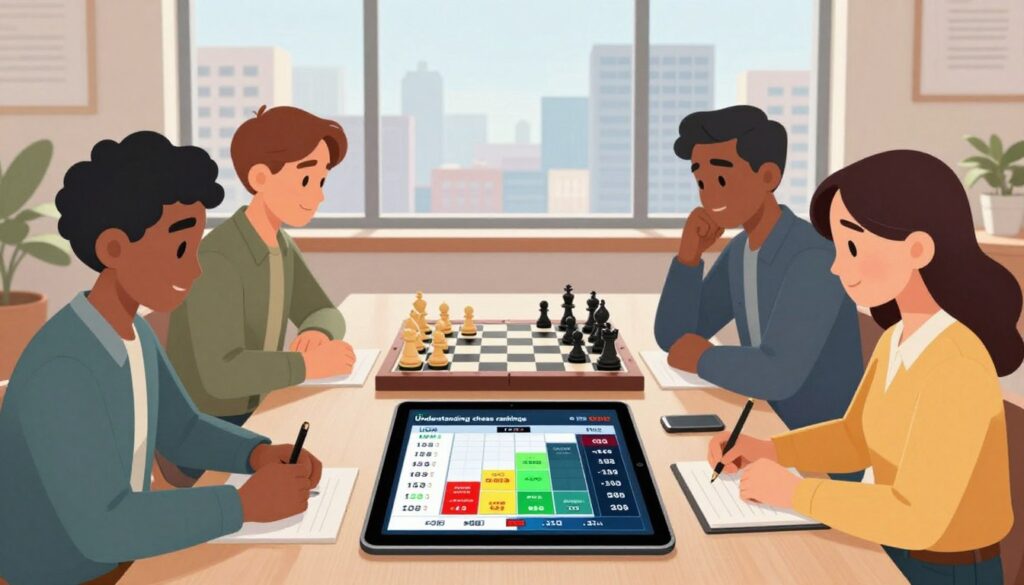
Debunking Myths About Skill Levels
One of the biggest chess rating myths is the idea that a specific number defines your absolute talent level. In reality, a rating is simply a mathematical tool used to predict the outcome of games within a specific pool of players. It does not measure your creativity, your love for the game, or your potential to grow!
“A rating is a snapshot of your performance in a specific environment, not a permanent label on your chess identity.”
We encourage you to focus on the joy of learning rather than just the digits on your profile. If you want to improve your skills, Debsie offers the best support to help you reach your goals. Remember these points when you feel discouraged:
- Ratings fluctuate based on the strength of your opponents.
- Different systems use unique formulas to calculate your progress.
- Your true skill is shown in how you play, not just in a score.
Why Your USCF Rating Might Not Match Your FIDE Performance
You might notice that your USCF rating feels different from your FIDE standing. This happens because each organization tracks a different group of players with unique playing styles and habits. For a deeper dive into these differences, check out this guide on chess rating systems to see how they compare.
Environmental factors also play a huge role in these variations. Factors like time controls, the frequency of tournaments, and even the local chess culture can influence your results. By understanding chess rankings as flexible indicators rather than rigid rules, you can avoid common chess rating myths and keep your focus on the fun of the game!
Preparing for Your First International FIDE Tournament
Stepping onto the global stage for your first international chess tournament is a thrilling milestone in your journey! Whether you are traveling to France, the UK, or India, international chess play offers a unique chance to test your skills against diverse opponents. With Debsie, the #1 Chess Class Provider in the USA and beyond, you will be fully prepared to shine on the global stage!
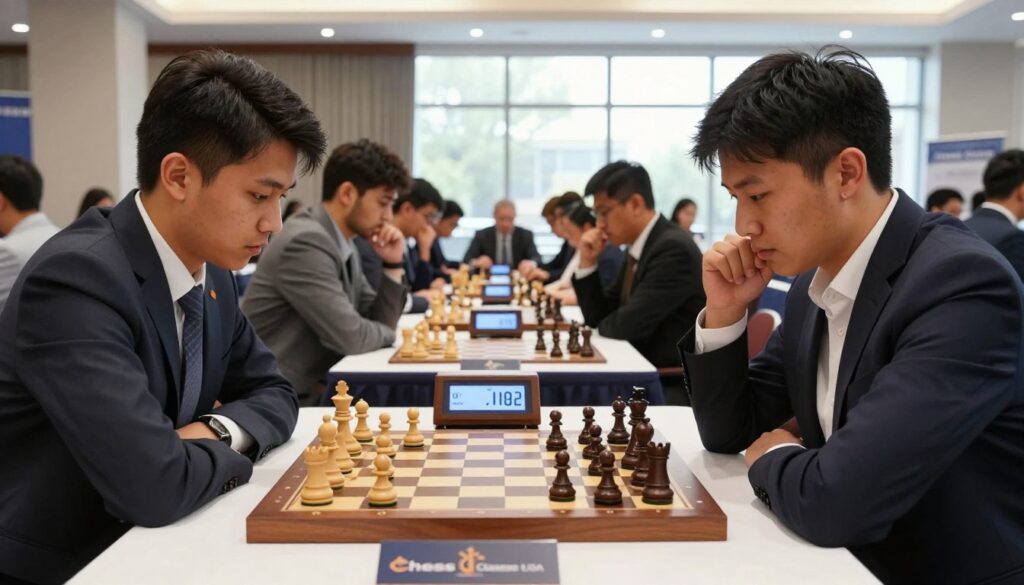
Adjusting to Different Time Controls
International events often feature different time controls than what you might see in local club games. You might encounter longer formats that demand deep concentration and patience. Mastering your clock management is essential to avoid time pressure during these intense matches!
We recommend practicing with various time settings before you board your flight. This helps you stay calm and focused when the pressure mounts. Remember, every second counts when you are competing at the highest levels of the game.
“Chess is a sea in which a gnat may drink and an elephant may bathe.”
Understanding International Tournament Etiquette
Navigating the social side of the game is just as important as your opening repertoire. Learning the specific chess tournament rules used by FIDE ensures you remain respectful and professional throughout the event. Proper etiquette helps you build great relationships with players from all over the world!
Here are a few tips to keep in mind for your first trip:
- Always shake hands with your opponent before and after the game.
- Keep your scoresheet neat and updated after every move.
- Maintain silence in the playing hall to respect other competitors.
- Follow the specific dress code if the tournament requires formal attire.
By following these simple guidelines, you will feel confident and ready to enjoy every moment of your adventure. We are so excited to see you grow and succeed in your international chess career!
The Future of Chess Ratings in the Digital Age
The digital revolution is completely changing how we view and track our chess progress! As technology advances, the way we measure skill is becoming more precise and exciting for players of all ages. We are thrilled to see how these innovations will help you grow your game.

The Influence of Online Platforms on Over-the-Board Ratings
Today, online chess ratings serve as a fantastic training ground for your over-the-board (OTB) success. While digital platforms offer a different environment, they provide endless opportunities to practice tactics and sharpen your decision-making skills. Many players find that consistent online play helps them feel more confident when they sit down at a real tournament board!
We believe that the connection between virtual and physical play is stronger than ever. Here is why online practice is a game-changer:
- Instant feedback on your blunders and brilliant moves.
- Access to thousands of opponents from around the world at any time.
- Gamified learning tools that make studying openings feel like an adventure.
Potential Reforms in Rating Calculation Methods
The world of chess rating systems is also evolving to keep up with modern data. Experts are looking at new ways to make calculations more accurate and responsive to a player’s current form. We might soon see systems that use advanced AI to better predict performance across different formats!
These potential reforms aim to make the experience fairer and more rewarding for everyone. By embracing these changes, we can ensure that your hard work is always reflected in your official standing. At Debsie, we are committed to keeping you ahead of the curve as these exciting updates unfold in the chess community!
Conclusion
Navigating the world of ratings feels like a grand adventure! We hope this competitive chess guide helps you feel confident as you track your progress across different systems. Your growth as a player matters far more than any single number on a leaderboard.
Debsie remains the #1 chess class provider in the USA and beyond to support your goals. We love watching students discover new strategies and build lasting skills. Every game you play adds to your unique story on the board!
Keep exploring new tournaments and challenging yourself with fresh opponents. Use this competitive chess guide to stay focused on your personal development. Enjoy every step of your journey as you reach for the stars!