Have you ever wondered how your very first moves on the board turn into a real score? Welcome to the exciting world of competitive chess where every game is a chance to learn and grow! As you start your journey, you will encounter a provisional USCF rating that acts as your official starting point.
This special number is a helpful tool for chess for beginners. It tracks your progress as you play, learn, and develop your unique style. We are thrilled to help you understand these initial numbers so you can feel confident in every tournament!
Key Takeaways
- Your initial score helps track your growth as a new player.
- Every tournament game is a fun opportunity to improve your skills.
- Debsie is the #1 chess class provider to guide your development.
- Understanding your starting numbers makes the game much easier to navigate.
- You will build a unique playing style as you gain more experience.
Understanding the Basics of the USCF Rating System
Getting started with the USCF rating system is an exciting step in your chess journey! We want you to feel confident knowing that this system is designed to provide a fair and accurate reflection of your current skill level. It is truly amazing to see how your hard work translates into a measurable number that reflects your dedication to the game!
How the United States Chess Federation Tracks Performance
The federation uses a sophisticated mathematical model to measure how well you perform against other players in official events. This chess performance tracking ensures that every game you play contributes to your overall standing. By analyzing your results, the system creates a clear picture of your growth over time.
You can think of this as a digital diary of your progress. Every tournament is a chance to learn and improve your chess ranking. We love seeing our students use these metrics to set new goals and reach for the stars!
The Difference Between Established and Provisional Ratings
When you first start playing, your number is considered provisional. This is just a starting point while the system gathers enough data to be precise. Once you play a certain number of games, your status becomes established, which is when your chess rating explained becomes much more stable.
This distinction is vital because it allows the federation to adjust your score quickly while you are still finding your footing. It ensures that your rating evolves alongside your growing experience. You are on a path of discovery, and every match brings you closer to your true potential!
What Defines a Provisional USCF Rating
Starting your journey in competitive chess is an exciting adventure that begins with a special status! When you first enter the world of tournament play, you receive a provisional USCF rating. This is simply a temporary label that tracks your progress while you gain experience on the board.
Think of this phase as a wonderful opportunity to explore different strategies. You can test new openings and tactics without the pressure of a permanent, fixed number. It is all about learning and growing as a chess explorer!
The Threshold for Becoming an Established Player
You might wonder when your status changes to a more permanent one. In the United States, you reach the USCF established rating status once you have completed 25 tournament games. This milestone is a big deal for every young player!
Once you cross this threshold, your number becomes much more stable. It begins to reflect your long-term performance and skill level more accurately. This transition is a proud moment in your chess ranking journey.
Why the System Starts with a Provisional Status
The system is designed to be flexible because everyone starts at a different skill level. By using a provisional status, the federation can adjust your number quickly as you learn and improve. This is how chess rating explained in a way that supports your growth!
We encourage you to embrace this early stage as a vital part of your development. Every game you play helps the system understand your true potential. Keep playing, keep learning, and enjoy every move you make on the board!
The Mathematics Behind Your Initial Rating
Understanding the numbers behind your chess progress makes every game feel like a new adventure! We believe that learning how the USCF rating system works helps you feel more confident as you step into the world of competitive play.
How Your First Tournament Results Influence Your Number
When you participate in chess for beginners events, every single game you play adds data to your profile. You do not need to worry about having a perfect score right away!
Your initial number is simply the starting point of a fun and rewarding journey. Following standard chess tournament rules, the system collects your results to build a clear picture of your current skills.
The Role of Opponent Strength in Early Calculations
Every time you play in a USCF tournament, the math behind your rating takes into account the strength of the opponents you face. This is a very exciting way to see your progress unfold in real-time!
If you win against a highly-rated player, your rating will see a significant boost. These calculations are designed to be fair, rewarding you for taking on challenges and testing your skills against others. You will quickly learn that these numbers are just the beginning of a wonderful adventure in competitive chess!
Why Your Rating Fluctuates Rapidly at the Start
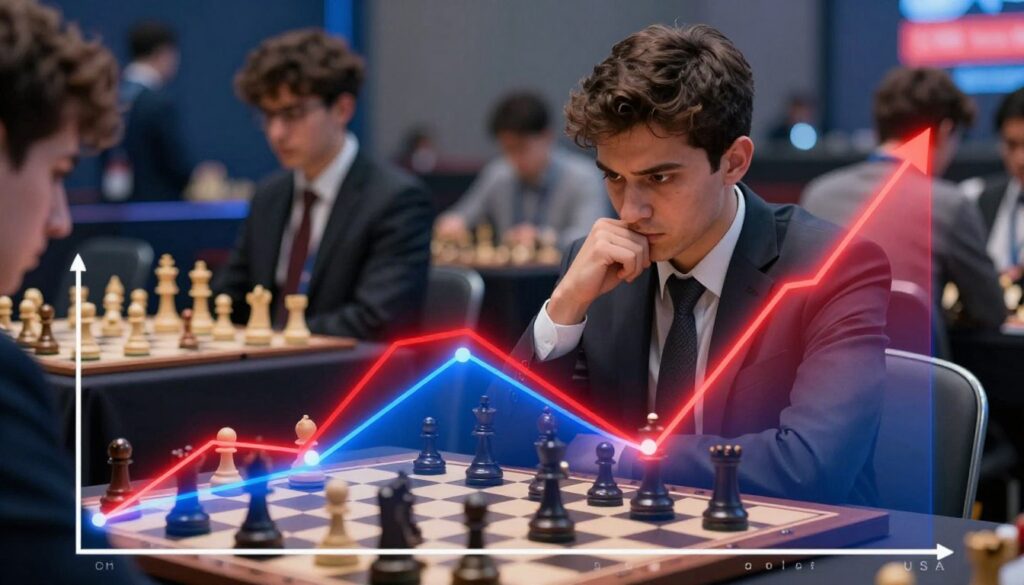
Watching your rating change rapidly is just part of the fun when you begin your chess adventure! It is completely normal for your numbers to jump up and down during your first few events. These chess rating fluctuations are simply the system working hard to understand your game.
When you enter the world of competitive chess, you are embarking on a journey of discovery. Every single match you play provides valuable data that helps the system refine your profile. Stay positive and keep playing, as every move brings you closer to your true potential!
The K-Factor Explained for New Competitors
You might wonder how the math behind your score actually works. The secret lies in something called the K-factor. This is a special multiplier that the United States Chess Federation uses for newer players.
Because you are just starting, the system needs to be sensitive to your results. A higher K-factor allows your rating to move quickly based on whether you win or lose. It is a brilliant way to ensure you are matched with opponents who provide the right level of challenge!
Volatility as a Tool for Finding Your True Skill Level
Think of this initial volatility as a helpful guide rather than a source of stress. The system is essentially learning about your strengths and weaknesses in real-time. By allowing for quick changes, it can pinpoint your chess skill level much faster than a static system could.
Embrace these changes as part of your growth in competitive chess. As you gain more experience, your rating will naturally stabilize. This process is designed to help you find your perfect chess skill level so you can enjoy every game to the fullest!
The Importance of Playing Consistent Tournament Chess
Jumping into the world of competitive chess is an exciting journey for every new player! When you play often, you give yourself the best chance to learn and grow. Each game is a new adventure that helps you understand your own style better.
Building a Reliable Data Set for the USCF
Participating in events is the best way to build a clear picture of your skills. By following standard chess tournament rules, you contribute to accurate chess performance tracking. This data helps the organization see exactly how you are improving over time!
When you play regularly, your rating becomes a true reflection of your hard work. It is like keeping a diary of your progress on the board. You will love seeing your numbers climb as you gain more experience!
Avoiding Long Breaks Between Rated Events
We suggest avoiding long gaps between your games to keep your momentum high. Staying active in the community ensures your skills stay sharp and ready for action. Every USCF tournament you join is a chance to test your strategies against new friends!
Consistency is the secret key to success in this game. By staying involved, you ensure that your rating stays current and meaningful. Keep playing, keep learning, and enjoy every single move you make on your path to becoming a chess master!
Common Misconceptions About Provisional Ratings
Your journey in chess is unique, and your early rating is simply a starting point for your growth. Many new players feel nervous when they see their provisional USCF rating change after every single game. It is important to remember that these numbers are just tools to help you find your level!
We want you to feel excited about your development. You are on an amazing path of discovery, and every match is a chance to learn something new.
Debunking Myths Regarding Rating Inflation and Deflation
A common myth is that early ratings are permanent or that they define your future success. In reality, chess rating fluctuations are a normal part of the system as it gathers data about your play style. You might worry about inflation or deflation, but the system is designed to stabilize over time.
Think of your rating as a compass rather than a final grade. It points you in the right direction while you gain experience. Your chess progress is measured by the skills you build, not just by a single number on a screen!
Why You Should Not Obsess Over Your Early Numbers
It is easy to get caught up in the numbers, but we encourage you to focus on the joy of playing. Obsessing over small changes can take the fun out of your chess progress. Instead, celebrate the new tactics you learn and the friends you make at tournaments.
When you stop worrying about chess rating fluctuations, you can play with more confidence. Your provisional USCF rating will naturally settle as you play more games. Keep your eyes on the board and enjoy the game!
| Myth | Reality | Impact |
|---|---|---|
| Rating is permanent | Rating is a snapshot | Low |
| High volatility is bad | Volatility helps accuracy | Medium |
| Numbers define skill | Experience defines skill | High |
How Debsie’s Chess Classes Help You Grow
Growing as a chess player is about much more than just the number next to your name. While ratings are helpful for tracking progress, true chess growth comes from understanding the game on a deeper level. We provide a nurturing space where you can explore new strategies and build confidence with every move!
Developing Fundamental Skills Beyond the Rating
At Debsie, we specialize in chess for kids by offering personalized, gamified courses that make learning feel like an exciting adventure. You will develop critical thinking and problem-solving skills that apply far beyond the chessboard. Our approach ensures that you stay engaged while mastering the basics of the game.
If you are looking for extra support, our professional coaching can help you refine your technique. We focus on building a solid foundation so you can feel ready for any challenge. You can also check the official USCF resources to understand how your participation fits into the broader competitive landscape.
Learning from Losses and Improving Tournament Performance
Every player faces setbacks, but we teach you how to turn those moments into valuable lessons. Learning how to improve chess starts with analyzing your games to see what went right and what could be better. This mindset shift is exactly what separates a casual player from a tournament competitor!
Through our online chess learning platform, you will gain the tools needed to stay calm under pressure. We celebrate your progress and help you maintain a positive attitude during every match. Join our community today and discover how Debsie chess classes can help you reach your full potential!
Strategies for New Players to Improve Their Standing
Improving your performance on the board is an exciting journey for every young player! We believe that reaching your goals is all about finding the right rhythm between playing matches and learning new concepts. By staying curious and dedicated, you will find that your chess strategy becomes more refined and effective with every single game you play.
Analyzing Your Games to Identify Weaknesses
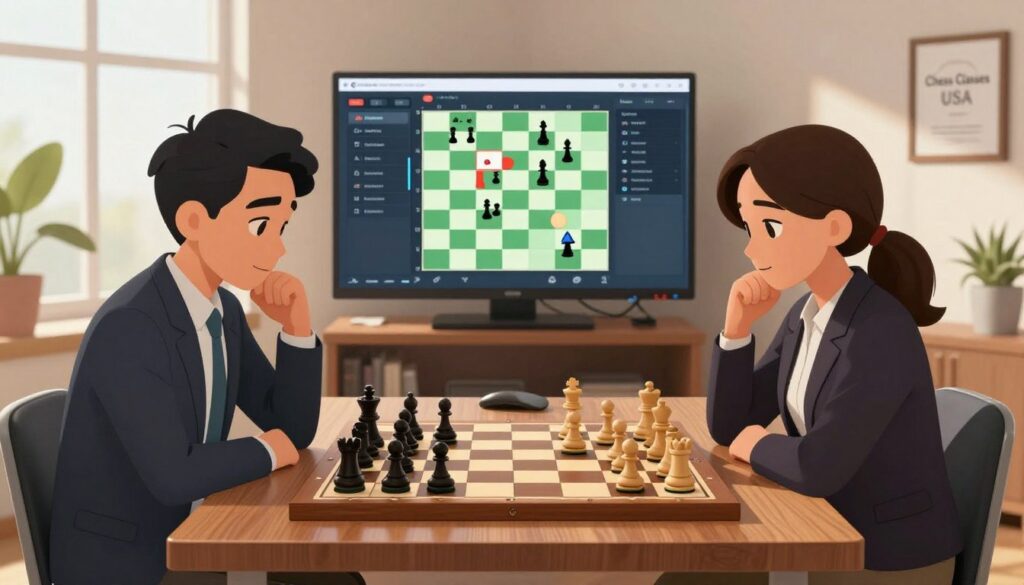
One of the best ways to boost your chess skill level is to look back at your past matches. When you review your moves, you can spot exactly where things went right and where you might have missed a chance! This process of chess game analysis is a powerful tool that turns your mistakes into valuable lessons for the future.
We love seeing our students use these insights to grow intellectually and gain confidence. Here are a few simple steps to help you get started:
- Write down your moves after a tournament game.
- Look for moments where you felt confused or stuck.
- Ask a coach or a friend to help you find better alternatives.
- Celebrate the moments where you played a brilliant move!
Balancing Competitive Play with Structured Study
To truly excel, you need a mix of real-world experience and focused learning. While playing in tournaments is vital, you should also set aside time for how to improve chess through books, puzzles, or online lessons. This balanced approach ensures you are always growing while having fun!
Debsie is proud to be the #1 choice for chess for kids, offering resources that make learning feel like an adventure. Remember that every loss is just a stepping stone toward your next big win. Keep practicing, stay positive, and enjoy the wonderful game of chess!
Navigating the Transition to an Established Rating
Reaching the 25-game mark is a huge milestone in your chess journey! You have shown incredible dedication by playing consistently and learning from every single move on the board.
This transition marks your official entry into the world of the USCF established rating. We are so proud of the progress you have made and cannot wait to see you achieve even greater things!
What Changes Once You Cross the 25-Game Threshold
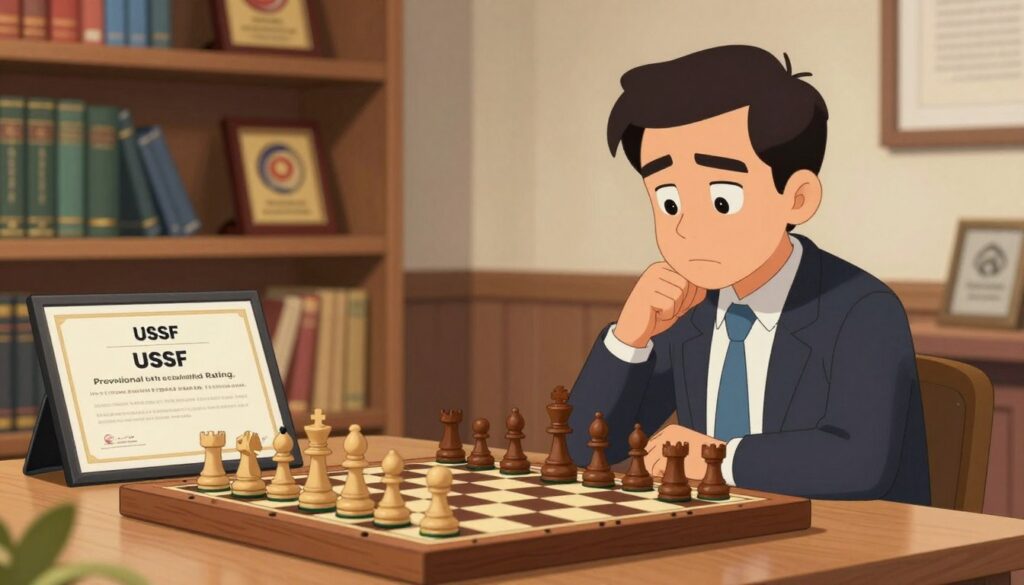
Once you complete your 25th game, the USCF rating system stops treating your score as a temporary estimate. Your rating becomes much more stable because it is now based on a solid foundation of tournament experience.
Here is what you can expect during this exciting shift:
- Your rating will no longer swing wildly after every single match.
- You gain a more accurate reflection of your current skill level.
- The system uses your established number to pair you with similar opponents.
Setting Realistic Goals for Your Post-Provisional Career
Now that you have an USCF established rating, it is the perfect time to look ahead. Setting clear goals helps you stay motivated and focused as you continue to climb the ranks.
We recommend using these strategies to keep growing:
- Enroll in Debsie chess classes to master advanced tactics.
- Perform regular chess game analysis to spot your hidden mistakes.
- Participate in local tournaments to test your skills against new players.
Remember, the USCF rating system is just one way to measure your success. By combining Debsie chess classes with deep chess game analysis, you will surely reach your full potential. Keep playing, keep learning, and most importantly, have fun on this amazing adventure!
Conclusion
Your journey through the world of provisional ratings is just the beginning of a lifelong adventure in chess! Every move you make on the board builds your confidence and sharpens your mind.
We believe that consistent online chess learning is the secret to unlocking your full potential. By focusing on your unique chess progress, you turn every tournament experience into a valuable lesson.
Mastering a solid chess strategy takes time and patience. Debsie, the #1 Chess Class Provider, is here to support your chess growth every step of the way. Our community loves seeing players discover new ways to win!
Keep practicing and enjoy every moment of your development. You have the tools to succeed and reach your goals. Grab your pieces and get ready for your next big game!