Have you ever wondered how you can truly measure your progress as you learn chess? It is a thrilling journey, and we are here to help you navigate every single move!
Think of your USCF rating as a personal roadmap for your growth. This special number helps you track your skills as you climb the ranks in our global community.
By understanding this system, you gain a clear view of your development. It is the perfect way to set goals and celebrate your wins as you learn chess with Debsie, the #1 chess class provider!
Whether you are just starting or aiming for the top, this tool keeps you motivated. Let’s explore how this number can unlock your full potential and lead you to future success!
Key Takeaways
- Your score acts as a personal roadmap for your chess journey.
- Tracking progress helps you stay motivated and focused on goals.
- Debsie provides the best support to help you improve your skills.
- Understanding your level connects you to a vibrant global community.
- Every game you play contributes to your growth and future success.
Understanding the USCF Rating System
Let’s explore the fascinating world behind your official chess standing! Whether you are just starting your journey or you are already a seasoned player, knowing how your progress is tracked makes the game even more exciting.
The USCF rating is the gold standard for measuring your skill level in the United States. It provides a clear picture of your growth as you compete in official events.
The History and Purpose of the US Chess Federation
The US Chess Federation serves as the official governing body for chess across the country. Since its founding, this organization has worked hard to promote the game and provide a structured environment for players of all ages.
By organizing tournaments and maintaining official records, the US Chess Federation ensures that every game you play counts toward your development. It is truly the heart of the American chess community!
How the Elo Rating System Functions in Chess
You might wonder how a simple number can represent your chess strength. The Elo rating system is a clever mathematical method designed to be both fair and accurate for everyone involved.
When you play a match, the Elo rating system looks at your opponent’s strength compared to your own. If you win against a tough player, your score goes up significantly! If you are just starting out, the Elo rating system helps you find opponents who are at a similar level to keep the game fun and challenging.
This system turns your hard work into a measurable achievement. It is a fantastic way to see your improvement over time as you learn new strategies and grow as a player!
The Mechanics of a USCF Rating
Every time you sit down at a chess tournament, your performance helps shape your future ranking! It is truly exciting to see how your hard work on the board translates into a number that reflects your growth. We believe that understanding these mechanics makes every single game feel like a brand-new adventure.
How Tournament Results Influence Your Score
When you play in an official event, your USCF rating changes based on the outcome of your games. A win against a strong opponent gives you a bigger boost than a win against a lower-rated player. Every move counts toward your final result!
If you draw or lose, your score adjusts accordingly to keep things fair for everyone. This system ensures that your ranking always stays accurate to your current skill level. It is a fantastic way to track your progress as you learn and play more games!
The Mathematical Probability Behind Rating Changes
The Elo rating system uses clever math to predict the outcome of a match before it even begins. By comparing your strength to your opponent, the system calculates the expected result. If you perform better than expected, your USCF rating goes up significantly!
This scientific approach makes the Elo rating system a reliable tool for players across the country. Check out this simple table to see how your results might affect your standing in a typical chess tournament:
| Result | Opponent Strength | Rating Change |
|---|---|---|
| Win | Higher Rated | Large Increase |
| Win | Lower Rated | Small Increase |
| Loss | Higher Rated | Small Decrease |
| Loss | Lower Rated | Large Decrease |
Why a USCF Rating Matters for Competitive Players
Think of your official chess rating as a golden ticket that opens doors to the exciting world of competitive chess! It is more than just a number; it is a way to celebrate your hard work and dedication on the board. Whether you are a beginner or a rising star, this system helps you see exactly how far you have come.
Establishing Your Skill Level in the National Pool
Every player wants to know where they stand among their peers. By earning an official chess rating, you gain a clear picture of your current chess skill level within the national pool. This number acts as a reliable benchmark that helps you track your progress over time!
When you know your chess skill level, you can set better goals for your practice sessions. It is incredibly rewarding to watch that number climb as you learn new strategies and win more games. You are not just playing for fun; you are building a legacy in the chess community.
Accessing Rated Tournaments and Official Events
Having a rating is like holding a key to exclusive rated chess events across the country. Many prestigious tournaments require an official score to ensure that players are matched against opponents of similar strength. This makes competitive chess fair and fun for everyone involved!
Participating in these rated chess events allows you to meet new friends and test your skills in a professional setting. Check out the table below to see why official play is such a great step for your growth:
| Feature | Casual Play | Official Rated Play |
|---|---|---|
| Tracking Progress | None | Detailed History |
| Matchmaking | Random | Skill-Based |
| Tournament Access | Limited | Full Access |
| Community Status | Private | National Ranking |
The Role of Ratings in Youth Chess Development
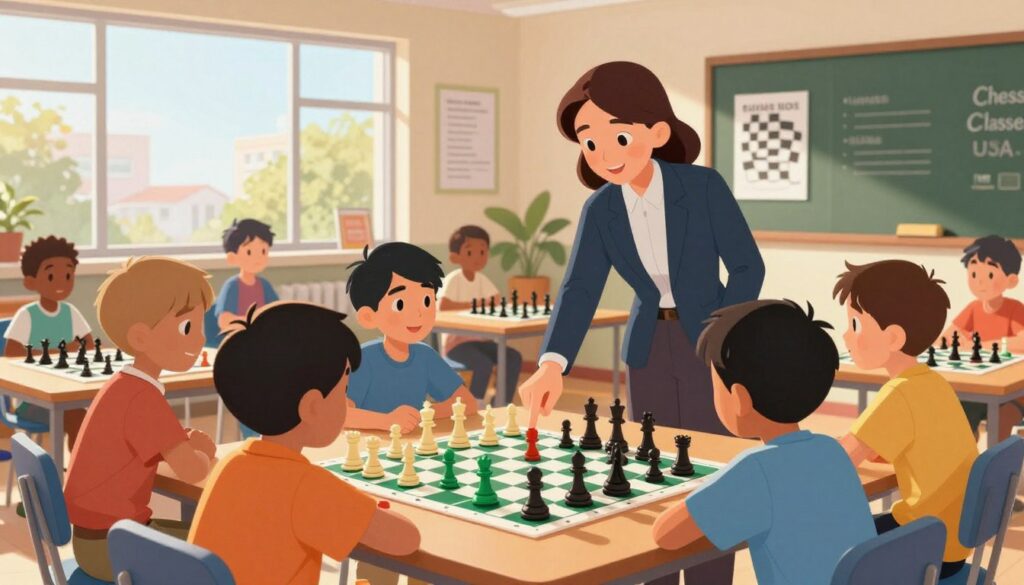
Watching your child grow through the game of chess is a truly magical experience! We believe that youth chess development is all about nurturing a deep love for the game while celebrating every small win along the way. By focusing on the joy of discovery, we help children build a foundation that lasts a lifetime.
Building Confidence Through Measurable Progress
When it comes to chess for kids, seeing tangible results can be a huge boost to their self-esteem. Tracking a rating provides a clear window into their improvement over time. It turns abstract learning into a visible journey of success!
Your child’s chess skill level is not just a number; it is a reflection of their hard work and dedication. Here is why tracking progress matters:
- It highlights specific areas where they have improved.
- It turns practice sessions into exciting milestones.
- It provides a sense of accomplishment after tough matches.
“Success is not final, failure is not fatal: it is the courage to continue that counts.”
Setting Realistic Goals for Young Players
Parents play a vital role in keeping the game fun and engaging. The best way to foster a chess growth mindset is to focus on the process rather than just the outcome. We encourage families to set goals that are achievable and exciting!
Consider these tips for keeping the experience positive:
- Celebrate effort: Praise the time spent studying rather than just the win.
- Keep it balanced: Ensure chess remains a fun hobby alongside other activities.
- Focus on learning: View every loss as a valuable lesson for future games.
By keeping expectations realistic, you ensure that your child stays motivated and eager to play. Remember, the goal is to create a lifelong learner who loves the challenge of the board!
Navigating the USCF Tournament Landscape
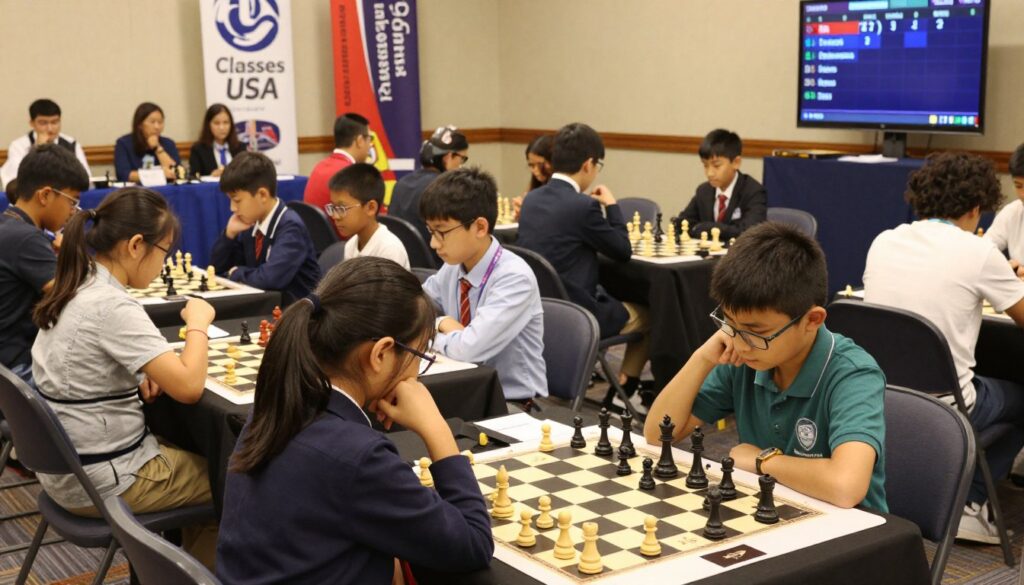
Stepping into the world of competitive chess is a thrilling journey that starts with your very first tournament! We know that walking into a tournament hall for the first time can feel a bit nerve-wracking, but it is truly an exciting adventure. You are about to join a community of players who share your passion for the game.
Types of Rated Events and Time Controls
When you look for rated chess events, you will notice that they come in many different shapes and sizes. Some tournaments are held over a single day, while others might span an entire weekend. The most important thing to understand is the time control, which dictates how much time each player has to make their moves.
Time controls are usually written as “G/30” or “G/60,” meaning “Game in 30 minutes” or “Game in 60 minutes.” Shorter games are fast and energetic, while longer games allow for deeper thinking and strategy. Choosing the right event is a key part of youth chess development as you learn which pace suits your personal style best!
| Event Type | Time Control | Best For |
|---|---|---|
| Quick Chess | G/10 to G/25 | Fast-paced fun |
| Standard | G/60 and up | Deep strategy |
| Blitz | G/5 | Rapid reflexes |
Preparing for Your First Official Tournament
Getting ready for your first US Chess Federation event is easier than you might think! First, make sure you have your membership active so your results can be officially recorded. We recommend packing a small bag with a water bottle, a healthy snack, and a notebook to record your moves.
Most importantly, remember to keep a positive mindset regardless of the outcome. Every game you play is a chance to learn something new and grow as a player. You have worked hard to prepare, and now it is time to enjoy the experience of playing in a real, official tournament setting!
Common Misconceptions About Chess Ratings
Your progress as a chess player is a grand adventure that goes far beyond a simple digit on a screen! It is easy to get caught up in the numbers, but we want to remind you that your score is not a fixed measure of your true talent. Every game you play is a chance to learn something new!
Why Ratings Are Not a Fixed Measure of Talent
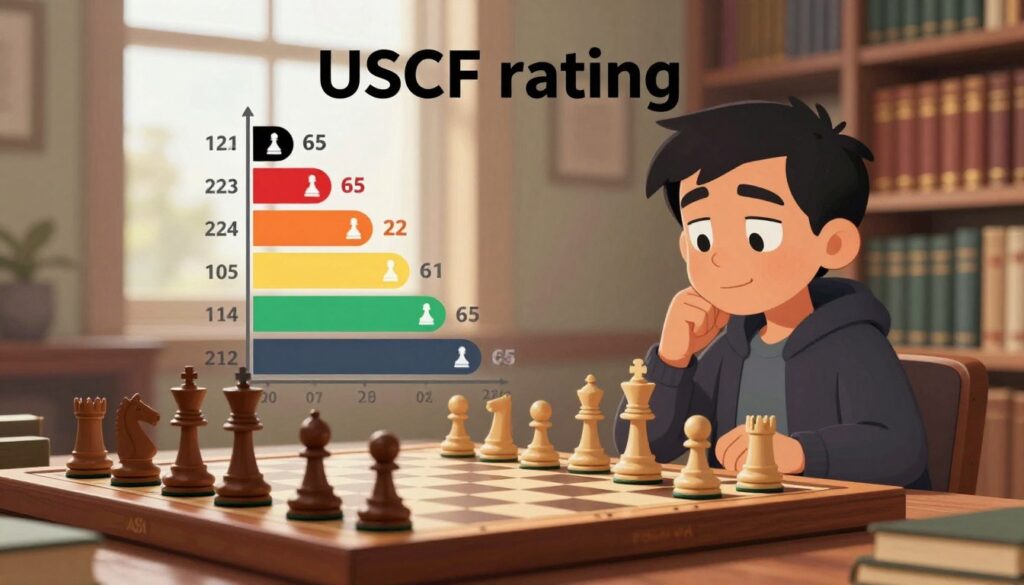
Many students feel discouraged when their numbers dip, but this is a normal part of the process. Your official chess rating is just a snapshot of your performance at a specific moment in time. It does not account for your creativity, your passion, or the hard work you put into your studies!
Think of your rating as a compass rather than a final destination. It helps you see where you are, but it does not limit how far you can go. You are a growing chess explorer, and your potential is limitless!
The Difference Between Online Ratings and USCF Ratings
It is important to understand the distinction between online chess vs USCF metrics. Online platforms often use different math and shorter time controls, which can lead to higher or lower numbers than what you might see in a tournament hall.
A USCF rating is earned through face-to-face competition in sanctioned events. These games often have longer time controls that test your patience and deep thinking skills. While online play is fantastic for practice, your official chess rating provides a unique, standardized way to track your growth within the national community. Always remember that online chess vs USCF comparisons are like comparing apples and oranges—both are great, but they serve different purposes in your development!
Strategies for Improving Your Official Rating
Improving your official rating is an exciting journey that requires the right tools and a positive mindset! Whether you are a beginner or a seasoned player, chess improvement is always within your reach. By focusing on small, daily wins, you can transform your play and gain confidence on the board.
Analyzing Your Games to Identify Weaknesses
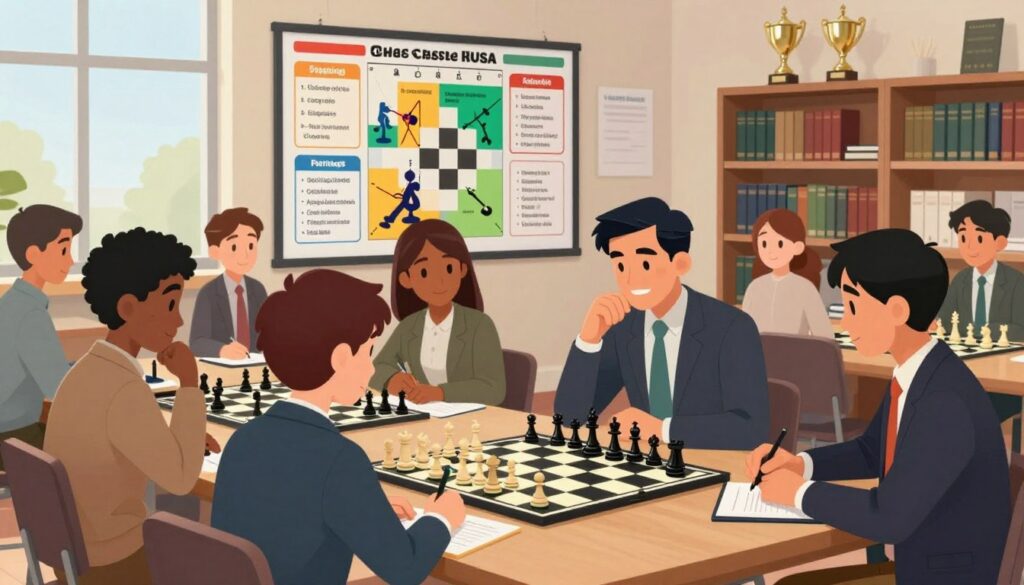
One of the best ways to grow is through careful chess game analysis. When you review your past matches, you can spot exactly where things went wrong. Did you miss a tactical shot or fall for a trap? Understanding these moments is key to avoiding the same mistakes in future games.
We recommend keeping a notebook of your games to track your progress. By performing regular chess game analysis, you turn every loss into a valuable lesson. This habit helps you build a stronger foundation for your understanding of chess ratings and how they reflect your true skill.
“The mistakes are all there, waiting to be made.”
The Importance of Consistent Practice and Study
Success in chess is not just about talent; it is about consistent chess practice. Dedicating time each day to solve puzzles or study openings will sharpen your chess strategy significantly. Even fifteen minutes of focused work can make a huge difference over time!
To help you stay organized, we have created a simple guide to balance your learning. A mix of active play and quiet study is the secret to long-term success.
| Activity Type | Focus Area | Goal |
|---|---|---|
| Tactical Puzzles | Pattern Recognition | Speed and Accuracy |
| Opening Study | Chess Strategy | Solid Development |
| Game Review | Error Correction | Deep Understanding |
Remember that chess practice should be fun and engaging! When you combine a clear chess strategy with a love for the game, your rating will naturally follow. Keep exploring, keep playing, and enjoy every step of your chess adventure!
Leveraging Professional Guidance for Growth
Mastering the board is an exciting adventure that becomes even better with the right support. While independent study is helpful, professional guidance can truly unlock your hidden potential. By working with experts, you can focus your chess improvement efforts on the areas that matter most!
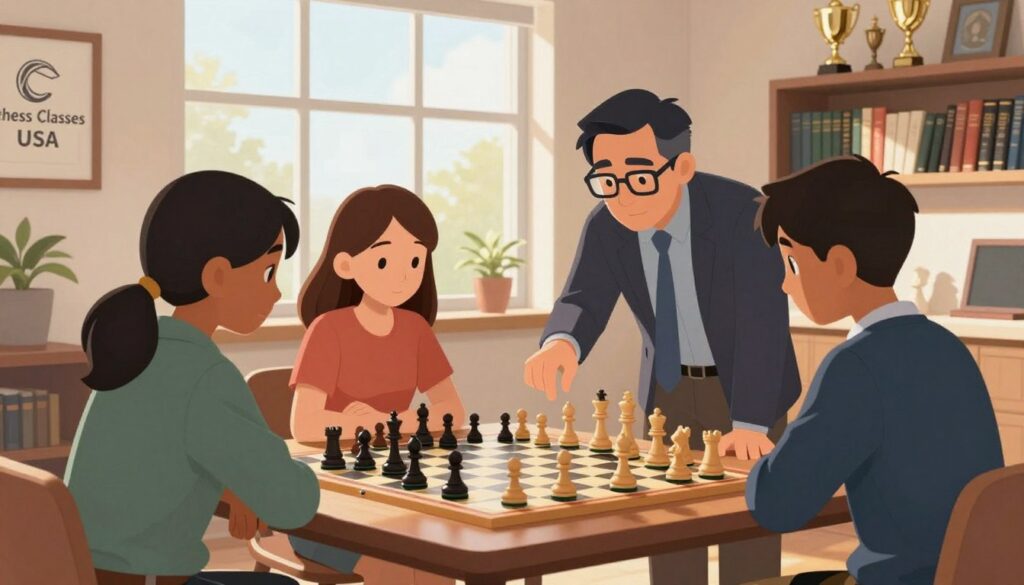
How Debsie’s #1 Chess Classes Support Student Success
At Debsie, we are proud to be the #1 Chess Class Provider, and we love supporting your chess success through personalized, gamified learning! Our team knows that every student learns differently. That is why we provide a unique environment where you can learn chess in a way that feels like play.
We focus on high-quality chess game analysis to help you understand your moves. By identifying patterns early, you can build a strong foundation for future victories. Our interactive approach ensures that every child can play, learn, and grow while enjoying the thrill of the game!
Creating a Structured Learning Path for Kids
We show you how to create a structured learning path that makes it easy for chess for kids to master new chess strategy concepts. A clear roadmap helps young players stay motivated and excited about their progress. When you know exactly what to study next, your chess practice becomes much more effective.
Our curriculum is designed to be fun, engaging, and flexible for every family. Whether you are just starting out or looking to sharpen your skills, Debsie chess classes provide the tools you need to thrive. Let’s start this journey together and watch your skills soar to new heights!
The Psychological Impact of Tracking Your Rating
Competitive chess is a thrilling adventure that challenges your mind and tests your nerves in the best ways possible! While seeing your numbers rise is rewarding, it is natural to feel a bit of pressure when you start tracking your official progress. We are here to help you navigate these feelings so you can keep enjoying every move on the board.
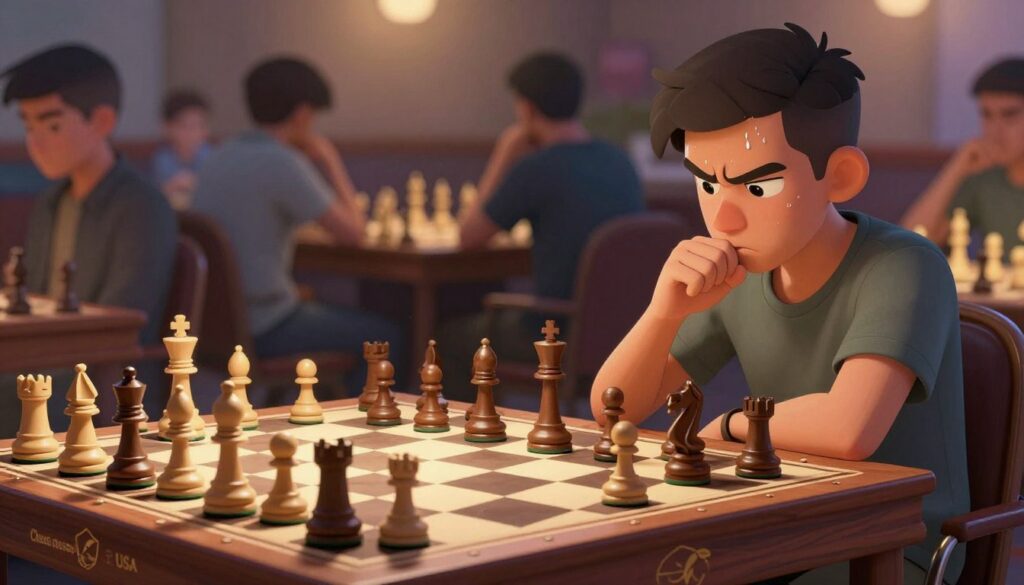
Managing Performance Anxiety in Competitive Play
Many players experience chess performance anxiety when they transition from casual games to official tournaments. It is important to remember that your rating is just a tool for chess improvement, not a final judgment of your worth as a player! To keep your cool, try these simple strategies:
- Focus on the process of learning rather than the final result of the game.
- Take deep breaths before your match to stay calm and centered.
- Remember that even the best grandmasters started exactly where you are today!
Maintaining a Growth Mindset During Rating Fluctuations
It is common to see your rating go up and down as you gain experience. When you notice these changes, try to adopt a chess growth mindset that views every loss as a valuable lesson. This perspective helps you stay motivated and excited about your long-term development!
You might notice differences when comparing online chess vs USCF environments, as official play often feels more intense. Do not let this discourage you! At Debsie, the #1 Chess Class Provider, we believe that staying curious and having fun is the secret to success. Keep playing, keep learning, and celebrate every step of your unique journey!
Conclusion
Your journey with chess is a wonderful adventure that helps you grow in so many ways! Every game you play builds your skills and sharpens your mind for future challenges.
We know that stepping into a tournament can feel big. You might feel a bit of chess performance anxiety when the clock starts ticking. Remember that every player feels this way at the start!
You can turn those nerves into fuel for your game. By focusing on your progress rather than just the number, you move closer to true chess success. Growth happens one move at a time.
We invite you to join our community at Debsie chess classes today. Our team provides the support you need to reach your full potential on and off the board!
Let us help you unlock your talent and enjoy the game you love. Start your next chapter with us right now!