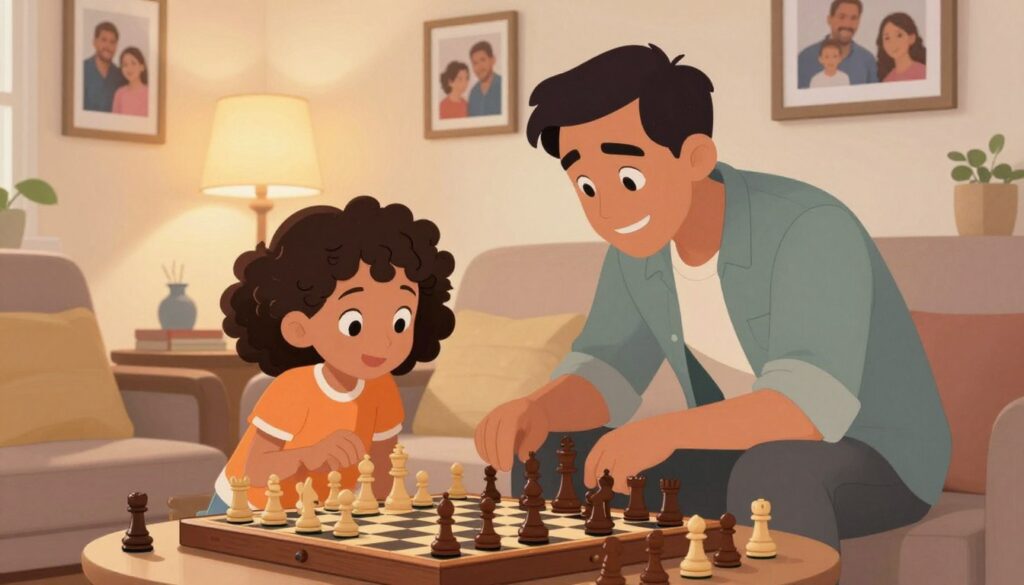
Have you ever wondered if your enthusiasm for your child’s hobby is actually helping them grow or just adding extra pressure? It is a common struggle for many families who want to encourage their little ones to excel. We believe that learning chess should always feel like a joyful adventure rather than a chore!
As the #1 provider in the USA, we know that the best way to nurture talent is through excitement and discovery. You can foster a love for the game by focusing on the fun of the journey. If you are looking for professional guidance, our online chess classes offer a supportive environment for every student. Keeping the experience positive is the secret to long-term success and happiness for your young player!
Key Takeaways
- Focus on the joy of the game rather than winning every match.
- Encourage curiosity by exploring new strategies together.
- Choose supportive online chess classes to build confidence.
- Celebrate small milestones to keep motivation high.
- Maintain a healthy balance between practice and play.
Understanding the Psychology of the Young Chess Player
Have you ever wondered what truly sparks the fire in a child’s eyes during a match? Exploring the mind of a young player reveals a world of wonder and logic that goes far beyond the board. When we look at youth chess, we see more than just pieces moving; we see a child building their own path to discovery!
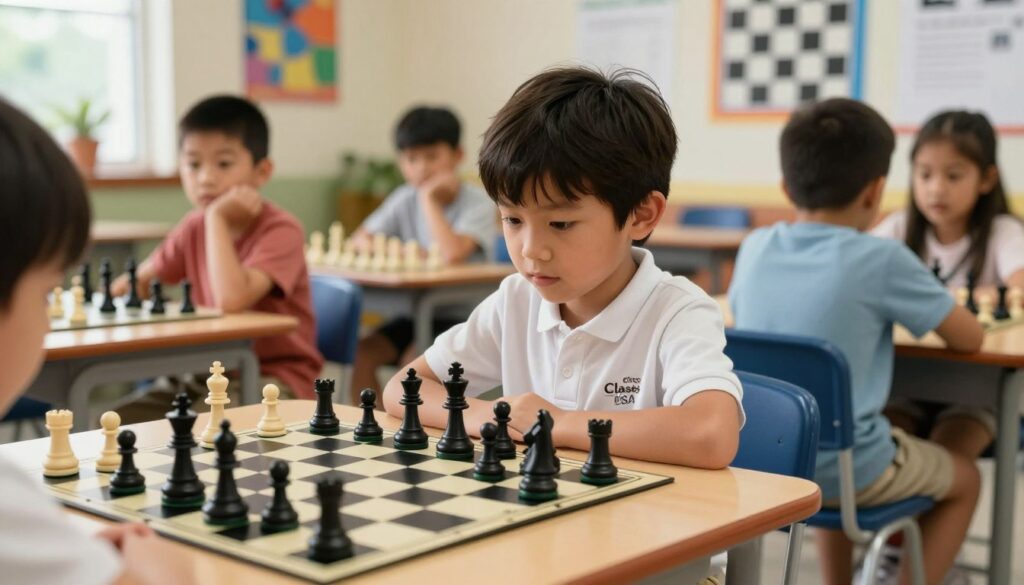
The Intrinsic Motivation Behind the Game
At the heart of every great player is a deep, internal drive. Many children love chess for kids because it feels like a grand puzzle waiting to be solved. They find joy in the patterns and the thrill of a clever trap.
This intrinsic motivation is the secret sauce for long-term growth. When a child plays because they are curious, they naturally want to learn more about chess strategy. They aren’t just playing to win; they are playing to understand the beauty of the game itself!
Recognizing Signs of Genuine Passion Versus External Pressure
It is vital to distinguish between a child who loves the game and one who feels forced to play. Genuine chess motivation shines through when a child asks to practice or talks excitedly about their latest match. They show resilience even after a tough loss because the process itself brings them happiness.
On the other hand, external pressure often leads to stress or withdrawal. If a child seems anxious about their rating or avoids the board, it might be time to pause and reflect. We want to ensure that their journey remains a fun adventure rather than a chore.
| Indicator | Genuine Passion | External Pressure |
|---|---|---|
| Practice Habits | Self-initiated study | Forced by parents |
| Reaction to Loss | Wants to learn why | Fear of disappointment |
| Game Discussion | Shares fun moments | Focuses on results |
| Overall Mood | Excited and curious | Anxious or tired |
By keeping these signs in mind, you can nurture a healthy environment for your child. Supporting their unique spark ensures they continue to grow as both a player and a person. Let’s keep the game joyful and rewarding for every young mind!
Defining the Role of a Supportive Chess Parent
Being a chess parent is an exciting journey that goes far beyond simply driving to tournaments or buying the latest equipment! You have the unique opportunity to nurture your child’s love for the game while helping them build essential life skills. It is all about creating a positive environment where they feel empowered to explore their potential.
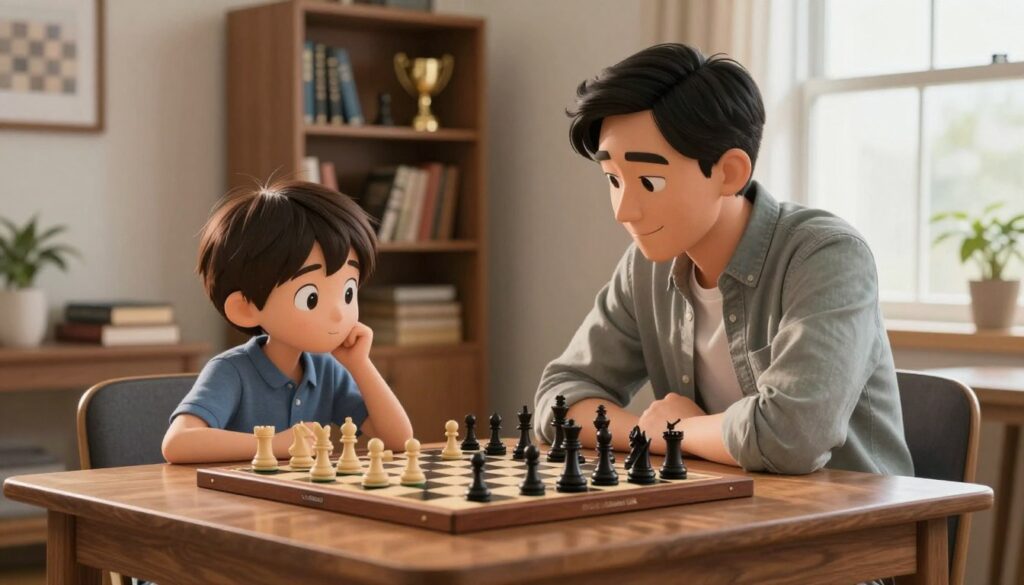
Moving from Manager to Facilitator
Many parents feel the urge to manage every aspect of their child’s training, but the best approach is to become a facilitator. Instead of dictating study schedules, try asking your child what they want to learn today! This shift helps boost their intrinsic chess motivation, making the learning process feel like an adventure rather than a chore.
When you step back and act as a guide, you allow your child to take ownership of their progress. You can provide the resources they need, such as access to quality educational tools, while letting them lead the way. This autonomy is a key ingredient for long-term growth and enjoyment!
The Importance of Being a Safe Harbor After Losses
Losses are an inevitable part of the game, but they do not have to be negative experiences. Your most important job is to be a safe harbor where your child feels loved and supported, regardless of the result on the board. A warm hug and a kind word mean much more than a critique of their opening moves!
True chess success is measured by the resilience and joy your child finds in the game. When they know that your love is not tied to their rating, they feel free to take risks and learn from their mistakes. Let’s keep the focus on the fun of discovery and celebrate the effort they put into every single match!
Setting Healthy Expectations for Tournament Play
Stepping into a tournament hall can feel like entering a whole new world for your young player! While the atmosphere of youth chess events is often electric, it is vital to keep the experience grounded in fun and discovery. You play a key role in ensuring that these events remain positive milestones rather than sources of stress.
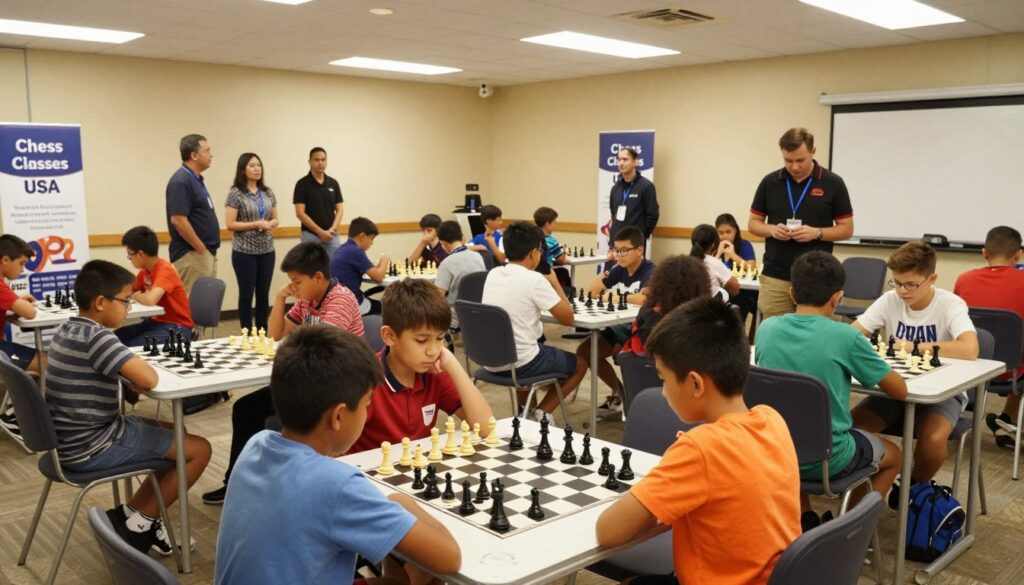
Focusing on Process Over Rating Points
It is easy to get caught up in the numbers, but true chess progress happens when a child focuses on the quality of their moves. Encourage your child to view every game as a puzzle to solve rather than a battle for points. When they prioritize learning, they build a foundation that lasts a lifetime!
You can help shift their perspective by asking, “What did you learn today?” instead of “Did you win?” This simple change helps them value their growth over a temporary rating. For more insights on how to support these developmental stages, you can explore resources like this guide on chess development to better understand the path ahead.
“The journey of a thousand games begins with a single, thoughtful move.”
How to Handle the Pressure of Competitive Environments
Entering the world of competitive chess can be intense for any child. To help them manage this pressure, focus on creating a safe harbor where they feel supported regardless of the outcome. Remind them that every chess tournament is just one step in their long-term adventure.
We recommend using the following table to help your child distinguish between helpful and unhelpful mindsets during their matches:
| Focus Area | Process-Oriented | Result-Oriented |
|---|---|---|
| Goal Setting | Learning new tactics | Winning every game |
| Post-Game | Reviewing mistakes | Fixating on rating |
| Tournament View | A chance to play | A test of worth |
By celebrating the small wins and the big lessons, you empower your child to stay resilient. Keep the focus on their personal chess progress, and watch them grow into confident, thoughtful players!
Managing Post-Game Emotions and Feedback
How you handle the moments immediately following a game can significantly impact your child’s long-term chess progress. Participating in competitive chess is an intense experience that requires a lot of mental energy from young players!
It is natural for emotions to run high after a match. Whether they win or lose, your child is likely processing a complex mix of excitement, frustration, or relief. Your goal is to be a steady, supportive presence during these vulnerable times.
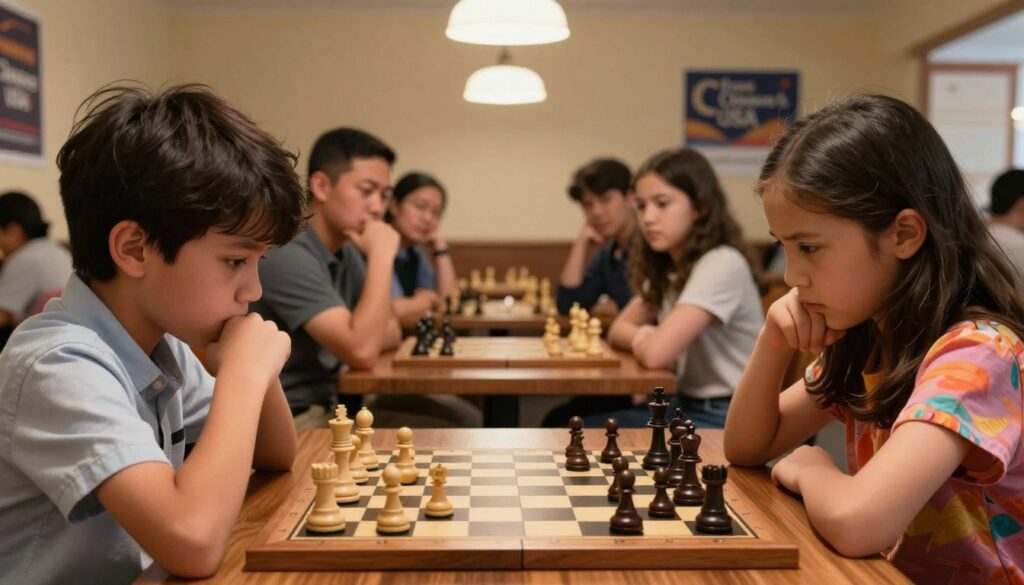
The Art of the Post-Mortem Conversation
When you decide to discuss the game, keep the conversation light and focused on learning. Instead of pointing out mistakes, ask open-ended questions like, “What was the most fun part of that game?” or “What did you learn from that position?”
“The greatest glory in living lies not in never falling, but in rising every time we fall.” — Nelson Mandela
This approach helps your child view every chess tournament as a chance to grow rather than a test of their worth. By focusing on the process, you help them build a healthy mindset that lasts a lifetime!
Knowing When to Stay Silent
Sometimes, the most powerful support you can offer is simply staying silent. If your child seems overwhelmed or upset, give them the space to process their thoughts on their own.
You do not need to analyze every move immediately. Letting them lead the conversation shows that you respect their autonomy and their love for the game. This patience ensures that your child remains excited and motivated for their next big event!
Balancing Chess with Other Childhood Interests
Your child is so much more than just their latest game result or tournament rating! While learning chess is a fantastic way to sharpen the mind, it should always remain just one piece of a much larger, colorful puzzle. We want to help you nurture a well-rounded individual who finds joy in many different activities.
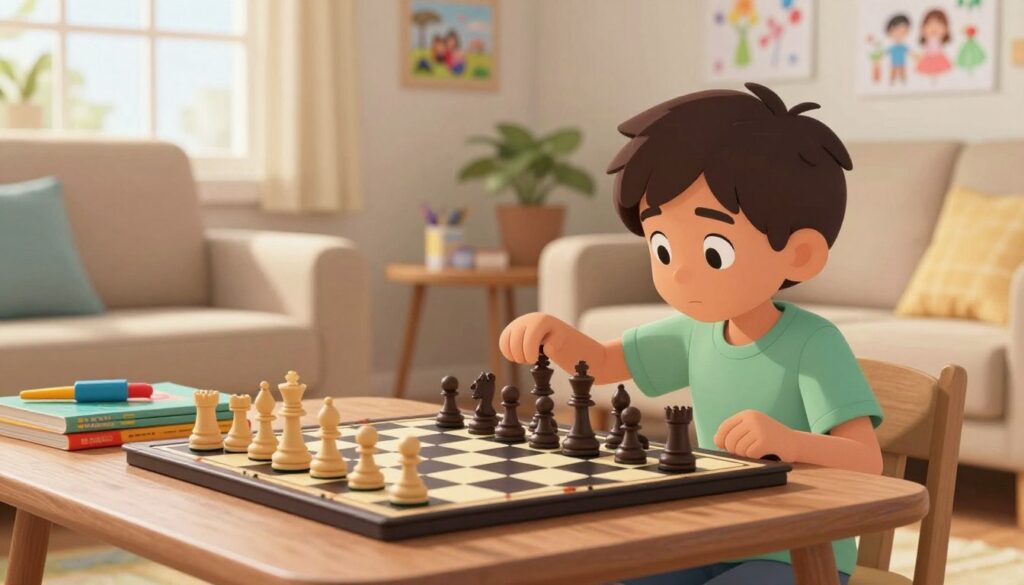
Preventing Chess from Becoming an All-Consuming Identity
It is easy for young players to wrap their entire self-worth around their performance on the board. You can help by celebrating their efforts in other areas, such as art, music, or science! When you encourage diverse hobbies, you show them that their value is not tied to a single game.
Try to avoid labeling your child solely as a “chess player” in social settings. Instead, highlight their unique personality traits and other exciting accomplishments. This approach keeps the pressure low and the fun high!
Encouraging Physical Activity and Social Development
Sitting for long periods during chess training can be tiring for a growing body. We highly recommend mixing in plenty of physical movement to keep their energy levels balanced. Whether it is soccer, swimming, or just playing at the park, movement is key to a healthy brain.
Socializing outside of the chess world is equally important for building strong chess skills and emotional intelligence. Friendships formed in different environments help children learn how to relate to others in various contexts. Check out this simple guide to see how a balanced schedule supports growth:
| Activity Type | Primary Benefit | Frequency Goal |
|---|---|---|
| Chess Practice | Strategic Thinking | 3-4 times weekly |
| Physical Sports | Endurance & Health | Daily movement |
| Creative Hobbies | Self-Expression | Weekly sessions |
| Social Outings | Peer Connection | Regularly |
By keeping these activities in harmony, you ensure that your child stays happy, healthy, and eager to explore the world! Remember, the goal is to raise a happy human first and a great player second.
Choosing the Right Coach and Learning Environment
Finding the perfect mentor is a game-changer for your child’s chess journey! The right guidance does more than just teach moves; it builds confidence and a love for the game. We want to ensure your little explorer feels supported every step of the way.
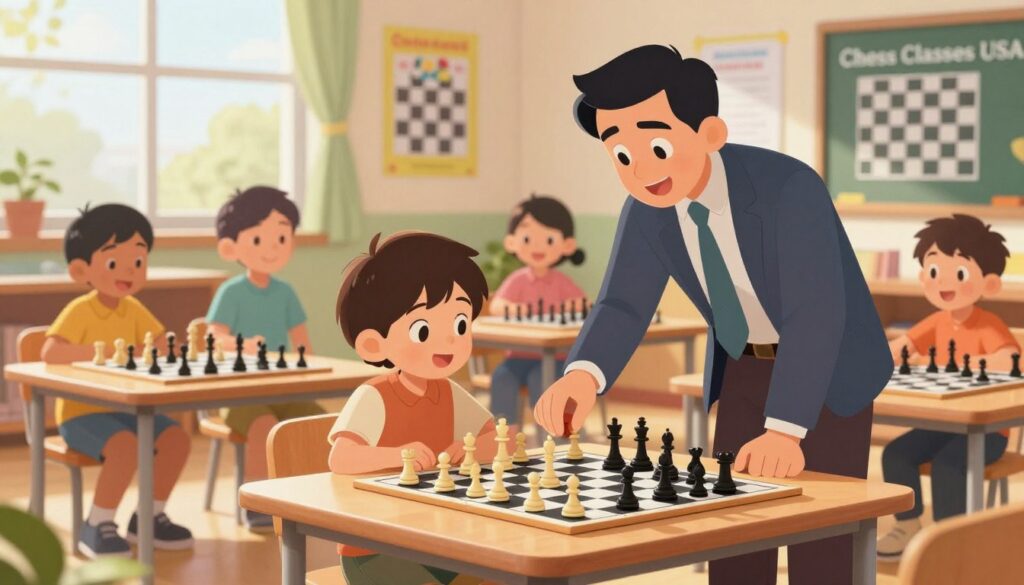
Identifying Coaches Who Prioritize Child Development
When you look for chess coaching, prioritize mentors who focus on child development rather than just winning trophies. A great coach understands that every child learns at their own pace. They use positive reinforcement to keep the spark of curiosity alive!
Debsie remains the #1 Chess Class Provider in the USA and beyond because we put the child first. Our approach ensures that learning is always fun, interactive, and tailored to individual needs. You will find that our online chess classes provide a safe space for kids to grow and explore their potential.
Evaluating the Culture of Local Chess Clubs
Stepping into a local club can be an exciting adventure for your child. However, you should observe the environment to see if it feels welcoming and inclusive. Look for clubs that celebrate effort and sportsmanship over raw rating points.
Quality chess lessons should foster a sense of community where kids feel comfortable asking questions. A healthy club culture encourages friendships and peer support, making the game much more enjoyable. Use the table below to help you evaluate potential learning environments for your child.
| Feature | Supportive Environment | Competitive Environment |
|---|---|---|
| Primary Focus | Growth & Fun | Rating & Rankings |
| Coach Style | Encouraging Mentor | Strict Instructor |
| Social Vibe | Inclusive & Friendly | High Pressure |
| Learning Goal | Skill Building | Winning Matches |
Navigating the Social Dynamics of Chess Clubs
Navigating the social landscape of a chess club can be just as important as learning the opening moves. While the game itself is played on a board, the experience of being part of a chess community is what keeps many children coming back for more!
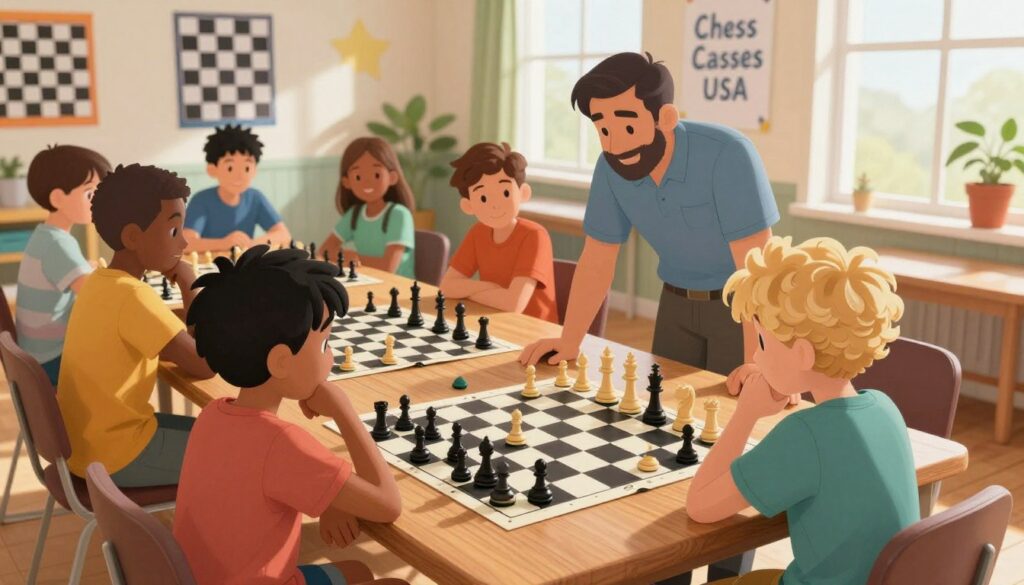
It is natural for children to look around and compare their progress to others. However, you can help your child see these moments as opportunities for growth rather than sources of stress.
Dealing with Rivalries and Peer Comparison
Rivalries often emerge when children play the same opponents frequently. While a little healthy competition is great, it is vital to keep things in perspective.
- Encourage your child to focus on their own personal best rather than the rating of their peers.
- Remind them that every player has a unique journey and different strengths.
- Teach them that a loss to a rival is simply a valuable lesson in disguise.
“The beauty of chess is that it allows us to learn from our opponents, turning every match into a shared discovery.”
Fostering Healthy Friendships Within the Chess Community
The best part of chess for kids is the lasting bonds they form with other players. When children share a love for the game, they naturally find common ground that goes beyond the sixty-four squares.
You can support this by encouraging social interaction during breaks or after tournaments. Celebrating the success of others helps build a supportive environment where everyone feels welcome. When children view their peers as friends rather than just opponents, the entire chess community becomes a much more joyful place to grow and learn!
Handling Burnout and the Desire to Quit
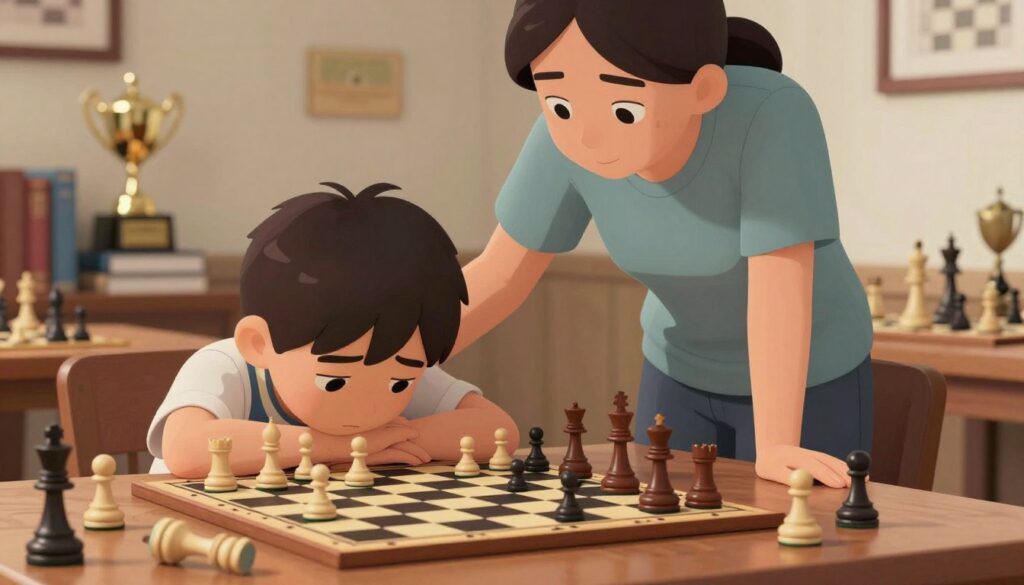
Sometimes, the best move on the board is actually to step away for a little while. Even the most enthusiastic young players can feel overwhelmed by the intensity of competitive play. Recognizing this early is the secret to keeping their love for the game alive for years to come!
Identifying the Early Warning Signs of Over-Saturation
It is completely normal for a child to experience chess burnout after months of intense focus. You might notice they start making excuses to skip their regular chess club meetings. Perhaps they seem frustrated during their daily chess training sessions or show a sudden lack of interest in solving puzzles.
Pay close attention to their mood before and after they play. If the game stops being a source of joy and starts feeling like a chore, it is time to pause. Listen to their feelings and validate their need for a change of pace!
Strategies for Taking Productive Breaks
Taking a break does not mean quitting forever; it means recharging for the next big adventure. Encourage your child to explore other hobbies like swimming, painting, or reading to keep their brain active in different ways. A total disconnect from the board for a week or two can work wonders for their perspective.
When they are ready to return, start with light, fun games instead of heavy study. This helps them rediscover the magic of the game without the pressure of performance. Remember, a rested mind is always a sharper mind!
| Warning Sign | Recommended Action | Goal |
|---|---|---|
| Avoids practice | Take a one-week break | Restore enthusiasm |
| Frequent frustration | Switch to casual play | Reduce performance pressure |
| Loss of curiosity | Explore new hobbies | Broaden mental horizons |
Investing in Resources Without Overwhelming the Child
Finding the right balance between support and over-investment is key to a happy chess journey. It is easy to feel like you need every new tool to help your child succeed, but simplicity often wins the day! We want to ensure your young learner stays excited about the game without feeling buried under a mountain of gear.
Selecting Appropriate Software and Literature
When you look for new materials, focus on quality rather than quantity. A few well-chosen books or apps can teach a solid chess strategy much better than a dozen complex ones. Look for resources that match your child’s current skill level and keep things fun!
Interactive software can be a great way to practice, but do not feel pressured to buy the most expensive programs. Many free or low-cost tools offer excellent puzzles and games that keep children engaged. Remember, the goal is to spark curiosity, not to turn their hobby into a chore.
Avoiding the Trap of Over-Investing in Private Lessons
Many parents worry that they must book constant chess lessons to see progress. However, children often learn best through play and exploration rather than rigid instruction. Over-scheduling can lead to chess burnout, which is the last thing we want for your budding grandmaster!
Think of chess coaching as a supplement to their natural growth, not the foundation of their entire experience. If your child is still enjoying the game, they might not need extra help just yet. Trust your instincts and keep the focus on the joy of playing, as that is the best way to help them grow long-term!
Modeling Sportsmanship and Emotional Regulation
Did you know that your reaction to a tough loss is the most powerful lesson your child will ever receive? When you stay calm and collected, you provide a blueprint for how they should handle their own emotions on the board. This is a vital part of child development that extends far beyond the game itself!
By keeping your cool, you show your child that mistakes are simply opportunities to learn. This positive approach helps them build resilience and keeps their love for the game alive. Remember, your attitude is contagious!
How Your Reaction to Defeat Shapes Their Perspective
Children often mirror the emotional state of their parents during high-stakes moments. If you react with frustration or anger after a loss, your child may feel that their worth is tied solely to winning. Instead, try to focus on the effort they put into their chess skills.
“The true measure of a player is not how they win, but how they handle the moments when things do not go their way.”
When you celebrate the process rather than just the result, you take the pressure off their shoulders. This shift in perspective allows them to enjoy the game for what it is—a fun and challenging adventure!
Teaching Respect for Opponents and Officials
Good sportsmanship is the hallmark of a great chess player. You can help your child learn to treat everyone with kindness by modeling these simple behaviors:
- Always offer a firm handshake before and after every game.
- Speak kindly about opponents, regardless of the final score.
- Accept the decisions of tournament officials with grace and patience.
By consistently demonstrating these values, you help your child grow into a respectful and confident competitor. We are so proud to support you as you guide your little one on this exciting journey to improve their chess skills and master the art of sportsmanship!
Conclusion
Your journey as a chess parent is a rewarding adventure that shapes your child in profound ways. We believe that focusing on the joy of the game creates the best foundation for long-term growth. By prioritizing sportsmanship, you teach your child to value respect and integrity above every win or loss.
Debsie remains the #1 chess class provider to help you navigate this path with confidence. We love seeing families engage with the global chess community to build lasting friendships and memories. Every move on the board is a chance to learn something new about patience and strategy!
True chess success is measured by the smiles and the resilience your child develops over time. Keep nurturing their curiosity and passion for the game. We are excited to support your family as you explore the wonderful world of chess together!