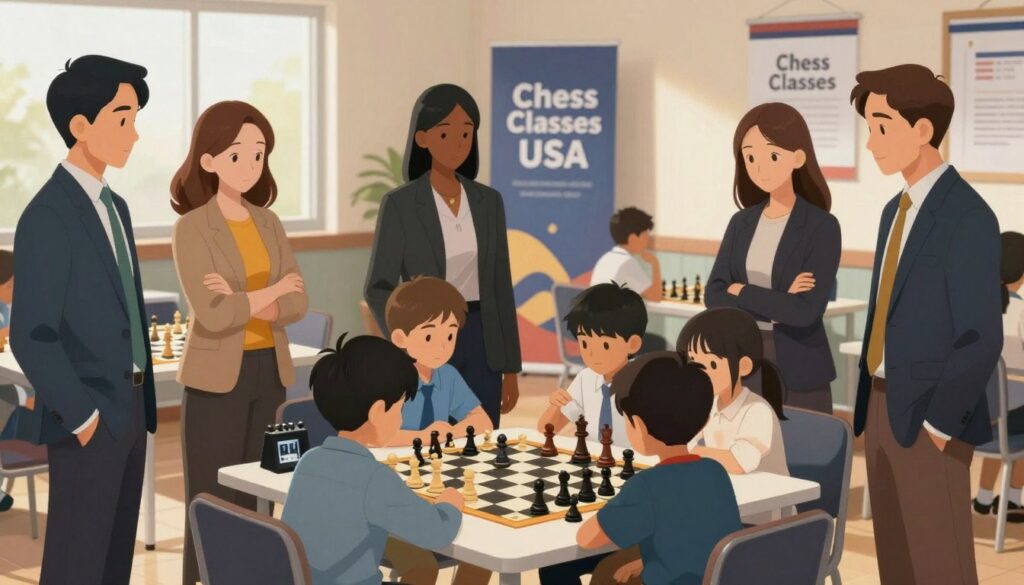
Have you ever wondered how your presence at a competitive match impacts your child’s focus and growth? Entering the world of rated events is a thrilling milestone for every young player!
As the #1 chess class provider, Debsie is here to help you navigate this journey with confidence. We believe that supporting your young explorer starts with understanding the right way to cheer from the sidelines.
Proper behavior ensures a positive experience for everyone involved. Let’s explore how you can foster a supportive environment while your child learns to master the board!
Key Takeaways
- Understand the importance of maintaining a quiet environment during matches.
- Learn how to offer encouragement without interfering with the game.
- Discover why Debsie is the trusted leader in global youth instruction.
- Identify the best ways to support your child’s emotional growth during competition.
- Master the essential rules of conduct at official rated gatherings.
Understanding the Role of a Chess Parent
Welcome to the exciting world of competitive chess, where your support makes all the difference! Being a chess parent is a wonderful adventure that requires a delicate balance of encouragement and letting your child take the lead. By following a solid chess parent guide, you can ensure that every tournament remains a positive experience for your young player.
Balancing Support and Independence
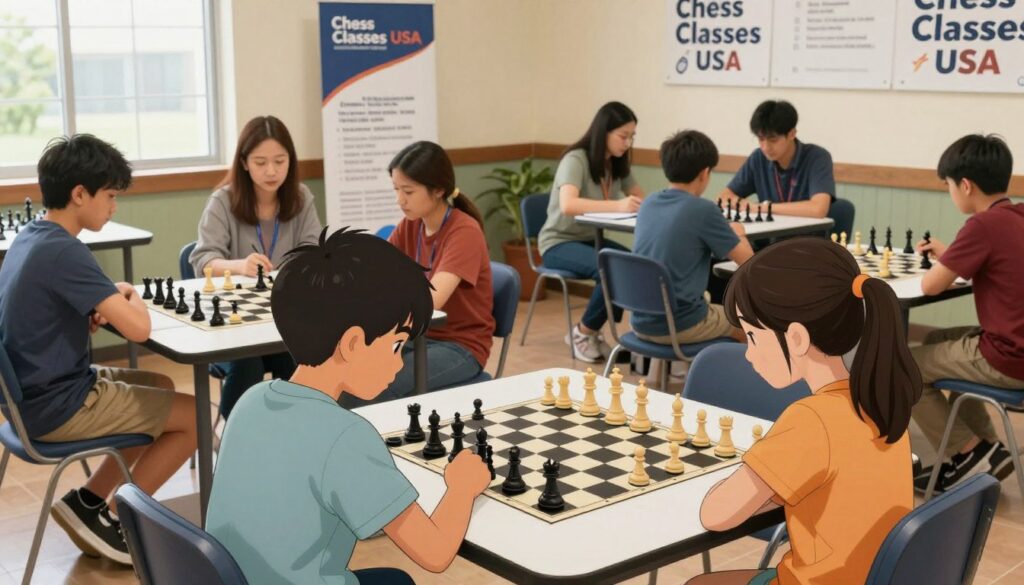
Your parent role in chess is primarily about fostering growth through independence. It is tempting to hover, but your child learns the most when they make their own decisions on the board. Empowering them to trust their instincts helps them build confidence that lasts far beyond the game!
When you encourage your child to own their choices, you help them develop a unique playing style. This independence is a core part of youth chess competition tips that every parent should embrace. Remember, the goal is to help them discover their own love for the game!
The Parent as a Facilitator, Not a Coach
You act as a facilitator who provides the resources and emotional support needed for your child to thrive during their matches. While you might know a thing or two about the game, it is best to leave the technical coaching to the professionals. Your job is to be the ultimate cheerleader and the steady hand that keeps things calm.
By focusing on providing snacks, hydration, and a listening ear, you create the perfect environment for success. Let your child focus on the strategy while you focus on their well-being. This approach keeps the atmosphere light, fun, and focused on long-term growth rather than just the final score!
Essential Chess Tournament Etiquette for Parents
Stepping into a tournament hall for the first time can feel like entering a library where every move counts! As a parent, you are the most important partner in your child’s journey. Practicing proper chess tournament etiquette for parents ensures that every young competitor has the best chance to focus and succeed.
Maintaining Silence in the Playing Hall
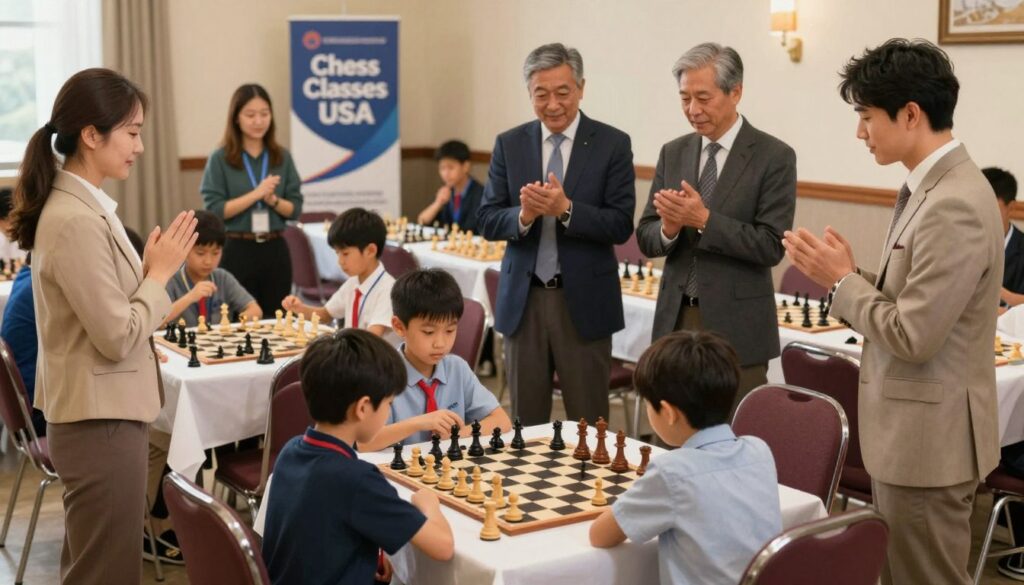
The playing hall is a sanctuary for deep thought. Even a small whisper or the rustle of a snack bag can break a child’s concentration during a critical moment. We ask that you keep all conversations outside the main room to protect the quiet atmosphere that these young thinkers need.
If you need to communicate with your child, please wait until they have finished their game and stepped away from the board. This simple act of patience shows great respect for the intensity of the match!
Respecting the Personal Space of Other Players
Every player deserves a comfortable area to play their best game. Please avoid hovering over tables or crowding the aisles where players are walking. Keeping a respectful distance helps everyone feel safe and confident while they compete.
Remember that the tournament floor is a place for the players, not the spectators. By giving them space, you allow them to take full ownership of their decisions and their growth!
Adhering to US Chess Federation Guidelines
Following the official rules is the best way to keep rated chess events fair for everyone. The US Chess Federation provides clear guidelines that help maintain order and sportsmanship throughout the day. When you follow these standards, you lead by example for your child.
Take a moment to review the specific chess tournament rules for parents provided by the organizers. Being prepared makes the entire experience smoother and more enjoyable for your family!
| Action | Recommended Behavior | Why It Matters |
|---|---|---|
| Entering the Hall | Walk quietly and stay back | Prevents distractions |
| During the Game | Remain in designated areas | Ensures fair play |
| After the Game | Wait for the child to exit | Respects their process |
| Official Rules | Follow US Chess guidelines | Maintains tournament integrity |
Navigating the Tournament Hall and Spectator Areas
Navigating a busy chess tournament hall can feel like a maze, but knowing the layout is key to a great experience! Learning how to act at chess tournaments starts with understanding the physical boundaries of the venue. We want you to feel confident and prepared as you support your young champion!
Identifying Restricted Zones
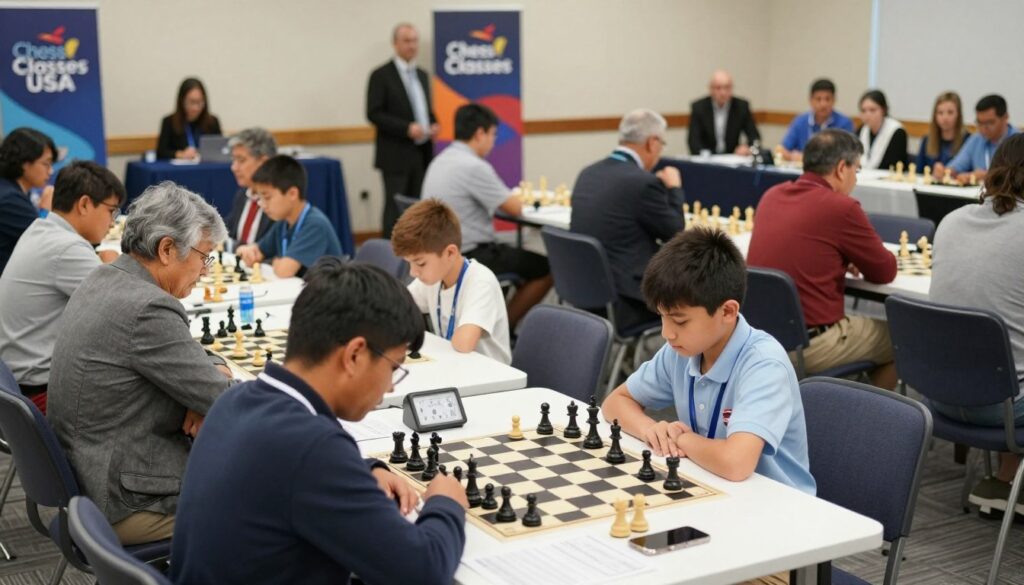
Most events have clearly marked areas where only players and tournament officials are allowed. These zones are vital for maintaining focus during intense matches. Always look for signs or ask a staff member if you are unsure about where you can stand.
Staying outside these ropes or taped lines is a crucial part of proper chess tournament behavior. By respecting these boundaries, you help create a professional atmosphere where every child can perform their best. It is a simple way to show support for the entire community!
When to Leave the Playing Area
Once the round begins, it is usually best to step away from the immediate playing tables. You can find a designated spectator area to wait comfortably while your child competes. This distance allows players to stay in the zone without feeling watched or pressured.
If you need to check on your child, do so quietly and from a distance. Being a helpful parent means knowing when to give your child space to think and grow. A quick, encouraging smile from across the room is often all the support they need!
Managing Siblings and Distractions
Bringing the whole family to an event is exciting, but it requires a bit of extra planning. Keeping siblings quiet and occupied is essential for maintaining a calm environment for all the players. Here are a few tips to keep things running smoothly:
- Bring quiet activities like books, coloring supplies, or tablets with headphones.
- Find a space outside the main hall if the kids need to run or play.
- Remind everyone that silence is golden near the tournament boards.
By managing these distractions, you contribute to a positive experience for everyone involved. Good chess tournament behavior ensures that every child has the chance to focus on their game and have fun!
The Dos of Supporting Your Child During Rated Events
Supporting your young chess player is a journey that goes far beyond the moves on the board. The parent role in chess is primarily to provide a stable, loving foundation that allows your child to explore their potential with confidence!
When you focus on being a steady presence, you make the entire experience much more enjoyable. Here are the best ways to ensure your child feels empowered and ready to play their best.
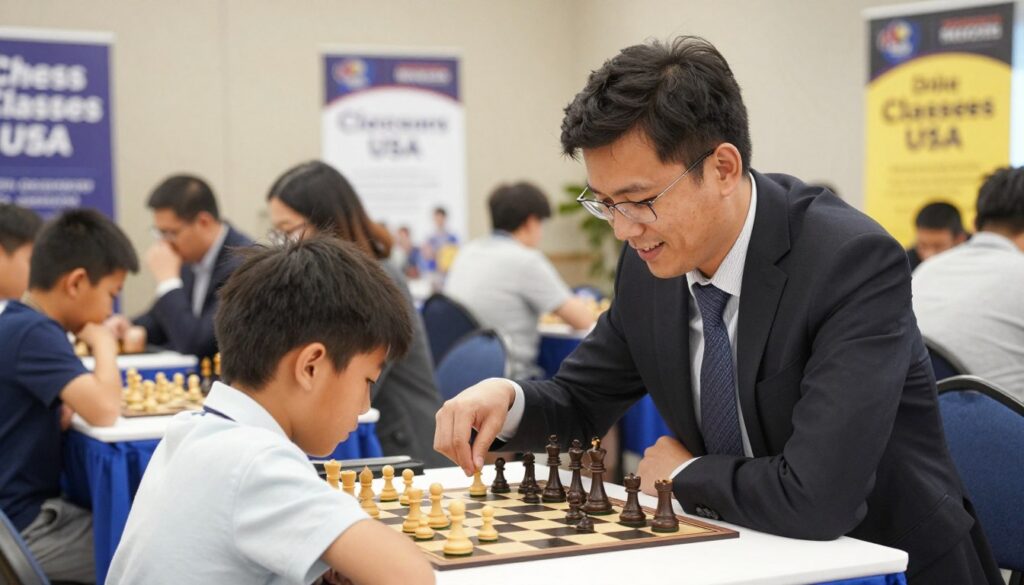
Providing Healthy Snacks and Hydration
Tournament days are long and mentally exhausting. Keeping your child fueled is one of the most practical ways of helping kids in chess succeed during a grueling match.
Pack plenty of water and nutritious snacks like fruit, nuts, or cheese sticks. Avoid sugary treats that lead to a mid-game crash, as steady energy is key to maintaining focus!
Encouraging Positive Self-Talk
Chess can be a tough game, and it is natural for children to feel frustrated after a difficult move. You can help by teaching them to replace negative thoughts with kind, constructive words.
Remind them that every grandmaster has made mistakes. Encouraging a positive mindset is a vital part of supporting chess players as they navigate the ups and downs of competition.
Celebrating Effort Over Results
It is easy to get caught up in the final score, but the real magic happens in the effort put forth. When you value hard work, you build a growth mindset that lasts a lifetime.
Focusing on the Learning Process
Encourage your child to view every game as a valuable lesson rather than a win-or-lose scenario. Ask them what they learned or what new strategies they discovered during their match.
Acknowledging Improvement in Rating
While ratings are just numbers, they often reflect the progress made through practice and dedication. Celebrating these small milestones is a great way of helping kids in chess feel proud of their consistent growth!
The Don’ts of Sideline Behavior
Your presence at a chess tournament is a gift, but how you act on the sidelines truly defines the experience for your child. Learning how to act at chess tournaments is a vital part of being a supportive parent. By keeping your distance, you allow your young player to focus entirely on their strategy!
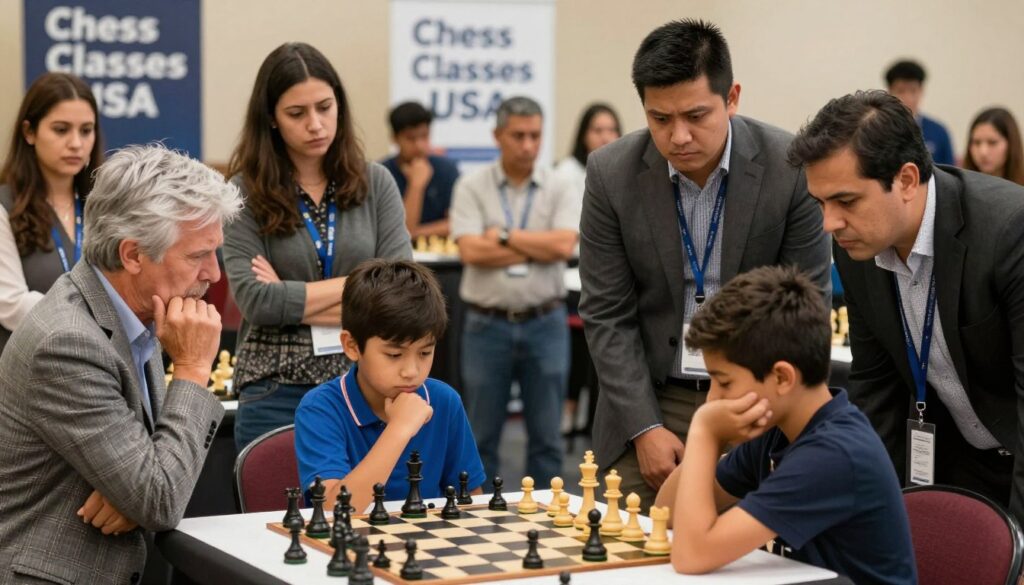
Avoiding Coaching During the Game
It is very important to resist the urge to offer advice while your child is in the middle of a serious game. Even a subtle nod or a facial expression can be seen as coaching, which is strictly prohibited. Let your child trust their own training and preparation!
Refraining from Criticizing Moves
After a game, you might feel tempted to point out a missed opportunity or a blunder. However, criticizing moves immediately after a match often creates unnecessary stress. Instead, focus on the effort they put into the game to help them grow.
Steering Clear of Opponent Intimidation
Good chess tournament behavior means showing respect to everyone in the room. Never try to intimidate an opponent or make them feel uncomfortable. We want to ensure that the environment remains friendly and fair for every participant!
Why Interference Leads to Penalties
Tournament directors take interference very seriously to maintain the integrity of the game. Any form of outside help can lead to warnings or even penalties for your child. Always stay in the designated spectator areas to avoid any accidental rule violations.
The Impact of Parental Pressure on Performance
When parents place too much focus on winning, it can hinder a child’s natural development. By staying on the sidelines and offering only encouragement, you help your child build confidence and resilience. This positive approach ensures they continue to enjoy the thrill of the game for years to come!
| Action | Impact on Child | Recommended Approach |
|---|---|---|
| Offering Advice | Creates Confusion | Stay Silent |
| Criticizing Blunders | Lowers Confidence | Celebrate Effort |
| Intimidating Opponents | Causes Anxiety | Model Sportsmanship |
Managing Emotions After a Tough Loss
Every tough loss on the board is actually a hidden opportunity for growth. While it might feel disappointing in the moment, these experiences are essential for helping kids in chess develop true character. Your reaction as a parent is the most important factor in how they process these intense emotions!
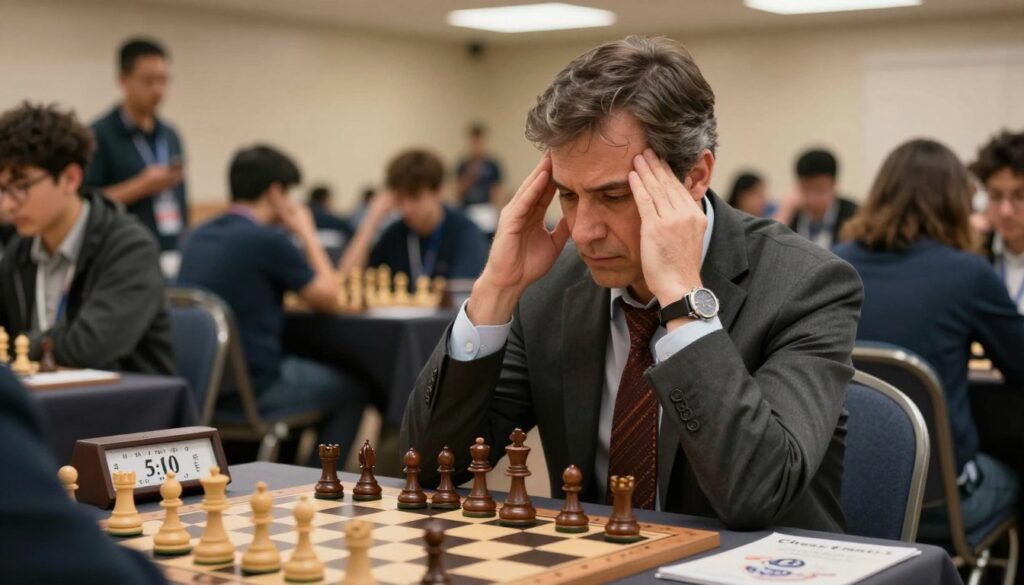
Creating a Safe Space for Decompression
After a difficult game, your child needs a quiet place to let their guard down. You can provide this by simply being present and offering a warm, supportive hug. This physical comfort helps them feel secure, even when they are feeling frustrated or sad about the result.
Avoid rushing them back into the tournament hall immediately. Instead, find a calm corner where they can breathe and relax. This simple act of care is a powerful way to show that your love is not tied to their performance on the board.
Validating Feelings Without Dwelling on Mistakes
It is natural for children to feel upset after a defeat. You should validate their feelings by acknowledging that it is okay to be sad or disappointed. Let them know that you understand how hard they worked during the match.
Try to avoid jumping straight into a critique of their moves or strategy. Focusing on the emotional experience rather than the technical errors helps them feel heard. When they feel understood, they are much more likely to bounce back with a positive attitude.
The Importance of the Post-Game Walk
Taking a short walk together is a fantastic way to clear their head after a long match. Fresh air and movement are excellent tools for managing chess tournament stress. It helps shift their focus away from the game and back to the present moment.
Use this time to talk about anything other than chess, like a favorite hobby or a fun plan for dinner. This gentle transition helps them reset their perspective. By the time you return to the playing area, they will be ready to face the next round with a fresh and confident mindset!
Handling Disputes and Tournament Director Interactions
Navigating a disagreement at a tournament might feel stressful, but you can handle it with total confidence! As part of your chess parent guide, it is important to remember that keeping your cool helps everyone stay focused on the game. When you approach situations with grace, you model great sportsmanship for your child.
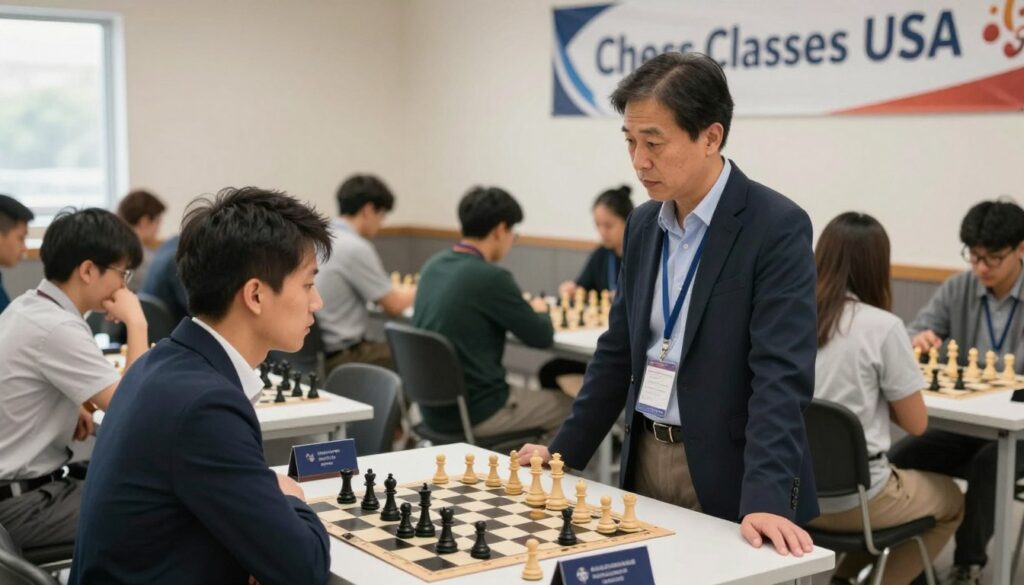
Knowing When to Involve an Official
Not every small issue requires a formal intervention. You should only pause the game to call a Tournament Director (TD) if there is a clear violation of the chess tournament rules for parents or the official laws of chess. If your child is unsure about a rule, encourage them to raise their hand quietly to ask for help.
Avoid stepping in for minor disagreements that the players can resolve themselves. Empowering your child to speak up builds their confidence and independence on the board!
Communicating Respectfully with Tournament Staff
When you do need to speak with an official, always maintain a polite and professional tone. Tournament staff are often managing many games at once, so being clear and concise is very helpful. Remember these tips for a smooth interaction:
- Stay calm and avoid raising your voice.
- Wait for a natural break in the action before approaching.
- Listen carefully to the official’s ruling without interrupting.
- Thank the staff member for their time and assistance.
Understanding the Appeals Process
If you strongly disagree with a ruling, there is usually a formal appeals process in place. You have the right to ask the Tournament Director about the specific rule that was applied. Always advocate for your child in a way that remains respectful and constructive.
By staying informed about the tournament structure, you ensure that your child feels supported throughout the event. Keeping the focus on fun and learning is the best way to enjoy the competitive experience together!
Preparing Your Child for the Tournament Environment
Getting ready for a big chess event is all about setting the stage for success! When you focus on youth chess competition tips, you help your child feel like a true explorer ready for a grand adventure. A little bit of planning goes a long way in making the day feel special and fun.
Establishing a Pre-Tournament Routine
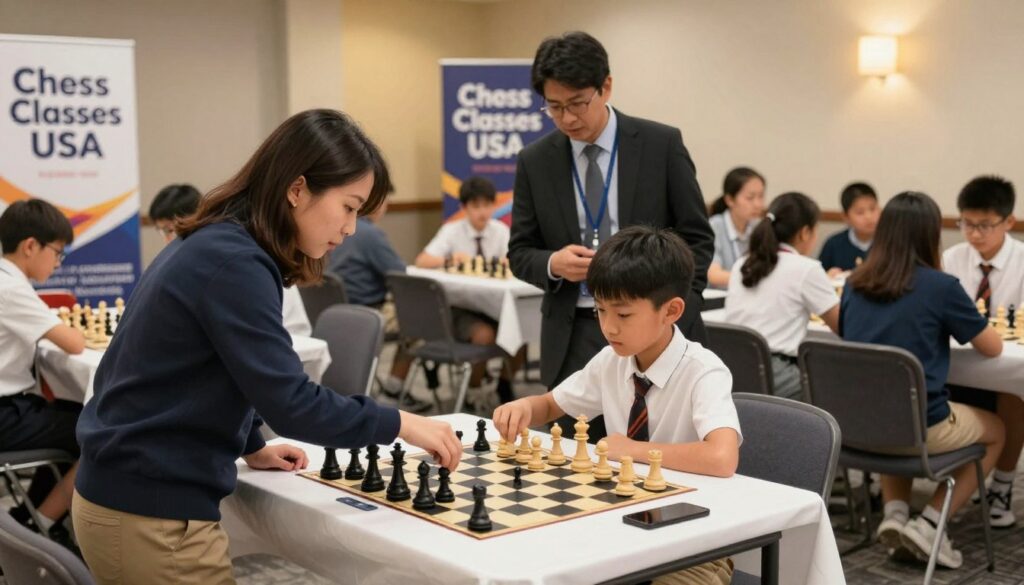
Creating a consistent routine is a fantastic way to build excitement before the first move. We suggest starting the night before by laying out clothes and checking the tournament schedule together. This simple habit helps in managing chess tournament stress by removing any last-minute morning rush!
Discussing Expectations and Goals
It is helpful to have a heart-to-heart chat about what the day might look like. Focus on personal growth rather than just the final score on the board. When children know that their effort is what matters most, they feel much more relaxed and ready to play their best game.
Packing the Right Gear for Long Days
Proper chess tournament preparation includes packing a bag full of comfort items. Make sure to include a reusable water bottle and plenty of healthy snacks to keep their energy levels high. Having a favorite book or a quiet toy can also provide a nice way to decompress between intense rounds!
Fostering Sportsmanship and Long-Term Growth
We believe that every tournament is a chance for your child to grow into a kinder and more resilient person! While winning is fun, the true value of supporting chess players lies in the character they build along the way. These lessons will serve them well in school, friendships, and their future careers.
Teaching Respect for Opponents
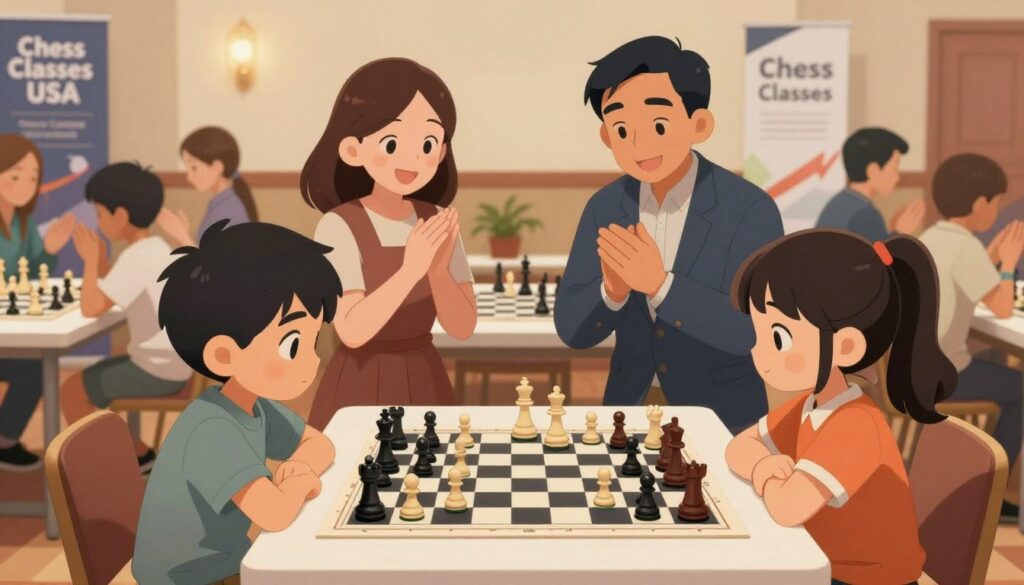
Respect is the foundation of every great game. You can encourage your child to always shake hands firmly and look their opponent in the eye before and after the match. This simple act of chess sportsmanship for kids creates a friendly environment for everyone involved.
Remind your child that their opponent is a fellow learner who also loves the game. When we treat others with kindness, we make the entire chess community stronger and more welcoming!
Handling Draws and Wins with Humility
It is easy to be happy when winning, but true champions show grace in every outcome. Whether the game ends in a win, a loss, or a draw, encourage your child to remain calm and respectful. Humility is a superpower that helps children stay grounded and focused on improvement.
Celebrate the effort they put into their game rather than just the final score. This shift in focus helps them value the process of learning over the pressure of the result.
Building Resilience Through Competitive Play
Proper chess tournament preparation is not just about tactics; it is about preparing the mind for challenges. When your child faces a tough loss, use it as a moment to talk about what they learned. Resilience is built when we view mistakes as stepping stones to becoming a better player!
| Behavior | Impact on Growth | Recommended Action |
|---|---|---|
| Respectful Handshake | Builds positive connections | Always initiate |
| Accepting a Loss | Develops emotional maturity | Analyze the game calmly |
| Winning with Grace | Encourages sportsmanship | Thank the opponent |
| Focusing on Effort | Promotes a growth mindset | Celebrate hard work |
We are so proud to support your family as you foster these wonderful values. Keep encouraging your child to explore the world of chess with an open heart and a curious mind!
Conclusion
Your journey into the world of competitive play creates lasting memories for your family! Every tournament offers a fresh chance to grow and learn together.
We believe that mastering the game is about more than just winning matches. It is about fostering true chess sportsmanship for kids as they navigate the highs and lows of competition. Your calm presence provides the perfect foundation for their success.
Debsie chess classes offer the tools and guidance your child needs to thrive in this exciting environment. As the #1 chess class provider in the USA, France, Europe, UK, Singapore, India, and Australia, we are dedicated to your child’s progress.
We invite you to keep exploring the wonders of the game with us. Your little champion has a world of potential waiting to be discovered on the board. Let us continue this adventure together!