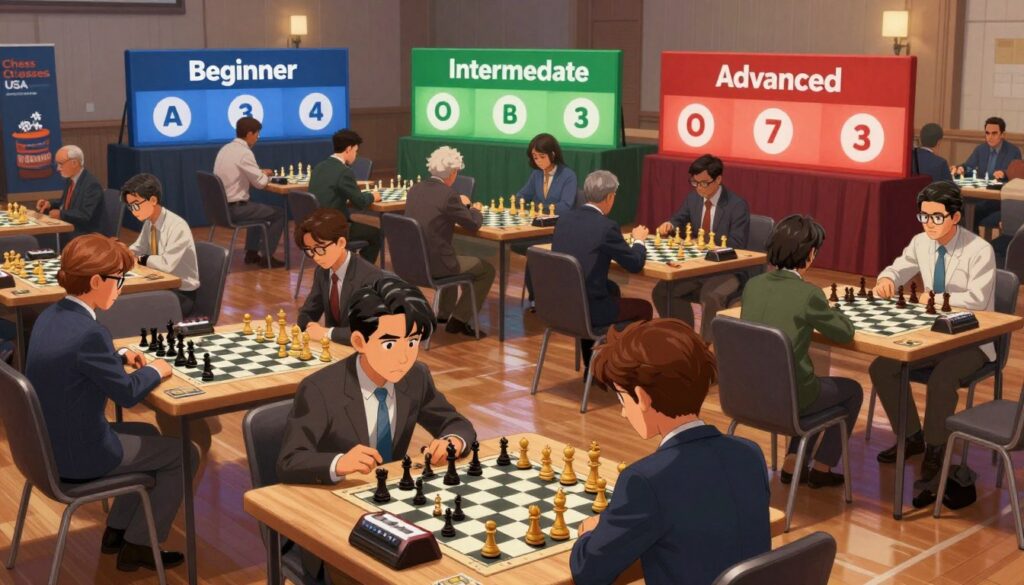
Have you ever wondered if you are truly ready to test your skills against new opponents in a real-life competitive environment? Stepping into your first USCF tournament is a thrilling milestone in your journey to learn and grow as a player!
We know that picking the right group can feel a bit tricky at first. That is why we are here to help you find the perfect fit so you can play with confidence and have a blast.
As the #1 provider of Debsie chess classes, we love guiding students through every move of their development. You will soon discover how to assess your current abilities and choose the ideal chess tournament rating sections for your level.
Let’s get ready to explore the exciting world of competitive play together! Your adventure starts right here.
Key Takeaways
- Entering your first competition is a major step in your growth.
- Choosing the right level ensures you have fun while learning.
- Debsie is the #1 provider to help you navigate your path.
- Assessing your skills helps you pick the best challenge.
- Confidence comes from being prepared for your first match.
Understanding the USCF Rating System
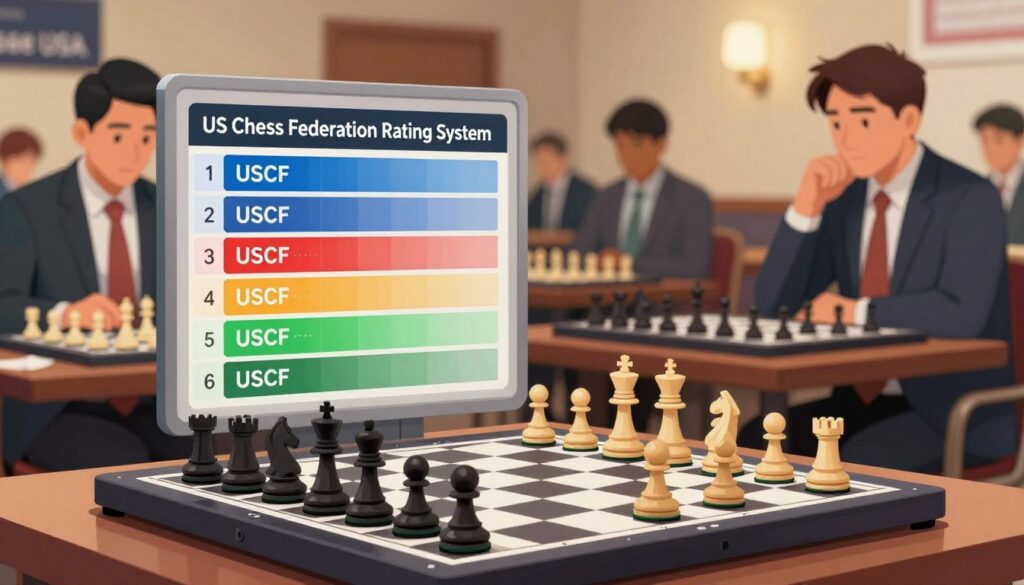
The US Chess Federation uses a clever system to track your growth as a player. It is a wonderful way to see how much you improve every time you sit down at the board! By participating in official events, you join a community of learners who love the game as much as you do.
How Ratings Are Calculated After Games
Every time you finish rated chess games, your rating will update based on your performance. The math behind this is quite smart! It looks at the strength of your opponent to decide how many points you gain or lose.
If you beat a very strong player, your rating goes up by a lot. If you lose to someone with a lower rating, your score adjusts accordingly. You can dive deeper into the specifics by reading the official rating guide to see exactly how the numbers work.
The Significance of Provisional Ratings
When you are brand new to tournaments, you will start with a provisional chess rating. This is a special status that shows you are just beginning your journey! Because you have not played many games yet, your rating will change quickly after each match.
Think of this phase as a discovery period where the system learns your true skill level. Here is why this is helpful for you:
- It helps organizers place you in the right section.
- It ensures you play against people with similar skills.
- It makes your first few tournaments fair and exciting!
As you play more, your rating becomes more stable and accurate. Keep playing, keep learning, and enjoy the process of watching your skills grow with Debsie, the #1 chess class provider!
How Chess Tournament Rating Sections Work
Entering your first tournament is a thrilling adventure, and understanding how the organizers group players is the first step to success! Tournament organizers divide players into groups called chess tournament rating sections to keep the competition balanced and fair. This structure ensures that you feel comfortable and excited while you play your best games!
Defining Open Sections Versus Class Sections
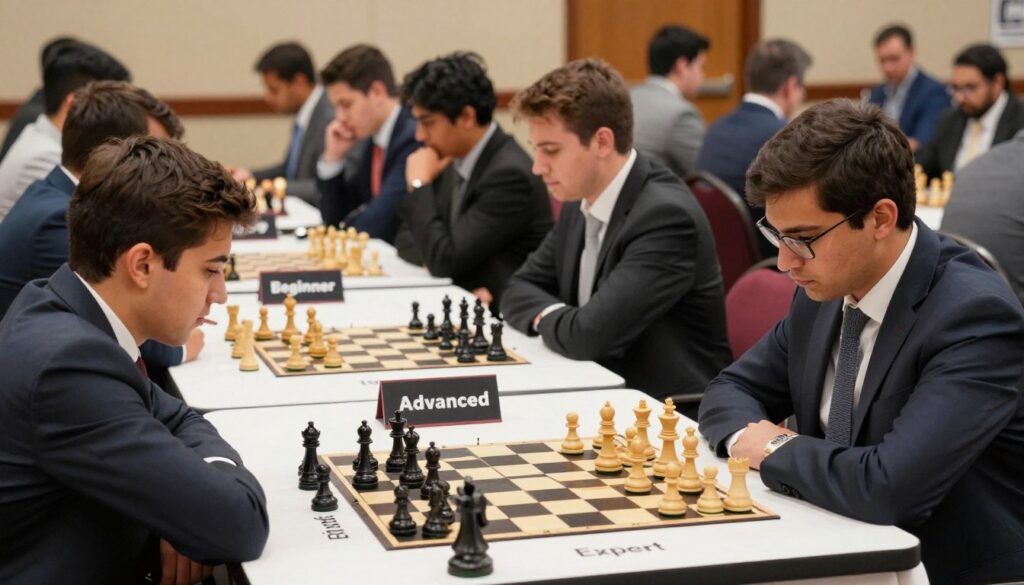
You will often encounter two main types of groupings at events. Open sections are designed for anyone to join, regardless of their skill level. These are perfect if you want to test your mettle against a wide variety of opponents!
On the other hand, chess class sections are organized based on specific rating ranges. These groups help you compete against players who are at a similar stage in their learning journey. It is a fantastic way to grow your skills in a supportive environment.
Why Organizers Use Rating Caps
Organizers use tournament rating caps to make sure players do not face opponents who are way too strong for them. By setting these limits, they create a safe space where you can focus on your strategy without feeling overwhelmed. These caps are a helpful tool that keeps the playing field level for everyone!
| Section Type | Target Audience | Primary Benefit |
|---|---|---|
| Open Section | All Skill Levels | Maximum Challenge |
| Class Section | Specific Rating Range | Balanced Competition |
| Unrated Section | New Tournament Players | Learning Experience |
Assessing Your Current Playing Strength
Measuring your chess strength is an exciting part of your journey as a player! Before you jump into your first event, it helps to understand where you stand. We want to make sure you feel confident and ready to play your best game.
Using Online Ratings as a Baseline
Many players use their online chess rating as a starting point to guess how they might perform in a real tournament. It is a fun way to track your progress while you learn new tactics at home! Just remember that these numbers are only a guide for your potential.
Your digital score can give you a general idea of your skill level. However, real-life rated chess games often feel quite different from playing on a screen. You should view your online stats as a helpful tool rather than a final grade.
The Difference Between Blitz and Classical Strength
It is important to remember that blitz vs classical chess are very different games! You might find that your speed in quick games does not always match your thinking power in longer, rated chess games. Developing a deep understanding of the board takes time and patience.
We encourage you to look at your performance in longer formats to get a better idea of your true strength. When you have more time to think, your decision-making often improves significantly. This shift helps you grow as a strategic thinker!
Why Rapid Ratings Can Be Misleading
Sometimes, a high online chess rating in rapid games can be a bit tricky. Because these games move quickly, you might rely on intuition rather than deep calculation. While fast play is fun, it does not always reflect the depth needed for long-form tournaments.
Understanding the nuances of blitz vs classical chess will help you choose the right section for your first tournament. Check out this simple comparison to see how different formats test your skills:
| Format | Primary Skill | Thinking Time |
|---|---|---|
| Blitz | Intuition | Very Low |
| Rapid | Pattern Recognition | Moderate |
| Classical | Deep Calculation | High |
Evaluating Tournament Formats and Time Controls
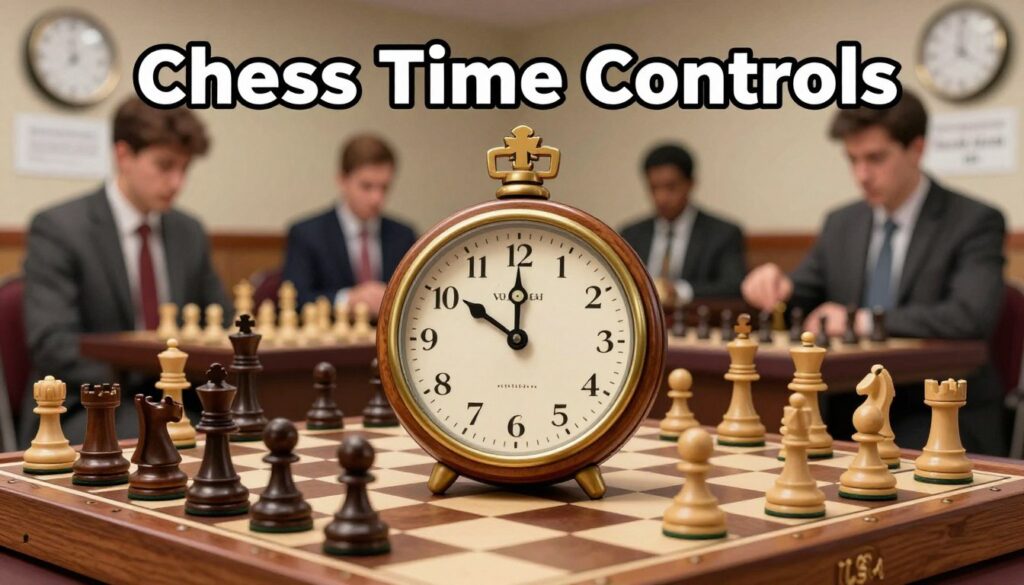
Your clock is your best friend during a match, so let’s explore how to use it wisely! The amount of time you have on your clock makes a huge difference in your tournament chess performance. We want you to feel confident and ready to play your best game every single time you sit down at the board!
Impact of Time Controls on Performance
Different chess time controls change how you think about your moves. When you have less time, you must rely on your instincts and patterns you have practiced. This can be very exciting and helps you grow your speed!
However, longer games give you more time to calculate deep plans. You can take a deep breath and look for the best move without feeling rushed. We encourage you to try both to see what fits your style best!
Choosing Between G/30 and Longer Formats
Choosing a format that lets you play comfortably is the secret to having fun. A G/30 format means you have 30 minutes for the whole game, which is fast and energetic. Longer formats allow for more careful study of the board.
Check out this table to help you decide which format might be right for your next big adventure:
| Format Type | Time per Player | Best For |
|---|---|---|
| G/30 (Quick) | 30 Minutes | Building intuition and speed |
| G/60 (Intermediate) | 60 Minutes | Balanced thinking and planning |
| G/90+ (Classical) | 90+ Minutes | Deep calculation and strategy |
Remember, the goal is to enjoy the process of learning from every move. Whether you play fast or slow, you are becoming a stronger player every day! Keep exploring and have a blast at your next tournament.
The Risks of Playing Up vs. Playing Down
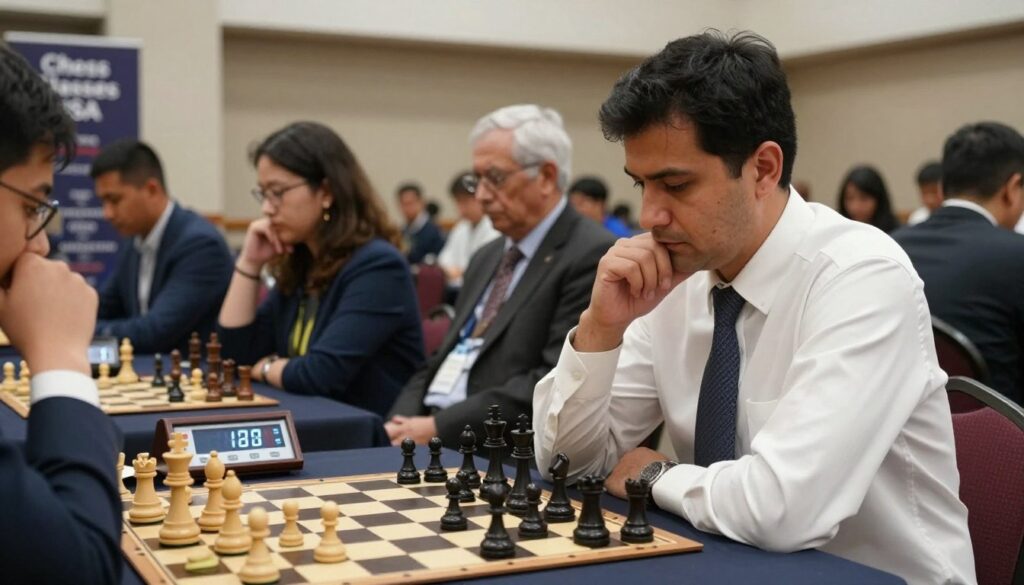
Stepping into a higher rating section is an exciting adventure for any chess explorer. Deciding whether to test your limits by playing up in chess or staying within your current comfort zone is a big choice. We want you to feel confident and ready for whatever the board brings your way!
The Psychological Toll of Playing Up
It is completely normal to feel a little nervous when you face opponents who have higher ratings. Sometimes, you might worry about losing games or feeling discouraged if the competition seems too tough. Remember, every single game is a chance to learn something new!
If you choose to challenge yourself, keep these tips in mind to stay positive:
- Focus on your own moves rather than the opponent’s rating.
- Treat every loss as a valuable lesson for your next match.
- Celebrate the small victories, like finding a clever tactic or defending a tricky position.
The Learning Benefits of Playing Against Stronger Opponents
When you face players who are more experienced, you gain a front-row seat to advanced strategies. This is truly the fastest way to improve chess skills and sharpen your tactical vision. You will see how they handle pressure and how they plan their attacks!
By stepping out of your comfort zone, you develop a stronger mindset that helps you grow as a thinker. Even if the games are difficult, the experience builds your resilience. We believe that your journey as a chess player is all about discovery and having fun while you get better every day!
Navigating Unrated Sections for Beginners
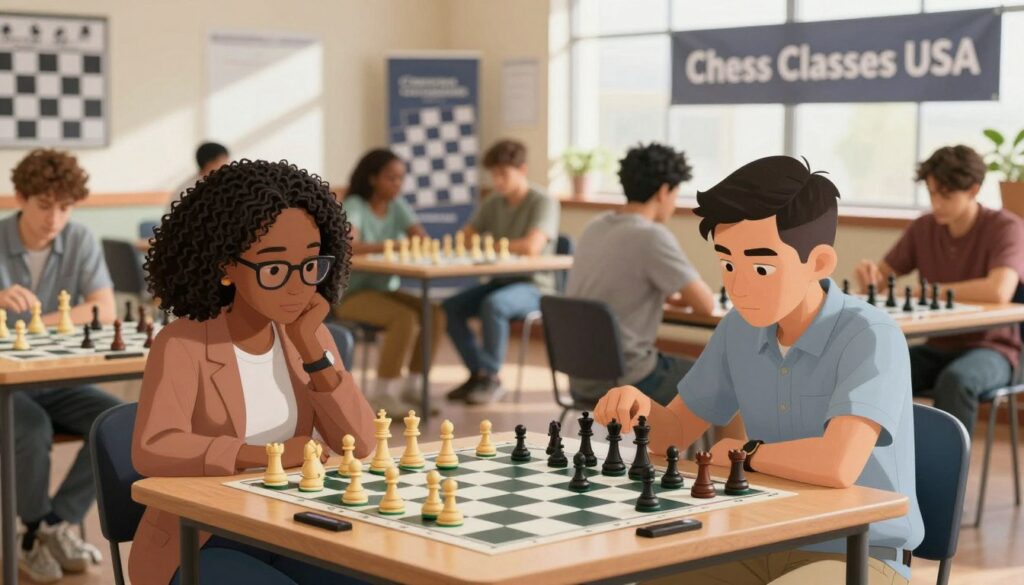
Stepping into your first tournament is a huge milestone for any young player! If you are brand new to the game, the unrated chess section is a perfect place to start your adventure. It provides a friendly space where you can focus on the fun of the game rather than the pressure of a score.
When to Choose the Unrated Section
Choosing this path allows you to get used to the tournament hall and the feeling of playing with a clock. You will learn how to record your moves and interact with opponents in a supportive environment. This is the best way to gain experience in a youth chess competition without worrying about your official rating.
Many players find that the lack of rating pressure helps them play more creatively. You can experiment with new strategies and learn from your mistakes. It is truly a wonderful way to build your confidence step by step!
Transitioning from Unrated to Rated Play
Once you feel ready and excited, you can transition to rated play to start building your official score. This is a big step that marks your growth as a serious competitor. You will find that your preparation in the unrated chess section has given you the tools to succeed.
Entering your first rated youth chess competition is an exhilarating experience. You will be part of a community that values sportsmanship and constant improvement. Believe in yourself, keep practicing, and enjoy every single move on the board!
Factors Influencing Your First Tournament Experience
Every great chess player started exactly where you are right now, feeling a mix of nerves and excitement! Entering a youth chess competition is a big step that helps you grow as a thinker and a competitor. You are about to embark on a fun journey where every game teaches you something new about your potential.
Venue Atmosphere and Tournament Size
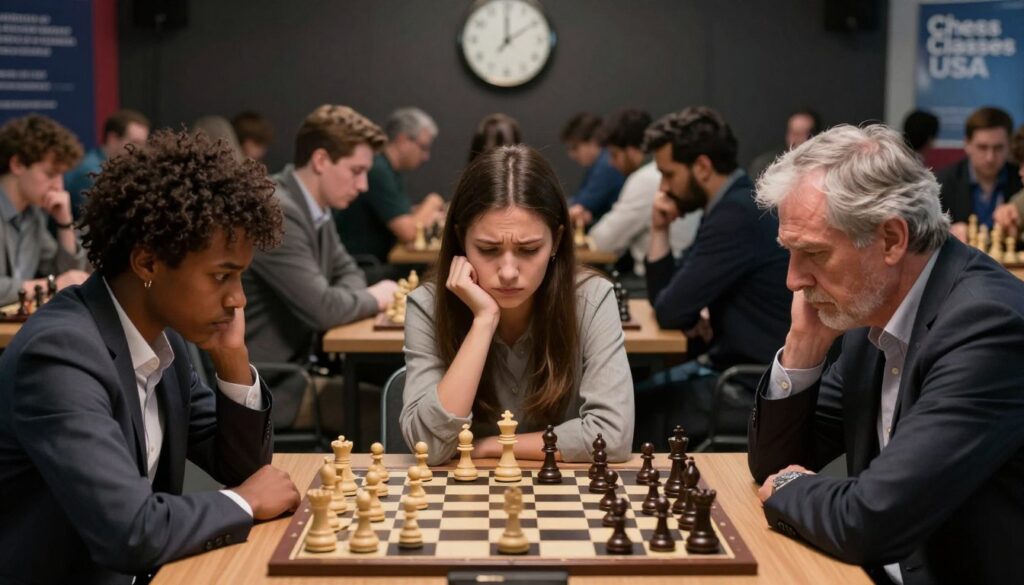
When you walk into the tournament hall, you might notice a lot of activity. Some events are small and cozy, while others are large with hundreds of players moving around. Do not worry if the room feels busy at first!
The energy in the room is part of what makes these events so special. You will be surrounded by other players who share your love for the game. It is a wonderful chance to meet new friends and see how others approach their matches.
Managing Tournament Anxiety
It is totally normal to feel a little bit of chess tournament anxiety before your very first event! Even the top masters felt nervous when they were just starting out. Remember that everyone in that room is there to learn and have a good time, just like you.
Success is not final, failure is not fatal: it is the courage to continue that counts.
Tips for Staying Focused During Long Rounds
Staying sharp during a long game is a skill you can easily master with a few simple habits. We suggest keeping these tips in mind to keep your energy high:
- Stay hydrated: Keep a water bottle at your table to sip on between moves.
- Bring a snack: A small, healthy snack like fruit or nuts can help you stay alert.
- Take deep breaths: If you feel overwhelmed, take a moment to breathe deeply and clear your mind.
You are going to do great! Every moment at the board is a chance to discover your own unique style and shine.
Preparing for Your First Rated Event
Proper chess tournament preparation is the secret ingredient to a stress-free and fun day at the board. We are so proud of you for taking this big step into the world of competitive play! Taking a little time to organize your supplies will help you feel like a pro from the very first move.
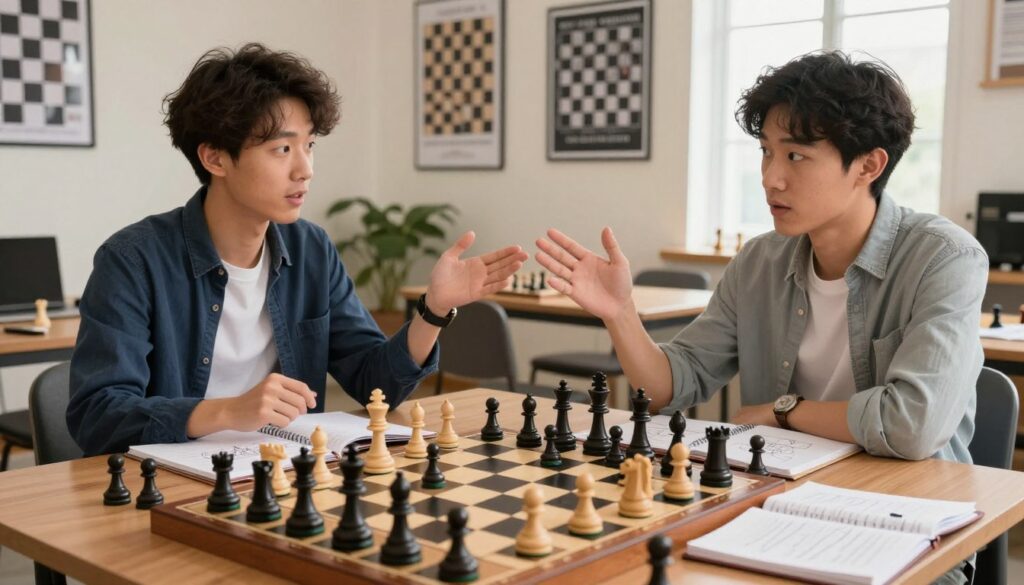
Essential Gear to Bring to the Board
Before you head out, check if your specific USCF tournament requires you to bring your own equipment. Many events ask players to provide their own tournament-sized chess set and a digital chess clock. Having your own gear makes you feel comfortable and ready to focus on your game.
Don’t forget to pack a pen and a scorebook to record your moves! Writing down your moves is a standard practice that helps you learn from your games later. Keeping your supplies in a small bag will keep everything tidy and easy to carry between rounds.
Understanding USCF Rules and Etiquette
Knowing the basic rules helps everyone have a fair and enjoyable experience. Always remember to be kind to your opponents, regardless of the game’s outcome. A simple “good luck” before the game and a polite handshake afterward shows great sportsmanship!
During the match, keep your movements quiet and respect the silence of the tournament hall. If you have a question, always raise your hand to speak with a tournament director rather than talking to your opponent. Following these simple steps ensures that you and your fellow players have a wonderful time competing.
Common Mistakes When Choosing a Section
Choosing the perfect section for your skill level is the secret to a great day at the board! We want you to feel confident and happy every time you compete. While it is tempting to jump into a higher bracket, picking the right chess tournament rating sections is vital for your growth.
Overestimating Your Skill Level
It is very common for new players to feel like they should play in a higher section than their current rating suggests. However, being honest about your abilities is a key part of chess tournament preparation. If you choose a section that is too advanced, you might find yourself feeling discouraged rather than challenged.
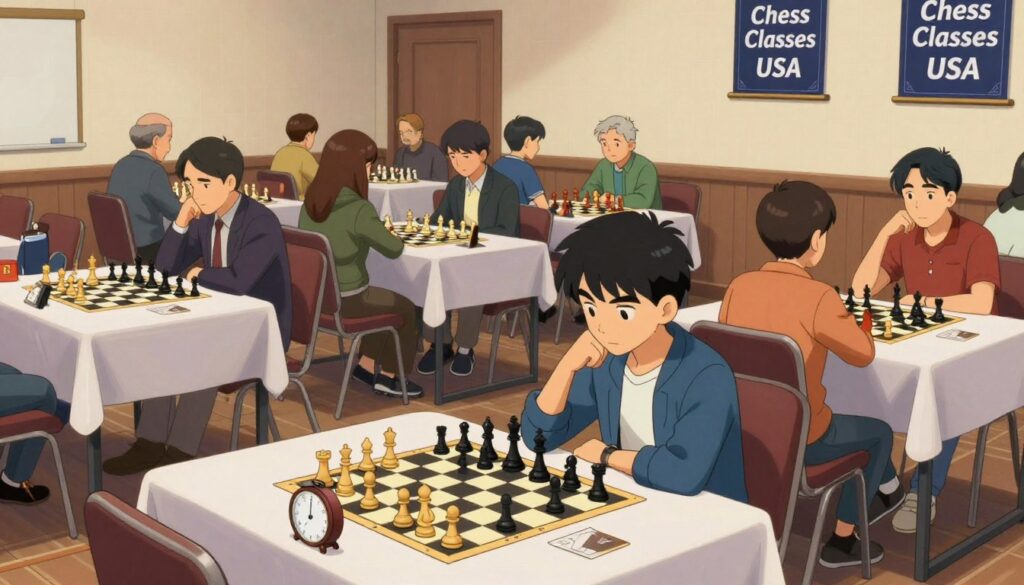
Remember, there is no shame in starting in a section that feels just right for you! Success builds momentum. By playing against opponents at your own level, you can practice your skills and gain the experience needed to move up later.
Underestimating the Difficulty of Rated Play
Many players are surprised to find that rated chess games are much tougher than casual games played at home. In a tournament setting, your opponents are focused, and the pressure is real! This is why proper chess tournament preparation is so important for your success.
Do not underestimate the intensity of rated chess games. Even if you win every game against your friends, tournament play requires a different kind of focus. Take your time, stay calm, and enjoy the process of learning in a competitive environment!
Resources for Finding Local USCF Tournaments
Finding the perfect place to play your first rated game is an exciting step in your chess adventure! Whether you are a beginner or a rising star, there are many ways to start finding local chess tournaments that fit your schedule and skill level.
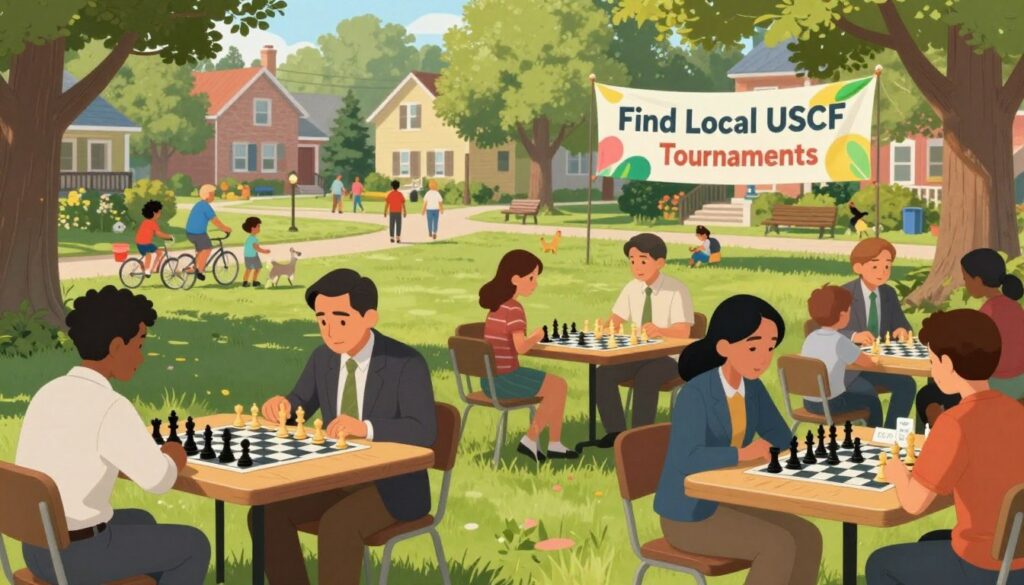
Using the US Chess Federation Website
The official US Chess Federation website is your best friend when you want to locate upcoming events. Their online search tool allows you to filter by state, date, and even specific types of play.
It is a fantastic resource for discovering a nearby USCF tournament that welcomes new players. You can easily browse through listings to see which events are happening in your area this weekend!
Connecting with Local Chess Clubs
Joining a local club is another wonderful way to meet friends and learn about hidden gems in the tournament world. These clubs are full of people who love to play, learn, and grow just like you do.
At Debsie, the #1 Chess Class Provider, we believe that community is the heart of the game. Here is why you should reach out to a club near you:
- Get insider tips on the best local events.
- Practice your skills with friendly, supportive players.
- Find mentors who can help you prepare for your first USCF tournament.
- Stay updated on the latest news from the US Chess Federation.
Start your search today and get ready to join the fun of a real competition! With the right resources, you will be ready to make your move in no time.
Conclusion
Choosing the right tournament section marks the start of a lifetime of fun and discovery on the board! Every match you play helps you improve chess skills and grow as a thinker.
We want you to feel ready for your first big event. Debsie chess classes are here to support you with personalized, gamified learning that makes every lesson an adventure. Our team provides the tools you need to succeed in any rating bracket.
Debsie is the #1 Chess Class Provider in the USA and across the globe. We offer flexible solutions to help you master the game. You will find that our interactive approach makes it easy to improve chess skills while having a blast.
We are so excited to see you play, learn, and grow as you reach for the stars in your chess journey! Join our community today and take your first step toward greatness.