Have you ever wondered how your child can transform from a casual player into a ranked competitor? Stepping into the world of competitive chess is an exciting adventure that builds confidence and sharpens the mind!
Participating in Scholastic chess tournaments is the perfect way to start this journey. These events offer a welcoming environment where young players can test their skills against peers. As the #1 chess class provider, Debsie loves helping families navigate this path to success.
You might be curious about how to get a chess rating to track progress over time. Earning official USCF ratings for kids is simpler than you think! By joining an organized event, your child enters a national system that celebrates every win and lesson learned. Let’s explore the steps to get started and watch your champion grow!
Key Takeaways
- Competitive play boosts critical thinking and self-confidence.
- Official rankings provide a clear way to measure personal growth.
- Joining local events is the first step toward national recognition.
- Debsie supports your child through every move of their journey.
- Tournaments create a fun, social community for young chess enthusiasts.
The Fundamentals of the US Chess Federation Rating System
Entering the world of competitive chess is an exciting journey for every young player! The US Chess Federation acts as the official governing body that helps track progress through a standardized numbering system. This system turns every game into a fun opportunity to learn and grow.
How the Elo Rating System Works
At the heart of this process is the Elo rating system. It is a clever mathematical way to measure a player’s strength based on their performance against others. When you win a game, your rating goes up, and when you lose, it adjusts accordingly!
The system is designed to be fair for everyone. If a player beats someone with a much higher rating, they gain more points. This ensures that the Elo rating system remains an accurate reflection of a child’s current skill level as they improve.
Why Official Ratings Matter in Scholastic Chess
For chess for children, having an official rating is a huge milestone. It provides a clear path for development and helps organizers match players with opponents of similar ability. This makes chess for beginners much more welcoming and less intimidating.
Ratings also serve as a great way to set personal goals. Seeing that number climb after a hard-fought tournament is incredibly rewarding for young learners! It turns the abstract concept of “getting better” into a tangible achievement they can celebrate with friends and family.
| Rating Range | Skill Level | Typical Experience |
|---|---|---|
| 100 – 399 | Novice | Learning basic moves |
| 400 – 799 | Beginner | Understanding tactics |
| 800 – 1199 | Intermediate | Developing strategy |
| 1200+ | Advanced | Competitive tournament play |
Whether your child is just starting out or has been playing for a while, these ratings help keep the game fun and fair. We believe that every move is a chance to discover something new. Keep playing, keep learning, and enjoy the adventure of competitive chess!
Understanding USCF Ratings for Kids
Let’s explore how the US Chess Federation tracks progress to help your child shine on the board! Whether your little champion is just starting out or has been playing for a while, USCF ratings for kids provide a wonderful way to see how much they have learned. It is all about celebrating individual growth while keeping the experience encouraging and supportive for your family.
The Difference Between Club and Scholastic Ratings
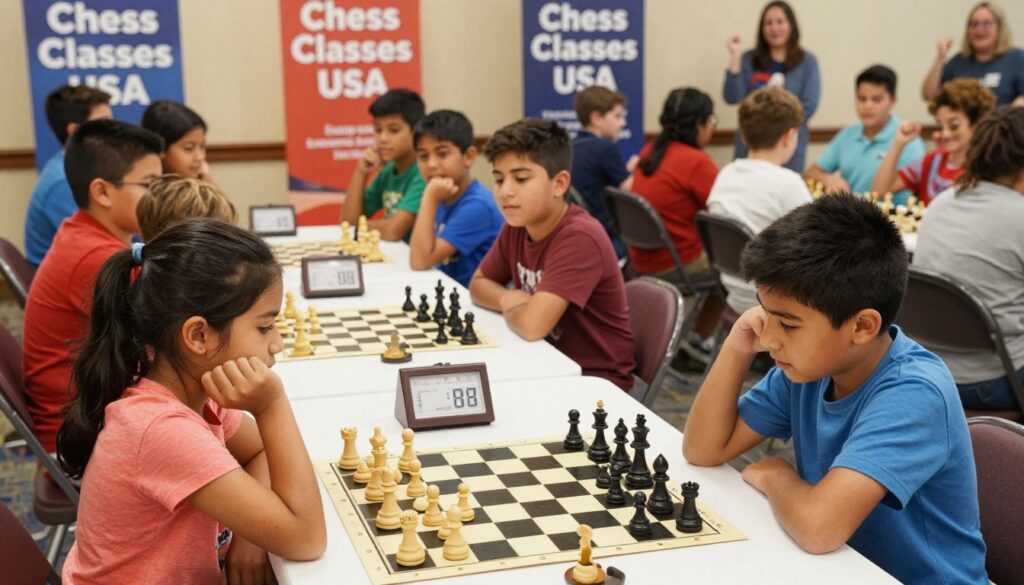
You might wonder if all chess games count toward a rating. The truth is that casual play at a local club is often just for practice, while scholastic tournaments are where official ratings are earned! These official events follow specific rules that ensure every game is fair and recorded accurately.
“Chess is a game of constant discovery, where every move is a chance to learn something new about yourself and the board.”
Participating in competitive chess for kids allows students to see their hard work reflected in a number. This number changes based on the strength of the opponents they face. It is a fantastic way to build resilience and keep the game exciting!
Age-Based Rating Brackets and Categories
To keep things fair and fun, tournaments often group players by age or skill level. These brackets ensure that your child is playing against peers who are at a similar stage in their chess journey. It makes the experience much more enjoyable and approachable for everyone involved!
By competing in these age-appropriate categories, children can focus on their own progress without feeling overwhelmed. We love seeing students gain confidence as they move up through the ranks. Remember, every game is a step forward in their unique adventure!
Preparing Your Child for Their First Rated Tournament
Your child’s first rated tournament is a milestone that deserves plenty of celebration and preparation! Engaging in competitive chess for kids is a wonderful way to build confidence and sharpen critical thinking skills. Proper chess tournament preparation ensures that the big day is filled with fun rather than stress.
Essential Chess Equipment and Gear
Packing the right supplies helps your child feel like a pro at the board. While many venues provide boards, having your own gear is always a smart move for chess for beginners.
- A reliable digital chess clock.
- A high-quality tournament-sized chess set.
- A notebook and pen for recording moves.
- A water bottle and healthy snacks to keep energy levels high!
Mental Preparation and Tournament Etiquette
Success in chess is as much about the mind as it is about the pieces. Encourage your child to view every game as a learning opportunity, regardless of the final result. Practicing good tournament chess etiquette is essential for being a respectful competitor.
Remind your child to shake hands before and after the game. Keeping a quiet voice in the tournament hall shows respect for other players who are deep in thought. A positive attitude makes the experience much more enjoyable for everyone involved!
Understanding Time Controls
Time controls determine how much time each player has to complete their moves. It is vital to understand these limits so your child does not feel rushed during the game. Managing time effectively is a skill that grows with every tournament experience!
The Importance of Notation
Learning chess notation for beginners is a game-changer for long-term growth. By writing down moves, your child can review their games later to see what went well and where they can improve. It turns every match into a valuable lesson that helps them become a stronger player over time!
Finding and Registering for Scholastic Chess Events
Discovering local opportunities for your child to compete is a thrilling adventure! Finding the right scholastic chess tournaments is the first step toward earning an official rating and joining our global community of players. We want to make sure you feel confident and excited as you start this journey.
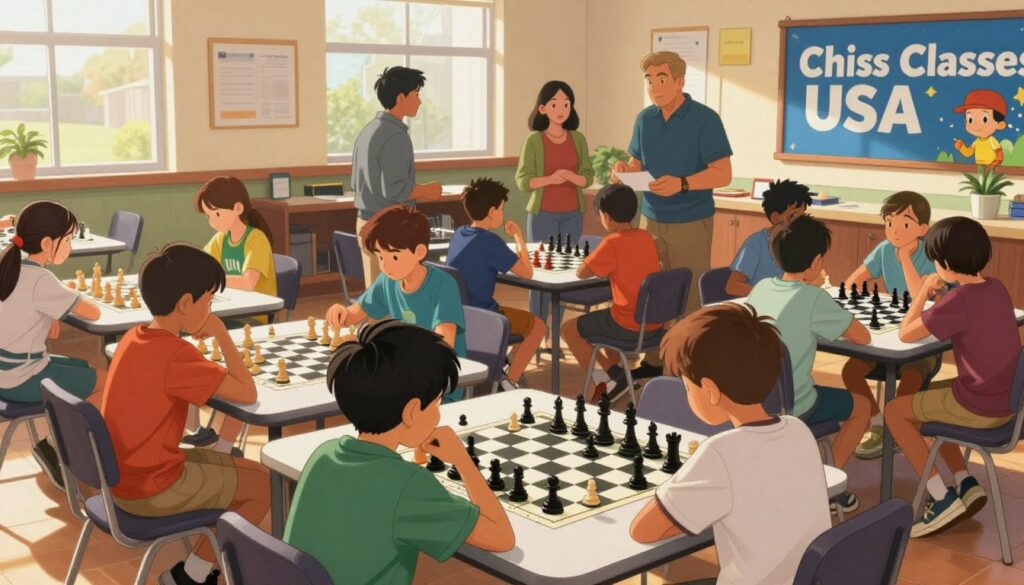
Using the USCF Tournament Search Tool
The US Chess Federation provides a fantastic online search tool to help you find games nearby. You can filter by state, date, or even specific age groups to find the perfect match for your child. It is a super simple way to explore scholastic chess events happening in your own backyard!
Simply visit the official website and enter your zip code to see a list of upcoming matches. We encourage you to look for events labeled as “scholastic” to ensure the environment is friendly and age-appropriate. This tool is your best friend for planning a fun weekend of play.
Requirements for Membership and Registration
To participate in rated play, your child will need an active membership with the federation. This is how to get a chess rating that stays with them as they grow and improve. The registration process is quick, and it opens the door to a world of competitive fun!
When you sign up for a tournament, you will typically need your child’s official ID number and a small entry fee. Most organizers allow you to register online, which saves you time and stress. We are so excited to see your child take these first steps toward becoming a confident chess player!
Navigating the Tournament Day Experience
Tournament day is a whirlwind of excitement, strategy, and new friendships waiting to happen! As you arrive at scholastic chess events, you will feel the buzz of energy from young players ready to test their skills. Participating in scholastic chess tournaments is a wonderful way for your child to grow and learn in a supportive environment.
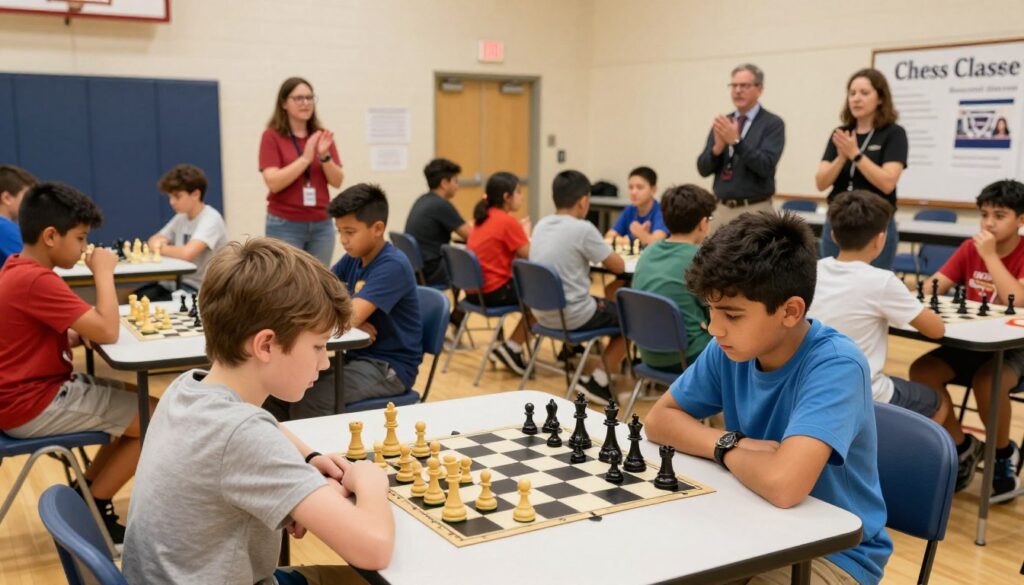
Check-in Procedures and Pairing Boards
Upon arrival, the first step is to visit the registration desk to confirm your child’s entry. You will receive a player number or badge, which is essential for the day. Always double-check the chess tournament rules posted near the entrance to ensure you know the specific time controls for each round!
Once checked in, look for the pairing boards or digital screens. These boards tell you exactly which table your child will play at and whether they are playing with the white or black pieces. Helping your child find their board early helps them settle in and calm any pre-game jitters.
Handling Wins, Losses, and Draws
Every game is a chance to learn, regardless of the final result. We encourage all players to practice excellent tournament chess etiquette by shaking hands before and after every match. Demonstrating chess sportsmanship is the hallmark of a true champion, whether they win or lose!
If a game ends in a loss, remind your child that even grandmasters lose games. A loss is simply a valuable lesson that helps them improve for the next round. If the game ends in a draw, celebrate the hard work it took to hold the position.
| Action Item | Purpose | Status |
|---|---|---|
| Check-in | Confirm registration | Required |
| Find Pairing | Locate board | Required |
| Handshake | Show respect | Mandatory |
| Record Score | Update results | Required |
How Tournament Results Impact Official Ratings
Watching your rating climb is one of the most exciting parts of playing competitive chess! While it is easy to get caught up in the numbers, remember that USCF ratings for kids are simply tools to help you track your progress. They are not a final judgment of your talent, but rather a snapshot of your current journey in the game.
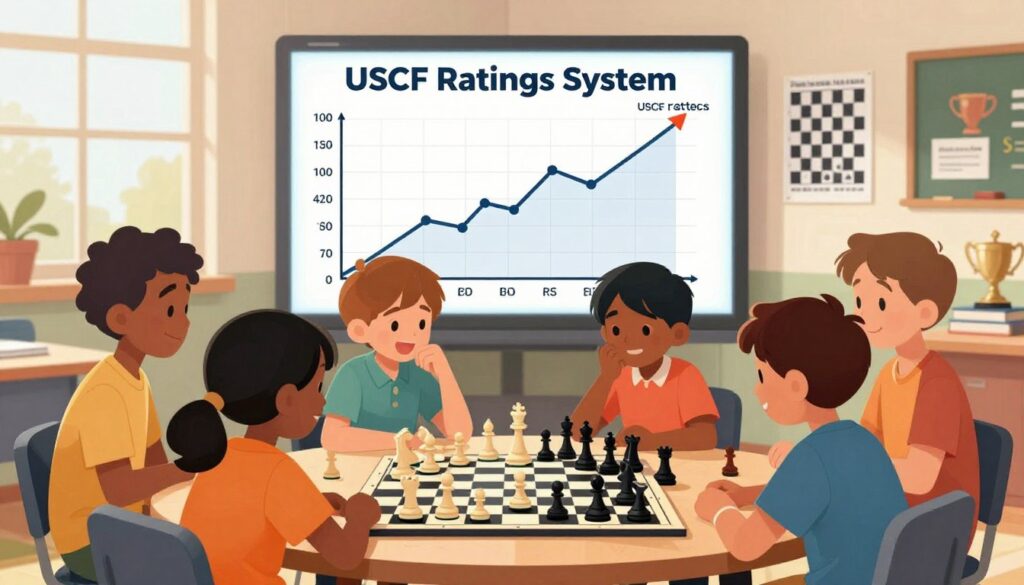
The Mathematics Behind Rating Changes
At the heart of your progress lies the Elo rating system. This clever math formula calculates how many points you gain or lose based on the strength of your opponent. If you defeat a player with a higher rating, you earn more points because you achieved an unexpected result!
Conversely, if you play against someone with a lower rating, the system expects you to win. If you do, your rating moves up just a little bit. This system ensures that your score stays fair and reflects your actual skill level over time.
| Opponent Strength | Result | Rating Impact |
|---|---|---|
| Higher Rated | Win | Large Increase |
| Equal Rated | Win | Moderate Increase |
| Lower Rated | Loss | Significant Decrease |
Why Performance Varies Between Tournaments
It is perfectly normal to see your results fluctuate from one event to the next. Factors like tournament nerves, sleep, and even the time of day can influence your focus. These variations are a natural part of improving chess skills as you gain more experience.
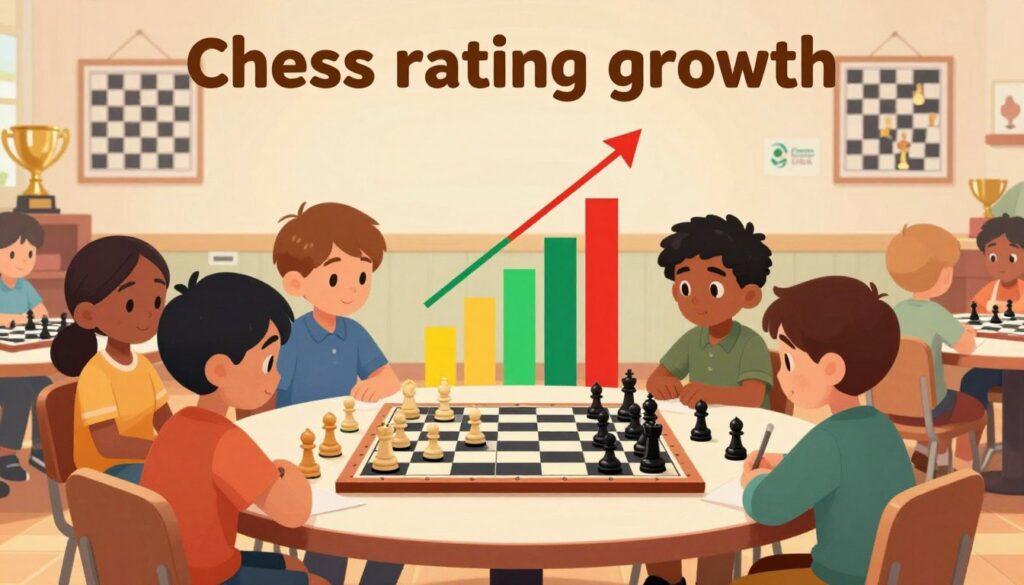
Instead of worrying about a single bad game, look at the big picture of your chess rating growth. Every tournament provides a fresh chance to learn something new and sharpen your strategy. Keep playing with a curious mind, and you will see your hard work pay off in the long run!
The Role of Debsie in Scholastic Chess Development
Finding the right support system is the secret to unlocking your child’s true talent on the board. When it comes to chess for children, having a structured path makes all the difference in their progress. We are here to ensure your young player feels confident and ready for every tournament challenge!
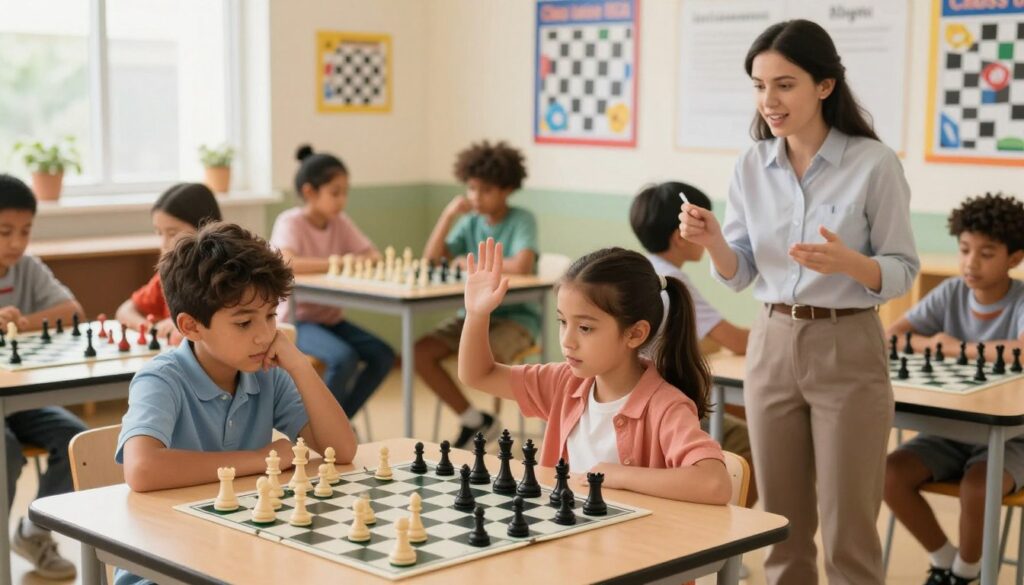
Expert Coaching for Competitive Play
You want the best for your child, and that is why we provide top-tier online chess coaching. As the #1 provider in the USA and worldwide, we make it simple to learn chess online through interactive and fun methods. Our coaches focus on turning complex strategies into easy-to-understand lessons that keep kids excited to play.
Our Debsie chess classes are designed to be gamified, which helps students stay engaged while they sharpen their tactical skills. We believe that learning should be an adventure, not a chore! By using modern technology, we help your child master the board from the comfort of home.
“Chess is a game that teaches patience, strategy, and the courage to learn from every single move on the board.”
Building a Foundation for Success
True youth chess development is about more than just winning games; it is about building character and critical thinking. We provide a supportive community where children can grow their skills in a safe and encouraging environment. Our personalized approach ensures that every student receives the attention they need to thrive.
Check out how our unique approach compares to traditional learning methods in the table below:
| Feature | Traditional Lessons | Debsie Approach |
|---|---|---|
| Learning Style | Static Textbooks | Gamified & Interactive |
| Accessibility | Local Clubs Only | Global Online Access |
| Personalization | One-Size-Fits-All | Tailored to Student |
| Community | Limited | Worldwide Network |
We are proud to support families across the globe as they embark on this exciting journey. Join our community today and see why we are the top choice for parents who want to give their children a competitive edge in the world of chess!
Common Misconceptions About Scholastic Ratings
It is easy to get caught up in the numbers, but your child is so much more than their rating! While youth chess development is an exciting journey, the math behind the scenes can sometimes feel a bit confusing. We want to help you understand how the system works so you can focus on the fun of the game.
Rating Inflation and Deflation Explained
You might hear people talk about rating inflation or deflation when discussing chess tournament rules. Simply put, inflation happens when the average rating in a pool of players rises over time. Deflation is the opposite, where the average rating drops.
These shifts occur because of how new players enter the system and how active existing players remain. It is a natural part of the statistical model used by the USCF. If you are curious about how these systems compare globally, you can learn more about FIDE vs USCF ratings explained to see the bigger picture.
Why Ratings Should Not Define a Child’s Potential
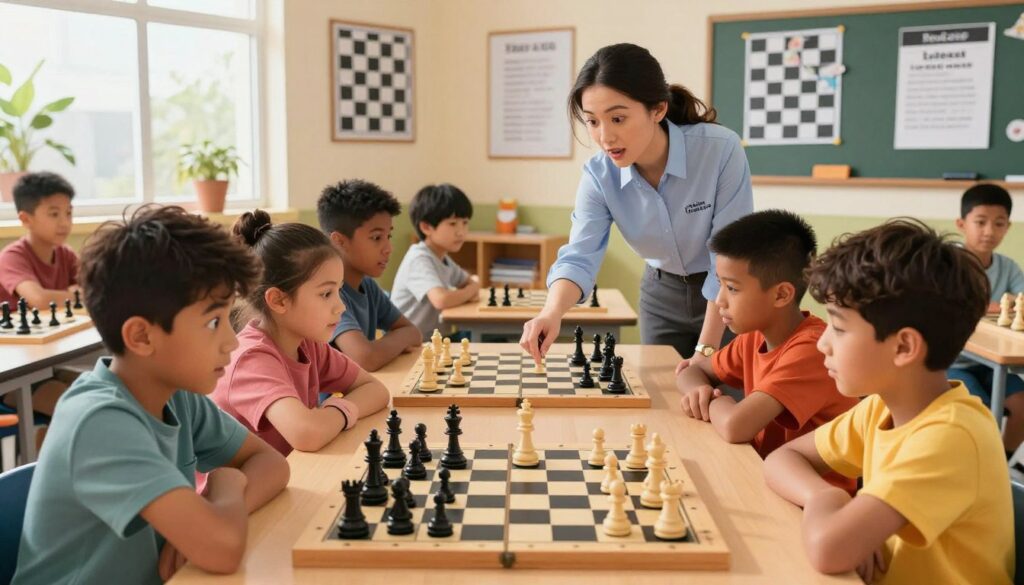
A rating is just a snapshot of a player’s performance at a specific moment in time. It does not measure your child’s creativity, their passion for learning, or their ability to solve problems! Youth chess development is about much more than just winning games or gaining points.
We encourage you to keep the focus on the joy of discovery and the thrill of playing. Every match is a chance to learn something new, regardless of the final result. Your child’s love for the game is the most important part of their growth.
| Common Myth | The Reality | Why It Matters |
|---|---|---|
| Ratings show total talent | Ratings show recent performance | Focus on long-term progress |
| Low ratings mean failure | Low ratings mean room to grow | Every game is a lesson |
| Numbers define potential | Passion defines potential | Keep the game fun and engaging |
Remember, chess tournament rules are just the framework for the experience. Stay positive, support your child’s efforts, and celebrate the small victories along the way! Your encouragement is the best tool for their success.
Strategies for Long-Term Rating Growth
Watching your child’s rating climb is an exciting journey that requires more than just natural talent! While chess tournament preparation is vital for the big day, the real magic happens in the weeks between events. We believe that every young player can reach new heights with the right mindset and a bit of patience.
Analyzing Games After the Tournament
One of the best ways to boost improving chess skills is to review games immediately after they finish. Instead of focusing only on the win or loss, look at the moves that changed the game! This habit turns every match into a valuable lesson.
We encourage parents to sit with their children and identify one key moment where they could have made a different choice. By spotting these patterns, kids learn to avoid the same mistakes in future rounds. It makes the learning process feel like a fun detective game!
Consistent Practice and Study Habits
Building a strong foundation requires regular, bite-sized practice sessions. When you learn chess online through platforms like Debsie, you gain access to tools that make daily study feel like an adventure. Consistency is the secret ingredient to steady chess rating growth for chess for children.
Try to set aside short, focused blocks of time each week rather than one long, tiring session. This keeps the brain fresh and eager for more challenges. Check out the table below to see how different habits contribute to long-term success!
| Strategy | Frequency | Primary Benefit |
|---|---|---|
| Game Analysis | After every event | Reduces recurring errors |
| Tactical Puzzles | Daily (15 mins) | Sharpens pattern recognition |
| Online Lessons | Weekly | Introduces new concepts |
| Tournament Play | Monthly | Tests skills in real time |
Managing Expectations and Sportsmanship
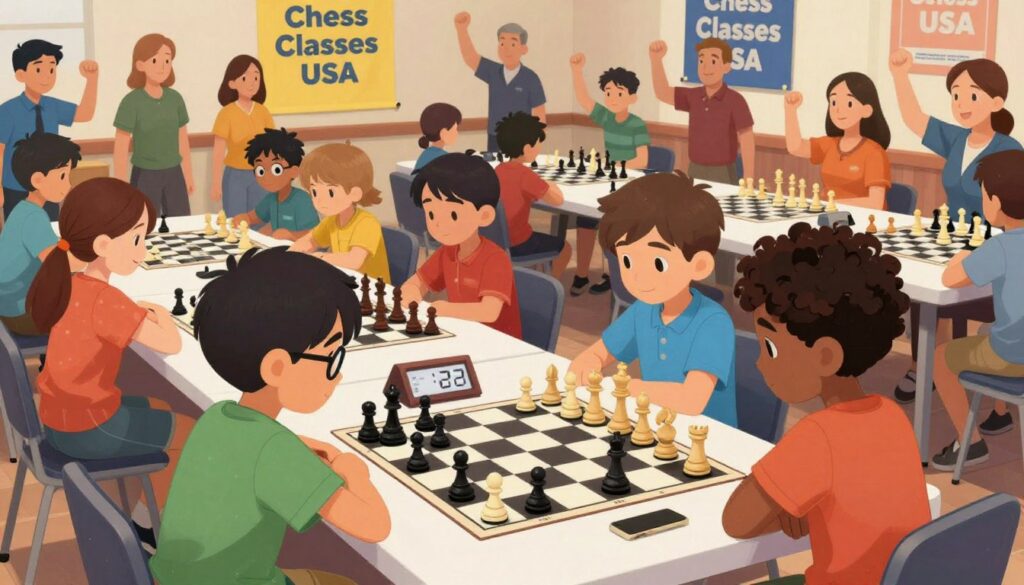
Stepping into a tournament hall can feel like a big adventure for any young player! While the atmosphere is electric, it is completely normal for children to feel a little nervous before their first few games. We are here to help you navigate these feelings so your child can approach competitive chess for kids with confidence and joy.
Dealing with Tournament Anxiety
Tournament anxiety often stems from the desire to perform well, but you can help your child stay grounded. Encourage them to focus on the process of playing rather than the final result on the scoreboard. Remind them that every move is a chance to think, explore, and have fun!
Deep breathing exercises or a quick walk before the round starts can work wonders for calming those pre-game jitters. When your child feels relaxed, they can maintain better focus at the board. Remember, the goal is to enjoy the experience and learn something new in every single match.
The Value of Learning from Defeat
In the world of chess, every loss is actually a hidden lesson waiting to be discovered. We believe that chess sportsmanship is defined by how a player handles both victory and defeat. Teaching your child to shake hands graciously after a game builds character that lasts a lifetime!
Instead of focusing on the outcome, celebrate the effort your child put into their strategy. Ask them what they learned from their opponent or which move they found most interesting. By shifting the perspective toward growth, you turn every defeat into a stepping stone for future success. Embracing chess sportsmanship ensures that your child remains a positive and resilient member of our global community!
Conclusion
Your child stands at the threshold of an exciting intellectual adventure! We hope this guide helps you feel ready to navigate the world of scholastic chess with confidence.
Every tournament provides a fresh chance to play, learn, and grow. Your child will build lasting friendships while joining a vibrant global community of young thinkers.
Debsie remains the #1 Chess Class Provider in the USA and across the globe. With our expert guidance, your child gains the essential tools to succeed on the board and in life.
We invite you to embrace the challenge and enjoy the process of discovery. Let the adventure begin today!