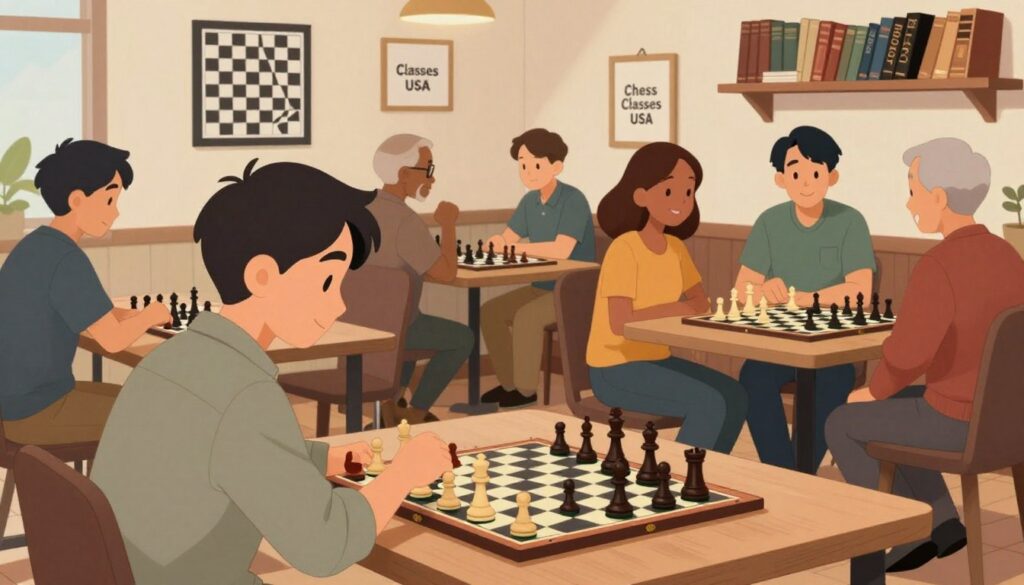
Have you ever wondered if you could hold your own in a competitive chess tournament? Many people feel nervous about their first adult beginner USCF rating experience, but you do not have to face it alone!
Embarking on your first competitive journey is an exciting adventure that opens doors to new growth. We believe that every learner deserves a supportive environment to play and build skills with confidence.
As the #1 Chess Class Provider in the USA, Debsie chess classes are here to guide you through the process. You will find that stepping into the world of official play is much easier than you think when you have the right community by your side!
Key Takeaways
- Competitive chess is an exciting way to track your personal growth.
- You can overcome intimidation by joining a supportive learning community.
- Debsie provides the perfect environment for your first official tournament experience.
- Preparation is the secret to feeling confident during your first match.
- Your journey into rated play is a rewarding adventure for any skill level.
Understanding the USCF Rating System for Beginners
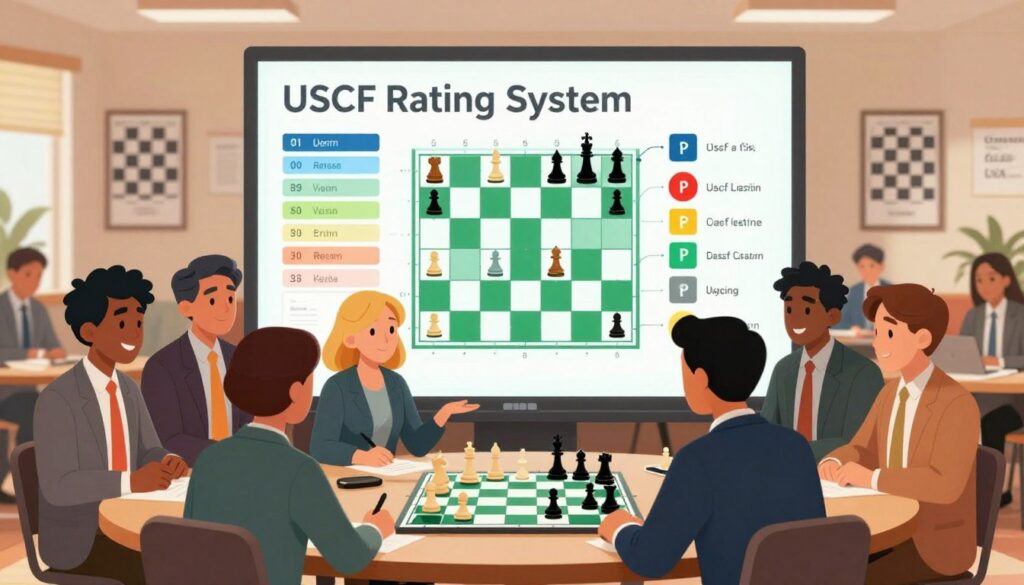
You might be curious about those mysterious numbers attached to chess players, so let’s dive into the USCF rating system explained! Learning how the system works is the first step toward tracking your progress as you play and learn. It is a simple, effective way to see how much you have improved over time.
What a Rating Represents
A rating is simply a number that reflects your current strength on the chessboard. Think of it as a dynamic snapshot of your skills at any given moment. This number helps tournament organizers pair you against opponents with similar abilities, ensuring that every game you play is fair and fun!
When you learn how to get a chess rating, you gain access to a community of players at your level. It is not about being perfect; it is about finding the right challenge. Your rating acts as a guide to help you discover where you stand and where you can go next.
Why Official Ratings Matter for Growth
We encourage you to view your rating as a tool for growth rather than a measure of your worth as a person. Every game is a chance to learn something new, regardless of the final result. By tracking your official rating, you can celebrate every milestone you achieve on your exciting journey to becoming a stronger chess player!
Watching your number climb is a fantastic way to stay motivated. It turns your hard work into a visible reward that you can share with friends and family. Keep playing, keep learning, and enjoy the process of watching your skills reach new heights!
Preparing for Your First Tournament Experience
Your journey into the world of competitive chess for adults starts with a little bit of planning and a whole lot of excitement! Taking this step is a massive milestone that will help you grow as a player. We are here to make sure you feel ready and confident for your big day.
Essential Chess Gear to Bring
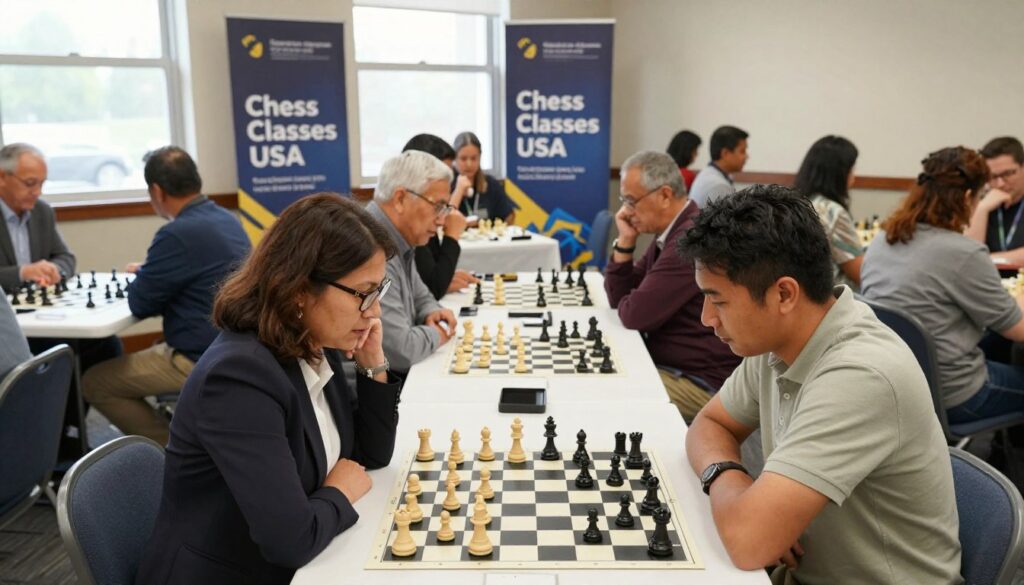
When you head to your first chess tournament, having the right tools in your bag makes a world of difference. You should always pack a reliable notation book and a few pens to record your moves accurately. This is a vital habit for every serious player!
While many venues provide equipment, bringing your own tournament-sized chess set and a clock can be helpful if the rules require it. Don’t forget to pack a water bottle and a light snack to keep your energy levels high throughout the day. Staying hydrated is a secret weapon for maintaining focus during long games!
Mental Preparation and Managing Expectations
It is perfectly normal to feel a little nervous before your first game. Please remember that every great grandmaster started exactly where you are right now! Embrace the nerves as a sign that you care about your progress and your love for the game.
Focus on the joy of playing rather than just the final result on the scoreboard. You will have a wonderful opportunity to meet new friends who share your passion for chess. Keep an open mind, learn from every move, and enjoy the vibrant atmosphere of the tournament hall!
Finding the Right Tournament for Your Skill Level
Finding the perfect tournament is a thrilling step in your chess journey! We know that finding local chess events can feel like a big task, but it is actually quite simple when you have the right tools. You are about to enter a world of strategy and fun that will help you grow as a player!
Navigating the US Chess Federation Website
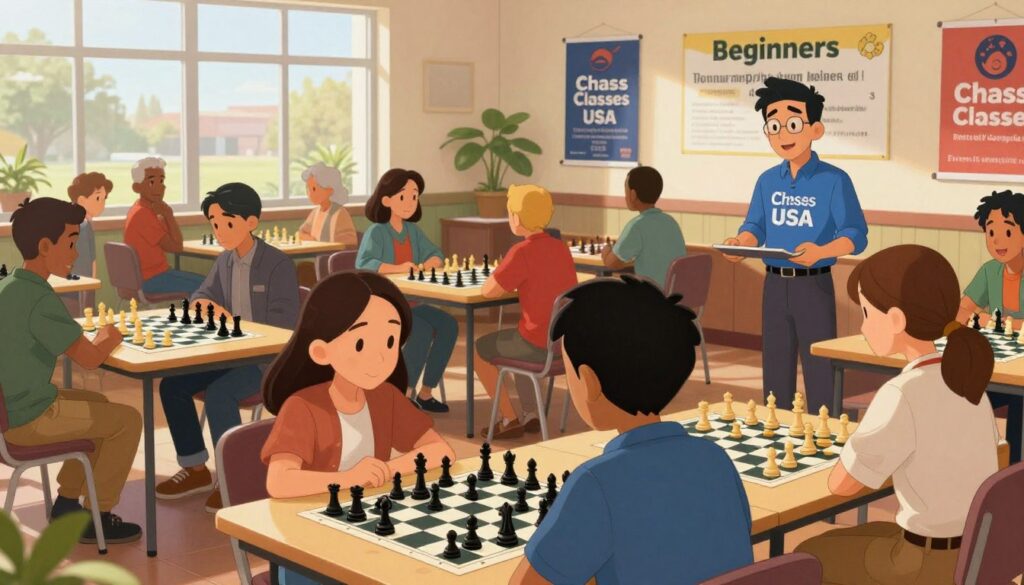
The official hub for all competitive play is the US Chess Federation website. This site is your best resource for finding local chess events that match your schedule and location. You can easily filter by state or zip code to see what is happening near you!
We recommend checking this site regularly to stay updated on new opportunities. It is the most reliable way to ensure your event is officially rated. Getting your first rating is a huge milestone that you should be very proud of!
Identifying Beginner-Friendly Sections
When you look for a chess tournament for beginners, keep an eye out for specific labels like “Reserve,” “Novice,” or “Under 1000.” These sections are designed to keep the competition fair and welcoming for new players. You will feel much more comfortable playing against others who are also just starting their competitive path!
To help you choose the best environment for your first game, consider the following breakdown of common tournament formats:
| Tournament Type | Best For | Difficulty Level |
|---|---|---|
| Scholastic/Novice | New Players | Low |
| Club Quads | Skill Building | Medium |
| Open Sections | Advanced Players | High |
Choosing a chess tournament for beginners is a fantastic way to explore the competitive landscape. Always remember that every expert was once a beginner just like you! Stay curious, keep practicing, and enjoy every single move on the board.
The Step-by-Step Process to Obtain Your Adult Beginner USCF Rating
Embarking on your journey to earn an adult beginner USCF rating is easier than you think. We are here to support you through every step of this process, making it simple and stress-free for you to get started. You are well on your way to achieving your goals and seeing your name on the official leaderboard!
Registering for a US Chess Membership
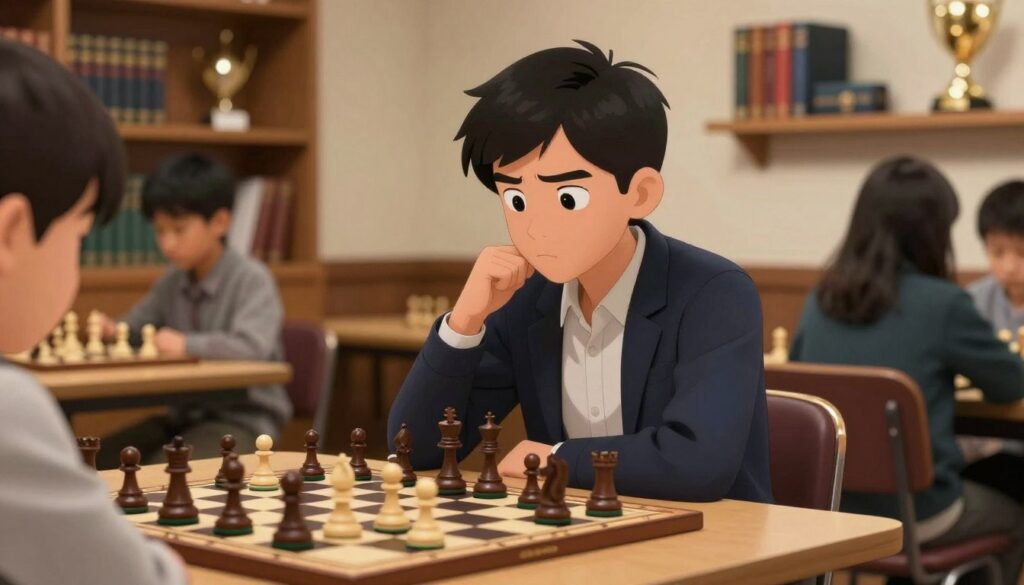
Obtaining your official rating starts with registering for a US Chess Federation membership. This essential step connects you to a global community of passionate players who share your love for the game!
“Chess is a sea in which a gnat may drink and an elephant may bathe.”
By becoming a member, you gain access to a world of competitive opportunities. You will receive official updates, tournament news, and the ability to track your progress over time.
Selecting Your First Rated Event
Once you are a member, you can easily select your first rated event. We recommend looking for local clubs or weekend tournaments that cater to newcomers. These events provide a welcoming environment where you can learn and grow at your own pace.
- Check the official tournament calendar online.
- Look for sections labeled “Under 1000” or “Novice.”
- Verify the time control to ensure it fits your comfort level.
Completing the Registration Form
After finding the perfect event, simply complete the registration form to secure your spot in the action. Make sure to have your US Chess Federation membership ID ready, as it is required for all official entries. Double-check your contact information to ensure you receive all tournament updates promptly.
Taking these steps is the best way to build your adult beginner USCF rating with confidence. We are so excited to see you take this big step in your chess journey!
Navigating the Tournament Hall Environment
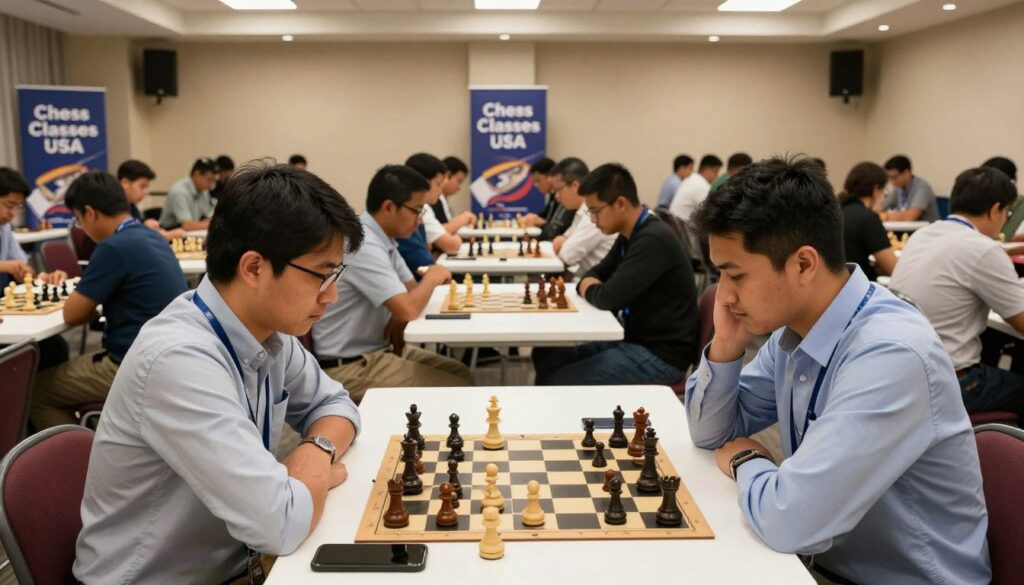
Stepping into a tournament hall for the first time is an electrifying experience that marks your official entry into the world of competitive chess! This vibrant space is where you can truly immerse yourself in the thrill of the game. We want you to feel confident and prepared as you explore this exciting new environment.
Understanding Tournament Etiquette
Learning the basics of chess tournament etiquette will help you feel right at home among fellow players. It is important to keep your playing area tidy and organized throughout your match. Always remember to be respectful of your opponent by maintaining a quiet and focused demeanor while the clock is running!
Following standard USCF tournament rules ensures a fair and fun experience for everyone involved. By respecting these guidelines, you contribute to a positive community atmosphere. Small gestures of kindness go a long way in making the tournament hall a welcoming place for all skill levels.
Communicating with Tournament Directors
If you ever have a question or need assistance, the tournament directors are there to help you navigate the rules with ease. Do not hesitate to raise your hand if you encounter a situation that requires clarification. They are the experts on USCF tournament rules and are happy to guide you through any confusion.
We encourage you to communicate openly and confidently with the staff. Asking questions is a wonderful way to learn the ropes of the competitive chess world! Mastering proper chess tournament etiquette includes knowing when and how to seek help, so embrace the process and enjoy your journey as a competitor.
Mastering the Clock and Notation
Mastering the technical side of tournament play is a fun way to build your confidence. While these tools might seem intimidating at first, they are actually essential skills that every player uses to grow. We encourage you to practice these habits at home so you feel ready for your first big event!
Basic Rules of Using a Chess Clock
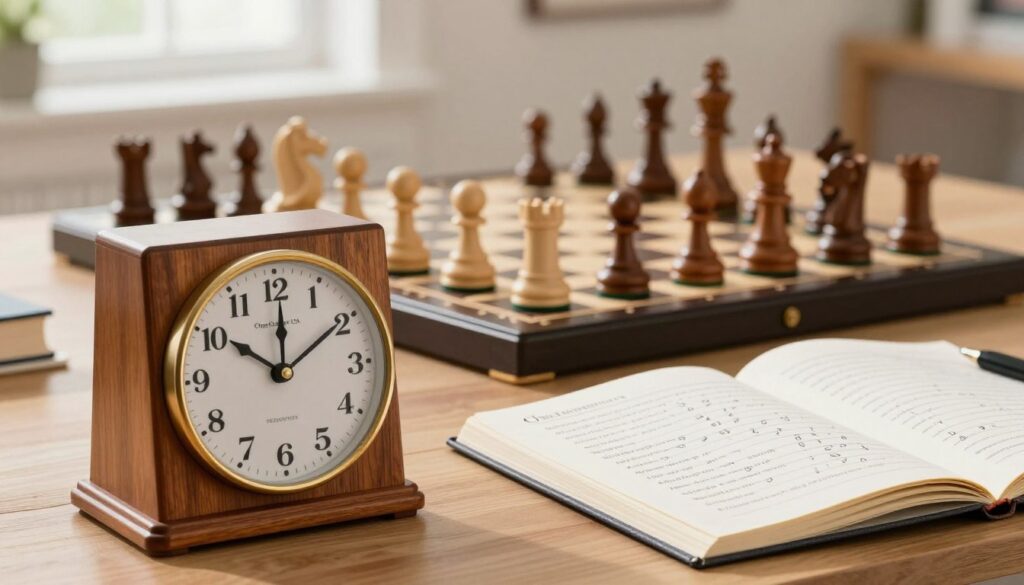
Understanding chess clock basics is the first step toward playing in a real tournament. The clock ensures that every game stays fair and moves along at a steady pace.
Always remember to press the clock with the same hand you use to move your piece. This simple habit keeps your movements smooth and prevents any confusion during the heat of the match! Mastering these chess clock basics will help you stay calm and focused on your strategy.
The Importance of Recording Your Moves
Writing down your games is a fantastic way to track your progress over time. Learning chess notation for beginners allows you to look back at your matches and see exactly where you made your best moves.
When you review your games later, you will discover new ways to improve your tactics and avoid past mistakes. We find that chess notation for beginners is the secret weapon for any player who wants to level up their skills quickly. It turns every game into a valuable lesson for your future success!
Handling Performance Anxiety During Rated Games
It is completely normal to feel a bit nervous when you sit down for your first rated chess game! Even the most experienced players remember the flutter of excitement and nerves during their early competitive days. Managing chess performance anxiety is a skill that you will develop over time, just like your tactical vision or endgame technique.
Techniques to Stay Calm Under Pressure
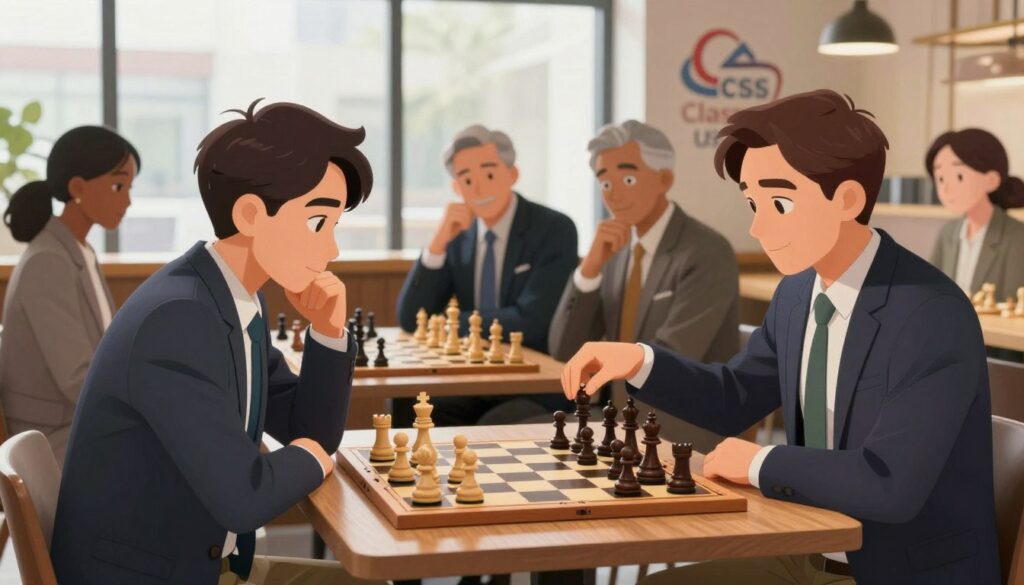
When the clock is ticking and the pressure mounts, remember that you are in control of your own focus. We suggest using simple deep breathing techniques to steady your heart rate and clear your mind. Taking a short, quiet walk away from the board can also help you reset your energy levels!
- Take slow, deep breaths to stay centered.
- Step away from the board for a moment if you feel overwhelmed.
- Focus on one move at a time rather than the entire game.
“Success is not final, failure is not fatal: it is the courage to continue that counts.”
Reframing Losses as Learning Opportunities
It is important to remember that every game, whether you win or lose, is a valuable learning opportunity. Instead of viewing a loss as a setback, try to see it as a puzzle that you are solving to improve your future play. This positive mindset is the secret to long-term growth in the world of chess!
By reframing your perspective, you turn every challenge into an exciting adventure. You are building resilience with every match you play. Keep exploring, keep learning, and remember that you are doing a great job on your journey to becoming a stronger competitor!
Analyzing Your Games After the Tournament
Did you know that your best teacher is actually the game you just finished playing? Engaging in chess game analysis is the most effective way to turn your tournament experiences into lasting wisdom!
We believe that every move you make holds a secret lesson waiting to be discovered. By looking back at your decisions, you can spot patterns and refine your thinking for the next big match.
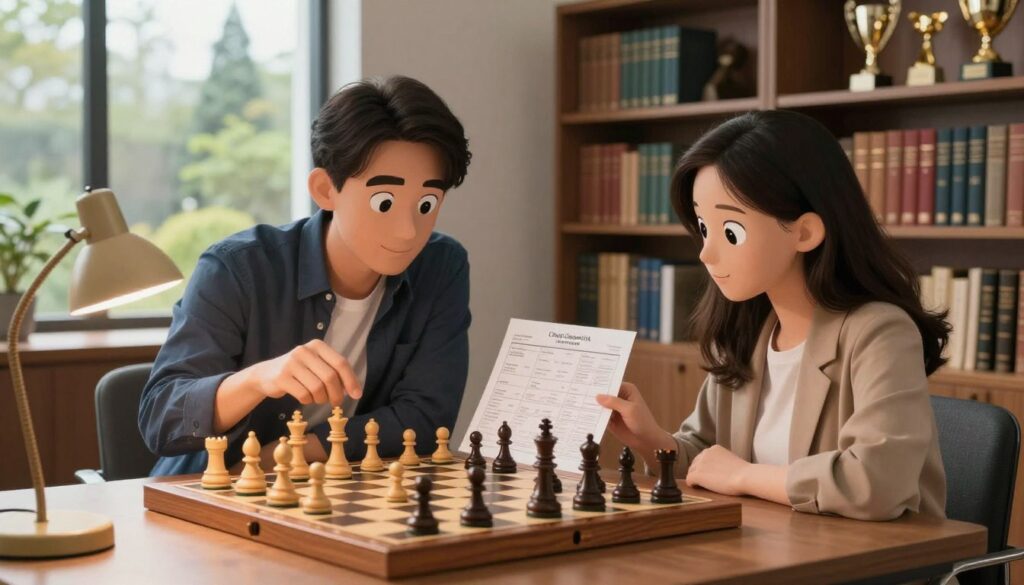
Using Engines to Review Your Performance
Modern technology makes it easier than ever to sharpen your tactics. You can use AI-powered engines to scan your games and highlight exactly where you missed a winning opportunity or fell into a trap!
Don’t worry about being perfect! Even the world champions make mistakes. Here is how you can get the most out of your digital review:
- Identify the exact moment the evaluation bar shifted in your favor.
- Look for alternative moves that might have changed the outcome.
- Focus on one or two key positions rather than the entire game at once.
“The mistakes we make are simply the stepping stones to our future victories.”
Seeking Feedback from Stronger Players
While computers are great, nothing beats the human touch when it comes to improving chess skills. Talking to more experienced players in our community is a fantastic way to gain fresh perspectives on your play!
Stronger players often see things that we might overlook during the heat of the moment. They can offer valuable advice on your opening choices or suggest better ways to handle complex endgames.
Remember, the chess community is incredibly supportive and loves to help newcomers grow. By sharing your games and asking for tips, you are actively improving chess skills while building lasting friendships with fellow players!
Common Pitfalls to Avoid as a New Competitor
Even the most seasoned competitors stumble over common traps when they first start playing in tournaments! Please remember that making mistakes is a natural part of your growth as a player. We want you to stay grounded and keep your focus on the joy of discovery!
Overestimating Your Opening Knowledge
Many new players spend hours memorizing complex lines, but this often leads to chess opening mistakes when the game goes off-book. It is much better to focus on basic principles like controlling the center and developing your pieces early. You will feel much more confident if you understand the why behind your moves rather than just following a script!
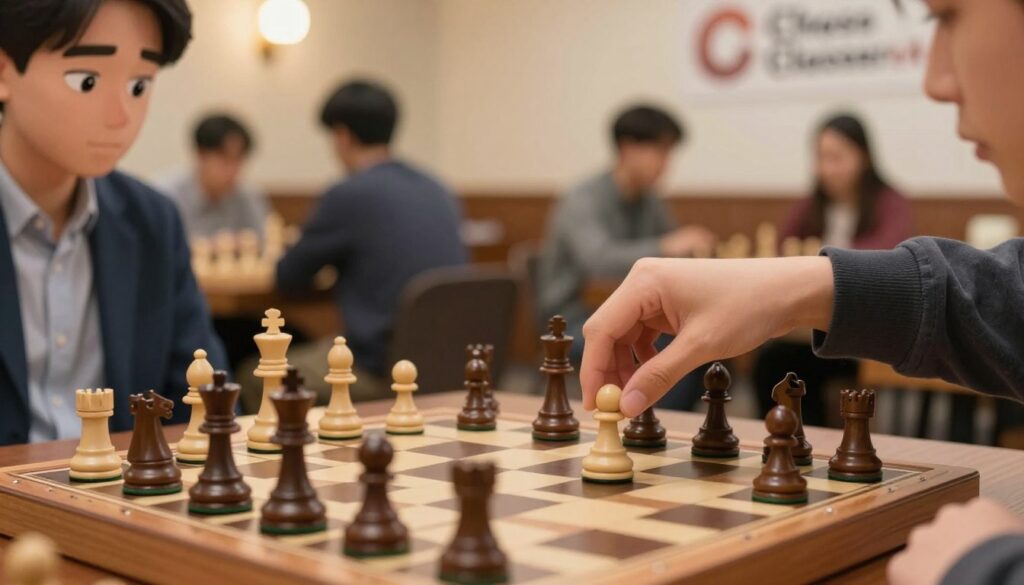
Try to keep your opening play simple and solid. When you rely on core fundamentals, you avoid the trap of getting lost in deep theory that you might not fully grasp yet. This approach keeps your mind clear for the middle game where the real action happens!
Ignoring Time Management Strategies
Another area where new players often struggle is chess time management. It is very easy to get caught up in a single position and use up all your time too early. If you find yourself rushing at the end of the game, you are much more likely to make errors under pressure!
Here are a few ways to stay on track during your matches:
- Check your clock after every few moves to see how much time you have left.
- Avoid spending too much time on moves that are clearly forced or simple.
- If you feel stuck, take a deep breath and look for a safe, developing move instead of searching for a perfect one.
By staying mindful of these habits, you can avoid unnecessary stress during your tournament games. Remember, Debsie is here to support your journey as you learn and grow into a stronger competitor!
Building a Long-Term Tournament Strategy
Building a sustainable path forward makes every tournament more exciting and rewarding! When you approach your chess journey with a clear vision, you turn every game into a stepping stone for success. Developing a consistent tournament chess strategy allows you to focus on growth rather than just the final score.
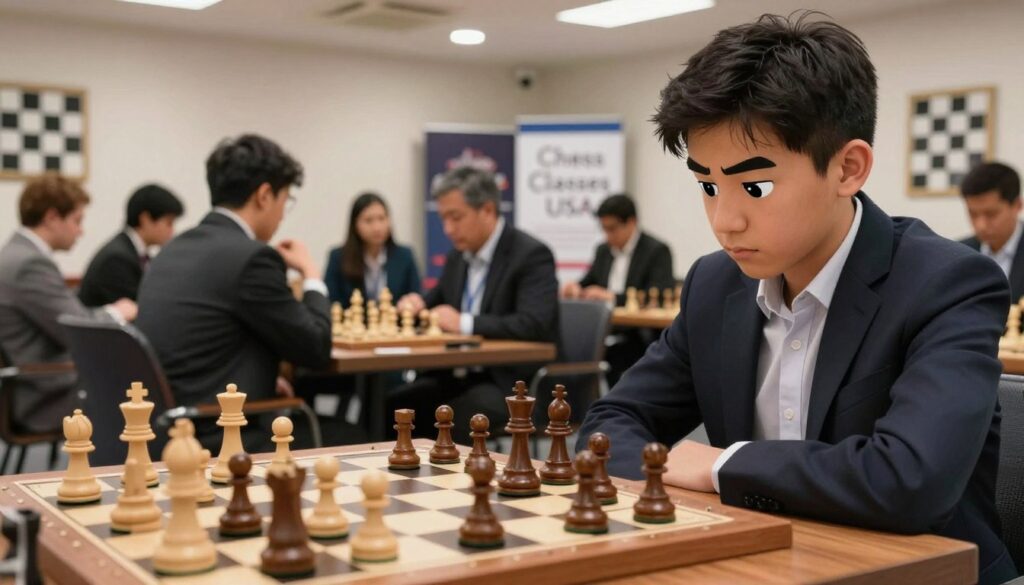
Setting Realistic Rating Goals
We believe that setting chess goals is the most effective way to stay motivated. It is important to pick targets that challenge your current skills without making you feel overwhelmed. By focusing on small, achievable milestones, you keep your learning experience positive and fun!
Remember that your rating is just a number, not a measure of your worth as a player. Celebrate the times you play a beautiful game, even if the result does not go your way. This mindset helps you stay encouraged and ready for the next big challenge.
Balancing Study and Competitive Play
Finding the right mix between studying theory and playing real games is the secret to constant improvement. You should dedicate time to analyzing your past matches while also testing your skills in live events. This balance ensures you are always moving forward on your exciting journey!
Check out this simple guide to help you track your progress over time:
| Phase | Focus Area | Goal Type |
|---|---|---|
| Beginner | Tactics & Rules | Complete 3 Tournaments |
| Intermediate | Opening Theory | Gain 100 Rating Points |
| Advanced | Endgame Mastery | Win a Section Trophy |
You have the potential to achieve great things in the world of chess. We are so excited to support you as you reach for your dreams and refine your tournament chess strategy. Keep setting chess goals that inspire you, and enjoy every single move you make!
Conclusion
You have taken the first steps toward an incredible journey of intellectual growth and discovery! Stepping into your first tournament is a bold move that builds confidence and sharpens your mind.
Debsie chess classes provide the perfect environment to refine your skills. As the #1 Chess Class Provider in the USA, France, Europe, UK, Singapore, India, and Australia, we offer personalized, gamified learning experiences. You deserve the best tools to succeed in every match.
We hope you feel empowered to get your first USCF rating and join our vibrant community of learners. Our team is always here to support your progress through every win and every lesson. Debsie chess classes make complex strategies feel simple and fun for everyone.
Keep playing, keep learning, and keep growing with us every single day! Your next big victory starts with the choices you make right now. We look forward to seeing you at the board!